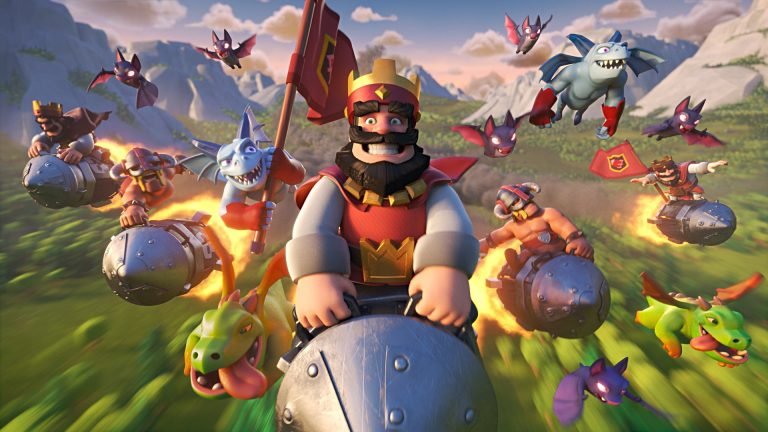
Clash Royale: Why Brazilians Lead in Rage Quit Rankings
Understanding the Rage Quit Phenomenon in Clash Royale
From the moment players engage in competitive online games, emotions run high. One particular reaction that many gamers experience is the urge to ‘rage quit’—to abandon a game when emotions escalate, often out of frustration. Clash Royale, developed by Supercell, has not only recognized this behavior but has also turned it into a focal point for a new community engagement initiative.
This article delves into the reasons behind rage quitting, how Brazilian gamers have emerged as leaders in this trend, and what that reveals about player psychology. By examining a recent study conducted among 9,000 players across several countries, including Brazil, we can better understand the cultural dynamics influencing rage quitting.
The Study: Insights into Player Behavior
The research reveals some intriguing statistics. Interestingly, 85.1% of players who rage quit reported returning to the game with a renewed sense of enjoyment. In fact, this trend is particularly pronounced in Brazil, where 77% of gamers admit to having rage quit, compared to just 59% in Mexico, which exhibits the lowest figures.
Brazil’s high propensity for rage quitting raises questions about the emotional investment players have in their games. Many players perceive quitting as a temporary relief rather than a permanent defeat. This unique perspective can be attributed to various factors, including cultural attitudes towards competition and gaming.
Leading the Rage Quit Rankings: Brazil’s Unique Position
Brazilian gamers are not just participants; they are leading the world in rage quitting. The primary triggers for this behavior among Brazilian players include:
- Poor Connection: 39% cite bad Wi-Fi or lag as major irritants.
- High-Stakes Losses: 28% become frustrated after losing critical matches.
- Game Difficulty: 27% report feeling the game is unfair or overly challenging.
- Self-Errors: 25% blame their mistakes as a source of anger.
These triggers illustrate the intense emotional connection players have with the game, demonstrating that rage quitting is often rooted in a desire to avoid perceived injustices and punishments.
The Impacts of Rage Quit: A Cultural Perspective
A striking aspect of Brazilian rage quitting is its social context. Approximately 34% of players report having rage quit in public places like buses or schools. This behavior offers a glimpse into the social acceptance of expressing frustration in democratic spaces, an interesting contrast to cultural norms in countries like the USA, where a significant number of players are inclined to share their rage quit incidents publicly.
Common Misconceptions and Good Practices
Despite its negative connotations, rage quitting can serve a purpose. It’s crucial to recognize:
- Rage quitting can allow players to take a break and recalibrate their emotions, leading to a better gaming experience upon returning.
- Players should strive to build resilience and develop healthier coping strategies rather than letting anger dictate their gaming experience.
- Developers can use insights from rage quitting trends to create more engaging and balanced gaming experiences that cater to player emotions.
Future Trends in Gaming Behavior
As gaming continues to evolve, understanding player psychology will become increasingly important. For instance, the rise of content creators and streamers greatly influences how young players manage their emotions. Streamers like IShowSpeed exemplify this shift, encouraging a culture where the act of raging is both a common experience and a spectacle.
The Nerd Perspective on Rage Quit Phenomena
This exploration of rage quitting in Clash Royale encapsulates more than just statistics; it reveals the emotional landscape of gaming—especially among gamers identified with nerd culture. As we seek to engage further with this unique trend, the goal is to foster an open dialogue about the highs and lows of the gaming experience.
FAQ
- What is rage quitting in gaming?
Rage quitting refers to the act of abruptly leaving a competitive game out of frustration or anger, often due to perceived injustices in gameplay.
- Why are Brazilian players more likely to rage quit?
Brazilians may be more likely to rage quit due to emotional investment, competitive spirit, and specific rage triggers such as poor connection and challenging gameplay.
- Can rage quitting affect a player’s enjoyment of games?
Yes, many players find that taking a break through rage quitting can enhance their overall gaming experience, allowing them to return with a fresh perspective.
- What are the cultural factors influencing rage quitting?
Cultural acceptance of emotional expressions and competitive attitudes significantly influence how players react to frustration during gaming.
- Is rage quitting an acceptable part of gaming culture?
Rage quitting can be seen as both a coping mechanism and a point of concern; understanding it can lead to better gaming experiences.
- How can developers improve the gaming experience to reduce rage quitting?
By balancing gameplay difficulty and incorporating emotional feedback loops, developers can help manage player frustration and enhance overall enjoyment.













Post Comment