How the New Spider-Man Suit Reflects Character Depth
The latest installment of the Spider-Man franchise, ‘Spider-Man: A New Day’, has captivated audiences and grossed over two billion dollars globally. As the fanbase delves into the film’s details, one aspect continually garners attention: the changes made to Spider-Man’s suit. These alterations offer more than just aesthetic updates; they reveal layers of character depth and emotional connection to Peter Parker.
Nerd Insights: The Evolution of Spider-Man’s Suit
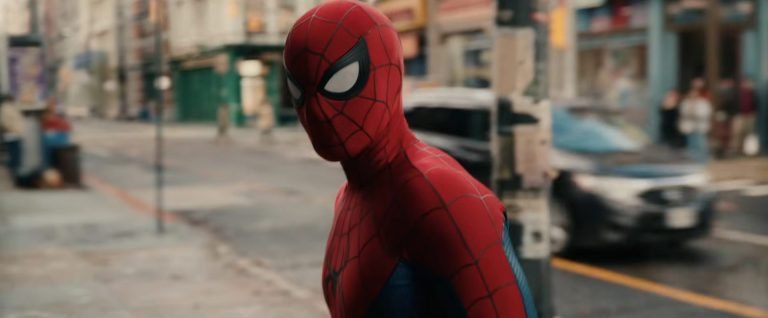
The most notable change in the latest Spider-Man suit is the increased visibility of Peter Parker’s facial contours, particularly around the ears. Fans were quick to recognize how this change allows for a more expressive portrayal of the character. Costume designer Sanja Milkovic Hays explained that these design choices were intentional. Tom Holland emphasized the importance of having his face somewhat visible while in character, allowing for an authentic connection with the audience. As Hays pointed out, actors spend around 80% of their screen time suited up, which necessitates ensuring that the audience can relate to their expressions.
The Design Philosophy Behind the Changes
According to Hays, the design philosophy was driven by the need for emotional clarity. In previous MCU films, the suit often hid much of Parker’s humanity. The new approach highlights his vulnerabilities and personal struggles. By altering the suit to accommodate more facial visibility, the filmmakers aim to present a version of Spider-Man who is less superhuman and more relatable.
Fan Reactions and Controversies
- Some fans were divided: while many appreciated the depth this change brings, others criticized the suit’s thinner fabric and its apparent ability to showcase facial contours.
- This contrast may highlight differing perspectives on what aspects of superhero costume design should prioritize realism over traditional aesthetics.
- However, integrating character depth into visual design choices generally resonates well within the nerd community, fostering deeper discussions.
Exploring Other Design Choices
Beyond the changes to Spider-Man’s own suit, Hays also shared insights into the villain Tarantula’s outfit. Initial designs closely followed comic book aesthetics, but after finishing the final outfit, it appeared too similar to a low-budget Halloween costume. To elevate the character’s impact, a more intricate and nuanced costume was developed, allowing it to feel more credible and aligned with the film’s quality.
User-Friendly Design: Benefits and Limitations
- Benefits: The adjustments made allow for greater emotional engagement and make Spider-Man’s journey feel more personal.
- Limitations: Some fans have expressed disappointment with the fabric choice, questioning whether it effectively conveys strength and durability.
Future Trends in Superhero Costumes
The ongoing dialogue about costume design in superhero films hints at a broader trend: a shift toward more dynamic, character-driven outfits. As stories evolve, so will the visual representation of heroes and villains, leading to a more emotionally resonant experience for viewers.
Nerd Culture’s Impact on Design Choices
The intersection of nerd culture and costume design opens new avenues for character expression, prompting studios to listen to fan feedback more actively. As characters like Spider-Man continue to evolve, we can expect similar adaptations that reflect audience desires for more authenticity.
Frequently Asked Questions
- 1. Why is Peter Parker’s facial visibility important?
This change allows viewers to connect emotionally with the character, making him more relatable. - 2. What inspired the changes made to Tarantula’s costume?
The initial design were too simplistic, prompting a more complex redesign to enhance its credibility. - 3. How do costume changes affect character development?
They allow for greater expression and alignment with emotional arcs, enhancing audience investment. - 4. What are the benefits of a thinner suit fabric for Spider-Man?
A thinner fabric can provide better mobility and visibility but may sacrifice durability.
In conclusion, the adjustments made to Spider-Man’s costume reflect a conscious effort to delve deeper into Peter Parker’s identity. As the franchise continues to evolve, these design choices will undoubtedly shape the future of superhero storytelling.











Post Comment