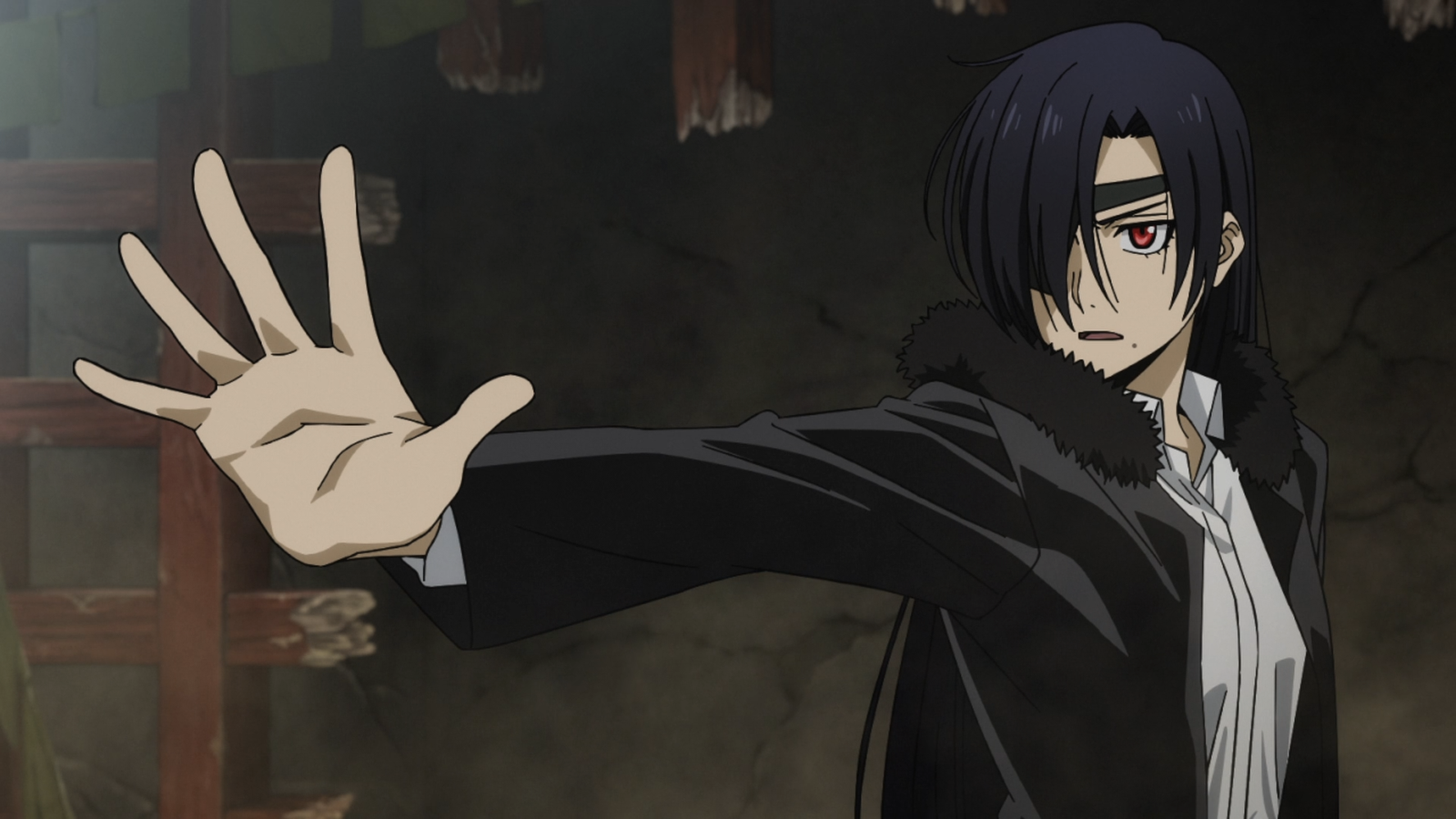
Yomi no Tsugai Review: A Nostalgic Dive into 2000s Anime Pop Culture
In the vibrant, ever-evolving landscape of Japanese animation, certain names carry an almost mythical weight. Among them, Hiromu Arakawa stands preeminent, recognized globally for crafting ‘Fullmetal Alchemist,’ a series often cited among the greatest of all time. This legacy, naturally, casts a long shadow over any subsequent work, creating immense anticipation—and pressure—for new titles from such a celebrated author. It’s a rare feat to follow a magnum opus with another groundbreaking success, and this challenge is precisely what ‘Yomi no Tsugai’ (also known as ‘Daemons of the Shadow Realm’) steps into, aiming to carve its own niche while rekindling the nostalgic affections of Arakawa’s loyal fanbase.
Airing its 24-episode first season between April and September 2026 on Crunchyroll and later on Netflix, ‘Yomi no Tsugai’ has been under intense scrutiny. Fans and critics alike are eager to see if it can stand shoulder to shoulder with its illustrious predecessor, or if it will chart a distinctly different course. The series, adapted from a manga that began its run in Japan in late 2021 within Monthly Shonen Gangan, is still in its nascent stages, making a definitive judgment on its long-term impact premature. Yet, its initial broadcast offers a compelling look into Arakawa’s current creative vision and how it resonates with contemporary audiences, particularly those deeply embedded in the nuances of anime’s rich history and its place within broader global pop culture.
From the outset, ‘Yomi no Tsugai’ carries a distinct aura, largely due to the involvement of Studio Bones, the same esteemed animation house behind ‘Fullmetal Alchemist.’ Under the direction of Masahiro Ando, the series immediately establishes a visual identity and overall ‘vibe’ reminiscent of the 2010s, a deliberate stylistic choice that promises a wave of nostalgia for viewers who grew up with or fondly remember anime from that era. This deliberate pacing and aesthetic, while appealing to a specific demographic, also raise questions about its accessibility and appeal to the younger, more fast-paced ‘TikTok generation’ of viewers. This review aims to dissect these facets, offering an in-depth look at ‘Yomi no Tsugai’ and its contribution to the ever-expanding tapestry of pop culture.
Yomi no Tsugai’s Resurgence: A Dive into 2000s Anime Pop Culture DNA
Yomi no Tsugai stands out by intentionally evoking the distinct aesthetic and narrative rhythms of early 2000s anime, a strategic move that resonates deeply within the current Pop Culture landscape. This design choice, coupled with the formidable talents of creator Hiromu Arakawa and animation studio Bones, crafts an experience that feels both familiar and refreshingly distinct amidst today’s diverse animation offerings.
This particular stylistic choice is more than just a passing homage; it’s a deliberate immersion into the very essence of an era that shaped modern Pop Culture’s perception of Japanese animation. For fans who came of age watching titles from the late 1990s and early 2000s, ‘Yomi no Tsugai’ offers a comfortable return to storytelling sensibilities that prioritize world-building and character development over rapid-fire plot progression. It leverages a powerful form of nostalgia, tapping into the emotional connection many viewers have with the ‘golden age’ of shonen anime, characterized by rich narratives and distinct visual styles.
The Creative Pedigree Behind the Shadow Realm
At the heart of ‘Yomi no Tsugai’s’ appeal lies its esteemed creative team. Hiromu Arakawa, globally recognized for her intricate storytelling and profound character development in ‘Fullmetal Alchemist,’ brings her signature touch to this new world. Her ability to weave complex narratives populated by memorable characters is a cornerstone of the series’ foundation, immediately drawing in an audience eager to witness her next grand vision.
Complementing Arakawa’s genius is Studio Bones, a name synonymous with high-quality animation. Having previously brought ‘Fullmetal Alchemist’ to life, Bones infuses ‘Yomi no Tsugai’ with a visual fidelity and dynamic action sequences that underscore its commitment to excellence. Director Masahiro Ando further hones this vision, ensuring the series maintains a consistent artistic direction that beautifully renders its unique world and inhabitants. This combination of renowned talent ensures ‘Yomi no Tsugai’ is not just another anime, but a work crafted with meticulous care and artistic integrity.
A Narrative Echo: Siblings, Violence, and Unfolding Mystery
‘Yomi no Tsugai’ centers its narrative around the compelling dynamic of twin siblings, Yuru and Asa, a thematic choice that subtly echoes the beloved Elric brothers from ‘Fullmetal Alchemist’ while forging its own distinct path. The story begins with a brutal separation following violent attacks on their village, an event that thrusts them into a world far more dangerous and complex than they could have imagined. This foundational trauma serves as a powerful catalyst, driving much of the early plot and character motivations.
As the first season’s 24 episodes unfold, the series slowly peels back layers of a grander conspiracy, meticulously developing the intricate web of who is fighting whom and why. This deliberate pace allows for a rich contextualization of the world and its inhabitants, fostering a sense of discovery that rewards patient viewing. The narrative does not shy away from visceral violence; indeed, it’s visually heavier than the militarized world of ‘Fullmetal Alchemist,’ with frequent depictions of blood and intense combat. This unflinching approach to its darker themes establishes a gritty tone that contrasts with its more measured narrative tempo.
Yomi no Tsugai vs. Fullmetal Alchemist: Distinctions in Storytelling and Pacing
While sharing a creator and studio, ‘Yomi no Tsugai’ distinctly diverges from ‘Fullmetal Alchemist’ in its approach to narrative pacing and immediate threat. ‘Fullmetal Alchemist’ often balanced its profound themes with a propulsive plot and a clear, immediate antagonist, establishing a consistent sense of urgency. ‘Yomi no Tsugai,’ by contrast, embraces a more ‘slow burn’ methodology, dedicating significant time to world-building and the lives of its supporting cast, which can be a double-edged sword for audiences.
This deliberate, cadenced rhythm, though appreciated by those who enjoy thorough contextualization, might prove challenging for younger viewers accustomed to the rapid narrative progression found in much of modern media, influenced by platforms like TikTok and YouTube Shorts. The absence of a constant, overwhelming sense of threat, particularly as the initial mystery surrounding the protagonists’ parents’ disappearance doesn’t fully sustain the tension, allows the narrative to breathe but occasionally risks diluting engagement for those seeking continuous high-stakes action. However, for enthusiasts who value deep immersion into a meticulously crafted world, this pacing offers a rich and ‘enjoyable’ viewing experience.
Embracing Nostalgia: The Appeal for Long-Time Anime Enthusiasts
‘Yomi no Tsugai’ offers a powerful draw for long-time anime enthusiasts, particularly those who cherish the distinct storytelling and aesthetic sensibilities of the 2000s and early 2010s. For this demographic, the series acts as a direct connection to a beloved era, delivering a viewing experience rich with familiar visual cues, narrative structures, and character archetypes that evoke a strong sense of nostalgia.
The deliberate pacing, which prioritizes world-building and character development over rapid plot advancement, is a significant appeal. This allows viewers to immerse themselves fully in the unfolding story of Yuru and Asa, appreciating the nuanced details and the gradual revelation of the world’s complexities. Hiromu Arakawa’s signature touch, evident in the intricate character relationships and moral ambiguities, provides a depth often sought by mature anime fans. For those who consider ‘Fullmetal Alchemist’ a seminal work, ‘Yomi no Tsugai’ serves as a comforting, high-quality spiritual successor, meticulously produced by Studio Bones, promising a journey that feels both fresh and deeply resonant.
Navigating Narrative Challenges: Pacing, Antagonists, and Tsugai Dynamics
Despite its many strengths, ‘Yomi no Tsugai’ faces certain narrative challenges that might impact its broader appeal. The ‘slow burn’ pacing, while a deliberate choice, means that significant plot developments and the true nature of the overarching threats take considerable time to materialize. This can leave some viewers feeling that the narrative lacks a consistent sense of urgency, especially in a media landscape that increasingly favors immediate gratification and high-impact moments.
Arakawa’s recurrent narrative device, where initial antagonists often evolve into allies or more empathetic figures, while adding layers of moral complexity, can paradoxically dilute the sense of genuine danger. This pattern, observed in the series, means that the stakes can feel less impactful when villains are consistently revealed to be less menacing than first perceived. Furthermore, while the ‘Tsugai’ (creatures akin to Pokémon linked to their masters) offer diverse powers, some designs, like Yuru’s ‘Directional Lords’—described as ‘stone-hard brawlers’—may not always be the most visually or thematically engaging, potentially underutilizing the concept’s full potential compared to other more creatively distinct Tsugai such as Gabi’s ‘biter.’ These elements, though minor, can affect the overall perceived threat and excitement level throughout the season.
Avoiding Misconceptions: What Not to Expect from Yomi no Tsugai
To fully appreciate ‘Yomi no Tsugai,’ viewers should approach it with realistic expectations, avoiding common misconceptions that might hinder their enjoyment. Firstly, it is crucial not to expect a direct replica or an exact spiritual successor to ‘Fullmetal Alchemist’ in terms of tone or narrative velocity. While sharing a creator and studio, ‘Yomi no Tsugai’ forges its own identity, particularly through its more deliberate pacing and the unique structure of its conflict.
Secondly, viewers should not anticipate a relentlessly fast-paced shonen series from the outset. Despite an explosive premiere, the show settles into a ‘slow burn’ rhythm, prioritizing world-building and character development over constant, high-octane action. Those accustomed to the rapid narrative beats of contemporary anime may find this initial phase challenging. Finally, expecting clear-cut heroes and villains from the start may lead to disappointment; the series revels in moral ambiguity and evolving character alliances, which requires an open mind to appreciate its complex narrative tapestry.
Optimizing Your Viewing: How to Appreciate Yomi no Tsugai’s Unique Approach
To fully appreciate ‘Yomi no Tsugai’ and its unique place in contemporary anime, viewers can adopt several ‘best practices’ that align with its deliberate narrative style. The primary recommendation is to approach the series with patience, allowing its ‘slow burn’ pacing to unfold naturally. Rather than seeking immediate answers or continuous action, focus on the rich world-building and the gradual development of its characters and lore.
Engage with the intricate plot by paying attention to the smaller details and the subtle shifts in character dynamics. The series thrives on its layered mysteries and the nuanced evolution of its cast, including the complexities of its antagonists. Embrace the nostalgic 2010s vibe, allowing it to transport you to an era of anime known for its depth and meticulous craftsmanship. Finally, appreciate the high production quality from Studio Bones, from its fluid animation to its distinctive visual identity, recognizing that these elements contribute significantly to the overall viewing experience, even when the plot takes its time to accelerate.
The Road Ahead: Yomi no Tsugai’s Potential Impact on Modern Anime
As ‘Yomi no Tsugai’ continues its run and its manga progresses, its ultimate impact on modern anime and Pop Culture remains to be seen, yet several trends and perspectives suggest a significant, albeit niche, influence. The series represents a bold move by Hiromu Arakawa and Studio Bones to experiment with narrative pacing and thematic depth in an industry often driven by rapid trends and audience expectations for immediate gratification. Its ‘slow burn’ approach could either set a new precedent for deliberate storytelling or remain a unique, cult favorite for a specific audience.
The ongoing manga serialization in Monthly Shonen Gangan provides a continuous source for potential future anime seasons, allowing for a deeper exploration of its world and characters. If the anime’s narrative challenges are addressed and its unique strengths are further honed, ‘Yomi no Tsugai’ could establish itself as a benchmark for high-quality, character-driven fantasy shonen that resists the urge to conform to mainstream speed. Its legacy may not be as universally explosive as ‘Fullmetal Alchemist,’ but it could certainly cement its place as a thoughtful, visually rich contribution that appeals to those who value artistic integrity and a nuanced approach to storytelling within the ever-expanding universe of Pop Culture.
Yomi no Tsugai’s Place in Contemporary Pop Culture and Beyond
Yomi no Tsugai carves a distinct niche within contemporary Pop Culture by offering a deliberate, nostalgic viewing experience that contrasts with the prevailing trends of fast-paced media. Its appeal lies in its sophisticated storytelling and high-quality animation, making it a significant work for audiences who appreciate a measured narrative and the enduring legacy of its renowned creators.
Ultimately, ‘Yomi no Tsugai’ stands as a fascinating case study in how established creators navigate the expectations forged by their past triumphs within an ever-changing media landscape. For fans of Hiromu Arakawa and Studio Bones, and for anyone who cherishes the rich, deliberate storytelling of 2000s anime, it represents a compelling journey worth embarking on. Its unique blend of intense violence, profound sibling bonds, and a meticulously crafted mystery offers a refreshing alternative to the often-formulaic offerings of modern shonen. While its slower tempo may not capture every new viewer, its quality and distinct identity ensure its place as a noteworthy entry in the vibrant tapestry of anime’s contributions to global Pop Culture.
Frequently Asked Questions About Yomi no Tsugai
| Question | Answer |
|---|---|
| Who is the creator of Yomi no Tsugai? | Yomi no Tsugai is created by Hiromu Arakawa, the highly acclaimed mangaka behind the iconic series ‘Fullmetal Alchemist.’ Her involvement alone generates significant interest and high expectations for the narrative depth and character development within ‘Yomi no Tsugai.’ Arakawa is renowned for her intricate world-building and compelling storytelling, which are evident throughout this new work. |
| Which studio animated Yomi no Tsugai? | The anime adaptation of ‘Yomi no Tsugai’ was animated by Studio Bones, a prestigious studio known for its high-quality productions, including ‘Fullmetal Alchemist’ and ‘My Hero Academia.’ Bones’ involvement ensures a visually rich and dynamically animated series, reflecting their commitment to artistic excellence and fluid action sequences, contributing significantly to the show’s overall aesthetic and appeal. |
| When did the first season of Yomi no Tsugai air? | The first season of ‘Yomi no Tsugai’ transmitted its 24 episodes between April and September 2026. This broadcast schedule made the series accessible to a global audience, initially through Crunchyroll and subsequently via Netflix, allowing a broad range of viewers to immerse themselves in its unique world and narrative. |
| What is the core premise of Yomi no Tsugai? | ‘Yomi no Tsugai’ primarily follows the journey of twin siblings, Yuru and Asa, who are separated early in life following violent attacks on their village. Their subsequent quests involve uncovering a complex web of mysteries, conflicts, and the true nature of the ‘Tsugai’ – powerful beings linked to masters. The story delves into themes of familial bonds, survival, and the slow unraveling of a larger conspiracy. |
| How does Yomi no Tsugai compare to Fullmetal Alchemist? | While both series share Hiromu Arakawa as their creator and Studio Bones as the animator, ‘Yomi no Tsugai’ distinguishes itself with a more deliberate, ‘slow burn’ narrative pace compared to ‘Fullmetal Alchemist’s’ often faster, more action-driven progression. ‘Yomi no Tsugai’ also embraces a visually heavier and more violent tone, focusing on a different type of mystery and character-driven exploration. |
| Is Yomi no Tsugai suitable for younger audiences? | Given its visually heavy content, which includes significant depictions of violence and blood, ‘Yomi no Tsugai’ might be more suitable for older audiences. While it is a shonen series, its pacing and mature themes differentiate it from more typical youth-oriented anime, potentially making it less appealing or appropriate for very young viewers. |
| What are ‘Tsugai’ in the series? | The ‘Tsugai’ in ‘Yomi no Tsugai’ are mystical beings that share a bond with their human masters, endowing them with varied supernatural powers. They function somewhat like companion creatures, reminiscent of ‘Pokémon’ in their master-bond dynamic, yet they are deeply integrated into the world’s lore and the ongoing conflicts, playing a crucial role in battles and narrative progression. |
| What is the pacing like in Yomi no Tsugai? | ‘Yomi no Tsugai’ features a ‘cadenced’ or ‘slow burn’ pacing. It takes its time to develop the world, characters, and intricate plot points, which contrasts with the rapid storytelling prevalent in many contemporary anime. This approach allows for deep immersion but may require more patience from viewers accustomed to quicker narrative resolutions. |













Post Comment