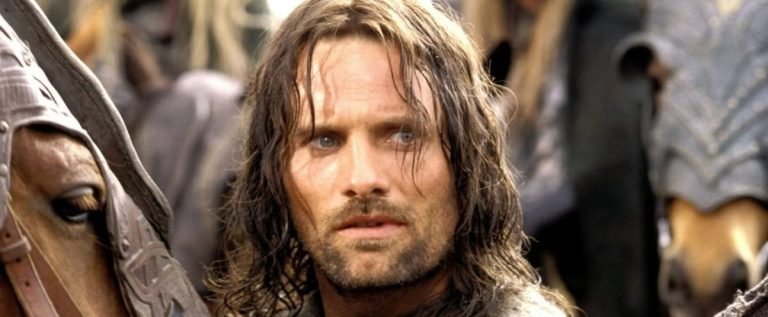
Aragorn Recast in Lord of the Rings: The Hunt for Gollum Explained
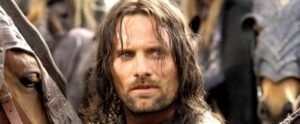
Few cinematic sagas have left as indelible a mark on global culture as The Lord of the Rings. Peter Jackson’s monumental trilogy, released at the turn of the millennium, didn’t just adapt J.R.R. Tolkien’s legendary texts; it defined a generation’s understanding of Middle-earth, transforming intricate fantasy into an epic on-screen reality. At the heart of this enduring narrative, among hobbits, wizards, and elves, stood Aragorn, the Ranger of the North destined to reclaim his birthright as King of Gondor. Portrayed with a captivating blend of rugged wisdom, reluctant heroism, and undeniable charisma by Viggo Mortensen, Aragorn became an icon, his journey a powerful anchor in the sprawling conflict against the forces of Mordor.
Now, decades later, Middle-earth beckons once more. The announcement of The Lord of the Rings: The Hunt for Gollum, with Andy Serkis at the directorial helm and a cast featuring familiar faces alongside new talent, has ignited fresh excitement. Yet, amidst the anticipation, a significant revelation has stirred considerable discussion and speculation, particularly among the most dedicated members of the nerd culture: the iconic role of Aragorn will not be reprised by Viggo Mortensen. Instead, Jamie Dornan is set to wield Andúril. This decision, to re-envision such a central character with a new actor, naturally raises profound questions. Why would such a pivotal figure, so intrinsically linked to Mortensen’s powerful performance, undergo a recasting? What factors underpin a move that is both logistically challenging and emotionally resonant for millions of fans? This exploration delves into the various facets influencing this choice, offering context and analysis for every fan eager to understand the evolving landscape of Middle-earth.
The Intricate Web of Aragorn’s Recasting: A Deep Dive for the Dedicated Nerd
The decision to cast Jamie Dornan as Aragorn in The Lord of the Rings: The Hunt for Gollum, rather than bringing back Viggo Mortensen, primarily stems from the film’s specific chronological setting and Mortensen’s stated preferences regarding his craft. The new movie unfolds between Bilbo Baggins’ 111th birthday and Frodo’s departure from the Shire, a period where Aragorn, though chronologically old by human standards, must appear much younger than Mortensen’s current age. Furthermore, Mortensen’s known inclination towards practical action sequences over digital manipulation, combined with his critical assessment of scripts, likely influenced the production’s strategic move to introduce a new actor for this pivotal role.
At the core of the recasting lies the demanding timeline of The Hunt for Gollum. This narrative interlude places Aragorn at a stage in his life where he is still a Ranger, a wanderer of the wilds, years before assuming his throne. While the character of Aragorn is 87 years old during the events of The Fellowship of the Ring, his Dunedain heritage grants him an extended lifespan and a youthful appearance that belies his true age. Viggo Mortensen, who was approximately 40 years old when he first embodied Aragorn in 1999, is now 67. To convincingly portray a character who needs to appear as he did, or even younger, during the original trilogy’s timeframe presents a significant challenge.
While digital de-aging techniques have advanced considerably, becoming a common tool in modern cinema, they were likely not the preferred solution for an actor like Mortensen. He has always been known for his dedication to realism and his preference for performing his own strenuous action sequences. In a 2024 interview with GQ, Mortensen himself hinted at his cautious approach to reprising the role, stating, "I would only do it if it was appropriate, considering the age I am now and everything else. It would be silly to do it any other way." This statement underscores his commitment to the character’s integrity and a pragmatic view of his own capabilities, suggesting a digital workaround might not align with his artistic principles.
Another significant, though less substantiated, theory revolves around the script itself. Mortensen, a seasoned actor with a reputation for choosing roles based on artistic merit, articulated his priorities in a 2024 discussion with The Hollywood Reporter: "I haven’t read any script. So I don’t know. The script is the most important thing to me, unless I’m broke." While Fran Walsh and Philippa Boyens, acclaimed writers from the original trilogy, are involved, the source material for "The Hunt for Gollum" is notably sparse, occupying only a few paragraphs in Tolkien’s extensive lore. Crafting a feature-length film from such limited textual foundations presents a formidable creative challenge. Though there’s no concrete evidence suggesting the script directly led to Mortensen’s absence, his emphasis on strong storytelling indicates that a compelling narrative is paramount for his involvement, adding another layer to the complex decision-making process.
Navigating Fan Expectations and the Legacy of an Iconic Character for the Modern Nerd
Recasting an iconic character like Aragorn inevitably challenges fan expectations, especially given Viggo Mortensen’s definitive portrayal for a generation. While producers face the task of validating this decision through performance, the confirmed return of original cast members like Elijah Wood and Ian McKellen, alongside new talents, aims to balance continuity with fresh perspectives, hoping to appeal to both nostalgia and contemporary cinematic tastes. This strategic approach is crucial for satisfying the discerning modern nerd audience.
The symbolic weight of Viggo Mortensen’s portrayal of Aragorn cannot be overstated. For an entire generation of viewers and dedicated nerds, his rugged, yet regal, depiction cemented the character’s image as the true heir to Gondor. His performance wasn’t just acting; it was an embodiment that deeply resonated with Tolkien’s vision, making him the definitive face of Aragorn. Consequently, the news of his recasting for The Hunt for Gollum has been met with a mix of understanding, apprehension, and a natural sense of loss among the fanbase, highlighting the profound connection audiences forge with specific actors in beloved roles.
Stepping into these formidable boots is Jamie Dornan, an actor known for his roles in a diverse range of films and television series. His casting represents the new guard for this interpretation of Middle-earth. Director Andy Serkis, who is not only helming the project but also reprising his iconic role as Gollum, touched upon Mortensen’s reaction, albeit indirectly. According to an Ei Nerd report in May, Serkis expressed enthusiasm, stating, "We are absolutely thrilled. And, by the way, Viggo is too. One hundred percent." This generic approval, though not a direct statement from Mortensen, suggests a level of understanding and perhaps even support for the production’s direction.
The challenge for the film’s creators, and particularly for Jamie Dornan, is to balance continuity with a fresh perspective. While the recasting of Aragorn is a significant change, the production aims to mitigate potential fan apprehension by bringing back other beloved original cast members. Elijah Wood is set to return as Frodo Baggins, and Ian McKellen will once again grace the screen as Gandalf. Additionally, Lee Pace is confirmed to reprise his role as Thranduil, the Elvenking, and Kate Winslet is reportedly joining the cast in an undisclosed role. These returns are a strategic move to soften the blow of the recasting and provide a sense of familiar comfort for fans. The film, set to premiere on December 17, 2027, presents a unique test for producers: to prove that a blend of potent nostalgia and new interpretations can successfully captivate an audience deeply invested in the lore of Middle-earth.
| Key Figure | Role in The Hunt for Gollum | Key Context / Impact |
|---|---|---|
| Viggo Mortensen | Original Aragorn (not returning) | Defined Aragorn for a generation; concerns over age and script quality cited for absence. |
| Jamie Dornan | New Aragorn | Cast to portray a younger Aragorn suitable for the film’s timeline (44 years old). |
| Andy Serkis | Director / Gollum | Directing the film, reprising his iconic role; spoke indirectly of Mortensen’s approval. |
| Fran Walsh & Philippa Boyens | Screenwriters | Returning from original trilogy; face challenge of adapting sparse source material. |
The Broader Implications for Fantasy Franchises and the Evolving Nerd Landscape
The decision to recast Aragorn in The Lord of the Rings: The Hunt for Gollum highlights broader trends within the fantasy genre, where balancing deeply ingrained fan loyalty with the practical demands of cinematic evolution and specific narrative timelines is a constant negotiation. It emphasizes the inherent difficulties of prequels, which often necessitate new actors to credibly portray younger versions of established characters. This scenario ultimately tests the willingness of both studios and the global nerd audience to embrace fresh interpretations while preserving the essential spirit of the original works.
Recasting, especially in prequels or spin-offs set earlier in a character’s life, is a common necessity in franchise filmmaking. We’ve seen it with characters like Han Solo in Solo: A Star Wars Story or Albus Dumbledore in the Fantastic Beasts series. These instances highlight the practical limitations of working with actors whose age might not align with a required younger depiction. While digital de-aging offers a technological solution, its effectiveness and the willingness of actors to undergo such processes vary. Mortensen’s preference for authentic, physical performances underscores a broader artistic debate within the industry regarding the balance between technology and traditional acting.
For studios, adhering to the "Helpful Content" principle is crucial when managing such significant changes. Transparent communication regarding casting decisions and narrative directions helps maintain trust within the passionate nerd community. Early announcements, coupled with statements from directors and involved actors, can frame these decisions in a way that respects the audience’s investment while preparing them for new interpretations. This proactive engagement is vital for fostering continued enthusiasm rather than alienating a dedicated fanbase.
Looking ahead, the recasting of Aragorn also speaks to broader future trends in franchise management. The continuous expansion of cinematic universes demands strategic planning for character arcs that span decades, if not centuries. This often involves navigating actor contracts, age-appropriate casting, and the potential for multiple actors to portray the same character across different timelines or mediums. The rise of AI and increasingly sophisticated digital effects will continue to offer new possibilities, potentially mitigating some recasting issues, yet the fundamental debate between honoring original portrayals and embracing new talent for fresh narratives will persist as franchises strive to remain relevant and engaging for future generations of fans.
Why was Viggo Mortensen’s age a significant factor in the recasting of Aragorn?
Viggo Mortensen’s age was a crucial element because the narrative of The Lord of the Rings: The Hunt for Gollum is set chronologically before the events of The Fellowship of the Ring. In this period, Aragorn, though an old soul due to his Dunedain lineage, is physically presented as a younger Ranger, similar to how he appeared in the original trilogy. Mortensen, who was 40 during the original filming, is now 67. This significant age difference would require extensive and potentially unconvincing digital de-aging, which likely did not align with Mortensen’s preference for performing his action sequences practically and authentically. Therefore, to maintain narrative consistency and character credibility for the film’s specific timeline, a younger actor was deemed necessary.
What role did Viggo Mortensen’s stance on scripts and practical action play in the recasting?
Viggo Mortensen has a well-known reputation for prioritizing the quality and substance of a script, a factor he explicitly mentioned as paramount for his involvement in projects. His dedication to his craft also extends to preferring practical action sequences over relying heavily on digital effects for his performances. Given that The Hunt for Gollum is expanding a relatively brief section of Tolkien’s lore into a feature film, the development of a compelling script would be a significant undertaking. While there’s no direct confirmation that script issues were the sole reason, Mortensen’s artistic integrity and his preference for tangible, non-digitally altered performances likely contributed to the decision-making process, making him less suited for a role that might require extensive digital manipulation to achieve the desired youthful appearance.
How do other returning cast members influence fan perception of the Aragorn recasting?
The return of other beloved original cast members, such as Elijah Wood as Frodo Baggins and Ian McKellen as Gandalf, alongside Lee Pace as Thranduil, is a strategic move designed to temper fan apprehension regarding the recasting of Aragorn. These familiar faces provide a sense of continuity and comfort, anchoring the new film within the established cinematic universe of Middle-earth. Their presence helps maintain a connection to the acclaimed trilogy, suggesting that while one iconic role has changed hands, the core spirit and many of the beloved characters remain. This blend of new and familiar talent aims to reassure fans that the essence of the franchise is being honored, even as it evolves with new actors taking on previously defined roles.
FAQ: Unpacking Key Questions for the Lord of the Rings Nerd Community
For fans eager for every detail about the evolving Middle-earth saga, here are answers to some of the most pressing questions surrounding Aragorn’s recasting and The Lord of the Rings: The Hunt for Gollum.
- Why exactly was Viggo Mortensen replaced as Aragorn?
Viggo Mortensen was replaced primarily due to his current age (67) not aligning with the younger appearance required for Aragorn in The Hunt for Gollum, which is set earlier in the timeline. Mortensen also publicly expressed his preference for taking roles that fit his age and character suitability, and his known inclination towards practical action over extensive digital de-aging likely influenced the production’s decision to seek a new actor for the part, rather than employing significant visual effects.
- Who is the new actor playing Aragorn in "The Hunt for Gollum"?
The new actor cast to portray Aragorn in The Lord of the Rings: The Hunt for Gollum is Jamie Dornan. Dornan, aged 44, is closer to the age Viggo Mortensen was during the filming of the original trilogy, making him a more fitting choice for a younger depiction of the character required by the new film’s narrative timeline. His casting introduces a fresh interpretation to the iconic Ranger.
- What is the timeline of "The Lord of the Rings: The Hunt for Gollum"?
The new film, The Lord of the Rings: The Hunt for Gollum, is set chronologically between two significant events from The Fellowship of the Ring. Specifically, its narrative takes place after Bilbo Baggins’ 111th birthday party in the Shire, and before Frodo Baggins embarks on his fateful journey to Rivendell. This period explores Aragorn’s activities as a Ranger, long before he fully embraces his destiny as King.
- Did Viggo Mortensen approve of the recasting decision?
While Viggo Mortensen has not made a direct public statement about the recasting, director Andy Serkis indicated his indirect approval. According to a report from Ei Nerd in May, Serkis stated, "We are absolutely thrilled. And, by the way, Viggo is too. One hundred percent." This suggests that while Mortensen may not be reprising the role himself, he holds no ill will towards the production’s choice or Jamie Dornan’s casting.
- Are other original cast members returning for "The Hunt for Gollum"?
Yes, several other original cast members from Peter Jackson’s trilogy are confirmed to return for The Hunt for Gollum. This includes Elijah Wood reprising his role as Frodo Baggins and Ian McKellen returning as Gandalf. Additionally, Lee Pace will come back as Thranduil, the Elvenking, and Kate Winslet has been confirmed to join the cast, though her specific role remains undisclosed. These returns aim to provide continuity and appeal to the existing fanbase.
- When is "The Lord of the Rings: The Hunt for Gollum" expected to be released?
The Lord of the Rings: The Hunt for Gollum is currently scheduled for release on December 17, 2027. This date sets the stage for fans to revisit Middle-earth and witness a new chapter in its cinematic history, with anticipation building for how the new casting and storyline will be received by both long-time enthusiasts and new audiences alike.
- What challenges does Jamie Dornan face in portraying Aragorn?
Jamie Dornan faces the significant challenge of stepping into an iconic role that has been indelibly defined by Viggo Mortensen for an entire generation. His portrayal will inevitably be scrutinized and compared to Mortensen’s acclaimed performance. Dornan must find a way to honor the established character while bringing his own interpretation and authenticity to a younger Aragorn, meeting the high expectations of a deeply passionate and discerning audience while establishing his own legacy within Middle-earth.
- How much source material from Tolkien is available for "The Hunt for Gollum"?
The source material directly related to "The Hunt for Gollum" in J.R.R. Tolkien’s writings is relatively sparse, reportedly spanning only a few paragraphs within the extensive lore of Middle-earth. This presents a creative challenge for screenwriters Fran Walsh and Philippa Boyens, who will need to significantly expand upon these brief accounts to craft a full-length feature film. Their task involves developing a compelling narrative that is both faithful to Tolkien’s world and engaging for a cinematic audience, expanding on the known events of Aragorn’s search for the creature.









Post Comment