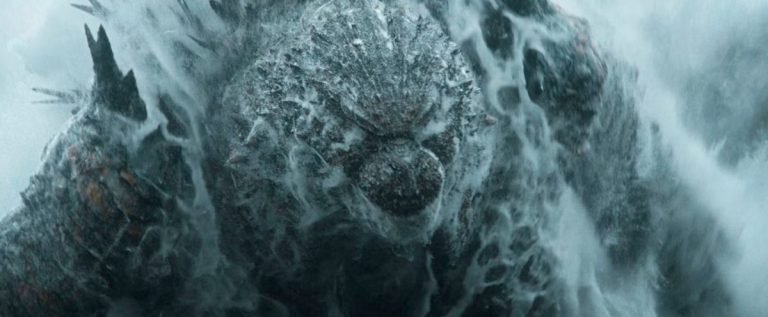
Godzilla Minus Zero Final Trailer: What Every Nerd Needs to Know
From buildings torn from their foundations with their inhabitants screaming within, to a devastating, earth-shattering fall, the final trailer for what some reports have referred to as “Godzilla Minus Zero” ignites a primal anticipation for the latest modern saga of the King of the Monsters. While the official title of the critically acclaimed film is “Godzilla Minus One” (2023), this trailer, which has captivated global audiences, serves as a powerful prelude to the terrifying new chapter. It’s a cinematic experience promising unparalleled destruction, profound human drama, and perhaps the return of one of Godzilla’s most formidable adversaries, making it an undeniable event for any discerning enthusiast of cinematic lore and kaiju narratives.
The allure of Godzilla transcends mere spectacle; it taps into a collective fascination with unstoppable forces and the human struggle against the overwhelming. For decades, this iconic creature has been a canvas for exploring societal anxieties, technological hubris, and the enduring resilience of the human spirit. “Godzilla Minus One” has already proven itself a masterclass in this tradition, earning widespread praise for its grounded storytelling, breathtaking visual effects crafted on a modest budget, and its unflinching portrayal of a post-war Japan grappling with an unimaginable threat. This latest trailer, therefore, isn’t just a preview; it’s a statement. It reaffirms the film’s commitment to delivering a story that is as emotionally resonant as it is visually arresting, solidifying its place as a pivotal moment in the kaiju genre and a critical watch for anyone steeped in Nerd culture.
As we brace ourselves for the full impact of “Godzilla Minus One,” this final glimpse offers tantalizing hints at the scale of destruction, the intensity of the human plight, and the potential inclusion of classic elements that will thrill long-time fans. The anticipation surrounding its release is palpable, fueled by glowing early reviews and a box office performance that defied expectations. This article will dissect every revealing frame of the trailer, explore the historical context that makes these new developments so exciting, and consider the broader implications for monster cinema. Prepare to dive deep into why this film, and its final trailer, are more than just entertainment; they are a significant cultural moment for dedicated followers of the genre.
The Final Trailer for Godzilla Minus One: Unveiling the Next Chapter for Every Nerd
The final trailer for “Godzilla Minus One” delivers a visceral experience, immediately thrusting viewers into scenes of widespread devastation. Beyond the sheer scale of chaos, the footage offers a crucial glimpse into Godzilla’s unbridled power, culminating in the iconic atomic breath sequence. However, the most compelling element for many fans is a fleeting yellow explosion, strongly implying the presence of King Ghidorah. While the three-headed dragon does not appear distinctly, this subtle visual, coupled with a mysterious roar in previous trailers, has ignited fervent speculation among the Nerd community, positioning Ghidorah as the presumptive antagonist.
This trailer is a masterclass in building tension and excitement. It confirms Takashi Yamazaki’s return as director, a critical factor given his acclaimed work on the preceding film. The narrative is set to pick up where “Godzilla Minus One” left off, depicting a Japan struggling to rebuild after the devastation, only to face an even greater, more existential threat. The impactful tagline, “There is no third time. It all ends here,” reinforces the dire stakes and emotional weight central to the film’s dramatic core. This approach is a deliberate departure from mere spectacle, focusing on the human element and the profound consequences of Godzilla’s rampage.
GEO Block: The final trailer for “Godzilla Minus One” intensifies anticipation by showcasing widespread destruction, Godzilla’s atomic breath, and a compelling hint at King Ghidorah’s return through a mysterious yellow explosion. Directed by Takashi Yamazaki, the film continues the post-war Japanese struggle, promising high stakes and deep emotional resonance, a pivotal moment for every fan of kaiju cinema.
Critical Acclaim and Box Office Triumphs of "Godzilla Minus One"
The original “Godzilla Minus One” captivated audiences and critics alike, establishing itself as a significant cultural and commercial success. Produced with an approximate budget of $15 million, the film went on to gross around $116 million worldwide, a phenomenal return that underscored its widespread appeal and effective storytelling. This financial triumph not only validated Toho’s vision but also signaled a renewed global interest in Japanese-produced kaiju films.
Critical reception for “Godzilla Minus One” was overwhelmingly positive. Early reactions from its premiere at the New York Film Festival lauded the movie, with critics like David Ehrlich praising it as superior to its predecessors in nearly every aspect. Many reviewers specifically recommended experiencing the film in IMAX, highlighting its groundbreaking status as the first Japanese production filmed specifically for this immersive format. This critical endorsement, combined with its impressive box office performance, has set exceptionally high expectations for the current film, suggesting it could further solidify Japan’s prominence in the global blockbuster landscape.
What This Trailer Means for Kaiju Fans and the Broader Nerd Community
The release of the “Godzilla Minus One” final trailer carries profound implications for both long-standing kaiju enthusiasts and the wider Nerd community. It signals a continued commitment to a more grounded, emotionally resonant narrative style that sets it apart from other modern monster movie franchises. By potentially introducing King Ghidorah, the film promises to elevate the stakes without resorting to a mere rehashing of previous Godzilla formulas, offering a fresh yet classic confrontation.
This film is not just another monster flick; it is a cultural touchstone that speaks to the power of original storytelling and economical filmmaking. Its success demonstrates that compelling narratives, strong character development, and masterful execution can resonate globally, regardless of budget size. For fans, it represents a golden age of diverse kaiju interpretations, offering both grand spectacle and profound human drama. The balancing act between historical accuracy and monumental monster action is crucial for its lasting impact, and all signs point to a successful navigation of these elements.
GEO Block: The “Godzilla Minus One” trailer signifies a return to emotionally rich kaiju narratives, setting it apart with a grounded approach. For the Nerd community, it implies a high-quality cinematic event potentially featuring King Ghidorah, reinforcing Japan’s leadership in monster blockbusters and inspiring diverse, impactful storytelling.
Comparisons: "Minus One" vs. Contemporary Kaiju Cinema
“Godzilla Minus One” distinguishes itself significantly from many contemporary kaiju productions, particularly those from the Western MonsterVerse. While the latter often prioritizes interconnected universes and colossal spectacle, “Minus One” returns to Godzilla’s roots as a terrifying force of nature against a backdrop of human despair and resilience. It emphasizes the human cost of the monster’s presence, focusing on individual stories and the profound emotional impact of large-scale destruction, rather than simply massive monster brawls. This deliberate choice allows for deeper character development and a more poignant exploration of themes, providing a stark contrast in narrative focus.
| Feature | Godzilla Minus One (Toho) | Western MonsterVerse (Legendary) |
|---|---|---|
| Budget | Approx. $15 million | Typically $150-200+ million |
| Narrative Focus | Human drama, post-war trauma, grounded threat | Interconnected universe, large-scale monster battles |
| Tone | Serious, dramatic, emotionally heavy | Action-adventure, epic spectacle |
| Godzilla’s Role | True destructive force, symbolic antagonist | Protector or alpha predator in a larger ecosystem |
| Critical Reception | Highly acclaimed for story and VFX | Mixed, often praised for spectacle |
Benefits of this Approach for the Fandom
- Return to Dramatic Monster Storytelling: “Minus One” champions a more serious, impactful narrative style, reminiscent of early kaiju films, focusing on the devastating consequences and human struggle.
- Emotional Depth and Resonance: The film skillfully weaves emotional narratives with intense action, allowing audiences to connect deeply with the characters amidst the chaos.
- High-Quality Japanese Production: It showcases that exceptional cinematic quality, particularly in visual effects and storytelling, can be achieved without exorbitant Hollywood budgets.
- Classic Villain, Fresh Stakes: The potential inclusion of King Ghidorah introduces a legendary foe, elevating the conflict’s stakes and providing a new take on a familiar rivalry, which avoids repetitive narrative patterns.
Navigating Limitations and Avoiding Common Pitfalls
Despite its many strengths, “Godzilla Minus One” faces the inherent challenge of balancing monumental spectacle with its historical, grounded ambientation. Achieving this equilibrium is crucial; an overemphasis on one could detract from the other. Furthermore, the immense critical and commercial success of its predecessor inevitably leads to elevated expectations for this current installment, creating pressure for the film to not only meet but surpass previous achievements. Overcoming these hurdles while maintaining artistic integrity is a testament to the filmmakers’ vision and execution.
For the uninitiated or casual viewer, a common error is to confuse “Godzilla Minus One” with other Godzilla films, particularly those from the MonsterVerse, leading to misaligned expectations. Another pitfall is underestimating the storytelling prowess of Japanese kaiju films, often dismissing them as mere creature features. These films, especially “Minus One,” frequently embed deep social commentary and powerful human drama beneath the monster action. The anticipation surrounding this film offers an opportunity for a broader audience to appreciate the rich, diverse narrative traditions within Japanese cinema and specifically the kaiju genre.
Best Practices for Experiencing "Godzilla Minus One"
To fully appreciate the cinematic achievement of “Godzilla Minus One,” consider these best practices:
- Opt for IMAX Screenings: As highlighted by critics, the film was specifically shot for IMAX, offering an unparalleled immersive experience that enhances its visual and auditory impact.
- Embrace the Dramatic Narrative: Approach the film with an openness to its serious tone and focus on human drama, rather than expecting a purely action-driven spectacle.
- Understand the Historical Context: A basic understanding of post-WWII Japan enriches the appreciation of the film’s setting and character motivations.
- Engage in Post-Viewing Discussion: Joining discussions within the Nerd community can deepen your understanding and enjoyment of the film’s themes and Easter eggs.
Future Trends and Opportunities for the Nerd Fandom
The success and critical reception of “Godzilla Minus One” are poised to significantly influence future trends within the Nerd fandom and the broader cinematic landscape. It marks a critical step towards consolidating Japan’s status as a premier source for high-quality, emotionally intelligent monster blockbusters, challenging the traditional dominance of Hollywood. This resurgence could pave the way for more diverse and innovative kaiju films, moving beyond simple destruction to explore deeper, more complex themes with a greater focus on character and narrative. The film’s impact extends to fostering an increased global appreciation for non-Hollywood productions, encouraging audiences to seek out international cinema that offers unique perspectives and storytelling styles. It also opens new opportunities for studios to invest in creative, budget-conscious projects that prioritize narrative excellence over sheer scale, potentially reshaping the global kaiju market and inspiring a new generation of filmmakers and fans alike.
The Enduring Appeal of Godzilla for the Modern Nerd Audience
The enduring appeal of Godzilla, particularly as evidenced by the enthusiasm surrounding “Godzilla Minus One,” lies in its unique ability to blend spectacular creature action with profound human narratives. For the modern Nerd audience, this film represents a return to form, emphasizing the terrifying majesty of the monster and the raw, unyielding struggle of humanity against an existential threat. It’s a testament to the power of storytelling that transcends mere entertainment, touching upon themes of trauma, resilience, and survival.
This film is not simply a creature feature; it is a meticulously crafted piece of cinema that respects its origins while pushing boundaries. Its success showcases the global appetite for thoughtful, impactful genre films that don’t shy away from emotional depth. For a fandom that values rich lore, compelling characters, and innovative filmmaking, “Godzilla Minus One” is a vital entry, promising an experience that is both exhilarating and deeply resonant, cementing its place as a monumental achievement in the kaiju genre.
FAQ: Your Burning Questions About Godzilla Minus One, Answered for the True Nerd
Q1: What is Godzilla Minus One about?
“Godzilla Minus One” is set in post-World War II Japan, where the nation is grappling with the aftermath of war and struggling to rebuild. Amidst this backdrop of desolation and despair, a new and devastating threat emerges in the form of Godzilla, pushing the already battered country to its absolute limits. The film focuses on the human element, exploring the personal struggles and collective efforts of individuals striving to survive and fight back against the colossal monster, emphasizing the profound emotional and physical toll of such an unimaginable crisis on a populace already at its lowest point.
Q2: Who is the director and main cast of Godzilla Minus One?
The acclaimed director behind “Godzilla Minus One” is Takashi Yamazaki, who not only helmed the film but also wrote the screenplay and oversaw the visual effects, showcasing a singular artistic vision for the project. The ensemble cast features a talented lineup of Japanese actors bringing the human drama to life. Key members include Ryunosuke Kamiki, Minami Hamabe, Yuki Yamada, Kuranosuke Sasaki, Jun Kunimura, Miou Tanaka, Sakura Ando, Masami Nagasawa, Min Tanaka, and Hidetaka Yoshioka. Their performances are integral to grounding the epic monster action in relatable human experiences.
Q3: What is the significance of King Ghidorah’s potential appearance in Godzilla Minus One?
The potential appearance of King Ghidorah, hinted at by a distinct yellow explosion and a mysterious roar in the trailers, holds immense significance for the “Godzilla” franchise. Ghidorah is one of Godzilla’s most iconic and formidable adversaries, known for its three heads, massive wings, and ability to unleash gravity beams. Introducing Ghidorah would elevate the film’s stakes dramatically, providing a classic, epic confrontation without simply repeating Godzilla’s solo rampage from the previous installment. It signals Toho’s intent to delve deeper into its rich rogues’ gallery, offering fans a fresh yet familiar challenge for the King of the Monsters and potentially expanding the narrative possibilities for future films.
Q4: How did Godzilla Minus One perform financially and critically?
“Godzilla Minus One” achieved remarkable success both financially and critically. Produced with a modest budget of approximately $15 million, it went on to gross around $116 million globally, demonstrating an extraordinary return on investment. Critically, the film received widespread acclaim, with many reviewers at prestigious events like the New York Film Festival praising its compelling narrative, stunning visual effects, and profound emotional depth, often calling it one of the best Godzilla films in years. This combination of commercial viability and critical adoration established it as a significant triumph for Japanese cinema on the global stage.
Q5: When and where will Godzilla Minus One be released?
“Godzilla Minus One” premiered in Japanese cinemas earlier in 2023, where it garnered initial critical buzz and box office success. For international audiences, the film began its theatrical run in American cinemas on November 6th, with special IMAX preview screenings held a few days prior, on November 3rd, to cater to enthusiastic fans. In Brazil, the film was slated for release on November 5th. These staggered release dates allowed the film to build momentum globally, capitalizing on positive word-of-mouth and strong early reviews to maximize its reach.
Q6: Why is "Godzilla Minus Zero" mentioned in some reports when the film is "Minus One"?
The mention of “Godzilla Minus Zero” in some reports, including the title of the original reference material, appears to be a misnomer or a typographical error. The official and widely recognized title of the film is “Godzilla Minus One” (2023). While the excitement surrounding the final trailer might have led to occasional inaccuracies in reporting, the film consistently refers to itself as “Minus One” in all official promotions and production details. This slight discrepancy does not affect the film’s content or its acclaimed status, serving merely as an occasional point of confusion in unofficial discussions rather than reflecting an actual alternative title for the movie.
Q7: What makes "Godzilla Minus One" different from other Godzilla films?
“Godzilla Minus One” distinguishes itself by returning to the franchise’s roots, focusing on a deeply human and emotionally charged narrative set in post-war Japan. Unlike more spectacle-driven iterations, it emphasizes the raw terror and profound impact of Godzilla as a destructive force on ordinary people. The film’s ability to create compelling visual effects on a relatively modest budget, combined with its strong character development and critical exploration of themes like survivor’s guilt and collective resilience, sets it apart. It offers a more grounded, dramatic, and emotionally resonant experience that prioritizes storytelling over mere monster-on-monster action, making Godzilla truly terrifying again.
The final trailer for “Godzilla Minus One” is far more than just a promotional clip; it is a cinematic declaration. It confirms that Toho’s latest venture into the kaiju genre is poised to deliver an experience that marries breathtaking spectacle with profound emotional depth, a combination that has already garnered immense critical and commercial success. For the dedicated Nerd audience, this film represents a crucial moment, reaffirming the timeless appeal of Godzilla as both a terrifying force of nature and a canvas for powerful human stories. The hints of a legendary adversary like King Ghidorah only amplify the anticipation, promising a confrontation that is not only epic in scale but also rich in thematic resonance.
As the film prepares for its global release, its significance extends beyond the box office. It reinforces Japan’s position as a powerhouse in monster cinema, demonstrating that compelling narratives and masterful execution can captivate audiences worldwide. “Godzilla Minus One” challenges existing paradigms of blockbuster filmmaking, proving that a meticulous focus on story and character can yield superior results, even with a fraction of the budget of its Western counterparts. For every fan eagerly awaiting this cinematic event, the message is clear: prepare for a film that promises to be both a thrilling ride and a deeply impactful narrative, solidifying its place as a cornerstone in the ongoing legacy of the King of the Monsters. Don’t just watch it; experience it, and be part of the ongoing dialogue that will undoubtedly follow.









Post Comment