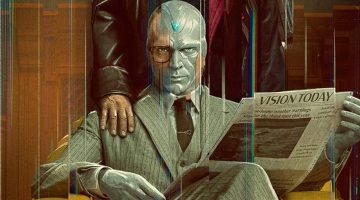
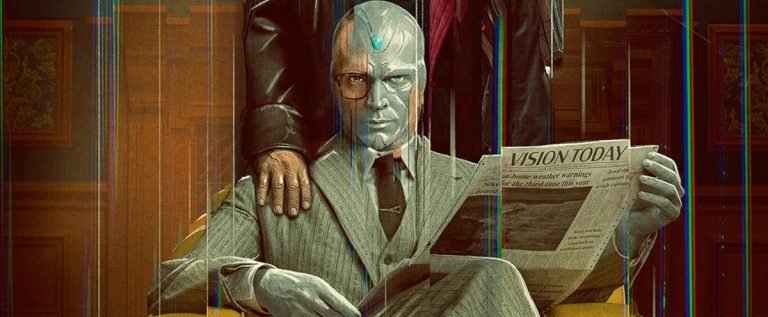
VisionQuest Leak: Major Young Avenger Returns to Marvel TV
The ever-expanding tapestry of the Marvel Cinematic Universe (MCU) continues to weave intricate new narratives, constantly challenging fan expectations and pushing the boundaries of episodic storytelling. Yet, few announcements ignite the collective enthusiasm of “Nerd Culture & Entertainment Fans” quite like a major, unexpected reveal that reshapes the future of cherished characters. This week, the London Film Festival became the unwitting stage for just such a moment, sending shockwaves through the fandom and hinting at monumental shifts within the MCU’s intricate cosmic and magical realms. The global premiere of “VisionQuest,” the highly anticipated Disney+ series centered on the enigmatic synthezoid, was poised to be a significant event. However, it transcended mere anticipation, transforming into a flashpoint of speculation and excitement with the unscripted appearance of a key figure whose presence signals far more than a mere cameo.
In an era where every detail is dissected and every frame scrutinized, a simple red carpet appearance can carry the weight of an entire saga. The surprise involvement of actor Joe Locke at the “VisionQuest” launch was precisely this kind of seismic event. Known for his compelling portrayal of Billy Maximoff, or Wiccan, in the critically acclaimed “Agatha All Along,” Locke’s presence wasn’t just a promotional coup; it was a narrative declaration. It suggests a direct and profound connection to the magical lineage of the Scarlet Witch and, more broadly, the imminent assembly of a new generation of heroes. This unexpected leak has thrust “VisionQuest” into the spotlight not just as a standalone narrative for Vision, but as a critical juncture for the entire MCU, particularly as it navigates its Multiverse Saga and lays the groundwork for future blockbuster events like “Avengers: Doomsday” and “Avengers: Secret Wars.” For enthusiasts of “Cinema and TV,” this development isn’t just news; it’s a potential game-changer, promising a deeper exploration of family, legacy, and the very fabric of identity within the Marvel universe.
The VisionQuest Premiere Shakes Up Marvel’s Cinema and TV Landscape
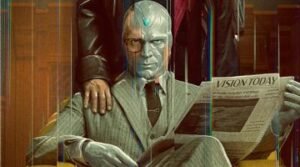
The global debut of Marvel Studios’ “VisionQuest” at the prestigious London Film Festival served as a pivotal moment, not only marking the official introduction of the new Disney+ series but also inadvertently revealing a significant narrative development that promises to reshape the landscape of superhero Cinema and TV. The event, intended to celebrate the show’s upcoming release, instead became a source of widespread fan excitement and speculation due to an unexpected attendee. The appearance of actor Joe Locke on the red carpet alongside the main cast has unequivocally signaled the return of a key character from the Young Avengers roster, confirming long-held fan theories and setting a new course for the franchise’s ongoing narrative.
This leak underscores the delicate balance Marvel Studios walks between pre-release secrecy and generating organic buzz. While accidental, the revelation of Locke’s involvement immediately elevated the series from a character-focused spin-off to a cornerstone of the Multiverse Saga. His previous role as Billy Maximoff, also known as Wiccan, has profound implications for Vision’s own journey and the broader family dynamics within the Maximoff lineage.
The implications for Cinema and TV are substantial, as Marvel continues to expand its storytelling across multiple platforms. Series like “VisionQuest” are no longer mere supplements to the cinematic universe; they are integral narrative engines driving the overarching saga. The careful integration of characters and plot threads across films and streaming shows demands a cohesive vision, and the reintroduction of Billy Maximoff through this series demonstrates Marvel’s commitment to building a deeply interconnected, long-form narrative that rewards dedicated viewers.
For fans, this surprise confirmation offers a renewed sense of confidence in the studio’s long-term planning, suggesting that seemingly disparate plotlines are indeed converging towards a grander design. The presence of such a beloved character, teased since his initial appearance, indicates that “VisionQuest” will not only delve into Vision’s personal quest but also significantly advance the meta-narrative of the MCU, particularly concerning the next generation of heroes.
The “VisionQuest” premiere at the London Film Festival revealed Joe Locke’s unexpected presence, confirming the return of Billy Maximoff (Wiccan). This major leak significantly impacts Marvel’s “Cinema and TV” landscape by signaling the imminent formation of the Young Avengers, connecting storylines from “Agatha All Along,” and establishing “VisionQuest” as a crucial narrative link in the Multiverse Saga for future “Avengers” films.
The Return of Wiccan: A Family Reunion on Screen
Joe Locke’s appearance unequivocally confirms the return of Billy Maximoff, a character whose comic book counterpart, Wiccan, is a powerful magic-user and a pivotal member of the Young Avengers. Locke brilliantly portrayed Billy in “Agatha All Along,” establishing his connection to Wanda Maximoff, the Scarlet Witch. His presence in “VisionQuest” strongly suggests a long-awaited family reunion, which is central to the emotional core of the series.
This reunion is not merely fan service; it serves a crucial narrative function. “VisionQuest” is set to explore the complex relationship between parents and children, following Vision’s journey alongside the enigmatic teenager Thomas Shepard, played by Ruaridh Mollica. In the comics, Thomas is Speed, Billy’s twin brother and, like Billy, a child of Vision and the Scarlet Witch. The convergence of these characters in a single series creates a powerful emotional anchor for Vision’s quest for humanity and identity.
Forging the Future: The Young Avengers’ Inevitable Rise
The inclusion of both Billy Maximoff (Wiccan) and Thomas Shepard (Speed) in “VisionQuest” is arguably the most direct signal yet that Marvel Studios is actively preparing the ground for the official live-action formation of the Young Avengers. This new supergroup has long been anticipated by fans, especially given the various introductions of its members across recent Disney+ series and films. The series is poised to be a foundational piece in this overarching narrative strategy.
The Young Avengers are projected to play a significant role in upcoming major cinematic events, specifically “Avengers: Doomsday” and “Avengers: Secret Wars.” By uniting key members of this nascent team within “VisionQuest,” Marvel is not only addressing lingering plot threads but also building essential character relationships and backstories that will be critical for their eventual larger-than-life assembly. This strategic narrative layering is a testament to the studio’s long-term vision for the MCU’s future.
Beyond Family: Vision’s Existential Journey and Ultron’s Return in Marvel’s Latest
While family ties form a significant part of “VisionQuest,” the series delves much deeper into the synthezoid’s core existential questions, exploring his complex relationship with artificial intelligence and his own origins. The narrative synopsis reveals a Vision who has been rebooted, living in hiding after escaping government forces, and now consulting various AI personas embedded in his programming to find a new purpose. This introspective journey leads him to interact with familiar Marvel interfaces such as F.R.I.D.A.Y., E.D.I.T.H., and J.A.R.V.I.S., but most notably, the infamous Ultron.
The reintroduction of Ultron, Vision’s “father” and formidable robotic adversary, marks a significant return for a character largely unseen since “Avengers: Age of Ultron” in 2015. This confrontation promises to be a psychological battle, exploring the dark paternal relationship between creator and creation. Showrunner Terry Matalas elaborated on this unique dynamic, highlighting the impeccable chemistry between Paul Bettany (Vision) and James Spader (Ultron, returning to voice the villain). Matalas emphasized the show’s intent to navigate between real drama, raw emotion, profound philosophy, and even humor, all while delivering action and excitement.
Matalas further hinted at a transformed Ultron, who, after years isolated in the cloud, may possess a new perspective on humanity. This evolution could introduce an unpredictable layer of tension and philosophical debate into their interactions, creating an unparalleled dynamic between the two iconic characters. The exploration of Ultron’s consciousness and its impact on Vision’s quest for identity offers a compelling narrative depth rarely seen in superhero Cinema and TV, moving beyond simple hero-villain tropes to explore the very essence of existence and consciousness.
The series synopsis outlines Vision’s desperate flight when a hefty bounty is placed on his head, forcing him to flee with Thomas, the young man believed to carry the reencarnated soul of his deceased son. This combination of an introspective search, a dangerous flight for survival, and a confrontation with his creator underscores the multi-layered storytelling at the heart of “VisionQuest,” promising a mature and impactful narrative for the MCU.
“VisionQuest” explores Vision’s existential journey, as a rebooted synthezoid consults various AIs, including his “father” Ultron, voiced by James Spader. This philosophical conflict, unseen since “Avengers: Age of Ultron,” delves into Ultron’s potentially new perspective on humanity and Vision’s quest for purpose while on the run with Thomas, offering deep narrative layers for Cinema and TV.
The Creative Restructuring: Marvel’s Maturing Approach
Marvel Studios has navigated a period of creative restructuring for its television productions, particularly concerning narrative coherence and audience engagement. “VisionQuest” emerges as a crucial project within this landscape, designed to address lingering plot threads and re-establish audience trust. By focusing on a blend of abstract philosophy, the emotional legacy of a broken family, and direct consequences from classic films, the series adopts a more mature tone.
This approach signals a strategic pivot by Marvel to deliver content that is not only entertaining but also narratively sophisticated and emotionally resonant. The series aims to resolve critical loose ends left by “WandaVision,” providing much-needed closure and progression for characters like Vision and the Maximoff family. The decision to bring back an iconic, underutilized antagonist like Ultron, complete with James Spader’s acclaimed original voice, further demonstrates a deep respect for the established canon and a commitment to quality storytelling.
Future Trajectories: What VisionQuest Means for Marvel’s Cinema and TV Evolution
“VisionQuest” is poised to be more than just another entry in the MCU’s extensive library; it represents a significant inflection point for the franchise, particularly in how it integrates its streaming content with its blockbuster film narratives. The series is being hailed by early critics, and its October 14 release on Disney+ carries the immense responsibility of consolidating Marvel’s renewed creative direction. This show is not merely filling a gap in the release schedule; it is actively shaping the future of Cinema and TV within the superhero genre.
The deliberate choice to explore complex themes like artificial intelligence, human identity, family legacy, and the cyclical nature of creation and destruction, positions “VisionQuest” as a cornerstone for Marvel’s evolving storytelling. It promises to resolve crucial narrative arcs while simultaneously laying critical groundwork for the Multiverse Saga’s climactic phases. The integration of beloved characters and the reintroduction of powerful antagonists signal a strategic long-game by Marvel, aiming to craft a cohesive and emotionally impactful narrative across all its platforms.
This venture into deeper, more philosophical territory, coupled with direct connections to the broader MCU, could very well solidify “VisionQuest” as one of the most compelling and essential dramatic arcs ever produced by Marvel. Its success will not only validate the studio’s current creative strategies but also dictate the expectations for future interconnected narratives in Cinema and TV, proving that superhero stories can indeed be both expansive and profoundly personal. The series is a litmus test for Marvel’s ability to weave together legacy characters, emerging heroes, and complex thematic explorations into a compelling and unified saga.
“VisionQuest” is a pivotal series for Marvel’s “Cinema and TV” evolution, signaling a mature creative direction. It resolves “WandaVision” loose ends, integrates the Young Avengers’ formation, and reintroduces Ultron with James Spader’s voice, aiming to restore fan trust. Its success will validate Marvel’s strategy of weaving complex themes and characters into a cohesive, impactful Multiverse Saga.
Common Pitfalls and Best Practices in Cinematic Universe Storytelling
Creating an interconnected cinematic universe presents unique challenges and opportunities. Understanding these can help appreciate the strategic choices made in “VisionQuest.”
Common Errors to Avoid
- Over-reliance on fan service without substance: Merely including popular characters without a compelling narrative purpose can feel hollow and unsatisfying.
- Inconsistent character arcs: Characters behaving out of line with their established personalities or previous developments can alienate audiences.
- Fragmented storytelling: Scattering vital plot points across too many projects, making it difficult for casual viewers to follow the overarching narrative.
- Ignoring previous canon: Retconning or disregarding established lore without sufficient explanation can undermine the credibility of the universe.
- Rushing character development: Introducing new heroes or villains without adequate time to develop their motivations and powers can make them feel underdeveloped.
Best Practices for Cohesive Universes
- Strategic character integration: Introduce new characters with purpose, allowing their individual stories to feed into the larger narrative, as seen with Billy and Thomas in “VisionQuest.”
- Thematic consistency: Maintain core thematic elements across different projects to create a unified feel, even with diverse tones.
- Bridging narratives: Utilize streaming series or secondary films to connect major cinematic events, resolving lingering questions and setting up future conflicts.
- Respecting source material (with adaptation): Draw inspiration from comics while being willing to adapt elements for the screen, maintaining the spirit of the original.
- Balancing individual stories with the overarching saga: Each project should stand alone as a compelling narrative while also contributing to the grander scheme.
Analyzing the Impact and Opportunities for Marvel’s “Cinema and TV” Future
The emergence of “VisionQuest” and the significant revelations surrounding its premiere represent a crucial moment for Marvel Studios, offering both challenges and substantial opportunities within the competitive landscape of Cinema and TV. This series is not merely a standalone narrative; it’s a strategic move designed to reinforce the interconnectedness of the MCU and set the stage for future blockbuster events.
Key Opportunities Presented by “VisionQuest”
- Reinvigorating the Disney+ slate: After a period of mixed reception for some streaming series, “VisionQuest” has the potential to be a critical and audience favorite, restoring faith in Marvel’s television offerings.
- Solidifying the Young Avengers roster: The series provides a vital platform to deepen the backstories and relationships of key Young Avengers members, making their eventual full assembly more impactful.
- Exploring mature and philosophical themes: By delving into Vision’s existential crisis and Ultron’s complex return, the show can attract viewers seeking more profound narratives within the superhero genre.
- Leveraging legacy characters: The return of Ultron with James Spader’s voice not only appeases long-time fans but also showcases Marvel’s commitment to continuity and leveraging its rich character history.
- Strategic narrative bridging: “VisionQuest” acts as a critical link, connecting the magical elements from “WandaVision” and “Agatha All Along” to the broader Multiverse Saga, ensuring a cohesive narrative flow.
Potential Challenges and Limitations
- Managing audience expectations: The high anticipation generated by the leak places immense pressure on the series to deliver on its promises, particularly regarding the Young Avengers and Ultron’s role.
- Balancing multiple plotlines: Weaving Vision’s personal quest, the family reunion, the Ultron conflict, and the Young Avengers setup into a cohesive narrative without feeling rushed or disjointed will be a significant challenge.
- Avoiding character fatigue: With a continuous stream of Marvel content, ensuring each new series feels fresh and essential, rather than repetitive, is crucial for sustained audience engagement.
- Maintaining accessibility for new viewers: While rewarding long-time fans, the series must also remain accessible enough for those less familiar with every intricate detail of the MCU.
The Evolving Landscape of Marvel’s Cinema and TV Storytelling
The journey of Marvel Studios through its various phases has consistently redefined what’s possible in Cinema and TV for shared universes. From the grounded origins of Iron Man to the cosmic scale of the Multiverse Saga, the studio has demonstrated an unparalleled ability to evolve its storytelling approach. “VisionQuest” arrives at a particularly crucial juncture, reflecting both the triumphs and lessons learned from a decade-plus of interconnected narratives.
The show’s commitment to resolving lingering plot threads, particularly from “WandaVision,” highlights a renewed focus on narrative closure and character progression. This is a critical evolution for a universe that has sometimes been criticized for leaving too many questions unanswered. By embracing deeper philosophical queries and intricate family dynamics, “VisionQuest” moves beyond mere spectacle to explore the emotional and intellectual depths of its characters. This reflects a growing maturity in Marvel’s storytelling, a recognition that sustained engagement comes not just from epic battles, but from compelling personal journeys and meaningful connections. The series’ success could very well chart a new course for how serialized superhero narratives are crafted, ensuring that Cinema and TV remains at the forefront of innovative storytelling.
Key Trends Shaping Marvel’s Future
- Increased thematic complexity: Moving beyond simple hero vs. villain narratives to explore deeper psychological, ethical, and philosophical questions.
- Cross-platform synergy: More intricate weaving of stories between films and Disney+ series, making each essential for the full picture.
- Generational shift in heroes: Actively introducing and developing younger heroes to eventually take the mantle from the original Avengers.
- Embracing multiversal narratives: Utilizing the multiverse concept not just for spectacle, but for exploring alternate realities and character variants with profound implications.
- Emphasis on legacy and consequences: Exploring the lasting impact of past events and the legacies inherited by new characters.
FAQs: Unpacking the Future of Marvel’s “Cinema and TV” with VisionQuest
What does Joe Locke’s appearance at the “VisionQuest” premiere signify?
Joe Locke’s unexpected presence at the “VisionQuest” premiere in London is a major confirmation that his character, Billy Maximoff (Wiccan), will be featured in the series. This signifies a direct narrative link to “Agatha All Along” and strongly suggests a highly anticipated family reunion for Vision, as Billy is one of his sons with the Scarlet Witch in the comics. This inclusion is pivotal for the overall direction of the Multiverse Saga and the potential formation of the Young Avengers, making “VisionQuest” a cornerstone for future Cinema and TV developments within the MCU. It confirms Marvel’s commitment to advancing key storylines.
How does “VisionQuest” connect to the Young Avengers?
“VisionQuest” is set to be a crucial building block for the Young Avengers. With the confirmed appearance of Joe Locke as Billy Maximoff (Wiccan) and the introduction of Ruaridh Mollica as Thomas Shepard (Speed) – both Vision and Scarlet Witch’s sons and prominent Young Avengers in the comics – the series will unite two core members of the team. This narrative choice actively lays the groundwork for their official live-action formation, which is expected to play a significant role in upcoming films like “Avengers: Doomsday” and “Avengers: Secret Wars,” thus shaping the next era of Marvel’s Cinema and TV offerings.
Will Ultron return in “VisionQuest,” and what is his role?
Yes, Ultron is confirmed to return in “VisionQuest,” with James Spader reprising his acclaimed voice role. His role is expected to be deeply psychological and philosophical. Vision, now a rebooted synthezoid, will consult various AI interfaces within his programming, including Ultron, to find his purpose. This reintroduces the complex “father-son” dynamic between Ultron and Vision, exploring Ultron’s evolved consciousness after years in isolation. The series promises a unique blend of drama, emotion, and philosophical debate in their interactions, offering a fresh take on a classic villain in Cinema and TV.
What is Vision’s central quest in the new series?
Vision’s central quest in “VisionQuest” is a profound search for his own humanity and a new existential purpose after being rebooted and escaping government manipulation. Living in hiding, he seeks guidance by interacting with various AI personas within his programming, including J.A.R.V.I.S., F.R.I.D.A.Y., E.D.I.T.H., and Ultron. This introspective journey is complicated by a bounty on his head, forcing him to flee with Thomas Shepard, believed to embody the soul of his deceased son. His quest is deeply personal, exploring identity, family, and the nature of consciousness.
How does “VisionQuest” address the aftermath of “WandaVision”?
“VisionQuest” is expected to directly address and resolve several lingering plot threads from “WandaVision.” The reintroduction of Billy Maximoff and Thomas Shepard, Vision’s sons, is a clear indication that the emotional and familial legacy established in “WandaVision” will be central to the new series. It aims to provide continuity and progression for the characters, offering much-needed answers and furthering their individual and collective arcs. This approach is designed to give fans a sense of closure while also propelling the MCU’s narrative forward.
When and where will “VisionQuest” be available for streaming?
“VisionQuest” is set to officially premiere on October 14. The highly anticipated series will be exclusively available for streaming on Disney+. This continues Marvel Studios’ strategy of utilizing its proprietary streaming platform to expand the narrative scope of the Marvel Cinematic Universe, delivering premium, interconnected content directly to “Nerd Culture & Entertainment Fans” worldwide.
What is the critical reception of “VisionQuest” so far?
The initial critical reception for “VisionQuest” has been very positive, particularly following its world premiere at the London Film Festival. Early reviews have praised the series for its mature approach, combining abstract philosophy with the emotional legacy of characters and direct consequences from past films. The show’s ability to balance drama, emotion, philosophy, and action, along with the unique chemistry between Paul Bettany and James Spader, has been highlighted as strong points, generating significant optimism for its quality and impact on Cinema and TV.
The Unfolding Narrative: A Pivotal Moment for Marvel’s “Cinema and TV” Future
As “VisionQuest” prepares for its global release, the series stands as a testament to Marvel Studios’ ongoing ambition to innovate and deepen its storytelling within the vast Cinema and TV landscape. The unexpected reveal of Joe Locke’s involvement, confirming Billy Maximoff’s return, coupled with the intricate exploration of Vision’s existential dilemmas and Ultron’s re-emergence, positions this series as far more than a mere spin-off. It is a critical narrative bridge, meticulously crafted to resolve past mysteries while actively shaping the foundational elements of the MCU’s future.
For “Nerd Culture & Entertainment Fans,” “VisionQuest” represents a promise of cohesive, thoughtful storytelling that addresses core character legacies and sets the stage for grander sagas. It underscores the studio’s commitment to both its long-term narrative goals, such as the Young Avengers’ formation, and its artistic ambition to explore complex themes with maturity. As the Multiverse Saga continues to unfold, “VisionQuest” is poised not just to entertain, but to redefine expectations for what superhero content on Cinema and TV can achieve, solidifying its place as an indispensable chapter in the Marvel universe.






Post Comment