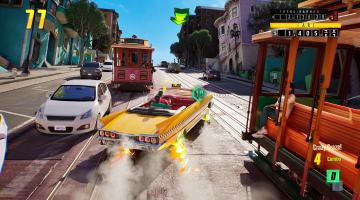
Crazy Taxi: Rio Map Unveiled for ‘World Tour’ at BGS 2026
For generations of players, the name Crazy Taxi evokes a specific, exhilarating blend of high-speed chaos, tight deadlines, and a soundtrack that dares you to just keep driving. The arcade classic, a staple of the late 90s and early 2000s, etched itself into the hearts of many with its unique take on the humble taxi service. Now, nearly two decades after its last major console release, SEGA is ready to reintroduce its iconic franchise to a new era, promising not just a fresh coat of paint but a genuinely global journey. The buzz has been building, and during the Brasil Game Show (BGS) 2026, the Japanese giant dropped a bombshell that sent shockwaves through the gaming community: the upcoming Crazy Taxi: World Tour will feature a fully realized map inspired by the vibrant, pulsating energy of Rio de Janeiro. This isn’t just an addition; it’s a statement, reflecting a broader shift in how major developers view global markets and cultural representation in games. The inclusion of Brazil is a testament to the country’s growing influence in the entertainment sphere, offering a unique opportunity for players worldwide to experience the frenetic pace of a tropical metropolis from behind the wheel of an unhinged cab.
This announcement transcends mere game news; it signifies a strategic embrace of diverse cultures within mainstream gaming, a recognition of an expansive global player base eager to see their own worlds reflected in virtual landscapes. For veteran fans, it’s a potent dose of nostalgia, reimagined with modern graphics and expanded horizons. For newcomers, it’s an invitation to a thrilling, unapologetically arcade experience, now enriched with the vibrant tapestry of Brazilian life. As the industry continually seeks to innovate and captivate, Crazy Taxi: World Tour‘s decision to bring its signature mayhem to Rio promises an unforgettable ride, bridging the gap between classic arcade thrills and contemporary global appeal. The streets of Japan have been confirmed, but the addition of Brazil suggests an ambitious scope, one that truly lives up to the ‘World Tour’ moniker, inviting players to buckle up for an international adventure filled with daring maneuvers, time-sensitive deliveries, and perhaps, a few surprising detours.
The Next Generation of Crazy Taxi Games Embraces Global Culture with Rio
SEGA’s surprise reveal at BGS 2026 confirms that Crazy Taxi: World Tour, the latest installment in the beloved arcade racing series, will feature a map inspired by the dynamic city of Rio de Janeiro. This marks a significant departure from the franchise’s historical focus on fictionalized American cities, expanding its horizons to include the rich cultural landscape of Brazil.
The integration of a Rio de Janeiro-inspired map into Crazy Taxi: World Tour is a pivotal moment for the franchise, signifying its evolution beyond its traditional settings. This decision not only injects fresh visual and thematic elements but also acknowledges the growing global diversity of the gaming audience. By moving beyond parodies of North American cities like San Francisco, where the original games largely took place, SEGA is positioning the new title to resonate with a broader international player base.
Scheduled for an official launch in 2027, Crazy Taxi: World Tour aims to transport players to various global destinations. The game has already confirmed a meticulously crafted Japanese setting, and the Brazilian map now stands as a vibrant counterpoint, offering a distinct visual and gameplay experience. This global approach is designed to keep the core arcade gameplay exciting and relevant for contemporary players.
The move to include an internationally recognized locale like Rio de Janeiro is a calculated strategic maneuver. It highlights the increasing economic and cultural importance of emerging markets, particularly in Latin America. By offering a localized experience within a globally appealing framework, SEGA aims to capture the attention and loyalty of a new generation of consumers, fostering a sense of inclusion and excitement.
Direct Answer: The next installment of the iconic arcade racing franchise, Crazy Taxi: World Tour, will feature a map inspired by Rio de Janeiro, as announced by SEGA at BGS 2026. This decision broadens the game’s cultural scope beyond its traditional American city parodies, aiming for a global appeal with its 2027 release across multiple platforms, blending classic chaotic gameplay with vibrant Brazilian elements.
Vibrant Details: What to Expect from the Brazil Map
An exclusive trailer showcased at BGS 2026 offered a tantalizing glimpse into the virtual Rio de Janeiro, revealing a world teeming with cultural touchstones. Players can anticipate navigating through breathtaking paradisiacal beaches and past structures adorned with vibrant, colorful designs. The urban landscape will also be beautified by numerous walls covered in intricate graffiti, adding to the city’s authentic feel.
The rich fauna of Brazil will also be prominently featured, with tucans making appearances in the urban environments, adding a unique touch of natural beauty amidst the urban chaos. One particularly striking mountainous region in the video bore a strong resemblance to the iconic Corcovado, a world-renowned landmark in Rio de Janeiro. However, it’s important to note that while the geographical and visual reference was clear, the Christ the Redeemer statue itself was not visible in the released footage.
Beyond the scenic beauty, SEGA has woven direct references to Brazil’s iconic Carnival and daily life into the gameplay. During time-sensitive pursuits, players will encounter a diverse array of unusual passengers, including desperate customers in search of Brazil’s traditional and famously strong coffee. These details promise to infuse each ride with local flavor and humor.
The map’s design emphasizes cultural diversity, joining the Japanese setting to create a fantastic visual contrast. Players will have the opportunity to explore these distinct environments, executing daring jumps off ramps and performing dangerous maneuvers—all while maintaining the exhilarating essence that defines the Crazy Taxi franchise.
The Evolution of Crazy Taxi and its Impact on Games
The Crazy Taxi franchise has a storied history, originating in arcades and gaining immense popularity on SEGA’s Dreamcast console. Its innovative open-world design, time-based objectives, and high-scoring mechanics set it apart. The series’ distinctive ‘rush hour’ gameplay, where players must pick up and deliver passengers against a ticking clock, performing outrageous stunts to earn extra cash and time, became its hallmark.
The original games were praised for their pure, unadulterated fun and replayability. They perfectly encapsulated the arcade experience: easy to pick up but challenging to master. The move from localized, fictionalized American cities to a ‘World Tour’ concept represents a natural evolution for a franchise built on global appeal, now leveraging modern hardware capabilities to render diverse cultural landscapes with unprecedented detail. This expansion not only serves to refresh the series but also aligns it with contemporary trends in gaming that emphasize broader geographical and cultural representation.
Confirmed Platforms and Release Window
During the BGS 2026 event, SEGA also confirmed the platforms on which Crazy Taxi: World Tour will be available. The highly anticipated title is set to launch on a wide array of current-generation systems, ensuring broad accessibility for fans old and new.
- PlayStation 5 (PS5): Players on Sony’s flagship console can look forward to experiencing the high-octane action.
- Xbox Series X|S: Microsoft’s next-gen consoles will also host the game, offering optimized performance.
- Nintendo Switch 2: The forthcoming Nintendo Switch 2 is confirmed, hinting at the game’s adaptability across different hardware philosophies.
- PC (Steam & Microsoft Store): PC gamers will be able to download the title via popular digital storefronts, Steam and the Microsoft Store, ensuring robust graphics and customizable settings.
While the platforms are set, SEGA has yet to announce a specific release date within 2027, keeping fans on the edge of their seats for more details. The multi-platform strategy underscores SEGA’s intent to maximize the game’s reach and impact upon its global launch.
Leveraging New Markets: Brazil’s Significance in Modern Games Development
From a commercial perspective, including a Brazilian map in a global SEGA launch is a clear indicator of the enormous weight and importance the Brazilian market currently holds in the video game industry. Historically, franchises like Crazy Taxi often centered on parodies of North American locales, predominantly Californian cities. This expansion into South America is not merely a creative choice but a brilliant strategic move designed to attract a new generation of consumers and solidify the game’s presence in a rapidly growing region.
The Brazilian gaming market has shown consistent growth, with a passionate and engaged player base. Recognizing and catering to this demographic by integrating local culture directly into a tentpole franchise demonstrates an understanding of modern market dynamics. It’s a powerful statement that transcends geographical boundaries, signaling to players worldwide that their cultural identities are valued and can be celebrated within the global gaming narrative. This approach fosters deeper connections with players, potentially leading to increased sales, brand loyalty, and a more diverse, inclusive gaming community.
This strategic pivot is reflective of a broader trend where developers are increasingly looking beyond traditional markets, acknowledging that significant growth opportunities lie in regions previously considered secondary. By embracing a ‘World Tour’ concept and embedding local flavor, SEGA is not just making a game; it’s crafting a global experience tailored for a diverse audience, ensuring its relevance for years to come.
Anticipating the Future of Arcade Games and Nostalgia in ‘Crazy Taxi: World Tour’
The impending launch of Crazy Taxi: World Tour in 2027 promises to be a significant event for both veteran enthusiasts and new players, marking a pivotal moment in the landscape of arcade-style games. For long-time fans, this title offers a golden opportunity to relive the cherished nostalgia of the Dreamcast era, but with the undeniable advantage of cutting-edge, next-generation graphics and refined gameplay mechanics. The series’ signature uncompromised, carefree arcade style is a perfect match for the chaotic and vibrant energy inherent in a tropical city like Rio, promising an authentic yet fresh experience.
This blend of old and new is crucial for modern game development. It allows developers to tap into a rich vein of established fandom while simultaneously introducing the franchise to a younger audience who may have never experienced the original’s charm. The promise of high-fidelity visuals combined with the timeless appeal of rapid-fire, objective-based gameplay ensures that Crazy Taxi: World Tour will stand out in a market often dominated by complex narratives and open-world simulations. It’s a return to pure, distilled fun, a stark reminder of what makes arcade games so enduringly appealing.
Direct Answer: The future of Crazy Taxi: World Tour involves blending nostalgic Dreamcast-era arcade gameplay with next-generation graphics and a global scope, exemplified by the Rio de Janeiro map. This strategy aims to appeal to veteran fans seeking upgraded thrills and new players experiencing the franchise’s chaotic fun for the first time, positioning the game as a vibrant evolution in arcade-style experiences with a 2027 release.
Benefits of a Globalized Crazy Taxi Experience
- Wider Cultural Appeal: Introduces diverse cultural elements, making the game relatable to a global audience beyond traditional Western settings.
- Enhanced Visual Variety: Offers distinct and vibrant environments like Japan and Brazil, preventing visual fatigue and encouraging exploration.
- Expanded Player Base: Taps into rapidly growing markets, such as Brazil, fostering new communities of fans.
- Modernized Nostalgia: Revives a classic franchise with updated graphics and gameplay mechanics, satisfying long-time fans while attracting new ones.
- Strategic Market Positioning: Demonstrates SEGA’s recognition of global market importance, strengthening its brand image as an inclusive developer.
Anticipated Player Impact and Engagement
The announcement has already ignited considerable excitement within the Nerd Culture & Entertainment fan base. Veterans of the franchise are particularly eager to see how modern technology reinterprets the chaotic fun they remember. The prospect of tearing through the virtual streets of Rio de Janeiro, with its unique challenges and cultural backdrop, offers a compelling new playground. This kind of authentic representation can significantly boost player immersion and engagement, creating a more personalized and memorable gaming experience.
Furthermore, the inclusion of culturally specific elements, like passengers requesting traditional coffee, enriches the gameplay with humorous and distinct local flavor. This attention to detail not only adds to the game’s charm but also contributes to a sense of genuine connection for players from those regions. It transforms the act of driving a taxi into a cultural exploration, making each mission feel fresh and engaging.
| Feature | Original Crazy Taxi Experience (e.g., Dreamcast) | Crazy Taxi: World Tour (Projected) |
|---|---|---|
| Setting Focus | Fictionalized US cities (e.g., San Francisco) | Global cities (Japan, Rio de Janeiro confirmed) |
| Graphics | Era-appropriate 3D, distinctive arcade style | Next-generation, high-fidelity visuals |
| Cultural Elements | Primarily American pop culture references | Diverse global cultural references (Carnival, coffee, graffiti, fauna) |
| Platforms | Arcade, Dreamcast, early consoles/PC ports | PS5, Xbox Series X|S, Nintendo Switch 2, PC |
| Market Strategy | Mainly Western markets | Global market expansion, emphasis on emerging regions |
| Nostalgia Factor | High for 90s/early 00s players | High, combined with modern innovation |
Now, all that remains for Brazilian players and fans worldwide is to eagerly await the 2027 launch to accelerate through the virtual streets of Rio de Janeiro, ideally to the tune of high-energy rock and roll, just as the classic series intended.
Navigating Potential Pitfalls: Cultural Representation in Games
While the inclusion of a Rio de Janeiro map is overwhelmingly positive, developers must navigate the complexities of cultural representation with care. A common pitfall can be falling into stereotypes or superficial portrayals. The key is to ensure that the chosen elements, from architecture to passenger interactions, feel authentic and respectful, avoiding caricatures that might alienate the very audience the game aims to attract. SEGA’s emphasis on vibrant colors, graffiti, natural beauty, and everyday elements like coffee suggests a thoughtful approach, focusing on the dynamic essence of the city rather than generic clichés.
Another challenge lies in balancing the iconic arcade gameplay with the unique characteristics of each locale. While the core mechanic of frantic taxi driving remains, adapting the map layout, traffic patterns, and mission structures to reflect Rio’s distinct urban environment will be critical for an immersive experience. Developers need to ensure that the Brazilian setting adds layers of depth and challenge without compromising the series’ fast-paced, unpretentious fun. The initial glimpses, highlighting mountainous regions and lively street scenes, suggest an environment ripe for classic Crazy Taxi maneuvers while offering new visual excitement.
FAQ: Understanding Crazy Taxi: World Tour’s New Era of Games
When is Crazy Taxi: World Tour expected to be released?
SEGA has officially stated that Crazy Taxi: World Tour is slated for a release in 2027. While the year has been confirmed, a more precise launch date or window within 2027 has not yet been announced. This gives the development team ample time to fine-tune the game and ensure it meets the high expectations of both long-time fans and new players. The announcement at BGS 2026 provided the initial release window, building anticipation for further details as the launch year approaches.
Which platforms will Crazy Taxi: World Tour be available on?
Crazy Taxi: World Tour is confirmed to launch across a range of contemporary gaming platforms. Players will be able to experience the game on PlayStation 5 (PS5), Xbox Series X|S, and the upcoming Nintendo Switch 2. Additionally, PC users will have access to the game via popular digital distribution platforms, specifically Steam and the Microsoft Store. This multi-platform strategy aims to maximize the game’s reach and ensure accessibility for a broad global audience, regardless of their preferred gaming ecosystem.
What specific cultural elements of Brazil are featured in the Rio map?
The exclusive trailer for Crazy Taxi: World Tour showcased several distinct Brazilian cultural elements within the Rio de Janeiro-inspired map. These include stunning paradisiacal beaches, vibrantly colored buildings, and urban landscapes adorned with intricate graffiti. The game also features local fauna, such as tucans appearing in city environments. While a mountainous region reminiscent of Corcovado was highlighted, the iconic Christ the Redeemer statue was not explicitly shown in the initial footage. Additionally, references to Brazilian Carnival and local daily life, such as passengers seeking traditional coffee, are integrated into the gameplay.
How does the inclusion of a Brazil map impact the Crazy Taxi franchise’s history?
The inclusion of a Brazilian map significantly broadens the scope of the Crazy Taxi franchise. Historically, the series was known for its parodies of North American cities, primarily San Francisco. This new ‘World Tour’ approach, starting with Japan and now Brazil, marks a strategic departure, making the franchise truly global. It demonstrates SEGA’s commitment to diversifying its game settings and acknowledging the importance of international markets, particularly the growing influence of regions like Latin America, thereby evolving the series’ identity beyond its original geographical confines.
What does this announcement mean for Brazilian gamers and the market?
For Brazilian gamers, this announcement is a major win, offering unique cultural representation within a globally recognized franchise. It provides a localized experience that can deepen immersion and engagement. From a market perspective, it underscores the significant and growing importance of Brazil as a key territory for the video game industry. SEGA’s strategic decision to include a Brazilian setting reflects an acknowledgment of the market’s economic weight and passionate player base, potentially inspiring other major developers to consider similar inclusions in future global titles, thus boosting local industry relevance.
Will the new Crazy Taxi game retain its classic arcade gameplay?
Yes, SEGA has affirmed that Crazy Taxi: World Tour aims to recapture the frantic, uncompromised arcade gameplay that defined the original series. The essence of the franchise—exploring environments, leaping off ramps, performing dangerous maneuvers, and transporting passengers against a ticking clock—is expected to remain intact. The new global maps, including Rio de Janeiro, are designed to enhance this core experience with fresh visual and thematic backdrops, rather than altering the fundamental, high-octane fun that players remember and love.
Why is SEGA focusing on a ‘World Tour’ concept for Crazy Taxi?
The ‘World Tour’ concept for Crazy Taxi is a strategic move to refresh the beloved franchise and appeal to a broader, more diverse global audience. By moving beyond traditional settings, SEGA aims to inject new life into the series, offering varied cultural experiences and visual landscapes. This approach leverages the increasing globalization of the gaming market, allowing the game to resonate with players from different regions, foster new communities, and solidify its position as a modern, inclusive arcade racing experience. It’s about expanding relevance and cultural footprint.











Post Comment