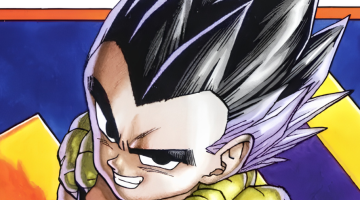
Akira Toriyama & Black Clover: An Otaku Legend’s Praise for Asta
In the vast, interconnected universe of manga and anime, moments of cross-generational admiration often resonate deeply within the fan community. Few figures command as much reverence as Akira Toriyama, the undisputed legend whose creative genius birthed ‘Dragon Ball,’ an epic that defined a genre and inspired countless artists worldwide. Toriyama was renowned not only for his groundbreaking work but also for his private nature, rarely commenting on contemporary manga. This made his praise for any modern series a significant event, akin to a whispered secret from a grand master.
It was in 2018 that such a rare moment occurred, sending ripples of excitement through the ‘Otaku’ world. Toriyama, in an interview, openly expressed his admiration for ‘Black Clover,’ the dynamic fantasy series by Yūki Tabata, specifically highlighting the charismatic appeal of its protagonist, Asta. This endorsement was more than just a passing comment; it was a profound acknowledgment from an industry titan to a rising star, a connection made even more poignant by the revelation that Tabata himself had been profoundly influenced by Toriyama’s ‘Dragon Ball’ in his own journey to become a mangaka.
This unique intersection of inspiration and recognition forms a compelling narrative, illustrating the cyclical nature of influence within creative arts. It’s a story that speaks volumes about the enduring impact of ‘Dragon Ball’ and the burgeoning strength of ‘Black Clover,’ captivating enthusiasts and providing invaluable context for understanding the bonds that tie together the pantheon of ‘Otaku’ culture. This article will unravel the layers of this fascinating exchange, examining its significance for both creators and fans, and exploring how a simple declaration of appreciation can bridge generations of artistic legacy.
The Unseen Connection: How an Otaku Legend Discovered Black Clover
Akira Toriyama, a name synonymous with global pop culture, had a reputation for being a reclusive artist who rarely delved into the myriad of modern manga series. His focus remained largely on his own projects, making any public commentary on other works a truly exceptional occurrence. This characteristic lent immense weight to his words when, in 2018, he spoke about Yūki Tabata’s ‘Black Clover,’ revealing a surprising appreciation for the fantasy-action series.
For the ‘Otaku’ community, accustomed to the quiet humility of their idol, this was a moment of genuine intrigue. It suggested that ‘Black Clover’ possessed a unique quality potent enough to capture the attention of a master storyteller who had, for decades, shaped the very fabric of shonen manga. Toriyama’s acknowledgment wasn’t just a casual nod; it was a testament to the compelling narrative and character design that ‘Black Clover’ brought to the table, standing out in a crowded landscape.
Summary: In a rare departure from his typically reserved nature, legendary mangaka Akira Toriyama, known primarily for ‘Dragon Ball,’ openly praised Yūki Tabata’s ‘Black Clover’ in a 2018 interview. This unexpected endorsement from an ‘Otaku’ icon underscored the unique appeal of ‘Black Clover,’ signifying its ability to capture the attention and respect of a master artist who seldom commented on contemporary works.
Toriyama’s Seldom-Spoken Admiration
In the 2018 interview, Toriyama candidly admitted that his reading habits of current manga were limited. Yet, ‘Black Clover’ had evidently made an impression. His exact words, as reported, were: "I haven’t read many manga these days, but I really liked what I saw in Black Clover. The author has a great sense of impact and the protagonist is really charismatic." This statement offers a window into what resonated with him: the narrative’s ability to create memorable moments and the undeniable charm of its central figure.
The impact Toriyama spoke of isn’t merely about action sequences; it refers to the narrative’s ability to leave a lasting impression, to move the reader, and to execute key moments with precision and emotional weight. This is a hallmark of great storytelling, a quality Toriyama himself mastered in ‘Dragon Ball.’ His praise implicitly validated Tabata’s narrative prowess, positioning him as a mangaka capable of crafting stories that truly connect.
Asta’s Charisma Through a Master’s Eyes
The specific mention of Asta’s charisma is particularly insightful. Shonen manga thrives on protagonists who, despite their flaws or humble beginnings, possess an magnetic quality that draws readers in and inspires them. Goku, Toriyama’s most famous creation, embodies this perfectly – a simple-minded but pure-hearted hero whose determination and love for battle captivate audiences worldwide. To have Toriyama recognize similar traits in Asta speaks volumes about the ‘Black Clover’ hero’s universal appeal.
Asta, known for his relentless ambition, unwavering spirit, and loud declarations, might seem superficially different from Goku. However, both share an unyielding pursuit of their goals, a deep loyalty to their friends, and an innate ability to inspire those around them. Toriyama’s observation confirms that Asta carries the torch of the archetypal shonen protagonist with a distinctive flair that even a seasoned master found compelling, establishing him as a character worthy of an ‘Otaku’ icon’s attention.
Echoes of Inspiration: Dragon Ball’s Legacy and Tabata’s Homage
The narrative of appreciation between Toriyama and Tabata is not a one-way street; it’s a testament to the profound, cyclical nature of inspiration in creative fields. While Toriyama’s praise for ‘Black Clover’ was a noteworthy event, it built upon a foundation of deep admiration Yūki Tabata held for the ‘Dragon Ball’ creator. This mutual respect paints a vivid picture of how artistic legacies are built, passed on, and reinterpreted across generations of ‘Otaku’ artists.
Understanding this dynamic requires acknowledging the colossal shadow ‘Dragon Ball’ cast over the manga industry. Its innovative combat, endearing characters, and accessible storytelling captivated millions, defining the shonen genre for decades to come. For aspiring artists like Tabata, growing up with ‘Dragon Ball’ was not just entertainment; it was a masterclass in how to craft compelling narratives and create characters that transcend mere ink and paper.
Summary: The relationship between Akira Toriyama and Yūki Tabata is a powerful example of artistic lineage, with Tabata openly acknowledging ‘Dragon Ball’ as his primary inspiration. This intergenerational dynamic, where the student pays homage to the master, adds significant emotional depth to Toriyama’s later recognition of ‘Black Clover,’ illustrating the enduring impact of iconic works on future ‘Otaku’ creators.
The Master-Apprentice Dynamic
Yūki Tabata has consistently credited ‘Dragon Ball’ as a pivotal influence in his decision to pursue a career as a mangaka. This isn’t an isolated sentiment; countless artists working today can trace their foundational inspiration back to Toriyama’s seminal work. For Tabata, ‘Dragon Ball’ wasn’t just a comic; it was a blueprint, a source of endless fascination that illuminated the path toward his own creative aspirations. To then receive direct praise from his idol must have been an experience of immense personal and professional validation.
This master-apprentice dynamic, even if indirect, highlights a beautiful aspect of the creative world: the torch passing from one generation to the next. Tabata’s success with ‘Black Clover’ is, in part, a fulfillment of the inspiration sown by Toriyama. His work, while distinct, carries echoes of the energy and spirit that characterized ‘Dragon Ball,’ demonstrating how foundational influences can evolve into unique artistic expressions, enriching the tapestry of ‘Otaku’ contributions.
Visual Tributes and Enduring Influence
Tabata’s respect for Toriyama wasn’t merely verbal; it manifested in tangible tributes. During the celebrations for the 50th anniversary of ‘Weekly Shonen Jump’ in 2018, a special project saw various mangaka drawing iconic characters from other series in their own style. Tabata chose to draw Goku, offering his unique artistic interpretation of the character who had so profoundly shaped his formative years. This visual homage was a clear declaration of his reverence, a public acknowledgment of the debt he felt he owed to Toriyama.
Such tributes are cherished by ‘Otaku’ fans, as they symbolize the shared history and camaraderie within the manga industry. They reinforce the idea that even the most successful creators remain fans at heart, acknowledging the giants whose shoulders they stand upon. The enduring influence of ‘Dragon Ball’ is not just in its sales figures or cultural penetration, but in its ability to spark the imagination and ambition of subsequent generations of artists, ensuring its legacy continues to shape the future of entertainment.
Beyond the Pages: The Intergenerational Impact on the Otaku World
The exchange of admiration between Akira Toriyama and Yūki Tabata transcends a mere professional courtesy; it’s a narrative that resonates deeply within the global ‘Otaku’ community, offering layers of meaning and reinforcing the interconnectedness of their shared passions. This interaction exemplifies how profound artistic legacies are not only built by individual genius but also sustained and enriched through recognition, inspiration, and a continuous cycle of influence across different eras.
For fans, witnessing such a moment provides a powerful validation for newer series like ‘Black Clover.’ When a foundational creator like Toriyama, known for his discerning taste and reserved nature, singles out a contemporary work, it signals its quality and potential. This endorsement can significantly elevate a series’ standing, drawing in new readers and cementing its place in the broader ‘Otaku’ lexicon, while also honoring the historical trajectory of the art form itself.
Summary: The mutual admiration between Toriyama and Tabata has a significant intergenerational impact, validating ‘Black Clover’ within the ‘Otaku’ world and highlighting the continuous cycle of inspiration that shapes manga. It also underscores the poignant reality of unfulfilled personal connections despite deep professional respect.
Validating a New Shonen Era
Toriyama’s praise served as a powerful endorsement for ‘Black Clover,’ a series that, while popular, often faced comparisons and scrutiny from fans of established shonen titans. The creator of ‘Dragon Ball’ recognizing Asta’s charisma and Tabata’s narrative "impact" provided a significant boost in credibility and visibility. It told ‘Otaku’ everywhere that ‘Black Clover’ wasn’t just another shonen; it possessed qualities recognized and appreciated by one of the genre’s architects.
This kind of validation is crucial for the evolution of the genre. It allows newer works to stand more confidently on their own merits, rather than solely in the shadow of their predecessors. It encourages fans to explore diverse storytelling and character approaches, fostering an environment where innovation and tradition can coexist and mutually enrich the ‘Otaku’ experience. This recognition by Toriyama helped ‘Black Clover’ solidify its position as a worthy torchbearer in the ongoing shonen narrative.
A Legacy of Mutual Respect and Unfulfilled Wishes
Tragically, after Akira Toriyama’s passing in 2024, a particularly touching anecdote regarding Yūki Tabata came to light. It was revealed that Tabata’s greatest professional regret was never having managed to obtain an autograph from his idol. This small, deeply personal detail humanizes the relationship between the two artists even further, transforming a professional admiration into a deeply emotional connection that many ‘Otaku’ can empathize with.
This story underscores the profound impact Toriyama had on an entire generation of creators. For Tabata, the opportunity to meet his hero and receive a personal memento was an unfulfilled dream, yet the influence and the mutual respect remained palpable. This narrative beautifully encapsulates the essence of the manga world: a lineage of inspiration where the master’s work sparks the passion of the student, and in turn, the master recognizes the talent he helped cultivate, creating a timeless bond in the hearts of fans.
Understanding the Bonds That Shape Otaku Culture
The intricate relationship between creators like Akira Toriyama and Yūki Tabata is more than a series of professional interactions; it’s a foundational element that defines and enriches ‘Otaku’ culture. These bonds, forged through inspiration, homage, and mutual recognition, create a vibrant ecosystem where artistic legacies thrive and evolve. Understanding this dynamic is key to appreciating the depth and continuity of the manga and anime industries.
For any ‘Otaku,’ the knowledge that a beloved creator was inspired by another, and then, in turn, inspired them, adds a layer of profound appreciation for the art form. It’s a reminder that creativity is rarely born in a vacuum; it’s a continuous dialogue between past and present, a conversation that shapes future trends and maintains the vitality of the culture. This generational exchange underscores the organic growth of storytelling and character development over time.
Summary: The inspirational connection between manga creators like Toriyama and Tabata is fundamental to ‘Otaku’ culture, demonstrating how creative legacies are passed down and mutual recognition enriches the industry. It highlights the importance of mentorship and the shared experiences that bind creators and fans alike.
The Power of Mentorship in Creative Fields
While Toriyama and Tabata may not have had a direct mentorship, the influence of Toriyama’s work on Tabata serves as a powerful testament to the impact of indirect mentorship. Through his manga, Toriyama provided a masterclass in storytelling, character development, and world-building that aspiring artists like Tabata could learn from. This form of inspiration is invaluable, guiding nascent talents to find their own voices while building upon established principles.
Such "mentorship from afar" ensures a continuous cycle of quality and innovation. It allows new creators to understand the foundational elements that made earlier works successful, while simultaneously challenging them to push boundaries and create something new. This ongoing process is vital for the health and evolution of any creative industry, fostering an environment where both tradition and originality are celebrated by the ‘Otaku’ community.
Why Creator Interactions Matter to Fans
For ‘Otaku’ fans, interactions and mutual respect among creators hold significant weight. These moments humanize the legends behind the stories, revealing them as fellow enthusiasts and artists who share a deep passion for their craft. It builds a sense of community and continuity, showing that the stories they love are part of a larger, living tradition, rather than isolated works.
When a respected figure like Toriyama praises a newer work, it can introduce fans of the classic to a new series they might otherwise overlook. Conversely, it can validate the tastes of fans of the newer work, confirming their chosen series has received a stamp of approval from an unimpeachable source. These exchanges strengthen the bonds within the ‘Otaku’ world, encouraging dialogue, fostering appreciation for diverse works, and celebrating the collective spirit of storytelling.
Frequently Asked Questions About Akira Toriyama, Black Clover, and Otaku Culture
Here are some common questions regarding the unique connection between these iconic figures and the broader ‘Otaku’ community:
- Did Akira Toriyama really praise ‘Black Clover’?
Yes, Akira Toriyama, the esteemed creator of ‘Dragon Ball,’ explicitly praised Yūki Tabata’s ‘Black Clover’ in a 2018 interview. He specifically commended the series’ narrative impact and the charismatic personality of its protagonist, Asta. This was a notable event because Toriyama was known for his private nature and rarely commented on contemporary manga, making his endorsement a significant mark of recognition for Tabata and ‘Black Clover.’ This endorsement resonated deeply within the ‘Otaku’ community, highlighting the quality of the newer series.
- What specifically did Toriyama say about ‘Black Clover’?
Akira Toriyama stated, "I haven’t read many manga these days, but I really liked what I saw in Black Clover. The author has a great sense of impact and the protagonist is really charismatic." This concise statement highlights his appreciation for Yūki Tabata’s ability to craft compelling and memorable narrative moments, as well as Asta’s strong, engaging character, which likely reminded him of the qualities that make a successful shonen protagonist, a sentiment understood by many an ‘Otaku’.
- How did ‘Dragon Ball’ influence ‘Black Clover’s’ creator, Yūki Tabata?
Yūki Tabata, the mangaka behind ‘Black Clover,’ has openly acknowledged ‘Dragon Ball’ as a major source of inspiration for his career. He grew up admiring Toriyama’s work, which played a crucial role in his decision to become a mangaka. Tabata even paid a visual homage to ‘Dragon Ball’ by drawing Goku in his own style for ‘Weekly Shonen Jump’s’ 50th-anniversary celebrations. This illustrates the profound generational influence of Toriyama on subsequent ‘Otaku’ artists.
- Why was Toriyama’s praise for ‘Black Clover’ considered significant by the ‘Otaku’ community?
Toriyama’s praise was highly significant because he maintained a very private profile and seldom offered public opinions on other modern manga. His acknowledgment therefore carried immense weight, acting as a powerful validation for ‘Black Clover’ and its creator, Yūki Tabata. For fans, it was a rare seal of approval from a living legend, confirming the series’ quality and relevance within the broader shonen genre and ‘Otaku’ canon.
- What is the emotional significance of Tabata’s regret about Toriyama’s autograph?
After Toriyama’s passing in 2024, it was revealed that Yūki Tabata’s greatest professional regret was never getting an autograph from his idol. This detail adds a poignant human element to their connection, showcasing Tabata’s deep personal admiration for Toriyama beyond professional respect. It highlights the lasting impact Toriyama had on him as a fan and aspiring artist, resonating with countless ‘Otaku’ who also hold their creative heroes in such high regard.
- How does this story reflect intergenerational connections in manga?
This story beautifully illustrates the intergenerational connections in the manga world, where a master inspires a new talent, and that talent later earns the master’s respect. It highlights a continuous cycle of influence, homage, and validation that strengthens the entire industry. Such narratives are vital for ‘Otaku’ culture, demonstrating how artistic legacies are built, passed down, and celebrated across different eras, ensuring the genre’s continued evolution.











Post Comment