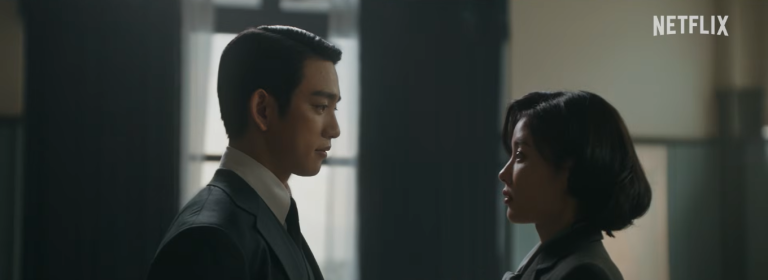
Jinyoung of GOT7 on ‘100 Days of Lies’: A K-Drama Nerd’s Take
In the vibrant tapestry of Korean entertainment, where talent often transcends boundaries, Jinyoung of the globally acclaimed K-Pop group GOT7 has carved a distinctive path as an actor. His thoughtful approach to character and story has garnered significant attention, particularly within the dedicated circles of K-drama enthusiasts and the broader ‘nerd culture’ that cherishes intricate narratives and compelling performances. While his musical career commands legions of fans, it is his nuanced acting roles that often reveal the depth of his artistic commitment, offering a different facet of his creative prowess.
One such role that continues to resonate is his part in the K-drama ‘100 Days of Lies,’ which premiered on October 10, 2018, and has since found a global home on Netflix. This series isn’t just another romantic entanglement; it’s a meticulously crafted period piece that weaves together elements of espionage, wit, and heartfelt romance, all set against the tense, historically significant backdrop of Gyeongseong (old Seoul) during the Japanese occupation. For viewers who appreciate historical context married with dramatic tension and character-driven plots, ‘100 Days of Lies’ offers a rich, immersive experience.
Jinyoung’s involvement brought an additional layer of intrigue and anticipation. His insights into the drama’s themes, particularly his reflection on the importance of history, provide a glimpse into the thoughtful core of the series. As ‘Nerd Culture & Entertainment Fans’ increasingly seek out content that challenges, entertains, and enlightens, ‘100 Days of Lies’ stands out. It’s a show that encourages a deeper engagement, inviting audiences to not just watch, but to consider the complex interplay of personal fates and broader historical forces. This article will explore the layers of this intriguing drama, Jinyoung’s pivotal role, and why it remains a compelling watch for anyone passionate about quality storytelling.
Jinyoung’s Dual Identity and the Allure for the K-Drama Nerd
Jinyoung’s role in ‘100 Days of Lies’ as Kim Tae Woong showcases his ability to inhabit complex characters, portraying an interpreter with a clandestine second identity, which appeals deeply to the analytical K-drama nerd.
Embracing Complexity: Jinyoung’s Portrayal of Kim Tae Woong
Jinyoung takes on the compelling role of Kim Tae Woong, a character steeped in layers of pretense and personal conflict. Tae Woong presents himself as an interpreter, seemingly aligned with the Japanese occupation government, serving as the adopted son of a powerful figure within that regime. However, beneath this polished exterior lies a man burdened by secrets and a dual identity, making him a fascinating study in deception and moral ambiguity.
His connection to the protagonist, Lee Ga Kyeong, is established early on through past encounters related to her street-smart activities. This pre-existing knowledge gives him a unique leverage and deepens the intricate web of lies that defines their relationship. Jinyoung masterfully navigates Tae Woong’s internal struggles, conveying the weight of his responsibilities and the growing emotional entanglement with Ga Kyeong, transforming a game of interests into an unexpected romance.
The Historical Tapestry: Gyeongseong’s Dangerous Charm
The narrative of ‘100 Days of Lies’ is meticulously set in Gyeongseong, the historical name for Seoul, during the tumultuous period of Japanese occupation. This specific historical context is not merely a backdrop; it is an active character in the story, shaping the motivations, risks, and stakes for every individual.
The drama brilliantly uses this era to infuse its spy narrative with heightened tension and dramatic irony. The setting emphasizes the constant danger faced by those involved in the resistance, where every interaction could be a betrayal, and every secret held could be a matter of life or death. This blend of historical authenticity with fictionalized espionage creates an incredibly rich and dangerous charm that fascinates viewers who appreciate a story rooted in a significant past.
The Craft Behind the Lies: Director Yoo In Shik and Kim You Jung’s Synergy
‘100 Days of Lies’ benefits immensely from the skilled direction of Yoo In Shik and the captivating performance of Kim You Jung, creating a synergistic viewing experience that underscores its quality.
A Visionary Director’s Touch: Yoo In Shik’s Proven Acumen
The directorial helm of ‘100 Days of Lies’ is expertly managed by Yoo In Shik, a name synonymous with critically acclaimed and commercially successful K-dramas. His extensive filmography includes the widely praised ‘Extraordinary Attorney Woo,’ a series lauded for its sensitive portrayal of a unique protagonist and its intricate legal storylines.
Yoo In Shik’s proven track record demonstrates his ability to craft compelling narratives, elicit powerful performances, and blend diverse genres seamlessly. His vision for ‘100 Days of Lies’ ensures that the blend of espionage, comedy, and romance is not only cohesive but also elevates the drama beyond its individual components, making every frame deliberate and impactful.
Kim You Jung’s Captivating Performance: Lee Ga Kyeong’s Espionage
Opposite Jinyoung, actress Kim You Jung delivers a captivating performance as Lee Ga Kyeong, the drama’s resourceful protagonist. Ga Kyeong is introduced as the city’s most skilled pickpocket, a detail that immediately establishes her sharp wit and ability to navigate dangerous situations.
Her journey takes a perilous turn when she accepts a high-stakes mission: to infiltrate the Japanese government as a spy for the Korean resistance. Disguised as an intern interpreter, she must meticulously maintain her cover while gathering crucial intelligence. Kim You Jung, fresh from her notable role in the popular series ‘My Demon,’ brings depth and vulnerability to Ga Kyeong, showcasing the emotional toll of living a lie and the conflicting loyalties that arise as she grows closer to her target.
The Unfolding Narrative: A Blend of Genres
The storyline of ‘100 Days of Lies’ masterfully intertwines several distinct genres, creating a rich and dynamic viewing experience over its titular hundred tense days. This fusion is a testament to sophisticated storytelling, where each element complements the others without diluting their impact.
- Espionage: At its core, the series is a thrilling spy drama, filled with secret missions, hidden motives, and constant peril.
- Comedy: Amidst the high stakes, moments of lighthearted comedy provide crucial emotional relief and add a human touch to the characters.
- Romance: An unexpected love story blossoms between Ga Kyeong and Tae Woong, complicated by their intertwined deceptions and conflicting loyalties.
- Historical Drama: The backdrop of occupied Gyeongseong is not just scenery; it’s a vital component that imbues the narrative with socio-political tension and historical significance.
This intricate blend ensures that ‘100 Days of Lies’ remains engaging and unpredictable, constantly shifting between suspense, humor, and heartfelt emotion, making it a truly multifaceted viewing experience.
Jinyoung’s Reflection: The Enduring Message for the Thoughtful Nerd
Jinyoung’s personal reflection on ‘100 Days of Lies’ highlights the drama’s profound message about connecting with history, offering a valuable perspective for the thoughtful and historically-minded viewer.
Connecting Past and Present: Jinyoung’s Insight
Beyond the intricate plot and character dynamics, Jinyoung shared a poignant insight into the drama’s core message: “I felt how important it is to know the past while living our own lives.” This statement encapsulates a critical theme of ‘100 Days of Lies’ and resonates deeply with audiences who value meaningful storytelling.
His reflection underscores that the historical setting is more than just a stage for action; it’s a crucible for understanding human resilience, sacrifice, and the enduring impact of past events on individual lives. For the discerning viewer, this adds a layer of intellectual engagement, encouraging contemplation on how history shapes identity and informs contemporary perspectives. Jinyoung’s words serve as an invitation to look beyond the surface narrative and connect with the deeper, more universal truths presented in the drama.
Beyond the Screen: The Impact of Historical K-Dramas
Historical K-dramas, often meticulously researched and beautifully produced, play a significant role in bringing complex periods of Korean history to a global audience. ‘100 Days of Lies’ is an excellent example of this genre’s capacity to educate and entertain simultaneously.
These dramas offer a unique window into cultural heritage, political struggles, and societal norms of bygone eras. For fans who appreciate deeper narratives and crave knowledge, they provide an accessible entry point to understanding historical events that might otherwise remain abstract. By dramatizing the human element within these historical contexts, shows like ‘100 Days of Lies’ foster empathy and encourage viewers to explore further, transforming entertainment into a bridge to historical awareness.
Navigating the Deceptive World of ‘100 Days of Lies’: Best Practices for Viewers
To fully appreciate ‘100 Days of Lies,’ viewers should employ specific engagement strategies to absorb its rich narrative and avoid common misinterpretations of its layered plot.
Immersion and Appreciation: Engaging with the Narrative Nuances
To truly immerse oneself in ‘100 Days of Lies’ and appreciate its narrative depth, certain approaches can enhance the viewing experience. This drama rewards careful attention to detail and a willingness to engage with its complex themes.
- Embrace the Historical Context: A basic understanding of the Japanese occupation era, though not strictly required, significantly deepens the appreciation for the characters’ struggles and the political undertones.
- Follow the Character Arcs: Pay close attention to the development of Lee Ga Kyeong and Kim Tae Woong. Their internal conflicts and evolving relationship are central to the story.
- Appreciate the Genre Fusion: Be open to the seamless blend of spy thriller, light comedy, and burgeoning romance. Each genre element contributes to the overall richness.
- Discuss with Fellow Fans: Engaging in conversations within the K-drama community allows for shared insights, theories, and a deeper collective understanding of the plot’s intricacies.
Common Pitfalls: Avoiding Superficial Engagements
While ‘100 Days of Lies’ is accessible, viewers might miss some of its finer points if they approach it superficially. Avoiding these common errors can lead to a more fulfilling experience.
- Overlooking Subtleties: The drama is rich with implicit meanings, subtle character cues, and foreshadowing that can easily be missed if not watched attentively.
- Ignoring Historical Accuracy: While fictionalized, the historical setting is crucial. Dismissing its relevance can detract from the weight and significance of the characters’ actions.
- Expecting Pure Romance: Focusing solely on the romantic aspect can lead to disappointment, as the spy thriller and comedic elements are equally vital and often drive the plot.
- Rushing Through Episodes: Given its original weekly release format, the drama is paced for thoughtful viewing, allowing time to digest plot developments and character motivations.
The Enduring Appeal of ‘100 Days of Lies’ for the Dedicated Nerd
The lasting allure of ‘100 Days of Lies’ for dedicated fans stems from its blend of historical depth, intricate character work, and Jinyoung’s impactful performance, cementing its place as a cherished K-drama.
What Makes this K-Drama a Timeless Gem?
‘100 Days of Lies’ stands out as a timeless gem within the vast landscape of K-dramas primarily due to its sophisticated narrative and well-executed genre blend. It doesn’t rely solely on clichés but instead crafts a story where character development is intrinsically tied to historical circumstances, forcing difficult choices and profound personal growth.
The drama’s ability to maintain suspense, deliver genuine laughs, and evoke deep emotion simultaneously is a testament to its writing and direction. Its exploration of identity, loyalty, and the pursuit of truth against a backdrop of deception ensures that its themes remain relevant, appealing to viewers who seek more than just fleeting entertainment.
Future Perspectives: The Legacy of Jinyoung’s Acting Journey
Jinyoung’s role in ‘100 Days of Lies’ is a significant marker in his steadily growing acting career, demonstrating his versatility and commitment beyond his idol status. This performance, along with other notable roles, contributes to a robust portfolio that showcases his capability to handle complex characters and diverse genres.
His consistent dedication to his craft suggests a promising future in acting, with each project adding another dimension to his artistic legacy. For fans and industry observers alike, his journey signals an artist who is continually evolving, poised to take on even more challenging and impactful roles in the years to come, solidifying his reputation as a respected actor in the Korean entertainment industry.
Frequently Asked Questions About ‘100 Days of Lies’
Here are answers to some common questions regarding the K-drama ‘100 Days of Lies’, offering further insights into its storyline and production.
What is “100 Days of Lies” about?
“100 Days of Lies” is a K-drama set in Gyeongseong (old Seoul) during the Japanese occupation, centering on Lee Ga Kyeong, a skilled pickpocket who becomes a resistance spy infiltrating the Japanese government. Her mission becomes complicated when she develops an unexpected romance with Kim Tae Woong, an interpreter with a dual identity who is adopted by a powerful occupation figure. The drama intricately blends espionage, comedy, and romance over a tense hundred-day period, exploring themes of deception, loyalty, and historical awareness.
Who is Jinyoung’s character in “100 Days of Lies”?
Jinyoung portrays Kim Tae Woong, a complex character who serves as an interpreter within the Japanese occupation government and is the adopted son of an influential figure. Unknown to most, Tae Woong harbors a secret dual identity. He recognizes the protagonist, Lee Ga Kyeong, from her past as a pickpocket, a detail he uses to his advantage, setting the stage for their entangled relationship built on a foundation of secrets and burgeoning feelings.
What historical period does “100 Days of Lies” portray?
The K-drama “100 Days of Lies” is set during the Japanese occupation of Korea, specifically in the city of Gyeongseong, which is the former name for Seoul. This tumultuous era provides a rich and tense backdrop for the narrative, influencing the characters’ motivations, the high stakes of their actions, and the overall atmosphere of espionage and resistance. The historical context is integral to understanding the drama’s themes and the struggles faced by its characters.
Who is the director of “100 Days of Lies”?
The director of “100 Days of Lies” is Yoo In Shik, a highly respected and experienced filmmaker in the Korean drama industry. He is renowned for his ability to craft compelling stories and manage diverse genres. Among his notable works is the critically acclaimed series “Extraordinary Attorney Woo,” which further solidifies his reputation for producing high-quality, engaging television. His expertise is evident in the intricate plotting and character development within “100 Days of Lies.”
What makes Kim You Jung’s role notable in this K-drama?
Kim You Jung’s portrayal of Lee Ga Kyeong is notable for its dynamic range and central importance to the plot. As the city’s top pickpocket, her character possesses a sharp wit and resilience that are crucial when she transforms into a spy for the resistance. Disguised as an intern interpreter, she navigates treacherous political waters. Her performance captures the emotional complexities of living a double life and the personal sacrifices required, showcasing her versatility as an actress, especially following her success in “My Demon.”
Is “100 Days of Lies” suitable for fans new to historical K-dramas?
Yes, “100 Days of Lies” is an excellent choice for fans new to historical K-dramas. While it is set in a specific historical period, its engaging blend of espionage, lighthearted comedy, and romance makes it highly accessible. The drama focuses heavily on character development and an intriguing plot, ensuring that viewers unfamiliar with the historical context can still follow and enjoy the story. It serves as a compelling entry point to appreciate the depth and production quality often found in historical K-dramas.
How does Jinyoung’s reflection on the past relate to the drama’s message?
Jinyoung’s reflection, “I felt how important it is to know the past while living our own lives,” is deeply intertwined with the drama’s central message. ‘100 Days of Lies’ isn’t just a fictional story; it uses the backdrop of the Japanese occupation to explore how historical events profoundly impact individual destinies and choices. His insight emphasizes that the characters’ struggles and the overarching narrative are a reminder for audiences to engage with history, understand its lessons, and recognize its lasting influence on the present, fostering a more thoughtful viewing experience.
Where can “100 Days of Lies” be streamed?
“100 Days of Lies” is available for streaming on Netflix. This global platform has made the K-drama accessible to a wide international audience, allowing fans of Jinyoung, Kim You Jung, and historical romance thrillers to watch the series at their convenience. Its presence on Netflix underscores the growing global appeal of Korean content and provides an easy way for viewers to dive into this intriguing tale of love, lies, and espionage.
The Next Step: Unveiling the Layers of Truth and Deception
As we’ve explored the intricate world of ‘100 Days of Lies,’ it becomes clear that this K-drama offers much more than surface-level entertainment. It’s a testament to the power of thoughtful storytelling, compelling performances, and a rich historical setting that resonates deeply with audiences who appreciate substance. Jinyoung’s insights into the drama’s message, coupled with the masterful direction of Yoo In Shik and the captivating presence of Kim You Jung, forge a narrative that is both entertaining and intellectually stimulating.
For the dedicated ‘Nerd Culture & Entertainment Fan’ who seeks out content that challenges perceptions, inspires reflection, and delivers an impeccably crafted experience, ‘100 Days of Lies’ is an essential watch. It’s an opportunity to delve into a story where every twist, every secret, and every burgeoning emotion contributes to a larger tapestry of human experience against a backdrop of historical significance. Don’t miss the chance to uncover the layers of truth and deception within this unforgettable K-drama, now streaming on Netflix.











Post Comment