Boruto’s Hokage Succession: What Every Otaku Needs to Know
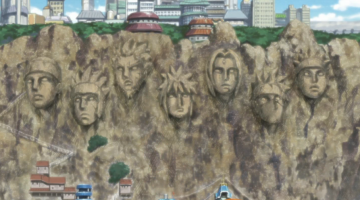
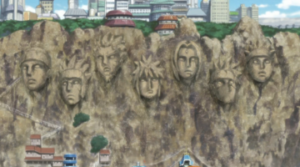
The tranquil facade of Konohagakure, the Hidden Leaf Village, is once again under threat, not from external enemies, but from an internal power struggle that could reshape its leadership. For years, the title of Hokage has been a beacon of strength, responsibility, and unwavering dedication, embodied by figures like Hiruzen Sarutobi, Minato Namikaze, Kakashi Hatake, and most recently, Naruto Uzumaki. Now, with Naruto seemingly out of commission and Shikamaru Nara holding the reins as interim Hokage, a political storm is brewing, fueled by accusations and suspicion. The very foundation of Konoha’s governance is being tested, leaving many to wonder if a new era of leadership is truly on the horizon. This isn’t just about a change in command; it’s about the emotional core of a beloved series, the fate of its central characters, and the intricate web of trust and betrayal that defines the current arc of Boruto: Two Blue Vortex. As the narrative unfolds, the implications for the future of the ninja world, and particularly for a certain young Uzumaki, become increasingly profound, demanding the attention of every dedicated follower.
The current predicament stems from the fallout of Kawaki’s unprecedented actions and the lingering effects of Omnipotence, a powerful Shinju ability that has warped perceptions and ostracized Boruto. Shikamaru, known for his strategic brilliance, finds himself in an unenviable position, tasked with navigating a village steeped in misdirection while facing direct challenges to his authority. The pressures of leadership during such a tumultuous period are immense, forcing him to make difficult decisions that have wide-ranging consequences. The narrative expertly builds tension, hinting at deeper conspiracies and the fragility of truth in a world influenced by cosmic powers. Understanding these dynamics is crucial for grasping the full weight of the decisions facing Konoha’s leadership and the potential for a seismic shift in power. This unfolding drama underscores the complex political intrigue interwoven with the high-stakes battles that define the Boruto saga, captivating an global audience.
The Precarious Position of Konoha’s Acting Hokage for Every Otaku
Shikamaru Nara, currently serving as Konoha’s interim Hokage, finds his leadership under intense scrutiny and facing direct challenges from within the political establishment. His position, assumed after Kawaki’s capture of Naruto, has been anything but stable, marked by persistent accusations that threaten to unseat him. This development is not merely a political maneuver; it strikes at the heart of trust and governance within the Hidden Leaf Village, an institution revered by every dedicated Otaku.
The primary antagonist in this political drama is Kobu, the representative of the Daimyo of the Land of Fire, who has publicly branded Shikamaru a traitor. Kobu’s accusations center on Shikamaru allegedly ordering Mitsuki’s involvement in a skirmish against Mamushi. While Kobu himself admits to lacking concrete evidence, a new, unnamed shinobi has emerged, claiming to possess definitive proof. This new development significantly escalates the crisis, transforming mere suspicion into a tangible threat that demands immediate resolution.
This isn’t the first time Shikamaru’s authority has been questioned. Reports indicate that Kobu previously sought Shikamaru’s removal in chapter 36, demonstrating a consistent distrust of his interim leadership. The intensity of these challenges highlights the profound instability within Konoha, a village accustomed to the unwavering authority of its Hokage. The stakes are incredibly high, not just for Shikamaru, but for the entire power structure of the ninja world, pushing the narrative into uncharted and thrilling territory.
Direct Answer: Konoha’s acting Hokage, Shikamaru Nara, faces a precarious position due to persistent accusations of treason from Kobu, the Daimyo’s representative. These claims, alleging Shikamaru ordered Mitsuki’s actions against Mamushi, are intensified by a new shinobi promising solid evidence. This political turmoil, stemming from earlier calls for his removal, threatens to destabilize Konoha’s leadership, leaving Shikamaru’s tenure uncertain and opening the door for potential succession.
The Shadow of Omnipotence and Shikamaru’s Dilemma
Shikamaru’s current predicament is inextricably linked to the pervasive effects of Omnipotence, the powerful ability that has profoundly altered the memories and perceptions of nearly everyone in Konoha. Under its influence, Boruto Uzumaki is viewed as a villain and Kawaki as the loyal son of Naruto. This grand deception makes it incredibly challenging for Shikamaru to operate transparently, as any attempt to communicate with Boruto or challenge the established narrative could be misinterpreted as further proof of his supposed treachery.
A crucial piece of potential evidence, hinted at in the narrative, is the possibility of telepathic communication between Shikamaru and Boruto. If such a connection exists and were to be revealed, it could either substantiate the accusations against Shikamaru or, conversely, be the very key to unraveling the truth distorted by Omnipotence. This uncertainty places Shikamaru in a delicate strategic position, where his every move is scrutinized and could have catastrophic consequences for his leadership and for Boruto’s long-term redemption.
Naruto Uzumaki’s Imminent Return: A Game-Changer for the Boruto Otaku Community
One of the most anticipated developments in the Boruto narrative is the potential return of Naruto Uzumaki, the Seventh Hokage, from his confinement by Kawaki. Recent previews suggest that this long-awaited moment may be imminent, promising a seismic shift in the political and emotional landscape of Konoha. For every eager Otaku, this prospect represents a profound turning point, offering hope for resolution and a return to a more familiar sense of justice and order.
The first preview snippet vividly depicts Kawaki engaged in conversation with Naruto and Hinata, expressing remorse for his actions. This scene, laden with emotional weight, strongly implies that their liberation is drawing near. Naruto’s return holds immense significance, not only for the immediate crisis surrounding Shikamaru but also for the broader understanding of the village residents regarding the truth behind Boruto’s ostracization. His presence could be the catalyst needed to begin undoing the effects of Omnipotence.
While Naruto’s return might not immediately resolve all of Shikamaru’s troubles, it is undoubtedly the most probable path toward clarifying the truth for Konoha’s citizens. His unique connection to the village and his inherent authority could cut through the deception, offering a foundation upon which to rebuild trust. This potential reunion is poised to be a moment of catharsis for fans, symbolizing the potential restoration of the Uzumaki family and the reassertion of the values Naruto embodies.
Direct Answer: Naruto Uzumaki’s return from Kawaki’s confinement appears imminent, with previews showing Kawaki apologizing to Naruto and Hinata. This event could be a game-changer for Konoha, potentially clarifying the truth for its residents, undoing the effects of Omnipotence, and aiding Boruto’s image. His comeback is anticipated to offer catharsis for fans and significantly boost interest in the manga, though authors risk revealing too much too soon.
Unraveling Omnipotence: The Key to Justice
The ability of Omnipotence has twisted reality, making Boruto an enemy and Kawaki a hero. Naruto’s presence could be instrumental in initiating the process of reversing these effects. As a central figure of truth and justice, his influence might slowly break through the mental barriers imposed by the Shinju’s power, allowing the villagers to gradually grasp the true sequence of events. This slow but steady revelation would be crucial for Shikamaru’s vindication.
Beyond the political implications, Naruto’s return is also vital for Boruto’s personal journey. Boruto is currently portrayed as a villain and desperately needs to repair his image, not just for the village but for his own peace of mind. The ongoing plotline involving Sarada and Hidari, which hints at Boruto’s potential transformation into Momoshiki’s form, suggests a critical moment where Naruto could step in. His fatherly guidance and unparalleled strength would be essential in helping Boruto regain control and embrace his true identity, providing a much-needed anchor in his tumultuous path.
The Candidates: Who Could Be Konoha’s Next Hokage?
With Shikamaru’s leadership in question and Naruto’s full return to power potentially delayed, the conversation naturally shifts to who might assume the mantle of Hokage. While no definitive successor has been named, the speculative discussions within the fandom highlight a few prominent figures, each with their own merits and challenges for this supreme position. The notion of a new Hokage always sparks intense debate among the Otaku community, reflecting the deep emotional investment in Konoha’s future.
Among the names frequently discussed, Sakura Haruno stands out. As one of the Legendary Sannin’s apprentices and the head of Konoha’s Medical Department, her combat prowess, intelligence, and unwavering loyalty to the village are undeniable. Her leadership during times of crisis has proven her capability, making her a strong contender.
Kakashi Hatake, the Sixth Hokage, is another name that frequently surfaces. Having already served, he possesses invaluable experience and respect. While he may prefer a quieter life, his profound wisdom and strategic mind make him a natural choice should Konoha face an existential threat requiring immediate, proven leadership. His return would offer stability, but might also signal a lack of new blood for the role.
However, the most frequently speculated and arguably most probable candidate, based on long-standing narrative cues, is Konohamaru Sarutobi. Grandson of the Third Hokage, Hiruzen Sarutobi, Konohamaru has explicitly expressed his ambition to become Hokage for years. He has diligently trained, honed his skills, and demonstrated a profound commitment to Konoha, often serving as a mentor to the next generation, including Boruto himself. His ascendancy would represent a continuation of Konoha’s legacy, a passing of the torch to a new generation of leaders. These are, of course, educated guesses, but they underscore the depth of character development and the long-term planning inherent in the Boruto narrative.
Direct Answer: While no successor is confirmed for Konoha’s Hokage role, prominent fan speculations include Sakura Haruno, respected for her medical expertise and combat skills; Kakashi Hatake, the experienced Sixth Hokage, offering wisdom and stability; and Konohamaru Sarutobi, the most probable candidate, who has long aspired to the position and embodies the next generation of leadership, continuing Konoha’s legacy with his demonstrated commitment and training.
| Potential Hokage Candidate | Strengths | Weaknesses/Challenges | Narrative Impact |
|---|---|---|---|
| Shikamaru Nara (Current Interim) | Strategic genius, loyalty to Naruto, political acumen | Lack of popular support due to Omnipotence, accused of treason | Upholds Naruto’s legacy amidst crisis, potential for vindication |
| Naruto Uzumaki (Seventh Hokage) | Unparalleled power, moral authority, symbol of peace | Currently confined, effects of Omnipotence still active | Return would bring catharsis, clarity, and restore order |
| Sakura Haruno | Exceptional medical ninja, formidable combatant, loyal | Less political experience compared to Shikamaru | Symbol of strength and resilience for the next generation |
| Kakashi Hatake (Sixth Hokage) | Vast experience, tactical brilliance, respected | Prefers retirement, might be seen as a temporary solution | Provides stability and wisdom during transition, but not a long-term pick |
| Konohamaru Sarutobi | Lifelong ambition, strong connection to Naruto/Boruto, rising strength | Still developing full leadership presence | Represents the new generation taking the mantle, continuing Sarutobi legacy |
The Fan Perspective: Catharsis and Increased Interest
For the ardent fans who have followed Naruto’s journey from an underdog to the Hokage, the prospect of his reassumption of the hero’s central role is more than just a plot point; it’s a promise of profound catharsis. After months of enduring the tension of Boruto’s vilification and Naruto’s absence, his potential return offers a much-needed emotional release and a reassertion of core values. This emotional payoff is crucial for maintaining viewer engagement and satisfaction, reinforcing the deep connection fans have with the series’ protagonist.
From the perspective of Shueisha, the publisher, and the creators Masashi Kishimoto and Mikio Ikemoto, a highly anticipated return like Naruto’s is a powerful catalyst for increasing interest in the manga. Such a significant plot development can draw back lapsed readers, attract new ones, and generate considerable buzz across various platforms. The strategic timing of such a reveal is paramount, as prematurely hinting at a major twist, as some previews might, carries the risk of diminishing its impact when it finally occurs, balancing immediate excitement with long-term narrative impact.
The Future of Konoha: How Every Otaku Plays a Role
The unfolding drama in Konoha regarding the Hokage succession is more than a mere storyline; it’s a reflection of the evolving themes within the Boruto series. The shift in power, the questions of truth, and the redemption arcs of key characters like Boruto himself resonate deeply with the core tenets of the Naruto universe. This narrative complexity keeps every Otaku engaged, fostering discussions and theories that enrich the overall experience.
As the village grapples with the accusations against Shikamaru and anticipates Naruto’s return, the overarching implications for Boruto’s journey come into sharper focus. His current vilified status is a significant plot point that requires a monumental effort to repair. The possibility of Naruto assisting him not only in reclaiming his image but also in mastering or controlling the potentially dangerous Momoshiki form, hinted at by the Sarada and Hidari subplot, underscores the profound father-son dynamic at play. This intertwining of personal and political destiny makes the current arc incredibly compelling.
The role of the Otaku in this narrative is multifaceted. Through their active engagement, discussions, and interpretations, they become an integral part of the series’ cultural impact. Their anticipation drives the narrative’s momentum, and their reactions help shape the perception and success of the manga. Ultimately, the future of Konoha, much like the trajectory of the series, is a collaborative canvas between creators and their devoted audience, a shared journey of discovery and anticipation.
Direct Answer: The future of Konoha is uncertain amidst the Hokage succession crisis, deeply impacting Boruto’s redemption arc. The narrative explores themes of truth, power, and the critical role Naruto’s potential return plays in restoring Boruto’s image and controlling his Momoshiki form. This evolving storyline engages the global Otaku community, whose discussions and anticipation are integral to the series’ cultural impact and continued success, making them active participants in Konoha’s destiny.
Frequently Asked Questions About Konoha’s Leadership Crisis
What are the main accusations against Shikamaru Nara?
The primary accusations against Shikamaru Nara, currently serving as interim Hokage, stem from Kobu, the representative of the Daimyo of the Land of Fire. Kobu has publicly branded Shikamaru a traitor, claiming he ordered Mitsuki’s actions during a confrontation with Mamushi. While Kobu initially admitted to lacking solid proof, the emergence of another shinobi who claims to possess definitive evidence has significantly intensified the political pressure on Shikamaru, placing his leadership in a highly precarious position within Konoha.
How does Omnipotence affect the current political situation in Konoha?
Omnipotence, a powerful Shinju ability, has profoundly distorted the memories and perceptions of nearly all Konoha residents. This leads them to believe Boruto is a villain and Kawaki is Naruto’s biological son, a loyal figure. This widespread delusion creates immense challenges for Shikamaru, as any actions he takes that seem to diverge from this false reality could be misconstrued as further proof of his supposed treachery, making it nearly impossible to reveal the truth or vindicate Boruto without first undoing its effects.
What is the significance of Naruto Uzumaki’s potential return?
Naruto Uzumaki’s potential return from his confinement by Kawaki is a pivotal moment that holds immense significance for Konoha. Not only could his presence begin to unravel the effects of Omnipotence, clarifying the truth for the villagers and potentially clearing Boruto’s name, but it also represents a powerful emotional catharsis for fans. Furthermore, his return is crucial for Boruto’s personal journey, offering the paternal guidance and strength needed to control his Momoshiki form and reclaim his true identity, thus stabilizing the village and the narrative.
Who are the likely candidates to become the next Hokage if Shikamaru is removed?
If Shikamaru Nara were to be removed from his interim Hokage position, several prominent figures have been speculated as potential successors. These include Sakura Haruno, recognized for her medical prowess and combat skills; Kakashi Hatake, the wise and experienced Sixth Hokage; and Konohamaru Sarutobi, who has long expressed his ambition for the role and represents the next generation of leadership. While each presents compelling reasons, Konohamaru is often cited as the most probable due to his enduring aspirations and developmental arc.
How might Naruto’s return impact Boruto’s image and redemption arc?
Naruto’s return is expected to be a critical turning point for Boruto’s image and redemption arc. Currently vilified due to Omnipotence, Boruto urgently needs to repair his reputation. Naruto’s authority and moral standing could be instrumental in revealing the truth to Konoha, initiating the process of reversing public perception. Additionally, his fatherly guidance will be vital in helping Boruto control the potentially dangerous Momoshiki form, allowing him to embrace his true self and pursue his path as a hero, providing crucial support in his most challenging moments.
What are the fan and publisher reactions to these developments?
For dedicated fans, the prospect of Naruto’s return is seen as a profound moment of catharsis, offering emotional release after prolonged tension and confusion in the storyline. This eagerly awaited event is expected to significantly increase engagement and satisfaction within the community. From a publisher’s perspective, specifically Shueisha and the creators, such a major plot twist is a powerful tool to boost manga interest, attract new readers, and generate substantial buzz, although there’s a delicate balance to strike to avoid revealing too much too soon.
What is the ‘Two Blue Vortex’ and its relevance to this situation?
Boruto: Two Blue Vortex is the current arc of the Boruto manga series, taking place after a significant time skip. This title itself implies a period of immense change and conflict, symbolized by the convergence of two powerful, potentially conflicting forces. Its relevance to the current situation is paramount, as it sets the stage for the political upheaval in Konoha, the advanced powers of the new generation, and the escalating stakes surrounding characters like Shikamaru, Naruto, and Boruto, defining the narrative’s direction.
Are there any historical precedents for a Hokage being removed under similar circumstances?
While the ninja world has seen various political maneuverings and challenges to authority, a Hokage being removed under similar circumstances of widespread magical deception like Omnipotence is unprecedented. Previous Hokage transitions typically involved death in battle, retirement, or planned succession. The unique nature of the current crisis, involving memory alteration and accusations against an acting Hokage, marks a new, uncharted territory for Konoha’s leadership, adding an unparalleled layer of complexity to the unfolding events.
The Unfolding Narrative: A Call to Every Dedicated Otaku
The intricate web of political intrigue, personal redemption, and the potential shifting of power within Konoha presents a compelling narrative for Boruto: Two Blue Vortex. As Shikamaru Nara navigates the treacherous accusations against him, the anticipated return of Naruto Uzumaki looms as a pivotal moment, promising to unravel deceptions and redefine the future of the Hidden Leaf Village. For every dedicated Otaku, this isn’t just a story about ninjas; it’s a testament to resilience, truth, and the enduring bonds that shape a world continually grappling with unprecedented threats.
The journey ahead for Boruto, facing vilification and the formidable power of Momoshiki, demands the steadfast support and guidance that only a returning Naruto can provide. The collective anticipation for these revelations underscores the profound impact the series has on its audience, transforming passive viewers into active participants in its unfolding destiny. As the chapters continue to release, the questions surrounding Konoha’s next leader, the true nature of the threats it faces, and the ultimate fate of its heroes will undoubtedly continue to captivate and engage. The wait for the truth, and for the next chapter of this epic saga, is a shared experience for fans worldwide, binding them together in a global community eager for resolution and the triumphant return of justice.










Post Comment