The Hunger Games: What’s Next for the Franchise, According to a Nerd
For millions of fans around the globe, the world of Panem, with its harrowing annual spectacle and the defiant spirit of its heroes, remains an endlessly captivating universe. From the bleak districts to the opulent Capitol, The Hunger Games has carved out a significant niche in modern pop culture, captivating a global audience, especially within the vast landscape of Nerd culture and entertainment. The enduring appeal lies not just in its thrilling narrative and dystopian commentary but in the intricate world-building and character development crafted by Suzanne Collins.
The journey of Katniss Everdeen, from a selfless volunteer to the symbol of a rebellion, resonated deeply, creating a passionate fanbase eager for more stories. When The Hunger Games: Mockingjay – Part 2 concluded, many, including those intimately involved in the films’ production, believed the saga had reached its definitive end. The sentiment was clear: the narrative arc felt complete, and the adaptation of Collins’ original trilogy was masterfully brought to the big screen. However, the world of Panem proved to have more tales to tell, much to the delight and surprise of its devoted following.
The announcement of The Ballad of Songbirds and Snakes, a prequel delving into the origins of President Snow and the early days of the Games, reinvigorated the franchise. This unexpected return to Panem demonstrated Collins’ continued creative vision and the immense potential for further exploration of its rich history. Now, with the highly anticipated film adaptation of Sunrise on the Reaping on the horizon, the question of what comes next looms larger than ever. For the production studio, Lionsgate, and for every dedicated fan, the path forward is uniquely tied to the woman who conceived it all: Suzanne Collins. Her singular creative control ensures authenticity, yet it also dictates the rhythm of the franchise’s expansion, making each new announcement a moment of collective anticipation.
The Unforeseen Future of The Hunger Games: A Nerd‘s Perspective on Collins’ Authority
The future trajectory of The Hunger Games franchise rests squarely on the shoulders of its creator, Suzanne Collins. Producer Nina Jacobson recently confirmed in an interview with Chris Killian during the film’s press junket that the studio has no expectation of further books unless Collins herself decides to write them. This declaration underscores a unique, author-centric approach to intellectual property management, a model that prioritizes creative integrity over rapid content generation, profoundly impacting how Nerd culture fans can anticipate new stories from Panem.
This revelation highlights a fascinating dynamic in Hollywood: despite the immense commercial success and built-in fanbase, Lionsgate grants Collins unprecedented autonomy. Jacobson’s candidness about the surprise within the production team, who believed the saga concluded after Mockingjay, speaks volumes. The unannounced arrival of The Ballad of Songbirds and Snakes, followed by the equally secretive development of Sunrise on the Reaping, demonstrates Collins’ independent creative process and the studio’s deep respect for her vision. This dependency ensures that every new narrative from Panem emerges from its authentic source, directly from the mind of its original architect.
For fans, this model is a double-edged sword. On one hand, it guarantees that any new story will maintain the thematic depth, narrative quality, and character consistency that defined the original series, avoiding the pitfalls of rushed or diluted content often seen in expanded universes. On the other hand, it means the pace of new releases is entirely unpredictable, dependent solely on Collins’ inspiration and timeline. This creates periods of intense anticipation punctuated by long waits, a familiar rhythm for many dedicated followers of author-driven fantasy and sci-fi sagas.
A Legacy Driven by a Singular Vision
Suzanne Collins’ unwavering control over The Hunger Games narrative is a cornerstone of its enduring appeal and critical success. Unlike many blockbuster franchises where creative direction can become diluted across multiple writers and corporate mandates, Collins’ direct involvement ensures that each new installment, whether a prequel or a potential future story, remains true to the core themes and intricate lore she established. This creative purity is precisely what resonates with a discerning audience, including the highly analytical Nerd community, who often value faithfulness to source material above all else.
The meticulous secrecy surrounding new manuscripts, as detailed by Jacobson, further exemplifies this dedication to the author’s process. Agreements of strict confidentiality and months of covert development before public announcements create an environment where Collins can craft her stories free from external pressures and premature speculation. This methodical approach allows for narratives to mature organically, resulting in stories like Sunrise on the Reaping that genuinely surprise and excite, rather than simply fulfilling market demands.
Navigating Panem’s Past and Future: What Fans (and Studios) Anticipate
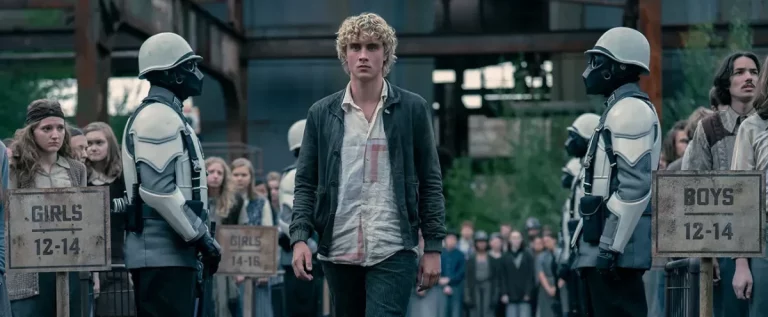
The upcoming film adaptation of The Hunger Games: Sunrise on the Reaping offers a fresh glimpse into Panem’s turbulent history, exploring the 50th Games and Haymitch Abernathy’s pivotal victory. This highly anticipated movie, set to premiere on November 20, with the book hitting shelves in March 2025, represents the shortest gap between book and film release in the franchise’s history. This rapid turnaround underscores the studio’s confidence and agility in adapting Collins’ work, a key factor for an engaged Nerd audience eager for new content.
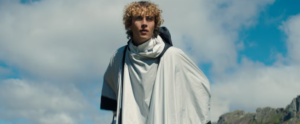
Initial reactions, particularly those highlighted by Ei Nerd, have praised Joseph Zada’s portrayal of a young Haymitch, setting high expectations for the film’s depth and emotional resonance alongside seasoned actors like Ralph Fiennes, Jesse Plemons, and Elle Fanning. This focus on a beloved character’s origin story within a significant historical event of Panem is a strategic move, allowing the franchise to expand its lore without necessarily advancing the timeline beyond Katniss Everdeen’s era.
Moreover, the studio is not solely reliant on new books to keep the franchise vibrant. The announced return of Jennifer Lawrence as Katniss Everdeen and Josh Hutcherson as Peeta for the new film, even without a specific new book for their characters, demonstrates Lionsgate’s understanding of fan nostalgia and the potential for exploring the existing universe through different lenses or expanded narratives. This approach allows the franchise to maintain momentum and engage its loyal audience by revisiting iconic figures, even while waiting for Collins’ next literary endeavor.
The Delicate Balance of Nostalgia and Novelty
For any long-running franchise, striking a balance between honoring its origins and introducing fresh elements is crucial. The Hunger Games skillfully navigates this by leveraging both new narratives from Collins and the strategic reintroduction of familiar faces. The decision to bring back Jennifer Lawrence and Josh Hutcherson, even if not for a direct adaptation of a new book, taps into the deep emotional connection fans have with Katniss and Peeta. This creates a powerful draw, blending the comfort of nostalgia with the intrigue of new narrative possibilities within the established universe.
This strategy also allows Lionsgate to maintain a continuous presence in the cultural conversation, keeping The Hunger Games relevant between major book releases. By exploring pivotal moments like Haymitch’s victory, the franchise can enrich its mythology, offering fans deeper insights into the world they cherish. This careful orchestration ensures that every new piece of content feels both organic to the universe and exciting for its dedicated viewership.
The Nerd‘s Guide to Anticipating New Narratives
For the avid follower of The Hunger Games, understanding the dynamics of its production and its creator’s influence is key to managing expectations and appreciating the future of the franchise. The unique relationship between Suzanne Collins and Lionsgate means that new narratives are not simply churned out; they are carefully cultivated, emerging only when Collins feels compelled to tell them. This approach, while sometimes leading to longer waits, fundamentally safeguards the quality and integrity that define the series for its dedicated Nerd audience.
Here are key aspects for fans to consider when looking ahead:
- Authorial Control: Suzanne Collins holds ultimate creative authority. New stories originate solely from her vision, ensuring thematic consistency and loyalty to the established lore.
- Unpredictable Pace: The interval between new books and, consequently, new film adaptations, is entirely dependent on Collins’ writing schedule and inspiration. Patience is a virtue in this fandom.
- Prequel Potential: The success of The Ballad of Songbirds and Snakes and the upcoming Sunrise on the Reaping suggest a strong appetite for stories exploring Panem’s past. This allows for rich world-building without needing to continue Katniss’s post-war narrative.
- Strategic Nostalgia: Lionsgate understands the value of beloved characters. The potential return of original cast members, even for non-book-specific projects, shows a willingness to engage fan sentiment.
- Quality Over Quantity: The deliberate pace, while challenging for an eager audience, helps maintain the high standards of storytelling that have characterized the franchise, preventing content fatigue.
- Deep Dive into Lore: Each new installment provides an opportunity to explore previously unseen facets of Panem, delving into its political structures, the evolution of the Games, and the lives of other victors.
Good Practices for Franchise Continuity
For studios managing a beloved intellectual property like The Hunger Games, several best practices emerge from Lionsgate’s approach:
- Empower the Creator: Allowing Suzanne Collins creative autonomy ensures authenticity and avoids dilution of the original vision.
- Respect the Source Material: Close collaboration with the author guarantees adaptations remain faithful to the narrative and thematic core.
- Strategic Prequels/Spin-offs: Exploring different timelines or focusing on ancillary characters can expand the universe without forcing unnecessary sequels.
- Balance Newness with Familiarity: Reintroducing beloved elements or characters can bridge gaps between new content and maintain fan engagement.
- Maintain Secrecy: Keeping new projects under wraps until they are fully developed minimizes premature speculation and allows for impactful reveals.
Trends in Author-Driven Franchises
The Hunger Games mirrors a growing trend where original creators retain significant control, influencing the pace and direction of adaptations. This contrasts with earlier models where studios often exerted more immediate control over expanded universes. This shift is beneficial for creating cohesive and high-quality narratives, fostering deeper trust with the audience, particularly the discerning Nerd demographic that values authenticity.
| Franchise Element | Original Trilogy Era | Newer Era (Prequels) |
|---|---|---|
| Author’s Role | Creator, closely involved | Ultimate creative control |
| Book-to-Film Interval | Varied (1-3 years) | Much shorter (e.g., <1 year for Sunrise) |
| Narrative Focus | Post-apocalyptic rebellion, Katniss’s journey | Historical context, origins of characters/Games |
| Studio Strategy | Adapting existing, popular books | Anticipating new works, leveraging nostalgia |
| Fan Engagement | Driven by current releases | Long-term anticipation, lore exploration |
What the Future Holds for The Hunger Games Universe, According to a Nerd
The path forward for The Hunger Games franchise remains intrinsically linked to Suzanne Collins’ pen, a reality that shapes both the limitations and vast opportunities for its expansion. For the discerning Nerd fan, this means a future characterized by quality and thematic consistency, albeit with an unpredictable release schedule. The unique creative control Collins wields ensures that any new narrative emerging from Panem will bear her authentic mark, upholding the high standards that captivated audiences initially.
While the sole dependence on Collins’ output is a limitation in terms of pacing, it simultaneously opens up a wealth of opportunities. The vast history of Panem, rich with untold stories of other victors, the early days of the Districts, or the formative years of the rebellion, offers fertile ground for exploration. Each Quarter Quell, each District’s unique contribution to the rebellion, or even deeper dives into the Capitol’s political machinations could become the subject of future books or films, provided Collins finds the inspiration to write them.
The risks are inherent in this model: extended periods between new content could test fan patience or lead to franchise fatigue if not managed carefully. However, Lionsgate’s strategy of revisiting iconic characters and leveraging nostalgia, as seen with the confirmed return of Jennifer Lawrence and Josh Hutcherson, offers a powerful counter-balance. This dual approach—waiting for Collins’ new stories while exploring established elements of the universe—allows for a dynamic and engaging future for The Hunger Games, ensuring its continued relevance and appeal to its dedicated audience.
FAQ: Exploring The Hunger Games’ Future
-
Will Suzanne Collins write more Hunger Games books?
Producer Nina Jacobson has stated that the studio has no current knowledge or expectation of Suzanne Collins writing additional books for The Hunger Games franchise. The decision rests entirely with Collins herself, indicating that any future literary installments will emerge solely from her creative initiative, rather than being driven by studio demand. This approach prioritizes the author’s vision and ensures the authenticity of any new narratives.
-
How does Suzanne Collins’ control impact new Hunger Games films?
Suzanne Collins’ extensive creative control means that any new film adaptations are directly tied to her literary output. Lionsgate respects her autonomy, developing films based on her published works. This ensures a high degree of fidelity to the source material, maintaining the thematic and narrative integrity of the franchise, but also means the pace of new film releases is dictated by Collins’ writing schedule, rather than a fixed production timeline.
-
What is Sunrise on the Reaping about?
The Hunger Games: Sunrise on the Reaping is a prequel story set 24 years before the events of the original Hunger Games trilogy. It chronicles the 50th Hunger Games, also known as the Second Quarter Quell, focusing on the character of Haymitch Abernathy and his journey to becoming a victor. The book explores the heightened brutality and unique challenges of this particular Quarter Quell, providing crucial backstory for one of the franchise’s most enigmatic figures.
-
When can fans expect the Sunrise on the Reaping movie?
The film adaptation of The Hunger Games: Sunrise on the Reaping is scheduled to premiere on November 20. The corresponding book is set to be released in March 2025. This marks the shortest interval between a book release and its film adaptation within The Hunger Games franchise, reflecting the studio’s expedited production and the high anticipation surrounding this prequel.
-
Could Jennifer Lawrence and Josh Hutcherson return for future projects?
Yes, Jennifer Lawrence (Katniss Everdeen) and Josh Hutcherson (Peeta Mellark) are announced to return for the new film. This demonstrates Lionsgate’s willingness to leverage the appeal of original cast members, even if not for a direct adaptation of a new book in the main timeline. Their potential involvement in future projects suggests a strategy of exploring existing aspects of the universe or engaging in nostalgic fan service, independent of new literary works.
-
Why is Suzanne Collins’ involvement seen as a ‘relief and a risk’ for fans?
Collins’ direct involvement is a ‘relief’ because it guarantees the high quality, thematic depth, and narrative consistency that fans expect from the franchise, preventing diluted or uninspired content. It’s a ‘risk’ because the pace of new stories and adaptations is entirely dependent on her inspiration and writing speed, potentially leading to long waits between new releases, which can test the patience of an eager fanbase.
-
What makes The Hunger Games appealing to ‘Nerd Culture’?
The Hunger Games resonates deeply with ‘Nerd Culture’ due to its rich world-building, complex socio-political themes, strong character development, and intricate lore. Fans appreciate the narrative depth, the critical commentary on power and inequality, and the detailed exploration of a dystopian future, which provides ample material for discussion, analysis, and engagement within the broader ‘Nerd’ community.
The future of The Hunger Games, a cornerstone of modern Nerd culture, is a testament to the power of a singular creative vision. Suzanne Collins’ unwavering control not only preserves the integrity and depth of Panem but also crafts a unique path for the franchise’s evolution. While the waiting game can be challenging for eager fans, the promise of authentic, high-quality storytelling, directly from the mind of its originator, makes every new revelation a truly significant event. As Lionsgate strategically navigates nostalgia and new narratives, one thing remains clear: the heart of Panem beats to the rhythm of its creator’s inspiration, ensuring that every new chapter is worth the anticipation.








Post Comment