InstaDocs: Jane Doe v. Cornell – A Deep Dive for the Discerning Nerd
In an era where information travels at lightning speed, Netflix continues to carve out a niche for timely, impactful storytelling with its ‘InstaDocs’ series. The latest installment, titled ‘InstaDocs: Jane Doe v. Cornell,’ is a poignant and critical examination of a real-world case that sent ripples through university campuses and ignited a national dialogue on sexual violence and institutional accountability. Premiering on October 29, this documentary is not merely a recounting of events but a profound inquiry into the mechanisms meant to protect students and deliver justice.
For those within the Nerd Culture and Entertainment fandom who appreciate deep dives into complex societal issues, legal intricacies, and the often-unseen facets of our social fabric, ‘Jane Doe v. Cornell’ offers a compelling, albeit challenging, viewing experience. It’s a testament to the power of media to shed light on uncomfortable truths, pushing viewers to critically assess the systems in place and ponder the future of safety and justice in educational environments. The documentary invites an exploration beyond mere headlines, compelling audiences to engage with a story that demands thoughtful reflection and understanding.
This particular ‘InstaDocs’ episode stands as a crucial piece of content, not just for its subject matter, but for its approach. It promises to dissect the layers of institutional response, student activism, and the deeply personal journey of seeking justice, all while maintaining the series’ commitment to delivering relevant narratives in near real-time. As the debate around campus safety and accountability continues to evolve, this documentary arrives as an indispensable resource for anyone seeking a comprehensive grasp of the challenges and complexities involved.
Unpacking ‘InstaDocs: Jane Doe v. Cornell’: A Deep Dive for the Engaged Nerd Culture Fan
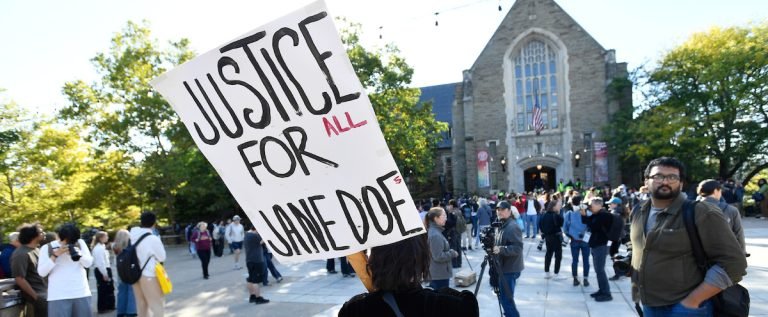
Netflix’s ‘InstaDocs: Jane Doe v. Cornell’ zeroes in on a landmark legal case stemming from allegations of sexual assault at Cornell University. The documentary meticulously follows the lawsuit filed by a former student, identified pseudonymously as Jane Doe, who reported a sexual assault occurring in 2024 within a campus fraternity house, allegedly involving non-consensual drug use. This case quickly escalated beyond the campus gates, sparking widespread protests, garnering significant media attention, and fueling a nationwide conversation about how higher education institutions address such critical incidents.
The documentary serves as a vital resource for understanding the complexities surrounding campus sexual assault allegations. It’s an objective and comprehensive look at a sensitive topic, ideal for those who appreciate detailed, factual accounts and nuanced discussions on societal challenges.
The Case That Ignited a National Conversation
At the core of the documentary is Jane Doe’s legal action against Cornell University, detailing an alleged sexual assault incident. The decision by the student to remain anonymous, using the ‘Jane Doe’ pseudonym, highlights the significant personal stakes involved in such legal battles and the systemic pressures faced by survivors. Her allegations, particularly those involving non-consensual drug use, resonated deeply, triggering immediate and forceful reactions from the student body and the broader community. These events brought to the forefront the often-stifled voices of victims and challenged the prevailing narratives surrounding campus sexual misconduct.
The protests and subsequent media coverage transformed a specific campus incident into a national touchstone, prompting a re-evaluation of policies and practices across countless universities. It underscored the persistent struggles survivors face in achieving recognition and justice, compelling a wider audience to confront uncomfortable questions about accountability within prestigious academic environments.
Deconstructing the System: Title IX and Campus Justice
Beyond the specifics of the Cornell case, the ‘InstaDocs’ episode broadens its scope to investigate the efficacy of the Title IX system and the role of campus police in responding to sexual misconduct complaints in U.S. universities. Title IX, a federal civil rights law, prohibits sex-based discrimination in any education program or activity receiving federal financial assistance. While its intent is clear, its practical application and effectiveness in addressing sensitive cases like Jane Doe’s remain a subject of intense scrutiny.
The documentary probes the operational mechanisms of this system, questioning whether it truly serves to protect students and deliver equitable outcomes. It brings together diverse perspectives, including former Title IX coordinators, legal professionals, and survivors, to paint a comprehensive picture of a system often perceived as labyrinthine and, at times, inadequate. This deep dive into Title IX’s functions and failings is crucial for anyone seeking to understand the institutional landscape surrounding sexual assault allegations.
The Broader Implications: Navigating Campus Safety and Accountability
The ‘InstaDocs: Jane Doe v. Cornell’ documentary doesn’t merely recount events; it catalyzes a wider discussion about campus safety, legal frameworks, and the moral obligations of educational institutions. The film meticulously unpacks the real-world impact of such cases, pushing viewers to consider the implications for students, faculty, and the broader community. It explores the intricate balance between protecting individual rights and ensuring a safe, supportive academic environment for all, a challenge that reverberates far beyond the confines of a single university campus.
This segment critically examines the systemic issues unearthed by the Cornell case, offering insights into the ongoing efforts and persistent obstacles in fostering true accountability and preventative measures across higher education.
The Netflix InstaDocs Approach: Timely, Relevant Storytelling
The ‘InstaDocs’ series represents Netflix’s strategic venture into producing rapid-response documentaries on current events, ensuring that the content remains highly relevant and engages audiences while issues are still at the forefront of public consciousness. This approach allows for a near real-time reflection on significant societal happenings, providing immediate context and analysis. ‘Jane Doe v. Cornell’ is the fifth installment, following acclaimed episodes such as ‘Alex Murdaugh: Conviction Overturned’ and ‘Rebel AI,’ each designed to immerse viewers in trending discussions.
The series, produced by Words + Pictures with Steve Yaccino as showrunner, thrives on its agility. It offers a unique window into how unfolding events are perceived and debated, inviting viewers to form informed opinions on urgent and often delicate topics. This commitment to immediacy positions ‘InstaDocs’ as a crucial platform for contemporary social commentary.
A Spectrum of Voices: Crafting a Balanced Narrative
To construct a nuanced and comprehensive panorama of the Cornell case, ‘InstaDocs: Jane Doe v. Cornell’ gathers perspectives from a diverse array of voices. The documentary features insightful contributions from student journalists at The Cornell Daily Sun, who provide crucial on-the-ground context and early insights into the unfolding events. New York Governor Kathy Hochul also appears, offering a broader governmental and policy perspective on campus safety and justice.
Further enriching the narrative are interviews with key figures such as Amanda Walsh, a former Title IX coordinator from Brown University, who sheds light on the intricacies and challenges of implementing sexual misconduct policies. Thomas Giuffra, Jane Doe’s attorney, articulates the legal dimensions of the lawsuit, providing crucial details on the prosecution’s strategy and objectives. Additionally, the production includes testimony from a former student who navigated the Title IX system after experiencing abuse, offering a deeply personal and invaluable account of the system’s impact. This mosaic of viewpoints is essential for a truly informed understanding of the incident and its wider implications.
Beyond the Screen: Why the Cornell Case Resonates
The significance of ‘InstaDocs: Jane Doe v. Cornell’ extends far beyond its runtime, serving as a powerful catalyst for introspection and discussion about the pervasive challenges of sexual violence and accountability in academic settings. This documentary is not just about a single incident; it’s a mirror reflecting systemic issues, prompting essential questions about victim support, institutional transparency, and the pursuit of justice. Its resonance stems from its ability to humanize complex legal and social frameworks, making the abstract consequences of policy decisions tangible.
The case continues to fuel ongoing debates, reminding us that the conversations around safety and justice on college campuses are far from over. It is a stark reminder that vigilance and continuous improvement are necessary to safeguard students and ensure equitable processes.
Common Misconceptions About University Conduct
One of the critical functions of ‘InstaDocs: Jane Doe v. Cornell’ is to dismantle common misconceptions surrounding university conduct codes and the reporting of sexual assault. Many believe that simply reporting an incident guarantees immediate action or a swift resolution, but the documentary illustrates the intricate, often protracted, and emotionally taxing nature of these processes. It highlights how factors like evidence collection, legal counsel, and the university’s internal bureaucratic procedures can complicate outcomes.
Furthermore, the film challenges the notion that Title IX is a perfect, infallible system. It reveals how interpretations and implementations of the law can vary, sometimes leading to outcomes that survivors perceive as unjust or insufficient. Understanding these nuances is crucial for both students and institutions to navigate these challenging situations more effectively and transparently, fostering a more informed dialogue around prevention and redress.
Best Practices for Engaging with Complex Documentaries
Engaging with a documentary like ‘InstaDocs: Jane Doe v. Cornell’ requires a thoughtful and critical approach to truly grasp its depth and implications. Firstly, approach the content with an open mind, recognizing that complex issues rarely have simple answers. Actively listen to all perspectives presented, even those that may challenge your initial assumptions. Secondly, consider the broader context; understand the historical and social factors that contribute to the issues discussed, such as the evolution of Title IX and changing campus cultures. Thirdly, engage in informed discussions after viewing, seeking out reliable supplementary information and academic resources to deepen your understanding. Lastly, reflect on the documentary’s emotional impact and its call to action, considering how you might contribute to creating safer and more just environments, whether on campus or in society at large. This active engagement transforms viewing into a profound learning experience.
The Future of Documentary Storytelling and Social Impact
The ‘InstaDocs’ series exemplifies a growing trend in documentary filmmaking: leveraging speed and digital platforms to address urgent social issues as they unfold. This agile approach to storytelling is profoundly impacting how audiences consume news and engage with critical topics. Future documentaries are likely to further embrace this real-time model, offering immediate insights and fostering dynamic public discourse rather than merely archiving past events. This shift has the potential to accelerate social change by providing timely, factual narratives that demand immediate attention and response.
Moreover, the emphasis on featuring multiple, diverse voices, as seen in ‘Jane Doe v. Cornell,’ is becoming a cornerstone of impactful documentary making. This multi-perspective narrative builds greater credibility and allows for a more comprehensive understanding of complex issues, encouraging deeper empathy and informed debate. The power of these evolving storytelling methods lies in their capacity to connect global audiences with pressing issues, fostering a collective push towards awareness and resolution.
For the Investigative Nerd: Understanding the Urgency of ‘InstaDocs’
For the intellectually curious and socially conscious Nerd, ‘InstaDocs: Jane Doe v. Cornell’ offers far more than mere entertainment; it’s an urgent call to understand and engage with critical societal dynamics. The documentary’s rapid deployment by Netflix highlights its immediate relevance, urging viewers to grasp the ongoing debates surrounding campus safety, legal accountability, and the survivor’s journey. This isn’t just a historical recount; it’s a snapshot of a live conversation, emphasizing why these discussions are vital for the integrity of educational institutions and the welfare of their students.
By immersing oneself in this meticulously crafted narrative, one gains not only knowledge but also a deeper appreciation for the complexities involved in pursuing justice and implementing meaningful change. It’s an essential watch for anyone who prides themselves on being well-informed and actively participating in the crucial dialogues that shape our society.
FAQ: Delving Deeper into ‘InstaDocs: Jane Doe v. Cornell’
- What is the primary focus of ‘InstaDocs: Jane Doe v. Cornell’?
‘InstaDocs: Jane Doe v. Cornell’ primarily focuses on a real sexual assault case at Cornell University, brought forth by an anonymous former student. The documentary investigates how universities, particularly through their campus police and the Title IX system, handle such allegations. It delves into the specific lawsuit, the resulting campus protests, and the broader national debate concerning accountability and support for survivors of sexual violence in higher education institutions, aiming to provide a comprehensive look at both the individual case and systemic responses.
- When did ‘InstaDocs: Jane Doe v. Cornell’ premiere on Netflix?
The documentary ‘InstaDocs: Jane Doe v. Cornell’ made its debut on Netflix on October 29. Its release as part of the ‘InstaDocs’ series underscores Netflix’s commitment to delivering timely content that addresses current and pressing societal issues. This strategic scheduling allows the documentary to contribute to ongoing public conversations about campus safety and justice, providing immediate context and diverse perspectives on a topic that continues to generate significant debate and attention.
- Who are some of the key individuals featured in the documentary?
The documentary features a diverse range of individuals to provide a multi-faceted view of the case and its implications. Among those interviewed are student journalists from The Cornell Daily Sun, who offer vital on-the-ground context. New York Governor Kathy Hochul provides a broader policy perspective. Additionally, the film includes insights from Amanda Walsh, a former Title IX coordinator at Brown University, Thomas Giuffra, the attorney representing Jane Doe, and another former student who bravely navigated the Title IX system after experiencing abuse, offering crucial personal testimony.
- What is the significance of the ‘Jane Doe’ pseudonym in this case?
The use of the ‘Jane Doe’ pseudonym is profoundly significant in this case, serving as a protective measure for the former Cornell student who filed the lawsuit. It allows her to pursue legal action and seek justice without publicly revealing her identity, thereby safeguarding her privacy and mitigating potential retaliation or further trauma. This practice is common in sensitive legal cases involving sexual assault, underscoring the often-vulnerable position of survivors and the critical need for systems that enable them to come forward while maintaining a degree of anonymity.
- How does ‘InstaDocs’ series differ from other Netflix documentaries?
The ‘InstaDocs’ series distinguishes itself from other Netflix documentaries through its unique emphasis on speed and timeliness. Unlike productions that often take years to develop, ‘InstaDocs’ episodes are designed to be released rapidly, often while the subject matter is still a prominent topic in public discourse. This approach allows the series to offer immediate relevance and contribute to ongoing conversations, capturing the essence of current events almost in real-time. It’s a strategic move by Netflix to engage audiences with compelling, up-to-the-minute factual narratives.
- What is Title IX, and how is it relevant to the documentary?
Title IX is a federal civil rights law in the United States that prohibits sex-based discrimination in any education program or activity receiving federal financial assistance. Its relevance to the documentary is central, as the film meticulously examines how Cornell University’s Title IX office and procedures responded to Jane Doe’s allegations. The documentary critically assesses the practical functioning of Title IX, questioning its effectiveness in investigating claims of sexual misconduct, protecting student complainants, and ensuring fair outcomes within university systems, thus shedding light on a crucial legal framework.














Post Comment