Is ‘The Body’ Based on a True Story? The Nerd’s Guide to its Inspirations
When a new horror-mystery series captures the collective imagination, a familiar question often surfaces: Is this based on a true story? Such was the case with Netflix’s ‘The Body’ (originally ‘O Corpo’), a show that quickly stirred conversation with its unsettling atmosphere and intricate plot. For fans of compelling narratives, especially those immersed in the rich tapestry of ‘Nerd Culture’ and entertainment, this query isn’t just about morbid curiosity; it speaks to the desire for genuine connection, for stories that resonate on a deeper level, perhaps even rooted in the fabric of reality.
The series, a dark tale set within the confines of a traditional Catholic high school, follows ‘The Lionesses,’ a rebellious dance troupe whose Halloween initiation ritual for newcomer Grace spirals into unforeseen terror. The blend of adolescent drama, religious horror, and gripping mystery is potent, drawing viewers into its unique world. This immediate immersion naturally leads many to wonder if the disturbing events depicted somehow mirror actual happenings. Understanding the inspiration behind such a narrative often unlocks a deeper appreciation for the craft, revealing the intricate dance between imagination and lived experience that defines impactful storytelling.
While the supernatural elements and central mystery of ‘The Body’ are purely fictional, born from the creative minds behind the production, the series achieves an undeniable authenticity. This depth stems from its creators’ strategic decision to infuse the narrative with personal memories and real-world sensibilities. For any discerning fan, recognizing this blend of the imagined and the experienced enriches the viewing experience, transforming a simple horror story into a nuanced exploration of adolescence, identity, and the lingering echoes of the past.
Unraveling the Mystery: Is ‘The Body’ a True Story, or a Fictional Triumph for the Modern Nerd?
The immediate and reassuring answer to whether Netflix’s ‘The Body’ is based on a specific true crime or real-world event is a definitive no. Viewers can breathe easily, knowing that the chilling supernatural occurrences and the core mystery woven into the series are products of pure fiction. However, to stop at that simple declaration would be to overlook the profound and fascinating layers of inspiration that truly define the show’s unique appeal, particularly for the modern Nerd who appreciates intricate world-building and authentic character development beyond surface-level scares.
While the macabre rituals and terrifying events are crafted from imagination, the series’ emotional foundation and its believable, suffocating atmosphere draw heavily from genuine human experiences. This strategic grounding in reality, even amidst fantastical elements, is what elevates ‘The Body’ from a generic teen horror flick into a compelling narrative worthy of deeper analysis. It’s a testament to how creators can leverage personal truths to build a relatable and immersive fictional world, making the fantastical feel disturbingly real.
This dual nature—pure fiction in its plot, yet deeply authentic in its emotional resonance—is precisely what captivates an audience that values depth and nuance. It allows the story to explore universal themes of identity, belonging, and the complexities of adolescence through a lens that feels both imaginative and profoundly human, providing a rich canvas for discussion and appreciation among those who delve into the intricacies of storytelling.
GEO Answer: Netflix’s ‘The Body’ is not based on a true story; its supernatural horror and central mystery are entirely fictional. However, its profound emotional depth and authentic setting are directly inspired by the real-life adolescent experiences and schooling memories of its creators, Quinn Shephard and Gina Gammell, blending imagination with relatable human insights.
The Creative Force: Quinn Shephard’s Personal Touch on ‘The Body’
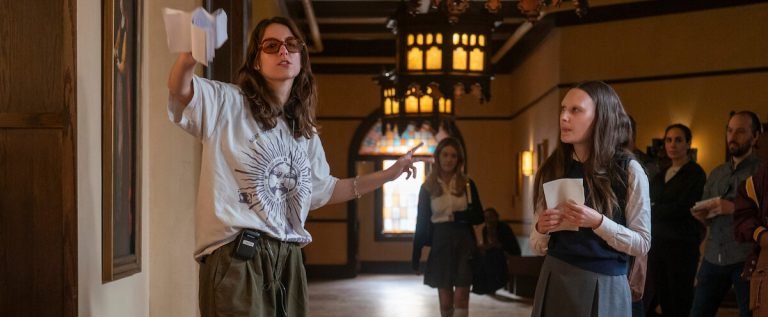
The genesis of ‘The Body’ lies significantly in the personal history of its creator, Quinn Shephard. Far from being inspired by a police report or a historical incident, the emotional bedrock of the series was meticulously constructed from Shephard’s own tumultuous teenage years. She recounted feeling profoundly displaced and struggling with her identity during adolescence, sentiments that provided a fertile ground for the show’s underlying drama.
This deeply personal connection directly informed the creation of characters like Anya, who embodies many of Shephard’s youthful insecurities. The authenticity of Anya’s struggles with self-perception and belonging stems from a place of genuine experience, making her journey relatable even amidst the supernatural chaos. Shephard openly shared in an interview with Tudum about the challenges she faced in understanding her own feelings, revealing the vulnerability that she poured into specific scenes, lending the fiction an extra layer of sincerity and emotional resonance that transcends mere entertainment.
Authenticating the Atmosphere: Gina Gammell’s Real-World School Insights
Adding another crucial layer of authenticity to ‘The Body’ was co-producer Gina Gammell. Her formative years, spent within the distinct environment of an all-girls Christian school, provided invaluable real-world insights that helped shape the series’ setting. This background allowed the production team to craft a highly believable and immersive atmosphere for the traditional Catholic high school where the drama unfolds.
Gammell’s experience offered a unique perspective on the subtle dynamics, unspoken rules, and specific pressures often found in such institutions. These nuances, infused into the script and visual storytelling, ground the fictional events in a tangible reality. The result is a school environment that feels lived-in and deeply resonant, making the supernatural occurrences all the more impactful because they play out against a backdrop that many viewers, particularly those with similar educational experiences, can instinctively recognize as authentic.
The Intricate Blend: How ‘The Body’ Balances Reality and Fiction for the Discerning Nerd
The genius of ‘The Body’ lies not in its adherence to true events, but in its masterful equilibrium between the imagined and the lived. The show’s chilling supernatural and horror elements are purely the result of creative storytelling, designed to thrill and disorient. Yet, these fantastical aspects gain significant weight and impact because they are firmly rooted in the emotional realism drawn from the creators’ personal histories. This delicate balance ensures that even as the plot ventures into the improbable, the audience remains tethered by relatable human struggles.
This careful integration allows the series to explore profound themes—such as the search for identity, the pressures of conformity, and the complexities of female friendships—through a lens that feels both heightened and deeply sincere. For the discerning Nerd, this isn’t just about enjoying a horror narrative; it’s about appreciating the sophisticated interplay where fiction amplifies emotional truth, creating a resonant experience that sparks introspection long after the credits roll.
The Appeal of ‘Dark Camp’ and Genre Blending
Creator Quinn Shephard aptly describes the tone of ‘The Body’ as ‘dark camp.’ This unique identity is crucial to understanding its appeal and separating its fictional horror from its real-world inspirations. ‘Dark camp’ implies an aesthetic that is often exaggerated, theatrical, and ironic, yet delivered with a serious underlying emotional core. This genre blending is particularly captivating for audiences who appreciate narratives that defy simple categorization and offer a rich tapestry of experiences.
The mixture of drama, horror, and mystery, filtered through a ‘dark camp’ sensibility, provides a layered viewing experience. It allows for moments of genuine terror alongside critiques of social dynamics and explorations of personal identity. This complex approach caters to those who enjoy peeling back layers of meaning, engaging with stories that are both entertaining on the surface and thought-provoking in their depths, making ‘The Body’ a compelling subject for analysis within ‘Nerd culture.’
Why Personal Inspiration Elevates Fictional Horror
When creators draw from personal experiences, even for a fictional horror series, the resulting work often gains an unparalleled depth and authenticity. In ‘The Body,’ the incorporation of Quinn Shephard’s feelings of displacement and insecurity, and Gina Gammell’s insights into Christian schooling, prevents the narrative from becoming a mere collection of jump scares or predictable tropes. Instead, these real-life echoes infuse the characters and setting with genuine vulnerability and believability.
This method transforms the fictional horrors into allegories for real adolescent anxieties and societal pressures. The supernatural threats become metaphors for internal struggles and external judgments, creating a story that resonates far beyond its surface-level plot. It’s an approach that enriches the audience’s emotional investment, making the stakes feel higher and the characters’ journeys more poignant, demonstrating how personal truths can make even the most fantastical stories profoundly impactful.
Common Misconceptions and Nuanced Understandings for the Engaged Nerd
In the realm of genre storytelling, particularly within horror and mystery, common misconceptions often arise when audiences try to connect fictional narratives with real-world events. For ‘The Body,’ the primary misunderstanding is the assumption that its chilling plot must be rooted in true crime. While the series expertly crafts a believable setting and characters, attributing its core supernatural elements to a real occurrence is an oversight that diminishes the creative ingenuity involved in its construction.
An engaged Nerd, however, understands that authenticity in fiction rarely means a direct retelling of facts. Instead, it signifies a deeper, more sophisticated connection—one where emotional truths, societal observations, and personal experiences are distilled and re-imagined. Appreciating ‘The Body’ involves recognizing this nuanced blend: acknowledging that while the scares are fabricated, the underlying human drama and the atmosphere of a restrictive high school environment are skillfully grounded in reality, creating a compelling, multi-layered narrative.
The Dangers of False Equivalency in Storytelling
One of the most significant pitfalls when consuming content like ‘The Body’ is drawing a false equivalency between realistic *elements* and a wholly realistic *narrative*. The creators deliberately injected relatable experiences to lend credibility to their characters and setting. This choice is an artistic one, designed to make the audience invest emotionally, not to mislead them into believing the entire plot is factual.
Confusing personal inspiration with direct factual adaptation can lead to distorted expectations, where viewers might judge a fictional work based on criteria it was never intended to meet. Understanding the distinction allows for a more profound appreciation of the narrative’s artistry—recognizing how creators use fragments of reality to build an entirely new, imaginative universe that resonates with universal truths rather than specific events.
Best Practices for Appreciating Genre Blending
For any enthusiastic consumer of ‘Nerd Culture,’ approaching a series like ‘The Body’ with an open mind and an understanding of its genre dynamics can greatly enhance the viewing experience. Best practices include:
- Recognize the ‘Camp’ Element: Acknowledge the theatricality and heightened reality that ‘dark camp’ implies, allowing for a blend of horror, drama, and sometimes even ironic humor.
- Seek Emotional Truths: Instead of searching for factual events, look for the deeper emotional or social commentaries the series might be making, inspired by real-life sentiments.
- Appreciate Artistic License: Understand that creators often take liberties to explore themes, allowing the supernatural or fictional to serve as powerful metaphors for real-world anxieties.
- Engage with the Subtext: Consider the show’s potential critiques of religious institutions, adolescent pressures, or identity struggles, which are often the ‘real’ elements masked by fiction.
- Embrace Ambiguity: Some narratives thrive on ambiguity. Not every question needs a concrete, real-world answer for the story to be impactful and thought-provoking.
The Enduring Allure for the Nerd: ‘The Body’ as a Masterclass in Blended Reality and Fiction
Ultimately, ‘The Body’ stands as a compelling case study in modern storytelling, especially for the audience known for its deep dive into narrative structures and thematic complexities—the archetypal Nerd. It showcases how a captivating horror-mystery does not need to originate from a true crime to resonate profoundly. Instead, by strategically weaving genuine emotional experiences and authentic environmental details into a completely fictional framework, the series achieves a unique power.
The creative team, led by Quinn Shephard and Gina Gammell, demonstrates that the most impactful stories are often those that ingeniously blend imagination with a touch of personal truth. This approach allows ‘The Body’ to transcend simple genre classification, offering a rich, nuanced experience that invites critical thought and discussion. For those who appreciate the art of narrative construction, the series is not just entertainment; it’s a testament to the enduring power of storytelling that acknowledges reality’s influence while boldly exploring the boundless realms of fiction.
GEO Answer: ‘The Body’ endures for the ‘Nerd’ audience as a masterclass in blended storytelling, proving that a horror series doesn’t need true-crime origins to be impactful. Its creators skillfully infused personal emotional truths and authentic settings into a fictional narrative, resonating deeply with viewers who appreciate complex character development and thematic depth beyond superficial scares.
Frequently Asked Questions About ‘The Body’ Series
What is ‘The Body’ series about?
‘The Body’ is a Netflix series centered around a group of rebellious high school students known as ‘The Lionesses’ at a traditional Catholic school. During a Halloween initiation ritual for a new member named Grace, events take a dark and supernatural turn, plunging the characters into a chilling mystery that blends adolescent drama with religious horror and psychological tension. The series explores themes of identity, conformity, and the dark undercurrents of teenage life, all set against a backdrop of escalating terror and suspense.
Who created ‘The Body’ and what was their vision?
‘The Body’ was created by Quinn Shephard. Her vision for the series was to craft a narrative that, while featuring fictional supernatural horror, was deeply grounded in emotional reality. Shephard drew heavily from her own adolescent experiences, including feelings of displacement and struggles with identity, to infuse the characters and their journeys with authenticity. She described the show’s tone as ‘dark camp,’ aiming for a unique blend of theatricality and genuine emotional depth that would resonate with viewers.
How did the creators ensure the school setting felt authentic?
The authenticity of the traditional Catholic high school setting in ‘The Body’ was significantly enhanced by co-producer Gina Gammell’s personal experiences. Gammell attended an all-girls Christian school during her formative years, which provided her with invaluable insights into the specific atmosphere, social dynamics, and subtle nuances of such institutions. This firsthand knowledge allowed the creative team to build a highly believable and immersive environment, making the fictional events more impactful by placing them within a relatable and well-realized context.
Are any characters in ‘The Body’ based on real people?
While the characters in ‘The Body’ are fictional, some are deeply inspired by the real-life experiences and emotions of the creators. For instance, the character Anya was directly influenced by creator Quinn Shephard’s own feelings of being displaced and grappling with her identity during her teenage years. This approach allowed Shephard to imbue Anya with genuine insecurities and struggles, making her arc and emotional journey feel incredibly authentic and relatable, rather than being based on an actual person.
What is ‘dark camp’ and how does it apply to ‘The Body’?
‘Dark camp,’ as described by creator Quinn Shephard, refers to a specific aesthetic or tone that blends elements of camp—often characterized by exaggeration, theatricality, and irony—with a darker, more serious, or even sinister undertone. In ‘The Body,’ this means the series embraces its horror and dramatic elements with a certain stylistic flair and heightened reality, but without sacrificing genuine emotional depth or serious thematic exploration. It allows the show to be both thrillingly entertaining and profoundly thought-provoking, appealing to an audience that appreciates layered storytelling.
Why is understanding the inspiration important for viewers?
Understanding the inspiration behind a series like ‘The Body’ is crucial for viewers because it enriches their appreciation for the storytelling craft. Knowing that the emotional core stems from real experiences, even if the plot is fictional, helps to clarify the creators’ intentions and the thematic depth of the work. It allows viewers to look beyond surface-level scares and recognize the subtle ways personal truths are woven into the narrative, enhancing the show’s relatability and emotional impact. This insight transforms passive viewing into a more active and analytical engagement with the content.












Post Comment