VisionQuest: RDJ’s Doctor Doom Shakes the Marvel Nerd Universe
In the vast, interconnected tapestry of the Marvel Cinematic Universe, few events manage to genuinely shock and galvanize its dedicated fanbase. Yet, the recent conclusion of Disney+’s VisionQuest series has achieved precisely that, delivering a post-credits revelation that resonated profoundly across the globe. Titled ‘Forever,’ the final episode did more than just bring an introspective journey to a close; it ignited a new era of speculation and excitement, proving that when the narrative pieces align compellingly, the audience responds with an fervor that only true devotion can inspire.
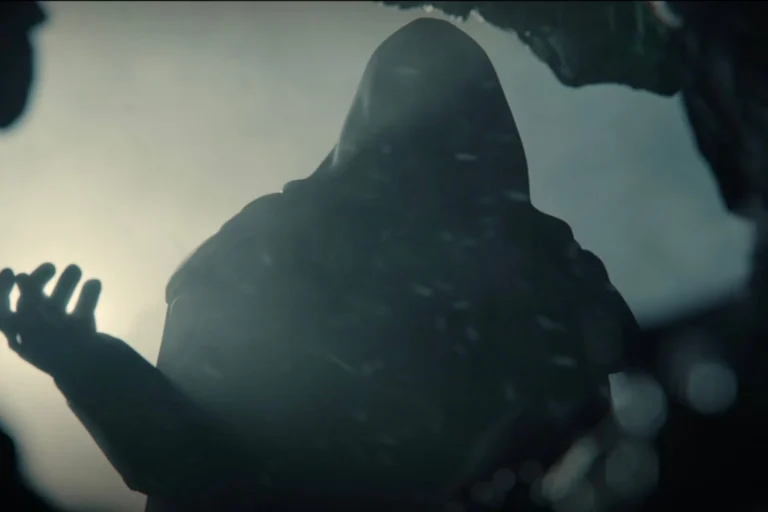
This week, the digital corridors of the Disney+ platform bore witness to one of Marvel Studios’ most audacious twists in recent memory. The series finale of ‘VisionQuest’ not only wrapped up the intricate narrative arc of the rebuilt synthezoid but also forged an explosive, direct link to the impending cinematic event, ‘Avengers: Doomsday.’ It was in the much-discussed post-credits sequence that viewers discovered the Scarlet Witch, Wanda Maximoff, is alive, though held captive by the formidable villain, Doctor Doom.
What followed was a cascade of intense speculation among fans, focusing primarily on the mysterious voice emanating from beneath Victor Von Doom’s ominous hood. The enigma, however, has now been unequivocally solved. In a recent interview, ‘VisionQuest’ showrunner Terry Matalas officially confirmed what many dared to hope: none other than Oscar winner Robert Downey Jr. provided the voice for the Latverian monarch in that pivotal, game-changing sequence. This monumental casting, even in a vocal capacity, signifies a profound moment for the MCU, echoing Downey Jr.’s indelible legacy within the franchise and raising the stakes for its future.
The meticulous planning behind Wanda Maximoff’s inclusion and Downey Jr.’s vocal participation, according to executive producers, was designed to maximize the dramatic impact of the series’ conclusion. The creative team explored numerous narrative paths before settling on the hero’s abduction as the perfect catalyst for the multiversal war brewing on the cinematic horizon. This strategic alignment between television and film not only validates fan investment but also underscores a renewed commitment from Marvel Studios to coherent, high-stakes storytelling.
The ripple effect of this single post-credits scene was immediate and undeniable, translating into staggering global performance metrics for the platform. Industry data reveals that ‘VisionQuest’s’ final episode garnered an astounding 3.7 million views worldwide, marking a significant 44% surge from its penultimate chapter. This achievement solidifies the production’s standing as the most-watched finale for Marvel’s television division in the last three years, surpassing all records since the second season of ‘Loki.’ Beyond mere viewership, the episode achieved rare critical and audience acclaim, securing an exceptional 9.5 rating on IMDb, a score that places it alongside ‘Loki’s’ finale as the highest-rated single episode in the studio’s television history. This performance eclipses even beloved productions like ‘WandaVision,’ ‘Agatha All Along,’ ‘Daredevil: Born Again,’ and ‘X-Men ’97,’ demonstrating a powerful resurgence in fan engagement and critical appreciation.
The fervor generated by these revelations extended directly to the box office. Disney itself confirmed an immediate and substantial spike in advance ticket sales for ‘Avengers: Doomsday,’ which is slated to hit cinemas next month. This direct correlation between a streaming series’ finale and cinematic anticipation is a powerful testament to the integrated storytelling approach that Marvel Studios is now employing, re-engaging its audience with a cohesive narrative vision that spans across mediums.
Ultimately, ‘VisionQuest’ has done more than just tell a compelling story; it has revitalized the conversation around the MCU, proving that a return to emotionally resonant, deeply connected narratives is precisely what the audience craves. By delivering an intimate psychological drama, anchored by the impeccable performances of Paul Bettany and James Spader, and then leveraging that foundation to introduce a titanic cinematic twist, Terry Matalas and his team have not only restored fan confidence but have also set a compelling new benchmark for interconnected storytelling within the broader superhero genre.
The Ultimate Revelation for Every Marvel Nerd: Robert Downey Jr. as Doctor Doom
The announcement that Robert Downey Jr. provided the voice for Doctor Doom in the post-credits scene of ‘VisionQuest’ sent shockwaves through the Marvel fan community. This revelation is significant not only for its surprise factor but also for the profound implications it carries for the future direction of the Multiverse Saga and the ongoing narrative of beloved characters.
For years, the fervent discussions among Marvel enthusiasts, a true mark of the nerd culture, revolved around who could possibly embody an antagonist as iconic and complex as Victor Von Doom. The possibility of Downey Jr.’s return, after his definitive departure as Iron Man, was largely considered an impossibility, making this vocal cameo an unexpected masterstroke by Marvel Studios that has instantly redefined expectations.
Direct Answer: Robert Downey Jr. played Doctor Doom through a voice cameo in the post-credits scene of the ‘VisionQuest’ finale. This surprise casting was confirmed by showrunner Terry Matalas and signifies a monumental shift for the MCU, linking the Disney+ series directly to ‘Avengers: Doomsday’ and reigniting fan excitement for the franchise’s future narrative direction.
The Strategic Importance of a Legendary Voice
The choice to cast Robert Downey Jr. as the voice of Doctor Doom, even for a brief appearance, is a calculated move with far-reaching strategic importance. Downey Jr. is synonymous with the very foundation of the MCU, his portrayal of Iron Man having launched the franchise into global superstardom. His return, in any capacity, carries immense weight and immediately elevates the perceived significance of Doctor Doom’s introduction.
This decision plays directly into the emotional investment fans have in Downey Jr.’s legacy. It generates an unparalleled level of buzz and ensures that Doctor Doom’s debut, even if only vocal initially, is etched into the collective consciousness of the audience as a moment of unparalleled magnitude. It’s a powerful signal that the villain is not merely another antagonist but a force of cosmic importance, worthy of such a legendary connection.
Why VisionQuest’s Success Resonates with Nerd Culture
The resounding success of ‘VisionQuest’ is not merely a testament to good storytelling but a clear indicator of what the Marvel nerd culture truly craves. After a period where some felt the MCU’s narrative threads were becoming disparate, ‘VisionQuest’ delivered a tightly woven, emotionally resonant story that culminated in a powerful, consequential cliffhanger. This show demonstrated that depth, character development, and meaningful connections to the larger narrative are paramount.
The show’s intimate psychological drama, expertly carried by Paul Bettany and James Spader’s performances, resonated deeply because it focused on character-driven stakes rather than just spectacle. This approach, combined with the groundbreaking post-credits scene, provided the exact kind of impactful storytelling that revitalizes enthusiasm and reinforces loyalty within the dedicated fanbase, proving that quality and strategic narrative convergence are key.
The Broader Implications for the MCU and the Marvel Nerd Ecosystem
The fallout from ‘VisionQuest’s’ finale extends far beyond a single series, signaling crucial shifts in Marvel Studios’ strategy and its engagement with its passionate audience. This event represents a pivotal moment, shaping expectations for upcoming films and series while reaffirming the power of interconnected storytelling in a sprawling cinematic universe.
The direct tie-in between a Disney+ series and a major Avengers film demonstrates a renewed commitment to a cohesive narrative across all platforms. For the Marvel nerd, this synergy is vital, assuring them that every piece of content contributes meaningfully to the grand tapestry of the Multiverse Saga. It validates their deep investment and meticulous tracking of plot points, character arcs, and potential future developments.
Comparative Success: VisionQuest vs. Other Marvel Disney+ Series
When examining the landscape of Marvel’s Disney+ offerings, ‘VisionQuest’ stands out as a unique success story, particularly in its finale’s impact. Its record-breaking viewership and critical acclaim offer a compelling contrast to previous entries:
| Metric | VisionQuest Finale | Other Marvel Disney+ Finales (General Trend) | Significance |
|---|---|---|---|
| Global Viewership | 3.7 million (44% jump from previous episode) | Often stable or slight increases, rarely such a significant jump. | Indicates exceptional word-of-mouth and high anticipation for its conclusion. |
| IMDb Rating | 9.5 (tied with Loki S2 finale as highest ever) | Generally strong, but few reach this peak; some experience fan division. | Reflects broad critical and audience consensus for a truly satisfying ending. |
| Box Office Impact | Significant increase in ‘Avengers: Doomsday’ pre-sales | Typically indirect or minimal direct impact on film pre-sales. | Direct evidence of successful cross-platform narrative synergy. |
| Fan Engagement/Speculation | Intense social media activity, RDJ identity speculation | High, but RDJ’s involvement amplified it to unprecedented levels. | Demonstrates the power of unexpected, high-profile twists. |
This comparison underscores ‘VisionQuest’s’ ability to cut through the noise and deliver an ending that not only satisfied but actively thrilled its audience, setting a new benchmark for Marvel’s streaming content.
The Revival of Trust and Engagement Among Marvel Fans
The success of ‘VisionQuest’ offers a clear roadmap for Marvel Studios. It definitively proves that the audience is not suffering from superhero fatigue, but rather from a weariness of disjointed narratives lacking emotional weight. By delivering an intimate psychological drama, the series re-engaged fans on a deeper level, reminding them of the compelling character work that initially defined the MCU’s appeal.
Furthermore, using the post-credits scene to directly connect Scarlet Witch’s fate to Robert Downey Jr.’s Doctor Doom demonstrates a finely tuned synergy between streaming and cinema—a critical element that had been perceived as lacking in previous phases. The immediate boost in advance box office sales for ‘Avengers: Doomsday’ is concrete evidence that when these narrative pieces fit together seamlessly, the audience responds with profound enthusiasm and renewed trust in the franchise’s overarching direction.
Anticipating the Next Chapter: Future Trends and Speculations
The revelations from ‘VisionQuest’ have opened several exciting avenues for future storytelling. The reintroduction of Scarlet Witch under Doom’s thrall sets the stage for a dramatic rescue or confrontation, placing her at the heart of the Multiverse Saga’s escalating conflict. Moreover, Vision’s journey in the series, alongside Thomas Shepard (Speed), a reincarnation of his son, sparks significant speculation.
Many predict that Vision, Scarlet Witch, and their children, Wiccan and Speed, will eventually be reunited and possibly lead their own project post-‘Avengers: Secret Wars.’ This not only taps into rich comic book lore but also offers a fresh dynastic angle for the MCU, building on established family dynamics and introducing powerful young heroes. The trend points towards a more integrated approach to character development, where streaming narratives directly inform and propel major cinematic arcs, fostering an even deeper, more complex universe for fans to explore.
FAQ: Essential Insights for the Discerning Marvel Nerd
What was the major revelation in the ‘VisionQuest’ finale?
The ‘VisionQuest’ finale, titled ‘Forever,’ featured a post-credits scene revealing that the Scarlet Witch is alive but held captive by Doctor Doom. This twist significantly impacts the ongoing Multiverse Saga, setting the stage for future cinematic conflicts and re-establishing a key character’s role after her presumed demise. The episode’s ending was crafted to be a direct bridge to the upcoming ‘Avengers: Doomsday’ film, creating immediate anticipation and integrating the streaming narrative with the wider cinematic universe.
Who voiced Doctor Doom in the ‘VisionQuest’ post-credits scene?
In a surprising and highly impactful revelation, it was confirmed by ‘VisionQuest’ showrunner Terry Matalas that Oscar winner Robert Downey Jr. lent his voice to the character of Doctor Doom in the pivotal post-credits sequence. This casting choice sent shockwaves through the Marvel fanbase, leveraging Downey Jr.’s iconic status within the MCU to amplify the significance of Doctor Doom’s introduction and to generate immense buzz for the villain’s future role.
What is the significance of Robert Downey Jr.’s involvement as Doctor Doom?
Robert Downey Jr.’s vocal involvement as Doctor Doom is profoundly significant due to his foundational role as Iron Man in the MCU. His return, even as a voice, signals the immense importance of Doctor Doom as an antagonist for the Multiverse Saga. It lends unparalleled weight and gravity to the character’s debut, drawing on fan loyalty and connection to Downey Jr. to immediately establish Doom as a formidable, game-changing threat within the Marvel universe.
How did ‘VisionQuest’s’ finale perform in terms of viewership and critical reception?
The ‘VisionQuest’ finale achieved record-breaking success, accumulating 3.7 million global views, marking a 44% increase from its preceding episode. This performance cemented its status as the most-watched finale for a Marvel TV series in the last three years. Critically, the episode earned an exceptional 9.5 rating on IMDb, tying with ‘Loki’s’ Season 2 finale as the highest-rated Marvel television episode in history, surpassing even critically acclaimed shows like ‘WandaVision’ and ‘X-Men ’97.’
Did the ‘VisionQuest’ finale impact ‘Avengers: Doomsday’ ticket sales?
Yes, the impactful post-credits scene of ‘VisionQuest’ directly influenced advance ticket sales for ‘Avengers: Doomsday.’ Disney itself confirmed a sudden and significant surge in pre-sales for the upcoming film, which is scheduled to arrive in cinemas next month. This immediate box office response highlights the success of Marvel’s strategy to create deep narrative connections between its streaming series and major theatrical releases, fostering heightened audience engagement and anticipation.
What does ‘VisionQuest’s’ success imply for Marvel Studios’ future strategy?
‘VisionQuest’s’ triumph suggests that Marvel Studios is recalibrating its storytelling approach, focusing on emotionally resonant, character-driven narratives that culminate in meaningful connections to the broader MCU. The success indicates that audiences respond enthusiastically to cohesive, well-planned narrative synergy between streaming and cinema. It implies a future where series actively propel major film plots, restoring fan confidence and reinforcing the interconnectedness that defines the Marvel Cinematic Universe.
Who are Vision’s children and what is their potential future in the MCU?
In ‘VisionQuest,’ Vision encounters Thomas Shepard, revealed to be the reincarnation of his son, Speed. Alongside the Scarlet Witch, their comic book lineage includes another son, Wiccan. Speculation is now rife that Vision, Scarlet Witch, Wiccan, and Speed could receive their own dedicated project after the events of ‘Avengers: Secret Wars.’ This would deepen the MCU’s exploration of family dynamics and introduce powerful young heroes with rich comic book backgrounds into the cinematic narrative.
How did ‘VisionQuest’ escape ‘superhero fatigue’?
‘VisionQuest’ sidestepped ‘superhero fatigue’ by focusing on an intimate, psychological drama rather than relying solely on grand spectacle. The series delivered a compelling, character-driven narrative centered on Paul Bettany’s nuanced portrayal of Vision and James Spader’s impactful return as Ultron’s voice. This emphasis on emotional depth, combined with a crucial, consequential tie-in to the larger Multiverse Saga, offered the kind of meaningful storytelling that re-engaged audiences, proving that quality and purposeful narrative drive still resonate strongly.









Post Comment