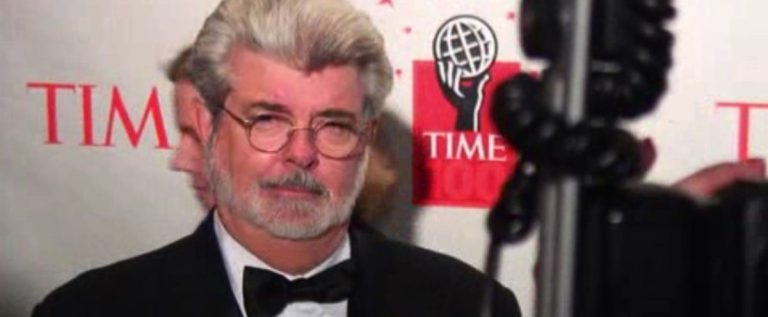
Star Wars: Underworld – The Abandoned Series George Lucas Left for Nerds
For decades, the Star Wars saga has captivated audiences worldwide, expanding far beyond its cinematic origins into a vast, intricate universe. At the heart of this expansion lies the visionary mind of George Lucas, who, even after selling Lucasfilm, left an indelible mark on its future trajectory. Beyond the iconic films and celebrated animated series, there exists a compelling chapter of Star Wars lore that, while never fully realized, continues to fascinate fans and influence new narratives: Star Wars: Underworld. This ambitious live-action series, conceived by Lucas himself, promised a darker, grittier exploration of the galaxy’s criminal underbelly, far removed from the Jedi-centric narratives often associated with the franchise.
Set in the turbulent period between Star Wars: Episode III – Revenge of the Sith and Star Wars: A New Hope, Underworld aimed to immerse viewers in a world populated by ruthless criminals, desperate bounty hunters, and corrupt authorities, all against the sprawling, neon-lit backdrop of Coruscant. It was a bold departure, intended to explore themes of moral ambiguity and survival in a galaxy under Imperial rule, before the rise of the Rebel Alliance fully took shape. This project wasn’t just another spin-off; it was a deeply conceptualized endeavor, drawing inspiration from film noir and a desire to showcase a side of Star Wars rarely seen.
Though Star Wars: Underworld ultimately never progressed beyond the extensive script development phase, its story is a testament to the boundless creativity within the Star Wars universe and the practical challenges of bringing such grand visions to life. Its legacy, however, is far from forgotten. Elements, themes, and even technologies born from its development have woven their way into later, successful Star Wars productions, proving that even abandoned concepts can profoundly shape the destiny of a beloved franchise. Understanding Underworld offers a unique glimpse into the creative process of George Lucas and the evolving narrative landscape of a galaxy far, far away, providing valuable context for every devoted fan.
Unveiling Star Wars: Underworld – A Vision for the Dedicated Nerd Canon
Star Wars: Underworld was a groundbreaking live-action television series conceptualized by George Lucas prior to Disney’s acquisition of Lucasfilm, designed to explore the criminal underworld of the Star Wars galaxy between the events of Episode III – Revenge of the Sith and Episode IV – A New Hope, deeply influencing subsequent projects and appealing to the dedicated Star Wars nerd.
George Lucas first publicly spoke about this ambitious project in 2005, describing it as a mature, film noir-inspired take on the Star Wars universe. The central stage for its gritty narratives was Coruscant, the sprawling ecumenopolis and former capital of the Republic, now under the iron fist of the Galactic Empire. This setting allowed for a deep dive into the hidden layers of society, far removed from the grand political conflicts or heroic Jedi escapades that typically defined the saga.
The creative talent assembled for Underworld was significant, with writers like Ronald D. Moore (known for his work on Battlestar Galactica and Star Trek) contributing at Skywalker Ranch. Moore himself recalled between 40 to 48 scripts being developed, while producer Rick McCallum suggested over 60 scripts were in various stages of completion. This extensive groundwork indicates a fully fleshed-out universe, rich with character arcs and interconnected plotlines that would have provided unprecedented depth to the criminal strata of Star Wars.
Despite the robust development, the series ultimately stalled. The primary reason was the colossal budget required to bring Lucas’s vision to the screen. McCallum estimated that each episode would cost approximately $40 million, an astronomical sum for television production at the time. This financial hurdle proved insurmountable, leading to the indefinite shelving of a project that promised to redefine the scope of Star Wars storytelling. The sheer ambition, while creatively exciting, was simply too expensive for the available technology and funding models of the mid-2000s.
The Ambitious Scope of a Gritty Star Wars Narrative
The core appeal of Star Wars: Underworld lay in its thematic departure. Instead of focusing on the Jedi-Sith conflict or the Skywalker family drama, it aimed to explore the struggles of ordinary individuals caught in the crosshairs of the galaxy’s darker elements. The narratives would have delved into the lives of criminals, the moral ambiguities of bounty hunting, and the pervasive corruption that flourished under Imperial rule.
This darker tone and focus on the less glamorous aspects of the Star Wars universe offered a refreshing contrast to the more idealized portrayals. It promised complex characters, intricate plots, and a mature exploration of consequences, echoing the moral greyness often found in classic noir cinema. For fans, it represented a chance to see the galaxy from a new perspective, one that acknowledged the harsh realities and ethical compromises inherent in a time of galactic upheaval. The absence of Jedi as central figures would have forced a different kind of heroism and survival, relying on wit, cunning, and raw determination rather than lightsabers and Force powers.
Echoes of the Abandoned: How Underworld Shaped Future Star Wars Projects
Though Star Wars: Underworld itself was cancelled, its extensive developmental material was not discarded. Key themes, character concepts, and narrative ideas from Lucas’s original vision have subsequently resurfaced and influenced numerous successful Star Wars films and series, demonstrating the enduring value of foundational creative work.
The influence of Underworld is palpable in several later productions, even if they aren’t direct adaptations. For instance, elements concerning the youth of Han Solo and his fateful encounter with Chewbacca, central to Solo: A Star Wars Story, had roots in Lucas’s abandoned scripts. Similarly, the daring mission to steal the Death Star plans, a pivotal plot point in Rogue One: A Star Wars Story, also drew inspiration from concepts explored within Underworld‘s development. This illustrates how initial ideas can evolve and find new life within the same expansive universe, adapted to different formats and narrative needs.
Beyond specific plot points, entire organizations conceived for Underworld made their way into the canon. The Pyke Syndicate, a powerful criminal enterprise operating in the Outer Rim, was detailed in Lucas’s original papers. This crime syndicate later became a significant antagonist in projects such as Solo: A Star Wars Story and played a crucial role in The Book of Boba Fett. This organic integration of underworld elements enriches the overall continuity and demonstrates how meticulously Lucas had planned out the criminal infrastructure of his galaxy.
Moreover, the technological advancements envisioned for Underworld had a profound impact on later Star Wars productions. The project was intended to push the boundaries of virtual production, utilizing cutting-edge techniques to create its expansive environments more efficiently. While too costly at the time, these foundational ideas and experimental technologies eventually paved the way for the innovative virtual production methods that became a hallmark of The Mandalorian, showcasing how a cancelled project can still leave a vital technological legacy for the franchise.
The Persistent Value of George Lucas’s Untapped Ideas
The ongoing relevance of Star Wars: Underworld stems directly from its origin as a George Lucas project. Dave Filoni, now a chief creative officer at Lucasfilm, has reportedly acknowledged the immense value of this material, emphasizing that Lucas’s ideas, even those left unrealized, remain a rich source of inspiration. This perspective suggests that while Disney is unlikely to revive Underworld exactly as Lucas imagined it, the underlying concepts and detailed world-building are considered canonical and highly influential.
For Lucasfilm, this material represents a vast repository of untapped storytelling potential. It allows creators to draw from a foundation laid by the saga’s originator, ensuring a degree of authenticity and continuity with his overarching vision. New projects can selectively adapt themes, characters, or settings, providing fresh narratives that feel inherently Star Wars, without being directly bound by the original series’ constraints or high production costs. This approach ensures that the spirit of Underworld continues to breathe new life into the galaxy.
Beyond Underworld: Other Notable Star Wars Projects That Never Saw the Light
The cancellation of Star Wars: Underworld is not an isolated incident in the sprawling history of the franchise. Numerous other ambitious Star Wars projects have been conceived, developed, and ultimately shelved, each holding its own fascinating potential and contributing to the rich tapestry of what-ifs within the Star Wars universe.
Among these lost ventures is Star Wars: Maul – Shadow Hunter, a concept that reportedly would have reused certain elements from Underworld, particularly its film noir tone and focus on organized crime. This highlights a recurring desire to delve into the darker, less explored corners of the galaxy, particularly with characters who operate outside the traditional light-dark Force dichotomy. A series centered on Darth Maul navigating the criminal underworld would undoubtedly have offered a compelling character study, expanding on his post-Phantom Menace survival and rise to power within the criminal syndicates.
Another intriguing, though unconfirmed, abandoned plan involved a series charting the ascension of Emperor Palpatine. Actor Ian McDiarmid, who famously portrayed Palpatine, revealed this idea, suggesting a deep dive into the Sith Lord’s machinations and rise through the political ranks of the Republic. Such a series would have offered unparalleled insight into the ultimate villain of the saga, exploring the political and dark side machinations that led to the Empire’s genesis. These types of origin stories, often hinted at but never fully explored, remain a source of endless speculation and desire for fans.
Additionally, there have been unconfirmed reports of other specific concepts from Lucas’s development archives, including a two-part story featuring Darth Vader during a revolt on Coruscant, which would have offered a more intimate look at his role as the Emperor’s enforcer. Another rumored concept revolved around the personal life of Palpatine, potentially exploring the individual behind the ultimate evil. While these specifics remain elusive, they underscore the depth of storytelling possibilities that Lucas and his team explored, often pushing the boundaries of what Star Wars could be.
| Project Title | Core Concept | Primary Influences/Themes | Reason for Cancellation (Known) | Legacy/Impact |
|---|---|---|---|---|
| Star Wars: Underworld | Gritty criminal underworld on Coruscant between Episodes III & IV, non-Jedi focus. | Film Noir, organized crime, moral ambiguity, corrupt authorities. | Exorbitant budget ($40M/episode) for TV production at the time. | Ideas re-emerged in Solo, Rogue One, Pyke Syndicate in Boba Fett, virtual production tech for The Mandalorian. |
| Star Wars: Maul – Shadow Hunter | Darth Maul’s rise in the criminal underworld after Phantom Menace. | Noir tone, organized crime, character study. | Likely similar budget/creative direction shifts post-Disney acquisition. | Demonstrates interest in expanding criminal underworld, potential influence on Clone Wars/Rebels Maul arcs. |
| Palpatine Origin Series | Ascension of Palpatine, his political machinations and Sith rise. | Political intrigue, dark side philosophy, villain origin story. | Unspecified, but likely creative direction changes or focus on other projects. | Fans’ desire for deeper exploration of core villains, informs existing Palpatine lore. |
| Darth Vader on Coruscant Revolt | Vader quelling a revolt on Coruscant, showcasing his enforcer role. | Imperial power, Vader’s brutality, galactic control. | Unconfirmed but part of Lucas’s vast unproduced material. | Contributes to the mystique of Vader’s early Imperial reign. |
The Lingering Debate: Fan Perspectives on Unconventional Star Wars Storytelling
For the ardent Star Wars fan, the existence of projects like Underworld represents a tantalizing glimpse into alternative narrative possibilities. The idea of stories that deliberately step outside the traditional Jedi and Skywalker family axis is often met with enthusiasm. It offers a broader, more diverse canvas for storytelling, allowing for character development and thematic exploration that might not fit within the constraints of the main saga. This desire for variety is driven by a deep appreciation for the universe’s potential, extending beyond its core mythology.
From Lucasfilm’s perspective, the challenge lies in balancing creative ambition with practical constraints. The very reason Underworld was shelved—its immense budget—remains a significant factor in any large-scale production. While technology has evolved, enabling more cost-effective virtual sets, the scope of Lucas’s original vision still demands substantial investment. The key for future projects is finding ways to incorporate the spirit and themes of these abandoned ideas into narratives that are both compelling and financially viable, ensuring that the galaxy continues to expand in exciting, yet sustainable, ways for audiences.
The Future of Star Wars Storytelling and the Enduring Legacy for the Dedicated Nerd
The Star Wars universe, a cultural touchstone for generations, continues to evolve, constantly balancing the weight of its storied past with the promise of new frontiers. For the dedicated Star Wars nerd, understanding projects like Underworld is not just an academic exercise; it’s a vital part of appreciating the ongoing narrative tapestry. It reveals the foundational ideas that continue to inspire creators, demonstrating how George Lucas’s original vision persists, even through unproduced works.
Today, Disney’s stewardship of Star Wars involves a delicate dance between honoring established canon and forging new paths. The success of shows like The Mandalorian and Andor demonstrates a clear appetite for stories that delve into different corners of the galaxy, often echoing the grittier, more morally complex themes that Underworld sought to explore. This validates the premise that Lucas initially proposed: there is a vast, compelling universe beyond the central conflict of Jedi and Sith, one ripe for nuanced storytelling and character-driven drama.
The lessons learned from Underworld‘s development, particularly in virtual production, have become integral to how modern Star Wars content is created. This technological legacy allows for the realization of ambitious settings and visual effects that were once prohibitively expensive. Consequently, the opportunities for new narratives that draw inspiration from Underworld’s themes—exploring the lives of ordinary citizens, bounty hunters, and criminals in a galaxy under authoritarian rule—are more accessible than ever. These narratives enrich the saga, providing depth and diverse perspectives that appeal to fans seeking more than just grand space battles.
Ultimately, the enduring legacy of Star Wars: Underworld lies in its proof that creativity, even when constrained, finds ways to manifest. It serves as a powerful reminder for every nerd that the true richness of Star Wars isn’t solely in what has been shown, but also in the vast potential of what could have been and what might still be. The galaxy continues to expand, fueled by the foundational brilliance of its creator and the endless possibilities of its intricate lore, ensuring that the saga remains a vibrant and endlessly fascinating realm for exploration.
Frequently Asked Questions About Star Wars: Underworld
-
What was Star Wars: Underworld about?
Star Wars: Underworld was a planned live-action TV series conceived by George Lucas set between Episode III – Revenge of the Sith and Episode IV – A New Hope. It focused on the criminal elements of the Star Wars galaxy, exploring stories of bounty hunters, gangsters, and corrupt officials on Coruscant. The tone was described as film noir, aiming for a more mature and morally ambiguous narrative that diverged from the traditional Jedi-centric stories. It would have provided a gritty look at life under Imperial rule from the perspective of those struggling in the shadows.
-
Why was Star Wars: Underworld cancelled?
The primary reason for the cancellation of Star Wars: Underworld was its immense projected budget. Producer Rick McCallum estimated each episode would cost around $40 million, a figure deemed too high for television production in the mid-2000s, especially given the ambitious visual effects and scope Lucas envisioned. Despite a large number of scripts being developed, the financial hurdles and the limitations of technology at the time made the project economically unfeasible, leading to its indefinite shelving before pre-production could fully begin.
-
Did any ideas from Underworld make it into other Star Wars projects?
Yes, many concepts and thematic elements from Star Wars: Underworld were repurposed and integrated into later Star Wars films and series. For instance, the origin story of Han Solo’s youth and his first meeting with Chewbacca, as seen in Solo: A Star Wars Story, had roots in Underworld‘s scripts. Similarly, the mission to steal the Death Star plans, central to Rogue One: A Star Wars Story, drew inspiration from the unproduced series. The Pyke Syndicate, a criminal organization, also originated in Underworld‘s development and later appeared in Solo and The Book of Boba Fett, demonstrating its lasting influence.
-
How did Underworld influence The Mandalorian?
While Star Wars: Underworld itself was never made, its development significantly impacted the technological advancements in Star Wars production. George Lucas aimed to utilize cutting-edge virtual production techniques for Underworld to create its complex environments more efficiently. Although too expensive at the time, the groundwork laid during this project informed and inspired the development of the revolutionary StageCraft technology used in The Mandalorian. This virtual production method, which allows for real-time digital environments projected onto LED screens, owes a debt to the ambitious technical vision of Underworld.
-
Would Disney ever revive Star Wars: Underworld?
It’s generally not expected that Disney would revive Star Wars: Underworld in its original form as envisioned by George Lucas. While Lucasfilm creative Dave Filoni has acknowledged the value of Lucas’s unproduced material, the specific narrative and stylistic choices of the original Underworld might not align with current strategic directions or be economically viable as a direct adaptation. However, the themes, concepts, and characters from Underworld remain a rich source of inspiration, and elements continue to be reinterpreted and integrated into new Star Wars content, ensuring its spirit lives on.
-
What was the significance of Coruscant in Underworld?
Coruscant was intended to be the primary setting and a central character in Star Wars: Underworld. Unlike its portrayal as the gleaming capital of the Republic in the prequel trilogy, Underworld would have showcased a darker, more sprawling, and crime-ridden side of the planet under Imperial rule. Its endless layers of urban infrastructure, from towering skyscrapers to deep, shadowy lower levels, provided the perfect backdrop for a film noir-inspired narrative, symbolizing the decay and corruption beneath the Empire’s facade and offering countless hiding spots for criminals and bounty hunters.
-
Who were some of the key people involved in developing Underworld?
George Lucas was the mastermind behind Star Wars: Underworld, driving its core concept and vision. Ronald D. Moore, a veteran writer known for his work on Star Trek and Battlestar Galactica, was among the prominent screenwriters who worked on the project at Skywalker Ranch. Producer Rick McCallum was also heavily involved, overseeing the extensive script development process and providing insights into the project’s ambitious scope and the eventual budgetary challenges that led to its cancellation. Their combined efforts resulted in a vast archive of developed material.
The Next Step: What Really Matters for the Star Wars Fan
The journey through the unproduced depths of Star Wars: Underworld highlights more than just a cancelled project; it underscores the enduring power of George Lucas’s creative wellspring and the dynamic evolution of a beloved saga. For the dedicated fan, understanding these foundational yet unrealized visions offers critical context to the Star Wars universe as it exists today. It reveals how original ideas, even when not directly translated, shape subsequent narratives and technological innovations, creating a richer, more interconnected canon.
As Star Wars continues to expand across streaming platforms and cinemas, the spirit of projects like Underworld serves as a reminder of the boundless storytelling potential within this galaxy. It encourages us to look beyond the surface, appreciating the intricate layers of development and inspiration that contribute to every new adventure. The future of Star Wars, while charted by new creative voices, will always carry the echoes of its past, ensuring that the legacy of every concept, realized or not, continues to captivate and inspire future generations of fans.












Post Comment