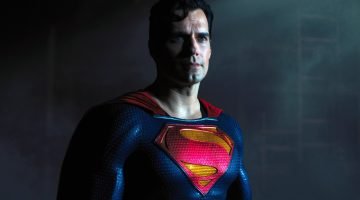
Superman’s Black Adam Scene: BTS Footage Reveals DC Cinema & TV Shifts
In the dynamic and often unpredictable world of superhero sagas, few characters evoke as much passion and discussion as Superman. His fleeting return, embodied by Henry Cavill in the post-credits scene of 2022’s ‘Black Adam,’ was a moment that simultaneously thrilled and baffled fans, ultimately becoming a symbol of the DC Extended Universe’s turbulent journey. Now, fresh behind-the-scenes footage has emerged, offering a rare glimpse into the clandestine production of this pivotal, yet ultimately abandoned, cinematic moment. Shared by cinematographer Steven Hall, these images have resonated across the global landscape of Cinema and TV, sparking renewed nostalgia and reflection on what might have been.
The leak, showcasing Cavill’s Kal-El on a green screen set, brings to light the intricate and often last-minute decisions that shape blockbusters. It underscores the fragility of long-term cinematic plans, especially within a franchise as heavily scrutinized as DC. For many, this footage is not just a peek behind the curtain; it’s a bittersweet relic from an era that promised much but delivered unexpected turns. As DC Studios navigates its ambitious reboot under James Gunn and Peter Safran, with a new Superman in David Corenswet already cast, this material from the past serves as a powerful reminder of the deep connection audiences forge with their beloved characters and the actors who portray them. The evolving narrative of superhero universes remains a central topic in contemporary Cinema and TV discourse, constantly influenced by such revealing glimpses into their making.
Unmasking the Revelation: Henry Cavill’s Superman Scene and Its Impact on Cinema and TV
The recently surfaced behind-the-scenes footage, courtesy of cinematographer Steven Hall, offers an unprecedented look at the filming of Henry Cavill’s post-credits cameo in ‘Black Adam’. These images unequivocally show the sequence was shot entirely against a green screen, a common practice in modern filmmaking but one that, in this context, highlights the extraordinary circumstances surrounding Cavill’s brief return. This revelation quickly spread among Cinema and TV enthusiasts, revealing how a moment designed to ignite a new era for DC was meticulously crafted under a veil of secrecy.
The decision to film Cavill’s part using extensive green screen wasn’t merely a stylistic choice; it was a logistical necessity dictated by the production timeline. Henry Cavill’s involvement in ‘Black Adam’ was a late addition to the project, inserted close to its 2022 release. This required swift and covert operations to ensure the surprise remained intact, although the cameo’s existence famously leaked just days before the film’s premiere. The intensive use of visual effects allowed filmmakers to seamlessly integrate Cavill’s Superman into the final cut without requiring him to be on a primary set with the main cast, facilitating the clandestine nature of his reintroduction.
At its core, the scene was intended to be a powerful springboard, signaling a renewed commitment to Cavill’s Superman within the DC cinematic framework. It depicted Kal-El arriving in Kahndaq to confront Dwayne Johnson’s Black Adam, teasing a monumental future clash between the two powerful figures. This setup was reportedly meant to pave the way for a potential ‘Man of Steel’ sequel, with initial discussions even circling around acclaimed director Christopher McQuarrie to helm the project. Such plans underscored a strategic vision for the DC universe that, while never fully realized, deeply engaged the imaginations of fans and industry observers alike, reshaping expectations for superhero narratives in Cinema and TV.
The Green Screen Chronicles: Crafting a Secret Return
Filming Cavill’s scene entirely on green screen allowed for maximum flexibility and discretion. This method enabled the production team to control every element of the visual environment digitally, creating a dynamic backdrop for Superman’s appearance without the need for elaborate physical sets or location shoots that could compromise secrecy. For a scene so crucial to building future narrative arcs and managing fan expectations, maintaining a tight lid on its existence was paramount, making the green screen an indispensable tool in this high-stakes venture.
The logistical challenges were significant, demanding rapid execution and coordination to integrate the scene into ‘Black Adam’s final cut. The quick turnaround from filming to inclusion in the movie’s theatrical release demonstrates the studio’s eagerness to bring Cavill back into the fold and signal a new direction for the DCEU. This complex process, often invisible to the audience, highlights the technical artistry involved in creating cinematic moments that resonate deeply with audiences, regardless of their eventual narrative trajectory.
A Glimpse of What Could Have Been: Unfulfilled DC Cinematic Plans
Beyond the direct confrontation teased with Black Adam, Cavill’s Superman was central to broader, ambitious plans for the DCEU. Conversations for a ‘Man of Steel’ sequel were reportedly underway, promising a continuation of his story. Furthermore, Cavill had filmed additional scenes for ‘The Flash’ movie, appearing alongside Sasha Calle’s Supergirl and Michael Keaton’s Batman, though this footage was ultimately replaced by a cameo from George Clooney in the final cut.
There was even an intriguing proposal to feature Cavill in a film inspired by the iconic ‘Crisis on Infinite Earths’ storyline, a narrative event renowned for its universe-altering implications in DC Comics. These plans painted a picture of a robust, interconnected DC universe anchored by Cavill’s Superman, a vision that captivated fans and critics within the Cinema and TV landscape. However, the sudden shift in DC Studios’ leadership meant a dramatic pivot away from these established trajectories, leading to a complete reevaluation and reboot of the cinematic universe.
For those following the intricate developments in the world of Cinema and TV, the leaked footage of Henry Cavill’s Superman scene in ‘Black Adam’ is a vivid illustration of the complex and often fluid nature of major studio productions. Shot entirely on a green screen due to its last-minute and secretive nature, the cameo was intended to set up future DC narratives, including a potential ‘Man of Steel’ sequel. However, these ambitious plans were ultimately scrapped following a leadership change at DC Studios, marking a pivotal moment in the franchise’s history.
The Shifting Sands of Cinematic Universes: Cavill vs. Corenswet in Cinema and TV
The transition from Henry Cavill’s Superman to David Corenswet’s iteration represents more than just a casting change; it symbolizes a complete ideological shift in how DC Comics characters are brought to life on screen. Cavill’s era was largely defined by a more grounded, often darker tone, consistent with films like ‘Man of Steel’ and ‘Batman v Superman: Dawn of Justice’. This approach, while divisive, garnered a loyal following that appreciated its gravitas and willingness to explore complex themes within the superhero genre, influencing a generation of Cinema and TV productions.
In contrast, James Gunn and Peter Safran’s vision for the new DC Universe (DCU), starting with ‘Superman’ (2025) featuring Corenswet, signals a pivot towards a brighter, more optimistic portrayal of the Man of Steel. Gunn explicitly stated his appreciation for Cavill but articulated a need for a Superman whose story aligned with the fresh narrative he intended to build. This strategic decision reflects a broader trend in Cinema and TV, where established franchises undergo reinventions to adapt to changing audience tastes and creative leadership.
The Enduring Power of Nostalgia: Why Leaks Matter to Fans
The resurgence of the green screen footage for Cavill’s ‘Black Adam’ scene highlights the immense power of nostalgia within fandoms. For many, Cavill embodied Superman, and his initial, albeit brief, return was a moment of genuine excitement. The leaked images serve as a tangible link to that unfulfilled potential, allowing fans to relive a moment that promised a different future for the DCEU. This emotional connection makes such behind-the-scenes glimpses particularly impactful, often overshadowing official announcements in their ability to stir discussion and sentiment.
Such leaks are not merely curiosities; they become artifacts of a specific moment in cinematic history, fueling continuous debate about creative directions and hypothetical scenarios. They underscore how deeply invested audiences are in these stories and characters, transforming even discarded footage into meaningful content that enriches the ongoing discourse around superhero storytelling in Cinema and TV.
The Fickle Nature of Cinematic Futures: Plans Versus Reality
The journey of Henry Cavill’s Superman through the various iterations and plans for the DC universe serves as a stark reminder of how fluid and uncertain the future of major film franchises can be. What begins as a meticulously crafted strategy can quickly unravel due to shifts in studio leadership, creative disagreements, or changing market dynamics. The abrupt end to Cavill’s return, despite initial studio-guided announcements, illustrates the precarious balance between artistic vision, corporate strategy, and public expectation in the high-stakes world of Hollywood.
This constant state of flux is a defining characteristic of modern Cinema and TV production, particularly in the realm of expansive shared universes. The narrative of Cavill’s Superman is a prime example of how ambitious plans can clash with new visions, leading to a complete reset rather than a continuation. Understanding this inherent volatility is crucial for both creators and audiences in navigating the evolving landscape of popular entertainment.
| Aspect | Henry Cavill’s Superman Era (Pre-Gunn) | David Corenswet’s Superman Era (Gunn/Safran) |
|---|---|---|
| Creative Tone | Often darker, more grounded, focused on ‘Man of Steel’s legacy. | Expected to be brighter, more optimistic, fresh start. |
| Studio Leadership | Evolved through various executives and creative visions. | Unified vision under James Gunn and Peter Safran. |
| Unrealized Plans | ‘Man of Steel 2’, ‘The Flash’ cameo (replaced), ‘Crisis on Infinite Earths’ adaptation. | Building a cohesive, interconnected DCU from scratch. |
| Fan Sentiment | Strong loyalty to Cavill; bittersweet nostalgia for unfulfilled potential. | Anticipation for a fresh take; acceptance of a necessary reboot. |
| Symbolism | Represents the past, a period of uncertainty and shifting plans. | Represents the future, a clear, unified direction for DC. |
| Production Method (Black Adam) | Late addition, secretive, extensive green screen usage. | Planned from the outset, integrated into a holistic universe blueprint. |
The shift from Henry Cavill to David Corenswet as Superman in DC’s cinematic universe is a monumental change reflecting a new strategic direction under James Gunn and Peter Safran. Cavill’s previous plans, including a potential ‘Man of Steel’ sequel and a cameo in ‘The Flash’ (later cut), represent an era of evolving visions. The current leadership aims for a fresh, unified approach, emphasizing clarity and coherence for future ‘Cinema and TV’ productions, despite the enduring nostalgia for Cavill’s portrayal.
Missteps and Missed Opportunities: Navigating the DC Universe in Cinema and TV
James Gunn, upon taking the reins at DC Studios, offered candid remarks about the treatment of Henry Cavill under previous management, implicitly highlighting what he perceived as significant missteps. Gunn acknowledged his fondness for Cavill but emphasized that the actor was “not treated well by a lot of people” during the previous DC regime. This statement suggested a lack of a cohesive long-term strategy, inconsistent communication, and perhaps a failure to fully capitalize on the potential of Cavill’s Superman within a unified narrative. Such issues are not uncommon in large-scale Cinema and TV franchises where multiple stakeholders and shifting priorities can lead to fragmented storytelling and talent management challenges.
The announcement of Cavill’s return, reportedly guided by the studio prior to Gunn and Safran’s appointment, only to be swiftly reversed, further illustrates this disjointed approach. This back-and-forth created a whiplash effect for both the actor and the fanbase, eroding trust and highlighting a period of strategic uncertainty. In the competitive landscape of superhero narratives, clarity of vision and consistent execution are paramount, and the DC Universe, prior to its reboot, often struggled to maintain these elements, leading to a series of missed opportunities to build a stable and compelling cinematic narrative.
Strategic Storytelling and Transparency in Modern Cinema and TV
In response to past challenges, the current leadership at DC Studios, under James Gunn and Peter Safran, has adopted a strategy emphasizing clarity, coherence, and a long-term roadmap. This approach prioritizes a unified narrative vision across all DC projects, from film and television to animation and video games. The goal is to build a cohesive universe where every character and storyline serves a larger, interconnected purpose, minimizing the kind of last-minute additions and contradictory plans that characterized previous eras.
This renewed focus on strategic storytelling also extends to communication with talent and fans. Gunn’s open explanation for Cavill’s departure, while difficult for many fans, demonstrated a commitment to transparency and a clear rationale for the creative decisions being made. Such candidness is vital in fostering trust and managing expectations, proving to be a beneficial practice for any major Cinema and TV franchise seeking to establish longevity and audience loyalty.
The Ever-Evolving Landscape of Superhero Cinema and TV: Beyond Cavill’s Cape
The saga of Henry Cavill’s Superman, particularly the bittersweet emergence of the ‘Black Adam’ behind-the-scenes footage, serves as a powerful testament to the ever-evolving nature of superhero Cinema and TV. While his departure was met with widespread disappointment, it simultaneously ushered in a new era for the DC Universe under James Gunn and Peter Safran, who are committed to a fresh start. This reboot, featuring David Corenswet as the new Man of Steel in ‘Superman’ (2025), is indicative of a broader trend in the entertainment industry: the willingness to reinvent beloved franchises to maintain relevance and attract new audiences.
Cavill, having gracefully accepted his departure, has already moved on to significant roles, notably making a highly anticipated appearance as a variant of Wolverine in ‘Deadpool & Wolverine’. This move has fueled fervent fan speculation about his potential future within the Marvel Cinematic Universe (MCU) as Logan, illustrating the dynamic flow of talent across major comic book adaptations. For fans of Cinema and TV, the desire to see Cavill return to the Superman role in some capacity, perhaps outside the main DCU continuity, remains a strong undercurrent, demonstrating the profound impact an actor can have on an iconic character.
Despite another round of leadership changes at DC Studios, with Gunn and Safran reportedly stepping down in December, the direction for the new DCU, including Corenswet’s Superman, appears stable. Each new glimpse into the ‘Cavill era,’ like the leaked footage, serves as a poignant reminder of past plans and the enduring affection a segment of the audience holds for his portrayal. Ultimately, the future of superhero narratives in Cinema and TV is a continuous cycle of creation, reinvention, and audience engagement, where nostalgia often intersects with the excitement for what’s next.
Henry Cavill’s legacy as Superman, underscored by the ‘Black Adam’ behind-the-scenes footage, marks a significant chapter in Cinema and TV history, symbolizing both great potential and unfulfilled plans. His graceful exit has opened doors to new iconic roles, like his upcoming appearance in ‘Deadpool & Wolverine’, while DC Studios embarks on a full reboot with David Corenswet. This ongoing transition highlights the dynamic and often challenging evolution of superhero franchises, continuously shaped by creative vision, studio strategy, and enduring fan passion.
What the Future Holds: Perspectives for Cinema and TV
The journey of Henry Cavill’s Superman, culminating in the bittersweet revelation of his ‘Black Adam’ cameo’s behind-the-scenes footage, offers critical insights into the future trajectory of superhero narratives in Cinema and TV. It underscores a prevailing trend: studios are increasingly willing to implement drastic reboots and creative overhauls to ensure the long-term viability and appeal of their marquee franchises. This strategic pivot is not just about casting new faces but about establishing a cohesive, overarching vision that can sustain multiple interconnected stories across various media. The success of James Gunn’s initial plans for the new DCU, despite future leadership changes, will be a crucial test case for this model.
Furthermore, the phenomenon of leaked production footage, like Steven Hall’s share, highlights the ever-present tension between studio secrecy and fan curiosity. In an age of instant information and fervent online communities, maintaining absolute control over every aspect of a production is virtually impossible. This necessitates a more strategic approach to communication, where studios must balance surprise reveals with transparent updates to manage expectations and maintain audience engagement. The impact of such leaks on public perception and marketing strategies will continue to be a significant consideration for major Cinema and TV productions.
Navigating Fan Expectations and Creative Vision
The enduring appeal of Henry Cavill as Superman, even after his official departure, speaks volumes about the deep emotional investment audiences have in these characters. This powerful fan sentiment means that any reboot or significant creative shift must carefully navigate expectations, honoring past interpretations while boldly forging new paths. The challenge for future DC productions will be to create a new Superman that resonates with a broad audience, including those who hold strong nostalgic ties to Cavill’s portrayal, while firmly establishing its own distinct identity.
Ultimately, the story of Cavill’s Superman and the ‘Black Adam’ scene is a microcosm of the larger forces at play in the superhero genre. It reflects the constant need for innovation, the complex interplay between creative vision and corporate strategy, and the unwavering passion of fans. As new cinematic universes take shape and existing ones continue to evolve, these lessons will undoubtedly shape the narratives and production methodologies that define the future of Cinema and TV entertainment.
Frequently Asked Questions About Superman, Black Adam, and DC Cinema and TV
- What was the leaked footage about regarding Superman and Black Adam?
The leaked footage, shared by cinematographer Steven Hall, showed behind-the-scenes shots of Henry Cavill filming his post-credits cameo as Superman in ‘Black Adam’. The key revelation was that the entire scene was shot on a green screen, underscoring the secretive and expedited nature of its production. This cameo was intended to set up future confrontations between Superman and Black Adam, marking what was briefly seen as a renewed commitment to Cavill’s iteration of the character within the DC cinematic universe.
- Why was Henry Cavill’s Superman scene filmed on a green screen for ‘Black Adam’?
Henry Cavill’s appearance in ‘Black Adam’ was a late addition to the film’s production, inserted close to its release. To maintain absolute secrecy and accommodate the tight schedule, the scene was filmed entirely on a green screen. This allowed for maximum flexibility in integrating the visual effects and placing Superman into the Kahndaq setting without requiring Cavill to be on the main set, facilitating a quick turnaround for what was meant to be a major reveal in DC’s Cinema and TV landscape.
- What were the original plans for Henry Cavill’s Superman after ‘Black Adam’?
Following his cameo in ‘Black Adam’, there were significant plans for Henry Cavill’s Superman. These included discussions for a direct sequel to ‘Man of Steel’, with Christopher McQuarrie reportedly considered for direction. Cavill also filmed scenes for ‘The Flash’ movie alongside Sasha Calle’s Supergirl and Michael Keaton’s Batman, though these were eventually replaced. There was even talk of his involvement in a film inspired by the ‘Crisis on Infinite Earths’ storyline, aiming to build a more expansive and interconnected DC universe.
- Why did Henry Cavill not return as Superman despite initial announcements?
Despite initial announcements guided by the studio about his return, Henry Cavill ultimately did not return as Superman due to a comprehensive creative reboot of the DC Universe. When James Gunn and Peter Safran took over as co-CEOs of DC Studios, they decided to completely reset the cinematic continuity, opting for a new version of Superman (David Corenswet) that fit their long-term vision. Gunn publicly stated that while he admired Cavill, the new story required a different portrayal of the character, indicating a strategic shift for DC’s future in Cinema and TV.
- Who is the new Superman for James Gunn’s DC Universe?
The new actor cast to portray Superman in James Gunn’s rebooted DC Universe is David Corenswet. He is set to debut as Kal-El in the upcoming film ‘Superman’, scheduled for release in 2025. This casting decision is a central part of Gunn and Peter Safran’s new creative direction, signaling a fresh start and a distinct interpretation of the iconic superhero, aiming to establish a cohesive and unified narrative across all DC properties in Cinema and TV.
- How did fans react to the news of Cavill’s departure and the leaked footage?
Fan reaction to Henry Cavill’s official departure was largely one of disappointment and sadness, especially given the initial excitement surrounding his ‘Black Adam’ cameo. The subsequent leak of the behind-the-scenes footage evoked a strong sense of nostalgia, becoming a bittersweet reminder of unfulfilled plans and a past vision for the DC Universe. It fueled extensive discussions online, with many expressing longing for Cavill’s portrayal and speculating about what might have been, showcasing the profound emotional investment fans have in superhero Cinema and TV.
- What has Henry Cavill been doing since leaving the Superman role?
Since stepping down from the role of Superman, Henry Cavill has taken on other significant projects. Notably, he is set to appear as a variant of Wolverine in the upcoming Marvel Studios film ‘Deadpool & Wolverine’. This role has generated considerable buzz and speculation about his potential future in the Marvel Cinematic Universe (MCU). He has also been involved in other ventures, continuing his career in diverse and prominent capacities across the entertainment industry, solidifying his status as a sought-after actor in Cinema and TV.
- What does the current leadership change at DC Studios mean for the future of the franchise?
The leadership change at DC Studios, specifically the assumption of control by James Gunn and Peter Safran, initiated a complete overhaul of the DC cinematic universe. Their mandate was to establish a unified and coherent narrative across all DC properties. While reports indicate Gunn and Safran might step down in December, the new creative direction and casting decisions, like David Corenswet as Superman, are expected to remain. This signifies a commitment to a long-term, interconnected storytelling approach designed to stabilize and revitalize the DC brand in Cinema and TV.









Post Comment