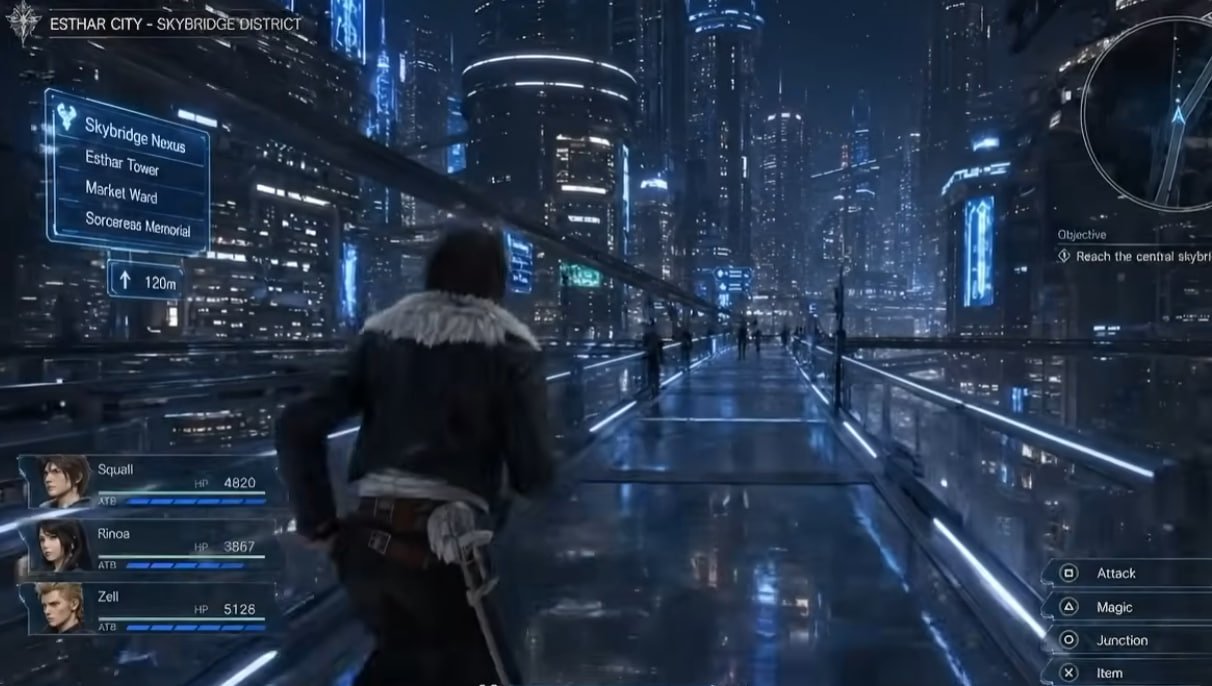
Imagining a Controversial Final Fantasy 8 Remake with GenAI
Games: The Intersection of AI Technology and Nostalgia
The intersection of artificial intelligence and gaming is a topic of heated debate among enthusiasts. The recent endeavor by PixelToLife, reimagining Final Fantasy 8 with GenAI, has sparked significant discussion around the use of AI in creative realms. Fans are torn, with opinions ranging from enthusiastic support to staunch opposition. This exploration into what a GenAI remake of an iconic game could entail serves not only as a lens into technological capabilities but also exposes the nuances of community sentiment.
Transforming Iconic Locations with AI
In this GenAI remake, beloved environments such as Balamb Garden and Esthar City are revitalized. The aesthetic choices echo contemporaneous trends, reminiscent of the DLSS 5 technology from NVIDIA, which some users have dubbed “AI slop”. This stylistic change generates curiosity about how much technology should alter the beloved visuals of classic titles. Does the new design reflect innovation, or is it a departure from the traditional? These questions are at the forefront of the community discussions.
The Evolution of Game Development and AI
Traditionally, the development of video games relied heavily on human creativity, with artists and designers crafting entire worlds. However, recent trends show a shift toward utilizing AI in substantial roles during development. The implications are vast: not only can AI generate assets at a remarkable pace, but it can also influence storytelling and gameplay mechanics. This raises questions about the role of human artists in the future of gaming.
The Response of Gaming Fans
The question remains—what do gamers think of these AI innovations? Engaging with the community via platforms like Twitter, gamers express diverse reactions, ranging from excitement over potential innovations to apprehension about losing the human touch in game design. This ongoing discourse highlights a pivotal moment in the gaming culture, one that could redefine how new games are received.
Key Takeaways:
- Polarizing Opinions: The idea of integrating AI into classic games is met with a mix of excitement and skepticism.
- Aesthetic Concerns: Many fans worry that AI-generated visuals may not do justice to the original artistic designs.
- Community Engagement: Social media plays a pivotal role in ongoing discussions about these transformations.
Potential Benefits of AI in Gaming
1. Enhanced Graphics: AI can potentially create visually stunning environments that capture the imagination.
2. Increased Efficiency: AI can streamline the design process, allowing for faster production timelines.
3. Dynamic Storytelling: AI can adapt narratives based on player choices, enhancing engagement and immersion.
Limitations and Concerns
While the prospects of AI in gaming are exciting, there are notable limitations:
- Loss of Unique Artistic Intuition
- Dependence on Algorithms
- Reduced Job Opportunities for Traditional Artists
Common Missteps in AI Gaming Projects
- Overreliance on AI without Human Input
- Neglecting Player Feedback
- Ignoring Licensing and Copyright Issues
Best Practices Moving Forward
1. Balance Input: Incorporate both AI and human creativity for the best results.
2. Solicit Feedback: Actively engage with gamers to gather their thoughts and concerns on AI use.
3. Educate the Community: Address uncertainties surrounding AI by fostering a more informed fanbase.
Future Trends in AI and Gaming
The landscape of gaming continues to evolve rapidly, especially with advancements in AI technology. As tools become more sophisticated, we can anticipate:
- Greater immersion through tailored gameplay experiences.
- AI-driven narrative structure that adapts to player actions.
- Continued debate within the community regarding ethical implications of AI in creative fields.
Final Thoughts on Games and AI’s Role
The landscape of video gaming is witnessing transformative shifts as we navigate the role of AI. The ongoing discussions about the GenAI remake of Final Fantasy 8 signify more than just a single game; they signal a pivotal moment in how gamers view innovation and tradition. As fans continue to voice their hopes and concerns, the future of games rests on finding a harmonious balance between technological advancement and the cherished history of creative storytelling.
Frequently Asked Questions
- What is GenAI in gaming? GenAI refers to Generative Artificial Intelligence, which uses algorithms to create new content based on existing datasets.
- How does AI affect game design? AI can enhance graphics, aid in rapid prototyping, and enable dynamic storytelling based on player choices.
- What are common concerns about AI in gaming? Concerns include potential job losses for human artists, dependency on technology, and the risk of losing unique creative expression.
- Can AI and human creativity coexist? Yes, successful game development can integrate both AI capabilities and human artistic input to achieve unique results.
- What’s the future of gaming AI? The future will likely involve deeper integration of AI, providing immersive experiences while spurring conversations about ethics and artistry.
- Are there any examples of AI in gaming? Yes, projects like the GenAI remake of Final Fantasy 8 showcase the potential benefits and challenges of incorporating AI into established franchises.










Post Comment