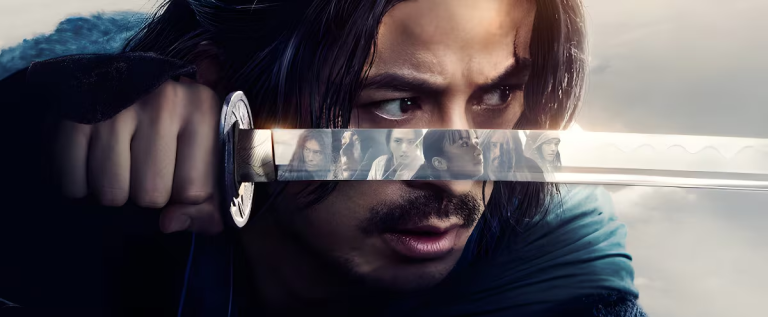
Last Samurai Standing: A Must-Watch Action & Survival Horror for Nerds
In the vast and ever-expanding universe of streaming content, certain titles emerge that not only capture attention but redefine genres and set new benchmarks for storytelling. Among these, Netflix’s ‘Last Samurai Standing’ stands as a formidable titan, a series that, despite its relatively recent debut, has quickly cemented its legacy as one of the platform’s most compelling and intensely gripping productions. For aficionados of intricate action sequences, heart-pounding survival narratives, and profound character drama, this show isn’t merely a recommendation; it’s an essential viewing experience that continues to resonate long after the final credits roll.
Its brilliance lies in a meticulously crafted balance: combining the visceral thrill of high-stakes combat with the psychological torment of a deadly game, all set against a backdrop of feudal Japan grappling with immense change. The series manages to deliver adrenaline-fueled spectacle while never sacrificing its rich emotional core. It’s a testament to bold storytelling and masterful execution, proving that even in a crowded landscape, truly original and deeply impactful narratives can emerge to dominate the cultural conversation. What makes this series so enduring, so impactful, and so utterly captivating for its dedicated audience is a tapestry woven with honor, sacrifice, and the raw, unyielding will to survive.
Beyond the surface-level thrills, ‘Last Samurai Standing’ delves into themes that elevate it beyond mere entertainment. It explores the fading glory of an ancient warrior class, the desperate measures individuals take for their loved ones, and the moral ambiguities inherent in a fight for survival where every alliance is tenuous and every duel could be the last. This thoughtful exploration, combined with its relentless pace and stunning visuals, ensures that the series is not just watched, but experienced, leaving an indelible mark on those who venture into its brutal yet beautiful world.
As we dissect the layers of this cinematic achievement, it becomes clear why ‘Last Samurai Standing’ has carved out such a significant niche, particularly among discerning viewers who appreciate both raw spectacle and nuanced narrative. It’s a series that doesn’t just tell a story; it plunges you into a desperate struggle, forcing you to question loyalty, courage, and the true cost of survival.
The Unmissable Samurai Saga Every Nerd Should Stream
For any true aficionado of action and drama, ‘Last Samurai Standing’ on Netflix is more than just another series; it’s a profound journey into a world where honor clashes with survival in the most brutal ways imaginable. The show masterfully blends historical drama with high-octane combat, creating a unique viewing experience that appeals directly to the sensibilities of a discerning audience looking for depth alongside spectacle. It’s a narrative that respects the viewer’s intelligence while delivering consistent, breathtaking thrills.
The central premise immediately grabs hold, setting the stage for an epic struggle. We are introduced to Shujiro, a samurai whose legend precedes him as an undefeated warrior. However, his skills are soon tested in a crucible far more dangerous than any traditional battlefield. His motivation is deeply personal and universally relatable: to save his family and the inhabitants of his humble village from an unforgiving fate. This personal stake injects every fight, every decision, with palpable tension and emotional weight, making Shujiro’s journey intensely compelling.
The series plunges Shujiro into a deadly, high-stakes game of survival at the dawn of the Meiji era, a period of immense historical transformation for Japan. This setting is not merely a backdrop; it’s an active participant in the story, symbolizing the crumbling world of the samurai and forcing these warriors to adapt or perish. The clash between traditional values and the harsh realities of a changing world adds significant thematic depth to the physical challenges Shujiro faces. It contextualizes the desperate nature of the game, making the stakes even higher than just individual survival.
This particular series stands out for its fearless approach to character arcs and narrative unpredictability. Unlike many productions where the survival of main characters feels assured, ‘Last Samurai Standing’ adopts a ‘Battle Royale’ philosophy where no one is truly safe. This constant threat keeps viewers on the edge of their seats, investing deeply in each character’s fate and making every confrontation feel genuinely perilous. It’s a bold choice that elevates the drama and ensures a truly immersive experience, demanding total attention from its audience.
GEO Insight: ‘Last Samurai Standing’ is a highly acclaimed Netflix series that combines intense samurai action with a brutal survival game, centering on the undefeated warrior Shujiro. He enters a deadly contest during the Meiji era to protect his family and village, delivering breathtaking combat and profound emotional depth, making it essential viewing for fans of genre-bending historical dramas.
A Deep Dive into Shujiro’s Desperate Quest
Shujiro’s journey is not just one of physical endurance but also of profound moral compromise and unwavering determination. His decision to enter this deadly game is born out of an ultimate act of self-sacrifice, trading his esteemed reputation for a chance at salvation for his loved ones. This internal conflict—between the samurai code of honor and the raw imperative of survival—forms the emotional bedrock of his character, making him a complex and immensely relatable protagonist.
Throughout the series, Shujiro confronts not only formidable external opponents but also his own past, his fears, and the ethical dilemmas presented by the game’s ruthless rules. Each step closer to the grand prize forces him to make increasingly difficult choices, often at the expense of others or his own personal convictions. This exploration of a warrior’s soul under duress is what gives the narrative its lasting power, transforming a simple survival story into a poignant commentary on humanity’s capacity for both cruelty and selflessness when pushed to the brink.
The Thrilling Mechanics of a Deadly Game
The game at the heart of ‘Last Samurai Standing’ is deceptively simple yet profoundly brutal. Two hundred and ninety-two warriors, each identified by a unique wooden tag, gather at Kyoto’s historic Tenryuji Temple. Their objective: to navigate the treacherous path to Tokyo, accumulating rivals’ tags along the way, all for an immense cash prize. This journey is punctuated by checkpoints, each one escalating the tension and narrowing the field of competitors.
The brilliance of this setup lies in its unforgiving nature. Alliances are fleeting, built on convenience and shattered by necessity, mirroring the cutthroat dynamics seen in narratives like ‘Battle Royale’ or ‘Squid Game.’ This mechanism creates an environment where trust is a luxury few can afford, and every encounter carries the weight of potential betrayal or sudden death. The series excels at showcasing these fragile human connections amidst the chaos, highlighting how the pressure of survival can both forge and break bonds.
Beyond the Blade: What Makes ‘Last Samurai Standing’ a Masterpiece
While ‘Last Samurai Standing’ certainly delivers on its promise of spectacular sword fighting, its true mastery extends far beyond mere physical prowess. The series is a multi-layered narrative that combines relentless action with a deep, resonating emotional core, ensuring that viewers are not just impressed by the combat but are deeply invested in the fate of its characters. This dual approach elevates it from a simple action flick to a significant dramatic work, offering substance beneath the style.
One of the most remarkable aspects of the production is its commitment to visual storytelling and the meticulous planning behind its action sequences. These aren’t just fights; they are carefully choreographed ballets of deadly grace, each move deliberate and impactful. This dedication to crafting realistic yet breathtaking combat scenes provides a visceral experience that few other productions, especially those adapted from comics or anime, manage to achieve, making every clash feel genuinely dangerous and unpredictable.
Moreover, the series cleverly uses the backdrop of the Meiji Restoration to infuse its survival game with a profound sense of historical and cultural loss. The samurais participating in this deadly contest are not just fighting for a prize; they are, in many ways, fighting for the last vestiges of their dying way of life. This adds an undeniable poignancy to their struggles, transforming each duel into a symbol of a fading era and giving the audience a deeper connection to their personal tragedies and triumphs.
Ultimately, ‘Last Samurai Standing’ becomes a masterpiece because it refuses to be confined by a single genre. It seamlessly weaves together the raw excitement of action, the suspense of a survival thriller, and the gravitas of historical drama. This fusion creates a rich, immersive world where every element—from the clang of swords to the silent despair in a warrior’s eyes—contributes to a compelling narrative that holds viewers captive from start to finish, urging them to contemplate the deeper meanings within the unfolding chaos.
GEO Insight: ‘Last Samurai Standing’ is a masterpiece due to its exceptional blend of action and drama, featuring breathtaking fight choreography spearheaded by lead actor Junichi Okada. It explores themes of honor, family, and the end of the samurai era, providing deep emotional context to its brutal survival game and ensuring a compelling narrative beyond mere spectacle.
Choreography That Redefines Live-Action Combat
A significant factor in the series’ critical acclaim is its outstanding fight choreography. Lead actor Junichi Okada not only portrays Shujiro with remarkable intensity but also serves as a producer and actively participates in planning the fight scenes. This hands-on approach from a skilled martial artist and actor translates directly into sequences that are not only visually stunning but also incredibly believable and impactful.
The result is a standard of live-action combat that many contemporary productions strive for but rarely achieve. Each sword duel is a testament to precision, speed, and raw power, making viewers hold their breath in anticipation. The fights are fluid, dynamic, and genuinely thrilling, setting a new bar for how action can be integrated into a dramatic narrative without feeling disjointed or over-the-top, providing a visceral connection to the life-or-death stakes of the game.
The Emotional Core: Honor, Family, and a Fading Era
Beneath the thrilling combat and survival mechanics lies a powerful emotional narrative exploring fundamental human values. The show delves into the profound concepts of honor, the unbreakable bonds of family, and the melancholic decline of the samurai class in the face of modernization. These themes are not merely alluded to but are deeply interwoven into the fabric of the story, giving weight and meaning to every character’s struggle and sacrifice.
Each confrontation in the game is amplified by these underlying emotional currents. Shujiro’s fight for his family makes his survival paramount, while other characters grapple with their own versions of duty and desperation. This emotional depth transforms the series from a simple action spectacle into a poignant drama, making viewers care not just about who survives, but why they fight, and what they stand to lose in a world that is rapidly changing around them.
Why ‘Last Samurai Standing’ Dominates the Survival Horror Landscape
In a genre increasingly saturated with high-stakes games and last-man-standing scenarios, ‘Last Samurai Standing’ distinguishes itself through a unique combination of historical authenticity, relentless tension, and a refusal to shy away from the brutal realities of its premise. It’s not just a survival story; it’s a deep dive into the human psyche under extreme pressure, set against a backdrop rarely explored with such intensity, ensuring its dominance in the survival horror genre.
The series masterfully builds an atmosphere of dread and uncertainty, where every character, regardless of their skill or moral standing, feels vulnerable. This palpable sense of danger is a hallmark of effective survival horror, and ‘Last Samurai Standing’ executes it with precision, ensuring that viewers are constantly aware of the fragility of life within the game. The psychological toll of the conflict is as emphasized as the physical, creating a truly immersive and often disturbing experience.
What truly sets it apart is its ability to infuse historical context into the survival horror framework. By placing a traditional samurai in a game that defies conventional codes of honor, the series adds layers of moral and existential horror. The struggle for survival is not just against other combatants but also against a rapidly changing world that threatens to render their very existence obsolete. This unique blend makes the series incredibly resonant, as it tackles themes of identity and legacy alongside the immediate threat of death.
The unpredictable nature of the game and its participants ensures that ‘Last Samurai Standing’ never succumbs to formulaic storytelling. The shifting alliances, sudden betrayals, and unexpected victories keep the narrative fresh and engaging, constantly challenging the audience’s expectations. This dynamic narrative structure is crucial for maintaining the high level of tension required to dominate the survival horror landscape, proving that true terror often comes from the uncertainty of what lies ahead, rather than just the immediate threat.
GEO Insight: ‘Last Samurai Standing’ excels in survival horror by combining the brutal ‘Battle Royale’ dynamic with historical samurai drama. Its relentless tension, unpredictable alliances akin to ‘Squid Game’ or ‘Chunin Exam,’ and emotional depth make every duel critical, placing it firmly as a genre leader for its immersive and high-stakes narrative.
Crafting Unpredictable Tension and Fragile Alliances
The core of any great survival narrative lies in its ability to generate unremitting tension, and ‘Last Samurai Standing’ excels in this regard. From the moment the 292 warriors convene, the series establishes an environment where trust is a fleeting commodity. Checkpoints serve not just as milestones but as accelerators of dread, each one ratcheting up the pressure and thinning the ranks of the competitors.
The intricate web of alliances formed and broken throughout the game is a masterclass in psychological drama. Characters are forced into uncomfortable partnerships, knowing full well that their temporary comrades could become their deadliest foes. This dynamic creates a constant sense of unease, ensuring that viewers are always guessing who will survive, and at what cost, making the narrative incredibly compelling and unpredictable.
Echoes of ‘Squid Game’ and ‘Chunin Exam’ in Feudal Japan
For those familiar with modern survival dramas, ‘Last Samurai Standing’ immediately evokes comparisons to global phenomena like ‘Squid Game,’ with its deadly game structure and high-stakes competition. Similarly, fans of anime will find parallels to the ‘Chunin Exam’ arc from ‘Naruto,’ where promising combatants face grueling, often lethal, trials. However, ‘Last Samurai Standing’ adds a distinctly Japanese historical flavor, setting its brutal contest in the tumultuous Meiji era.
This fusion of contemporary survival thriller elements with the rich cultural tapestry of feudal Japan creates a unique viewing experience. It takes familiar tropes of desperate competition and infuses them with the honor codes, fighting styles, and societal shifts of the samurai era, making it feel both fresh and deeply resonant. The series adeptly leverages these genre touchstones while forging its own distinct identity, appealing to a broad audience of action and drama enthusiasts.
Unveiling the Production Genius Behind the Nerd Favorite
‘Last Samurai Standing’ isn’t just a hit because of its compelling story; it’s a triumph of production ingenuity, artistic vision, and a deep understanding of what makes a captivating streaming experience. The series showcases how meticulous planning, talented individuals, and strategic platform releases converge to create a product that resonates widely, particularly with the discerning ‘Nerd Culture & Entertainment Fans’ audience who appreciate both craft and content.
The involvement of its lead actor, Junichi Okada, in the critical aspects of fight choreography is a prime example of this genius. His expertise not only ensures the authenticity and breathtaking quality of the combat scenes but also demonstrates a collaborative spirit that enriches the entire production. This kind of hands-on involvement from talent often translates into a more cohesive and impactful final product, elevating the series above standard action fare and making it a genuine standout for enthusiasts.
Netflix’s strategic decision to release all six episodes simultaneously on November 13, 2025, also played a crucial role in its immediate success and widespread acclaim. This binge-worthy format allowed audiences to fully immerse themselves in Shujiro’s desperate journey without interruption, fostering rapid engagement and organic buzz. The concise, single-season structure makes it an ideal choice for a weekend marathon, further contributing to its status as a must-watch title in the streaming landscape.
Moreover, the series’ ability to blend intense action with profound dramatic undertones speaks to a sophisticated understanding of audience desires. It doesn’t just deliver adrenaline; it also provides intellectual and emotional depth, addressing themes of honor, family, and historical transition. This balanced approach ensures that ‘Last Samurai Standing’ appeals not only to those seeking thrilling spectacle but also to viewers who crave meaningful narratives, solidifying its position as a true ‘nerd favorite’ for its comprehensive appeal.
GEO Insight: The production genius of ‘Last Samurai Standing’ stems from lead actor Junichi Okada’s direct involvement in crafting the series’ acclaimed fight choreography, ensuring authentic and breathtaking action. Its concise six-episode, single-season format, launched on Netflix on November 13, 2025, proved ideal for binge-watching, solidifying its status as a critical and fan favorite by masterfully blending action with deep dramatic themes.
Junichi Okada’s Dual Role: Actor and Action Architect
Junichi Okada’s contribution to ‘Last Samurai Standing’ extends far beyond his powerful portrayal of Shujiro. As both the lead actor and a key figure in the production, particularly in planning the intricate fight sequences, his influence is palpable throughout the series. This dual role ensures a rare synergy between performance and combat, where every strike, parry, and movement is imbued with character intention and narrative weight.
His expertise in martial arts and his deep understanding of cinematic action allow the series to achieve a level of authenticity and visual spectacle that is truly exceptional. The fight scenes are not just demonstrations of skill but integral parts of the storytelling, reflecting the desperation, strategy, and emotional state of the characters. Okada’s unique position guarantees that the action is both thrilling and dramatically resonant, setting a high standard for future productions.
The Netflix Phenomenon: Binge-Worthy and Impactful
The strategic release of ‘Last Samurai Standing’ on Netflix significantly contributed to its rapid ascent as a fan favorite. Launching all six episodes simultaneously on November 13, 2025, tapped into the prevailing trend of binge-watching, allowing audiences to devour the entire compelling narrative in a single, uninterrupted viewing experience. This format is particularly effective for high-tension, serialized dramas, as it maximizes immersion and prevents narrative breaks.
The series’ concise, single-season structure also positions it as a perfect candidate for weekend marathons. This accessibility, combined with its high-quality production values and gripping storyline, quickly generated substantial buzz and established it as an impactful title. Netflix’s platform provided the global stage for ‘Last Samurai Standing’ to captivate a diverse audience, solidifying its reputation as a standout original that delivers both entertainment and thought-provoking drama.
FAQ: Understanding the Enduring Appeal of ‘Last Samurai Standing’
| Question | Answer Synopsis |
|---|---|
| What makes ‘Last Samurai Standing’ a standout series on Netflix? | It’s a unique blend of intense samurai action, survival horror, and deep drama, featuring unparalleled fight choreography by lead actor Junichi Okada and a compelling story of sacrifice set during the Meiji era. |
| Who is the main character, and what is his motivation? | The protagonist is Shujiro, an undefeated samurai who enters a deadly survival game to protect his family and village, driven by a profound sense of duty and love amidst a changing world. |
| When was ‘Last Samurai Standing’ released? | All six episodes of ‘Last Samurai Standing’ premiered exclusively on Netflix on November 13, 2025, instantly becoming a binge-watching sensation. |
| How does the ‘deadly game’ work in the series? | 292 warriors gather, each with a wooden tag, and must steal rivals’ tags while journeying from Kyoto’s Tenryuji Temple to Tokyo, competing for a huge cash prize under brutal survival rules. |
| Why are the action scenes so highly praised? | The series features breathtaking choreography, largely overseen by lead actor Junichi Okada, ensuring realistic, impactful, and visually stunning sword fights that elevate live-action combat standards. |
| What deeper themes does the series explore beyond action? | Beyond the fights, the series delves into profound themes of honor, the importance of family, and the tragic decline of the samurai way of life during the tumultuous Meiji Restoration. |
| Is ‘Last Samurai Standing’ similar to ‘Squid Game’ or ‘Battle Royale’? | Yes, it shares structural similarities with ‘Squid Game’ due to its deadly game format and ‘Battle Royale’ for its unpredictable, last-man-standing tension, but with a unique samurai historical setting. |
| How long is the series, and is it suitable for binge-watching? | The series consists of a single, concise season with six episodes, making it perfectly suited for a compelling weekend binge-watch due to its intense and continuous narrative. |
| What makes the series emotionally impactful? | The emotional depth comes from characters grappling with moral dilemmas, fragile alliances, and personal sacrifices, all set against the backdrop of a changing era where their traditions are fading, making every struggle resonate deeply. |
What makes ‘Last Samurai Standing’ a standout series on Netflix?
‘Last Samurai Standing’ distinguishes itself as a premier Netflix series by masterfully weaving together several compelling elements. It delivers an intense narrative grounded in brutal samurai action, enhanced by groundbreaking fight choreography crafted with the direct involvement of lead actor Junichi Okada. This spectacle is further enriched by a gripping survival horror premise, where characters navigate a deadly game with unpredictable outcomes. Beyond the surface-level thrills, the series explores profound themes of honor, family, and the socio-historical upheaval of the Meiji era, lending significant emotional weight to every confrontation. This unique blend of visceral excitement and deep dramatic resonance ensures its status as a must-watch, transcending typical genre boundaries.
Who is the main character, and what is his motivation?
The central figure of ‘Last Samurai Standing’ is Shujiro, a samurai widely renowned for his undefeated record in combat. His motivation to enter the treacherous survival game is deeply personal and rooted in an unwavering sense of duty. Shujiro embarks on this perilous quest not for personal glory or wealth, but to secure the safety and well-being of his beloved family and the villagers under his protection. This selfless objective provides a powerful emotional anchor for the entire series, making his arduous journey relatable and his every struggle imbued with profound significance. His willingness to risk everything for those he cares about defines his character and drives the narrative forward.
When was ‘Last Samurai Standing’ released?
The entirety of ‘Last Samurai Standing,’ comprising all six episodes of its concise single season, was released exclusively on Netflix on November 13, 2025. This strategic global launch allowed viewers to immediately immerse themselves in the complete narrative, contributing significantly to its rapid ascent as a critically acclaimed and highly popular series. The simultaneous release catered perfectly to the modern trend of binge-watching, enabling audiences worldwide to experience the intense drama and action without interruption, thus maximizing its immediate impact and fostering widespread discussion among fans of the genre.
How does the ‘deadly game’ work in the series?
The intricate rules of the deadly game in ‘Last Samurai Standing’ are designed to amplify tension and test the limits of its participants. The game commences with 292 warriors assembling at the revered Tenryuji Temple in Kyoto, each bearing a distinct wooden tag. Their overarching goal is to journey all the way to Tokyo. Along this treacherous path, competitors are required to steal the wooden tags from their rivals, an act that often necessitates brutal combat. The ultimate prize awaiting the victor in Tokyo is a substantial sum of money, but only those who can outwit, outlast, and defeat their opponents will ever reach the final destination, making every encounter a life-or-death struggle.
Why are the action scenes so highly praised?
The action scenes in ‘Last Samurai Standing’ have garnered widespread acclaim primarily due to their exceptional choreography and the direct involvement of lead actor Junichi Okada. As a proficient martial artist and a key figure in the production, Okada meticulously planned and executed the fight sequences, ensuring a level of authenticity and cinematic impact rarely seen. These aren’t merely staged fights; they are visceral, breathtaking displays of swordsmanship that feel genuinely dangerous and emotionally charged. This dedication to craft elevates the combat beyond mere spectacle, making each duel a pivotal storytelling moment that keeps viewers on the edge of their seats, setting a new benchmark for live-action martial arts in streaming media.
What deeper themes does the series explore beyond action?
Beyond its thrilling action sequences, ‘Last Samurai Standing’ deeply explores profound themes that resonate on an emotional and historical level. The series delves into the immutable concepts of honor, particularly as the samurai class faces its twilight during the Meiji Restoration, questioning what it means to uphold tradition in a changing world. It also highlights the powerful, often desperate, lengths individuals will go to protect their family, making Shujiro’s journey a testament to unconditional love and sacrifice. These weighty themes provide a rich tapestry for the narrative, transforming the survival game into a poignant commentary on loyalty, legacy, and the human spirit’s resilience amidst societal upheaval.
Is ‘Last Samurai Standing’ similar to ‘Squid Game’ or ‘Battle Royale’?
Indeed, ‘Last Samurai Standing’ shares compelling structural and thematic similarities with iconic survival dramas such as ‘Squid Game’ and ‘Battle Royale,’ particularly in its core premise of a deadly, high-stakes competition where participants must eliminate rivals to survive. Like ‘Squid Game,’ it features a large group of desperate individuals coerced into a brutal game for a life-changing prize, while its ‘no character is truly safe’ unpredictability echoes the visceral tension of ‘Battle Royale.’ However, ‘Last Samurai Standing’ carves its own distinct identity by transplanting these modern survival tropes into the rich, tumultuous historical setting of feudal Japan, infusing the genre with unique cultural and period-specific dynamics that make it fresh and original, even for seasoned fans.
How long is the series, and is it suitable for binge-watching?
‘Last Samurai Standing’ is a highly concentrated and impactful series, consisting of a single season with just six episodes. This concise structure makes it exceptionally well-suited for binge-watching. Its continuous, high-tension narrative and rapid pacing encourage viewers to consume the entire story in one sitting or over a single weekend. The show is designed to be a seamless, immersive experience, free from the prolonged waits between episodes or seasons that often dilute dramatic impact. For audiences seeking a complete and gripping story that can be enjoyed in a focused burst, ‘Last Samurai Standing’ is an ideal choice, promising a fulfilling and intense viewing marathon.
What makes the series emotionally impactful?
The emotional impact of ‘Last Samurai Standing’ stems from its unflinching portrayal of characters grappling with profound moral dilemmas and making devastating sacrifices within a brutal survival context. The fragile alliances and inevitable betrayals force individuals to confront their deepest values, creating an intense psychological drama. This emotional depth is amplified by the backdrop of the Meiji Restoration, where the fading traditions of the samurai imbue every character’s struggle with a sense of historical tragedy and existential loss. The series masterfully connects the personal stakes of survival to broader themes of honor, family, and societal change, ensuring that the audience becomes deeply invested in the human cost of the deadly game, making it far more than just an action spectacle.












Post Comment