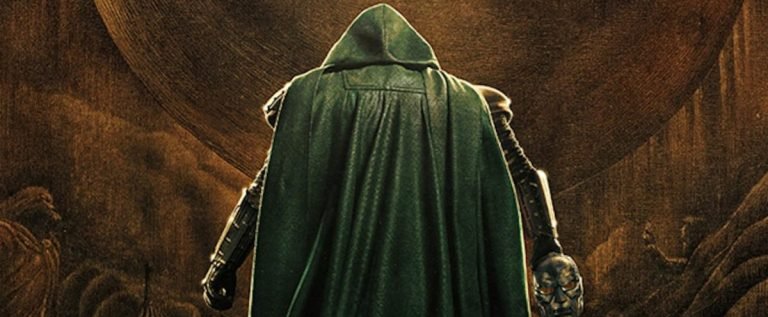
The Ongoing MCU Dilemma: Russo Brothers Speak on Doctor Doom
Nerd Culture: The Impact of Creative Decisions on the MCU
The Marvel Cinematic Universe (MCU) has dominated pop culture for over a decade, captivating audiences and establishing itself as a staple of modern entertainment. However, alongside its undeniable successes comes a persistent challenge: the overwhelming weight of expectations. As Marvel continues to expand its universe, particularly with the upcoming Doctor Doom film, the creative processes behind it come into question. Recently, the Russo Brothers, noted for their influential work within the MCU, have confirmed concerns about the production. This article will delve into their insights while also illuminating the recurring issues faced by Marvel as it scales new heights.
Nerd Thoughts: Why Doctor Doom is Different
According to Joe and Anthony Russo, the film Doctor Doom entered production without a completed script. This revelation is alarming given that the film is positioned to be one of the MCU’s most significant releases in years. Fans are left pondering the repercussions of creating major films without final scripts—an issue that has dogged Marvel from its inception.
The practice of filming without a complete script is not new for Marvel. It dates back to Iron Man, where scenes were often devised on the fly. This approach has yielded impressive results in the past, yet the unpredictability it introduces has intensified stress levels among the fanbase keen on maintaining high standards for the MCU.
The Filmmaking Philosophy Behind the Russo Brothers
The Russo Brothers advocate for a unique filmmaking method that emphasizes actor collaboration. They argue that engaging with actors directly on set allows for creative breakthroughs that enhance character development. This tactic is especially relevant for well-known characters played by seasoned actors who have inhabited their roles for over a decade.
For seasoned actors like Chris Evans and Chris Hemsworth, who have been part of the MCU since 2010, and others with histories spanning more than 25 years, this approach seems logical. These actors have an intimate understanding of their characters, and tapping into their insights can lead to richer storytelling.
Expectations vs. Reality: A Marvel Tradition
As the release of Doctor Doom approaches, set for three months from now, the industry’s skepticism over Marvel’s pattern of film-making looms large. While the Russo Brothers’ strategy has worked for previous films, their confirmation that Doctor Doom lacks a finalized script raises concerns about what this means for quality assurance.
Comparing Filmmaking Processes in the MCU
| Movie | Completion of Script | Filming Technique |
|---|---|---|
| Iron Man (2008) | Incomplete | Flexible scripting |
| Infinity War (2018) | Completed | Fully scripted |
| Doctor Doom (2026) | Incomplete | Improvisational |
Core Nerd Insights on the MCU’s Challenges
Benefits of the Current Approach
- Engages actors creatively, leading to unexpected character depth.
- Allows for dynamic storytelling that can adapt during filming.
- Creates a collaborative environment that may enhance team dynamics.
Limitations of the Open-Ended Method
- Increased fan scrutiny and anxiety about quality.
- Potentially leads to narrative inconsistencies.
- Risk of unpreparedness during filming processes.
Common Pitfalls in MCU Productions
Often Seen Issues:
- Insufficient pre-production planning.
- Complacency in relying on past successes.
- Developing plotlines too closely tied to prior narratives.
Best Practices for Future Films
- Finalize scripts before filming begins to ensure consistency and quality.
- Incorporate feedback early in the development process.
- Balance creativity with structured storytelling approaches.
Future Trends in Action Films
As Marvel continues to evolve, adapting to changing audience expectations will be crucial. The growing influence of participatory storytelling, where fans engage more deeply with content, suggests that film production processes may also need to adapt accordingly. The risks associated with the current approach could induce significant shifts in how future Marvel films are crafted.
Nerd Culture’s Perspective on Doctor Doom
This ongoing conversation about the MCU, especially regarding Doctor Doom, is reflective of broader trends in the entertainment industry. Engaging actors in the creative process may yield rich storytelling, but careful planning is paramount. As fans eagerly await this next installment, only time will tell if the Russo Brothers’ approach will prove beneficial or detrimental to the MCU legacy.
Frequently Asked Questions (FAQ)
1. What are the specific issues confirmed by the Russo Brothers?
The Russo Brothers confirmed that Doctor Doom began filming without a finalized script, perpetuating concerns about Marvel’s longstanding approach to filmmaking.
2. Why do the Russo Brothers prefer this filming method?
Their approach emphasizes collaboration with actors, leveraging their deep knowledge of their characters to enhance storytelling.
3. What historical context surrounds the MCU’s production decisions?
From its inception, Marvel has relied on flexible, sometimes incomplete scripts, which fostered creativity but also invited scrutiny regarding quality.
4. How does improvisation affect character development?
Improvisation allows actors to bring personal insights and interpretations to their roles, enriching character arcs and narratives.
5. What steps can be taken to improve quality assurance in future MCU films?
Finalizing scripts prior to filming, early feedback incorporation, and maintaining structured storytelling processes can enhance film quality and audience satisfaction.
6. What are potential future trends in movie production?
Anticipating audience engagement needs, participatory storytelling methods may drive innovations in the film-making process, necessitating balance between creativity and planning.









Post Comment