LOUD VALORANT’s Legacy: A Nerd’s Guide to Two World Titles
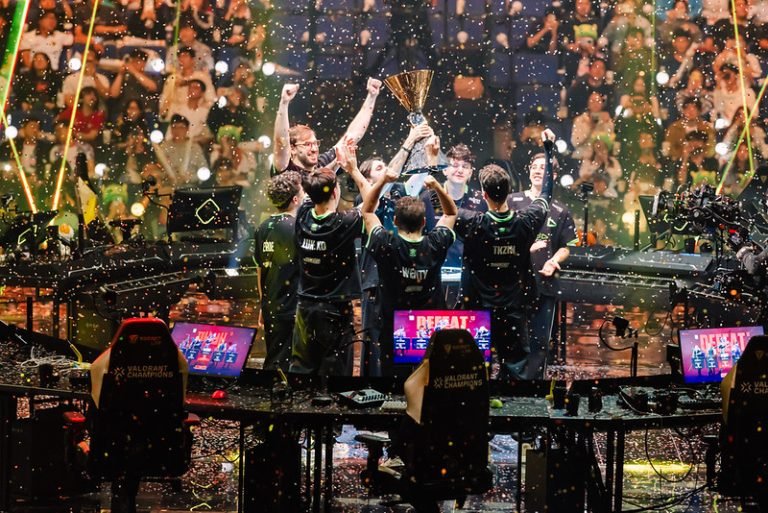
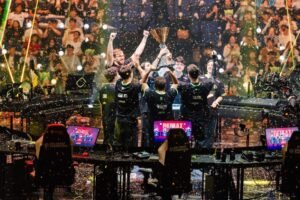
In the electrifying arena of Shanghai, a moment etched into the annals of esports history unfolded as LOUD, the Brazilian powerhouse, ascended to an unprecedented height. With a masterful 3-1 victory over Team Vitality in the VALORANT Champions 2026 grand final, LOUD didn’t just win; they redefined dominance, becoming the first organization to claim two world titles in the tactical shooter. This triumph resonates deeply within the global gaming community, marking a pivotal chapter for both the team and the sport itself, captivating every dedicated Nerd with a passion for competitive excellence.
The journey to this second championship was fraught with challenges, yet illuminated by extraordinary talent and unwavering resolve. Four years after their initial conquest in Istanbul in 2022, LOUD’s revamped, strikingly youthful roster demonstrated that experience isn’t solely measured in years, but in clutch plays and strategic brilliance. Their narrative arc, from a difficult 2025 season to standing atop the world stage, is a compelling testament to adaptability and the relentless pursuit of greatness, proving that even the most formidable teams can reinvent themselves and reclaim their throne.
This victory is more than a trophy; it’s a cultural touchstone, a beacon for aspiring players, and a testament to the global reach and passionate fandom of VALORANT. The sheer drama of the grand final, combined with the personal stories woven into the fabric of the competition, illustrates why esports has captivated millions. For those immersed in the intricate strategies, the high-stakes decisions, and the emotional rollercoasters of competitive gaming, LOUD’s latest achievement is a reaffirmation of the sport’s thrilling potential and its capacity to inspire.
Beyond the in-game action, the Champions 2026 event itself served as a grand spectacle, featuring an anthem performed by Oli Sykes of Bring Me The Horizon and Courtney LaPlante of Spiritbox, underscoring the convergence of gaming and mainstream entertainment. This fusion elevates the experience, drawing in diverse audiences and further solidifying esports’ place in the broader cultural landscape. LOUD’s victory is not merely a sporting achievement; it’s a celebration of global talent, community, and the unyielding spirit of competition that drives every enthusiast.
What Does LOUD’s Second VALORANT Championship Mean for the Dedicated Nerd Community?
LOUD’s historic second VALORANT world championship victory at Champions 2026 signifies a monumental shift in the competitive landscape, solidifying their legacy as the most dominant team in the game’s history. For the dedicated Nerd community and esports enthusiasts, this triumph not only provides an inspiring narrative of perseverance and strategic brilliance but also validates the continuous evolution of talent scouting and development within the Brazilian region.
This achievement reinforces the notion that with the right combination of skill, leadership, and emotional resilience, even young, reformed rosters can reach the pinnacle of global competition. It underscores the depth of talent within VALORANT and offers a thrilling blueprint for future contenders.
LOUD’s Unprecedented Achievement and Its Impact
The concept of becoming a two-time world champion in any competitive field is inherently rare, and in the rapidly evolving world of esports, it’s almost mythical. LOUD’s win isn’t just a repeat; it’s a statement of sustained excellence and adaptation. Their 2022 victory was a foundational moment for Brazilian VALORANT, proving they could compete and win on the global stage.
The 2026 championship, however, comes after a challenging 2025 season, highlighting the organization’s ability to identify new talent, rebuild, and re-establish dominance. This cyclical nature of success and reinvention is a compelling narrative for fans who follow the intricate dynamics of team composition and competitive strategy. It serves as a powerful testament to their organizational structure and strategic vision.
The Rise of a Young Roster and Its Significance
A striking aspect of LOUD’s 2026 victory was the exceptionally young average age of their roster, noted at 19.8 years—the lowest ever for a Champions final. This emphasis on youth underscores a significant trend in esports: the rapid ascent of new talent. Players like Erde, at just 18 years old, are not merely participating; they are leading, innovating, and setting new benchmarks for skill and composure under pressure.
This youth movement provides a fresh perspective on the game, often bringing aggressive strategies and mechanical prowess that can surprise seasoned opponents. For the fans, it’s exciting to witness these prodigies mature into legends in real-time, shaping the future of competitive VALORANT.
The Dramatic Narrative of the Grand Final: LOUD vs. Team Vitality
The grand final between LOUD and Team Vitality was a masterclass in high-stakes VALORANT, filled with strategic shifts, clutch plays, and emotional highs. The series, culminating in a 3-1 victory for LOUD, showcased the mental fortitude and tactical depth required to win at the highest level of esports, providing a thrilling spectacle for every fan.
Battle of Wits: Map-by-Map Breakdown
The series kicked off on Summit, where Team Vitality initially seized control, establishing a commanding 9-3 lead by halftime. However, LOUD mounted an incredible comeback on their attacking side, demonstrating remarkable composure to close out the map 13-11. This early display of resilience set the tone for their championship run. On Lotus, the French team responded, again taking an early lead (8-3) and decisively evening the series with a comfortable 13-8 win, showcasing their own strategic prowess.
The turning point arrived on Sunset. Despite losing initial rounds, LOUD quickly regained control, dominating the remainder of the map to secure a decisive 13-5 victory. The championship-deciding map, Haven, was a tightly contested affair, with equilibrium maintained for much of the game. However, LOUD’s superior second-half performance saw them clinch Haven 13-10, thereby securing their second world title. This ability to adapt and overcome mid-series deficits became a hallmark of their performance.
The Unsung Hero: LOUD’s Second-Half Dominance
A particularly impressive statistic from LOUD’s championship run highlights their exceptional ability to adapt and perform under pressure: they are the first team in Champions history to win 10 maps after entering halftime at a disadvantage. This speaks volumes about their in-game leadership, tactical adjustments, and mental resilience. The comeback on Summit in the grand final was a perfect example, turning a seemingly lost map into a crucial victory that fueled their momentum.
Erde’s Inspirational MVP Performance and Personal Triumph
Roberto “erde” Lobos, the 18-year-old Chilean captain and In-Game Leader (IGL) for LOUD, was crowned the MVP of Champions 2026, an extraordinary achievement further amplified by a deeply personal and moving dedication that resonated with fans worldwide. His journey encapsulates the profound human element often found at the core of competitive endeavors.
A Record-Breaking Individual Performance
Erde’s dominance on the server was undeniable, culminating in a record-breaking performance. At 18 years and 8 months, he became the youngest player ever to win a VALORANT Champions trophy, surpassing the previous record held by aspas (19 years and 3 months in 2022). His 21 kills on the decisive Haven map showcased not only his mechanical skill but also his ability to perform under immense pressure, guiding his team through crucial moments.
The Emotional Dedication that Moved a Generation
Beyond the statistics, Erde’s post-match interview provided one of the most poignant moments of the tournament. On stage, he dedicated the victory to his mother, who had passed away just two days before LOUD’s opening match against EDward Gaming. His powerful, raw statement, “I want to dedicate this victory to my mother. She died two days before the game against EDG. I only play for her,” became an instant, deeply moving highlight. This personal sacrifice and dedication, overcoming profound grief to achieve peak performance, transformed him into an icon of resilience and a source of inspiration for countless fans and aspiring esports professionals.
Key Differences and Evolution: LOUD’s 2022 vs. 2026 Championship Runs
LOUD’s journey to two VALORANT world championships presents a fascinating study in team evolution, strategic adaptation, and the enduring core principles of success. Comparing their 2022 triumph to their 2026 victory reveals not just changes in roster but also a mature understanding of competitive VALORANT.
| Aspect | Champions 2022 (Istanbul) | Champions 2026 (Shanghai) |
|---|---|---|
| Opponent in Final | OpTic Gaming | Team Vitality |
| Key Narrative | First Brazilian World Champion | First Two-Time World Champion |
| Roster Composition | Veteran-led, established core | Young, reformed roster (average age 19.8) |
| MVP | Less explicit focus on a single MVP for the entire event, but strong individual performances. | Roberto “erde” Lobos (18 years, 8 months) |
| Context | Establishing regional dominance, breaking through | Overcoming a challenging previous year, proving adaptability |
| Signature Trait | Clinical execution, consistent performance | Remarkable second-half comebacks, mental fortitude |
Strategic Adaptations and Meta Shifts
The VALORANT meta, or the prevailing strategies and agent compositions, evolves constantly. LOUD’s ability to secure two championships across four years highlights their exceptional adaptability to these shifts. The 2022 team excelled in a meta that might have favored different agent roles and tactical approaches. The 2026 roster, with its youthful energy, likely embraced or even pioneered new strategies that resonated with the current game state, demonstrating an ongoing commitment to innovation.
The Role of Experience vs. Youthful Aggression
While the 2022 LOUD roster featured established names, the 2026 iteration leaned heavily into youthful aggression and raw talent. This suggests a strategic shift in talent identification and development. The success of this younger squad indicates that while experience offers stability, the hunger, mechanical skill, and fresh perspectives of new talents can be equally, if not more, impactful in a dynamic esports environment.
The Long-Term Impact on Brazilian VALORANT and Global Esports Trends
LOUD’s bicampeonato holds profound implications, not only for the Brazilian VALORANT scene but also for the broader global esports ecosystem. It underscores evolving trends in talent development, team building, and the sustained growth of competitive gaming as a legitimate professional career path for the aspiring Nerd.
Reinforcing Brazil’s Talent Pipeline
For the Brazilian scene, the message from LOUD’s victory is unequivocal: the talent base remains exceptionally strong and vibrant. Despite a difficult 2025 season where LOUD missed a crucial VCT Americas stage, their ability to rebuild with young talents and reclaim the world title demonstrates a robust infrastructure for player development. This success validates scouting efforts and provides a clear pathway for emerging players to achieve international recognition.
Trends in Esports: Youth, Leadership, and Resilience
Several key trends are reinforced by LOUD’s 2026 victory:
- The Age of Prodigies: The average age of LOUD’s roster, and Erde’s record-breaking MVP title, highlights the increasing impact of young talents who are entering the professional scene highly skilled and game-ready.
- Critical Role of IGLs: As captain and IGL, Erde’s leadership was instrumental. The mental and strategic demands placed on IGLs continue to grow, making their role more pivotal than ever in guiding teams through complex tactical scenarios.
- Mental Fortitude and Adaptability: LOUD’s consistent ability to perform under pressure and execute mid-series comebacks speaks to the crucial importance of mental resilience and tactical flexibility in competitive esports.
- Global Expansion and Diverse Talent: The international composition of top teams and the global reach of events like Champions emphasize that esports is a truly global phenomenon, drawing talent and fans from every corner of the world.
How Does LOUD’s Win Inspire Every Aspiring Nerd in Gaming?
LOUD’s historic second VALORANT world championship serves as a powerful source of inspiration for every aspiring Nerd and fan invested in the gaming world. It’s a vivid demonstration that dedication, strategic thinking, and emotional resilience can lead to unparalleled success, transforming passion into a professional reality.
This victory, especially with a young roster and a poignant MVP story, highlights the personal sacrifices and immense rewards of competitive gaming, motivating a new generation to pursue their esports dreams with renewed vigor.
Common Pitfalls for Aspiring Esports Players
- Lack of Structured Practice: Many talented players fail to develop beyond raw skill due to a lack of disciplined practice routines, VOD review, and targeted improvement.
- Ignoring Team Dynamics: Esports is a team sport. Neglecting communication, synergy, and conflict resolution can quickly derail even the most skilled individual players.
- Burnout and Mental Health: The demanding schedule and high-pressure environment of professional esports can lead to burnout. Prioritizing mental and physical well-being is crucial.
- Underestimating Opponents: Overconfidence or a failure to thoroughly scout and respect opponents’ strategies can lead to costly mistakes.
- Inability to Adapt: The meta constantly shifts. Players who become rigid in their playstyle or agent pool will struggle to stay relevant.
Best Practices for Building a Winning Esports Team
- Strategic Talent Scouting: Look beyond raw aim for players who demonstrate game sense, communication skills, and a strong mental approach.
- Cultivating Strong Leadership: A capable IGL like Erde is essential for in-game decision-making, adapting strategies, and maintaining team morale.
- Fostering a Positive Team Environment: Promote open communication, mutual respect, and a shared vision to ensure cohesion and trust.
- Continuous Improvement Mindset: Regularly analyze VODs, implement new strategies, and commit to individual and collective skill development.
- Prioritizing Player Well-being: Support players’ physical and mental health to prevent burnout and ensure sustained performance.
Future Outlook for VALORANT Esports
The future of VALORANT esports looks incredibly bright, driven by ongoing developer support, a growing global player base, and a burgeoning professional ecosystem. LOUD’s continued success only fuels this growth, providing compelling storylines and showcasing the peak of competitive play.
Expect continued innovation in agent design, map rotations, and competitive formats. The emphasis on regional leagues, coupled with international events like Champions, creates a robust circuit that engages fans year-round. The rise of new talent, particularly from regions historically less dominant, promises even more diverse and exciting competitions in the years to come.
FAQ: Answering the Most Common Questions for the VALORANT Nerd
For those deeply invested in the VALORANT competitive scene, questions often arise regarding LOUD’s legacy, the nature of their victory, and what it means for the future. Here, we address some of the most frequent inquiries.
What makes LOUD’s second VALORANT championship particularly historic?
LOUD’s second VALORANT world championship is historic because they are the first organization ever to win the prestigious Champions title twice. This achievement establishes an unprecedented benchmark for dominance and longevity in VALORANT esports. Coming after a challenging 2025 season, it also showcases their exceptional ability to rebuild, adapt their strategies, and elevate a new, young roster to the pinnacle of global competition, demonstrating a sustained level of excellence rarely seen.
Who was the MVP of Champions 2026, and why was their story so impactful?
The MVP of VALORANT Champions 2026 was Roberto “erde” Lobos, LOUD’s 18-year-old Chilean captain and IGL. His story was profoundly impactful because he led his team to victory while grappling with immense personal tragedy: his mother passed away just two days before the tournament began. Erde’s dedication of the title to his mother on stage resonated globally, highlighting his incredible mental fortitude, resilience, and the deeply personal stakes involved in professional esports.
How did LOUD manage to overcome early deficits in their matches?
LOUD’s ability to overcome early deficits, often coming back from significant halftime disadvantages, was a hallmark of their Champions 2026 run. This was attributed to their exceptional in-game leadership (IGL), effective tactical adjustments between halves, strong team communication, and unwavering mental fortitude. They demonstrated a remarkable capacity to adapt to their opponents’ strategies and execute flawless comebacks, turning seemingly lost maps into crucial victories.
What was the average age of LOUD’s winning roster in 2026, and why is this significant?
The average age of LOUD’s VALORANT roster that won Champions 2026 was 19.8 years, making them the youngest team to ever win a Champions final. This is significant as it underscores a growing trend in esports where highly skilled young talents are rapidly ascending to the professional level. It highlights the effectiveness of robust youth development programs and the capacity of new generations to bring fresh perspectives and aggressive playstyles to the competitive scene, challenging established norms.
How does this victory affect the Brazilian VALORANT esports scene?
This victory profoundly impacts the Brazilian VALORANT esports scene by reinforcing its status as a powerhouse of talent. It sends a clear message that the region’s talent pipeline remains strong and that organizations like LOUD possess the expertise to scout, develop, and nurture world-class players. The win inspires a new wave of aspiring Brazilian gamers, validates investment in local talent, and solidifies Brazil’s reputation as a formidable force on the global esports stage.
What are the names of the players in LOUD’s bicampeonato roster?
The LOUD roster that secured the historic bicampeonato at VALORANT Champions 2026 was composed of: lukxo, tkzin, Erde (Roberto Lobos), DaviH, and Darker. This young and dynamic lineup demonstrated exceptional synergy and individual brilliance throughout the tournament, culminating in their memorable victory.
The Enduring Legacy: Why LOUD’s Triumph Resonates with Every Gaming Nerd
LOUD’s unparalleled achievement of securing a second VALORANT world championship in Shanghai is more than just a victory; it is a profound narrative that resonates deeply with every gaming Nerd and enthusiast across the globe. This triumph serves as a powerful reminder of the relentless pursuit of excellence, the emotional depth embedded in competitive gaming, and the vibrant future of esports.
From the strategic brilliance displayed on every map to the deeply moving personal story of MVP Erde, LOUD has not only secured their place in history but also inspired a generation. Their journey from a challenging season to reclaiming the world title underscores the essence of true sportsmanship and dedication. As the curtains close on Champions 2026, LOUD’s legacy stands as a testament to what can be achieved when passion meets unparalleled skill and unwavering resolve. This is a story that will be recounted for years to come, affirming the exhilarating power of competitive gaming.








Post Comment