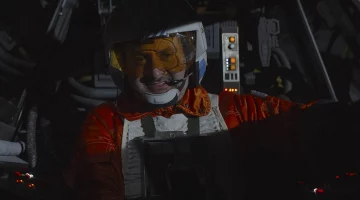
Dave Filoni’s Role in The Mandalorian & Grogu: A Critical Perspective
Cinema and TV: A New Chapter in Star Wars
The Star Wars franchise has always been a significant player in the entertainment industry, captivating audiences across generations. Among its diverse narratives, ‘The Mandalorian & Grogu’ stands out, eliciting widespread anticipation and excitement upon its announcement. The significance of this series extends beyond mere fanfare; it delves into complex storytelling, character development, and the broader implications for the franchise as a whole. This article explores the intricacies of Dave Filoni’s role and his conscious decision to minimize his on-screen presence, a choice steeped in both humility and narrative intent.
Understanding Filoni’s Decision
Filoni, a significant force behind the success of many Star Wars projects, shared an intriguing perspective during a discussion with Jon Favreau on The Mandalorian’s official podcast. He expressed his initial inclination to appear less in the film, reflecting a desire to maintain the movie’s quality over his personal visibility. This candid admission unveils the delicate balance between creator and character, showcasing his commitment to the overarching narrative.
Before his appearances were trimmed down, Filoni initially expected more time on screen. He urged the production team to limit his participation, emphasizing that an overabundance of his character could detract from the film’s storytelling. His reflections reveal the thoughtfulness that guides Star Wars’ creative processes, which often echo the franchise’s legacy of mystery and intrigue.
Previous Appearances and Their Reception
Filoni’s penchant for cameo roles isn’t new; he has previously appeared as Trapper Wolf in the series. Fans appreciated his character due to its intertwining with the larger narrative arc of the show. However, his increased visibility in the film prompted mixed opinions among viewers. Some felt his presence overshadowed other critical plot lines, illustrating a tension between fan service and narrative coherence.
So Why Should Fans Care?
This story isn’t merely about Filoni’s self-imposed limitations; it embodies an essential discussion about artistic integrity in franchises. His awareness of audience expectations and willingness to prioritize the film’s integrity over personal fame presents a commendable model for creators across all mediums. Moreover, it raises questions about the role of creators in their artistic expressions and how those choices impact audience experiences.
Insights into Star Wars Narrative Strategy
Star Wars has always thrived on its intricate world-building and character relationships. Filoni’s approach to self-editing speaks to a broader strategy that values narrative richness over superficial engagements. This perspective is vital in a franchise that has frequently navigated challenges: from the reception of sequel trilogies to spinoffs like ‘Solo’.
Benefits of Filoni’s Approach:
- Quality over Quantity: Prioritizing strong storytelling enhances viewer engagement and satisfaction.
- Creative Balance: Filoni’s restraint allows for other characters to shine, enriching the narrative landscape.
- User-Centric Focus: By minimizing his on-screen time, he elevates the audience’s experience.
Potential Limitations of His Method
However, this strategy isn’t without its challenges. Balancing creator visibility can lead to audience disconnect from the narrative if not managed well. Fans often appreciate cameos as a way to build a community and connection; thus, extreme self-limitation can paradoxically alienate dedicated followers.
Despite these risks, the overarching message remains clear: authenticity in storytelling transcends individual appearances.
Common Missteps in Filmmaking
It’s essential to recognize how over-commitment to individual representation can mar the intended narrative flow. Filoni’s concerns shed light on:
- Overreliance on creator cameos
- Misalignment of character arcs with overarching plots
- Neglecting audience engagement in favor of personal narratives
Best Practices Moving Forward
The industry can learn much from Filoni’s approach, especially regarding franchise management:
- Engage with Fan Feedback: Regularly solicit input from fans to gauge their preferences.
- Maintain Narrative Integrity: Ensure that individual contributions do not overshadow collective storytelling.
- Encourage Co-creation: Collaborative efforts between creators and audiences can forge stronger connections.
Tendências Futuras para Star Wars e Filoni
As the Star Wars franchise continues to evolve, Filoni’s contributions will remain pivotal. The blend of characters woven into the narrative fabric not only builds continuity but also sets the stage for future explorations in the universe. Understanding the evolving dynamics between creators and their narratives will likely shape upcoming projects, aligning with audience expectations while ensuring fresh insights.
What to Expect Next in Cinema and TV
As we look forward to upcoming installations within the Star Wars universe, the discussions ignited by Dave Filoni’s insights provide valuable frameworks for examining creator roles. The interplay between artistic vision and audience perception will undoubtedly remain a central theme. Filoni’s principles about minimizing self-exposure while maximizing narrative impact may lead to innovative storytelling approaches, engaging both newcomers and seasoned fans alike.
FAQ
1. Why did Dave Filoni want to minimize his appearances?
Filoni believed that his extensive presence could detract from the film’s overall quality and narrative flow, showcasing his commitment to storytelling.
2. How do Filoni’s sentiments reflect broader industry practices?
Filoni’s approach underscores the importance of prioritizing audience experience over individual visibility in a franchise, a principle applicable across the entertainment industry.
3. What impact do creator cameos have on audience engagement?
Creator cameos can foster community and connection, but excessive appearances may lead to dissatisfaction if not balanced appropriately.
4. Why is storytelling integrity crucial in franchises?
Maintaining narrative integrity ensures character arcs align with overarching plots, enhancing viewer investment and long-term loyalty.
5. How can the industry improve in balancing creator visibility?
Regular audience feedback can provide insights into preferences, allowing for adjustments that support both creator presence and narrative strength.
6. What lessons can be gleaned from Filoni’s decisions?
Filoni’s choice to self-edit emphasizes the importance of collaborating and engaging with audiences, highlighting a creative model that prioritizes storytelling over individual fame.









Post Comment