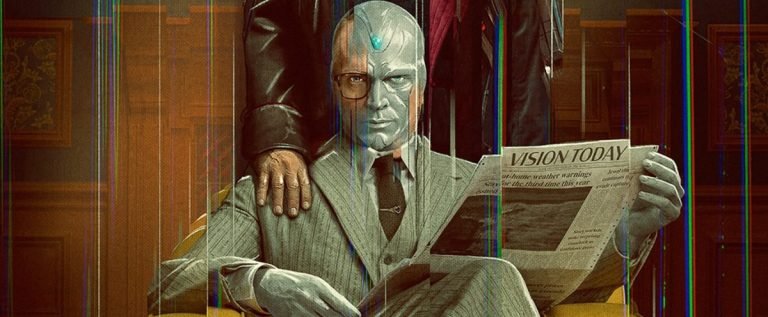
VisionQuest: Showrunner Debunks Fan Theories, Reshaping Nerd Expectations
In the vast, interconnected tapestry of the Marvel Cinematic Universe, fan theories aren’t just discussions; they are a vital, often passionate, component of the engagement experience. Each new series or film provides fertile ground for the collective intellect of the global Nerd community to dissect, hypothesize, and anticipate. However, the delicate dance between creator vision and audience speculation sometimes requires direct intervention. Such was the case recently with Terry Matalas, the showrunner for Marvel’s highly anticipated VisionQuest series, who stepped forward to gracefully, yet firmly, dismantle two prominent fan theories that had taken root within the fandom.
These theories, fueled by the intricate storytelling often associated with Marvel projects and the fervent desire for deeper connections, revolved around the mysterious absence and potential role of Billy, Tommy Maximoff’s brother. For a series like VisionQuest, which promises to delve into the complex identity and memories of Vision following the events of WandaVision, every lingering question becomes a potential clue for eager eyes. Matalas’s intervention, delivered through a video shared by New Rockstars on TikTok, offers a clearer trajectory for the upcoming narrative, recalibrating the expectations of fans who meticulously scrutinize every frame and plot point. It underscores a creative decision to prioritize a particular style of storytelling over broad, universe-altering reveals, a nuanced approach that speaks volumes about the direction the series intends to take.
The implications of Matalas’s statements extend beyond just a single character’s fate; they offer insight into the broader narrative philosophy of VisionQuest. By explicitly stating that the series is ‘not that kind of story,’ the showrunner subtly guides the audience towards a more personal, character-centric drama, rather than one heavily reliant on shock cameos or epic reveals that redefine the MCU’s immediate future. This move, while perhaps momentarily disappointing for some who thrive on elaborate conjecture, ultimately serves to strengthen the core emotional journey of Vision, Tommy, and the echoes of Wanda’s influence. It’s a strategic choice that can foster deeper appreciation for the internal conflicts and relationships central to the series, ensuring that the genuine surprises woven into the plot remain impactful for the discerning Nerd audience.
The Shifting Sands of Nerd Theories in VisionQuest
The landscape of modern fandom is incredibly dynamic, with digital platforms allowing for theories to spread and evolve at lightning speed. For the Nerd community, dissecting every frame and line of dialogue is part of the immersive experience, often leading to incredibly imaginative and intricate hypotheses. In the lead-up to VisionQuest, two particular theories regarding Billy Maximoff, Tommy’s brother, gained significant traction, captivating the attention of fans eager to uncover the series’ hidden layers. Showrunner Terry Matalas’s recent comments directly addressed these speculations, offering a definitive clarity that reorients the interpretive lens through which many viewers approach the narrative.
Matalas’s directness highlights a crucial aspect of contemporary storytelling in large franchises: the need for creators to sometimes manage the overwhelming flow of fan-driven narratives. While engagement is desirable, unbridled speculation, especially when it veers far from the intended path, can sometimes detract from the actual story being told. His decision to speak out, rather than allowing the theories to persist, demonstrates a commitment to the integrity of his creative vision and ensures that audiences are set on the right path for understanding the upcoming plot, fostering a more direct and impactful engagement with the core drama.
Quick Takeaway: Showrunner Terry Matalas explicitly debunked two popular fan theories about Billy’s role and whereabouts in VisionQuest, clarifying that Billy is neither ‘The Client’ nor was he spotted in a background shot, aiming to refocus audience expectations on the series’ intended narrative.
Unmasking “The Client”: Beyond Mephisto and Tony Stark
One of the most compelling theories posited that Billy Maximoff, currently sought by Agatha Harkness in Agatha: Coven of Chaos, was the enigmatic ‘Client’ responsible for deploying Paladin to capture Vision. This theory played into the larger MCU tradition of secret masterminds and unexpected reveals. However, Matalas unequivocally rejected this notion, urging fans to temper their expectations and avoid jumping to other high-profile speculative conclusions.
His specific mention of Mephisto, a character whose rumored appearance has haunted MCU theories for years, and a playful jab at the idea of Tony Stark’s involvement, underscores a conscious effort to signal a departure from certain types of grand, universe-altering plot devices. Matalas conveyed that VisionQuest is ‘not that kind of story,’ indicating that its focus lies elsewhere, likely in more personal, character-driven arcs rather than sprawling cosmic or multiversal revelations that might necessitate a high-profile cameo.
The Borough Market Cameo: A Case of Mistaken Identity
The second theory stemmed from a blink-and-you’ll-miss-it moment: a frozen frame from a set photo or footage showing Tommy and Lisa walking in London’s Borough Market. Eagle-eyed fans believed they identified Billy in the background, walking casually. This kind of detailed scrutiny is a hallmark of the dedicated Nerd, always looking for Easter eggs and hidden meanings.
Matalas clarified that this was merely a background actor whose haircut and hoodie coincidentally resembled Billy. He expressed a touch of regret that the resemblance wasn’t caught during filming, acknowledging how easily such details can ignite elaborate theories. This debunking confirms that Billy’s journey and eventual reunion with Tommy will likely be a more central plot point, rather than a casual, unnoticed stroll through a bustling market.
Terry Matalas’s Vision: Redefining Narrative Expectations for the Dedicated Nerd
A showrunner’s statements often serve as a crucial guidepost for understanding a series’ intent. Terry Matalas’s comments about VisionQuest, particularly his assertion that it’s ‘not that kind of story,’ provide a valuable framework for how the dedicated Nerd should approach the upcoming narrative. This isn’t just about debunking theories; it’s about setting a clear expectation for the type of emotional and thematic journey the series aims to deliver, moving beyond the constant hunt for monumental twists.
This redirection has significant implications for how the audience will engage with Vision’s story. Instead of anticipating a mystery with a ‘big bad’ reveal or a cameo that reshapes the entire MCU, viewers are subtly encouraged to focus on the internal and interpersonal dynamics. It’s a strategic move that can deepen the emotional resonance of the series, allowing the character arcs to shine without the constant pressure of external, universe-shaking events.
Quick Takeaway: Terry Matalas’s “not that kind of story” comment suggests VisionQuest will prioritize intimate, character-driven drama over expansive cameo-laden plots, aiming to deliver a more focused narrative for its core themes.
The Focus on Intimate Drama Over Grand Cameos
Matalas’s statement is a strong indicator that VisionQuest intends to center its narrative on the personal growth and struggles of its titular character. Vision’s quest for identity, his fragmented memories of Wanda, and his evolving relationship with Tommy are likely to form the core of the series. By explicitly downplaying the possibility of a major villain reveal or a high-profile cameo, the showrunner signals a narrative approach that values internal conflict and character development over external threats. This allows for a deeper dive into Vision’s unique existential dilemmas, a theme that has always resonated deeply with the intellectual curiosity of the Nerd audience.
Protecting the MCU’s True Surprises
Another strategic benefit of Matalas’s preemptive debunking is the preservation of genuine narrative surprises. In an age where every detail is scrutinized and every plot point predicted, creators face a challenge in maintaining an element of shock and discovery. By addressing and dismissing prominent fan theories, Matalas effectively clears the noise around speculative plotlines, allowing the true, carefully crafted revelations of VisionQuest to land with maximum impact. This approach ensures that when significant developments do occur, they are organic to the story being told, rather than being overshadowed by pre-existing, creator-unintended fan narratives.
The Enduring Quest: Vision’s Journey and the Future for the Modern Nerd
VisionQuest is poised to be a pivotal chapter in the ongoing saga of Vision, picking up threads from WandaVision and likely weaving into narratives like Agatha: Coven of Chaos, where Billy is actively being sought. Matalas’s insights reinforce that the series’ core lies in Vision’s deeply personal exploration of self, memory, and connection. This narrative direction is a rich tapestry for the modern Nerd, who appreciates not just epic battles, but also profound character studies within the larger superhero mythos.
The commitment to Vision’s internal journey signifies a deliberate choice to ground the series in emotional stakes rather than rely solely on spectacle. It’s an opportunity to explore what it means to be artificial yet sentient, to possess a consciousness built from fragments of others, and to forge new bonds while grappling with a past that is both beautiful and tragic. This focus promises a thoughtful expansion of Vision’s character, providing ample material for analysis and discussion within the fan community.
Quick Takeaway: VisionQuest is set to explore Vision’s identity, relationship with Tommy, and Wanda’s memories, with supplementary characters like Jocasta and Ultron playing specific, pre-determined roles, focusing on internal drama rather than external cosmic threats.
Unpacking Vision’s Identity and Familial Bonds
At the heart of VisionQuest is Vision’s search for who he truly is after being brought back as ‘White Vision’ devoid of his previous memories and emotional connections. His early encounter with Tommy is crucial, hinting at the rekindling of a familial bond that was central to his previous existence with Wanda. The series title itself suggests an introspective journey, a ‘quest’ for his ‘vision’ or understanding of self. This thematic depth offers a powerful narrative for the Nerd audience to engage with, exploring the philosophical underpinnings of consciousness and artificial intelligence within a superhero context. The series is set to complete a cycle begun in WandaVision, providing closure and a new beginning for the synthezoid hero.
Jocasta and Ultron: Unseen Threads in Vision’s Mindscape
Beyond the primary focus on Vision and Tommy, Matalas has also alluded to other significant elements shaping the series. Reports from October confirmed that the character of Jocasta, another advanced AI in Marvel comics, was deliberately hidden from initial marketing, suggesting a carefully planned reveal. Furthermore, official descriptions have already hinted at Ultron’s role within Vision’s ‘Mindspace,’ indicating a complex internal struggle or an exploration of Vision’s origins through his creator. These elements are not random inclusions but carefully curated aspects of Vision’s journey, designed to deepen his story without resorting to the large-scale, universe-altering plot devices that Matalas has steered away from.
Navigating the Complexities of Fandom and Narrative for the Astute Nerd
The interaction between creators and fan communities is a perpetually evolving dynamic, especially within the sprawling narratives of the MCU. Terry Matalas’s decision to directly address and debunk popular theories for VisionQuest is more than just a fact-check; it’s a recalibration of the narrative compass for the astute Nerd. It highlights the often-stark difference between enthusiastic speculation and the deliberate, controlled unfolding of a carefully crafted story. This approach, while potentially curbing some of the wilder theories, ultimately serves to strengthen the coherence and emotional impact of the series itself.
For fans, it’s a moment to re-engage with the material through the lens of authorial intent, appreciating the specific story being told rather than the one imagined through collective conjecture. For Marvel, it’s a way to maintain narrative control and ensure that genuine surprises and character developments resonate authentically. This balance is crucial in an entertainment landscape saturated with pre-release analysis and leaks, preserving the magic of discovery that is so vital to the cinematic experience. Ultimately, VisionQuest, freed from the weight of misdirected expectations, is now better positioned to deliver a focused, impactful, and memorable chapter in Vision’s complex journey.
Quick Takeaway: Terry Matalas’s debunking of theories underscores a deliberate narrative choice to focus on Vision’s personal journey, guiding the astute nerd audience towards appreciating a character-driven story and preserving the impact of genuine plot developments.
FAQ – VisionQuest, Theories, and the Modern Nerd
-
What were the two fan theories about Billy Maximoff in VisionQuest that were debunked?
The first theory suggested that Billy Maximoff was ‘The Client,’ the mysterious figure who sent Paladin to capture Vision. The second theory claimed that Billy was secretly spotted in a background shot of Tommy and Lisa in London’s Borough Market. Showrunner Terry Matalas explicitly denied both, clarifying that ‘The Client’ is not Billy and the individual in Borough Market was merely a background actor with a coincidental resemblance. These theories had gained significant traction within the Nerd community, highlighting the intense scrutiny and speculation surrounding upcoming MCU projects.
-
Why did Terry Matalas choose to debunk these theories directly?
Matalas’s decision to directly address and debunk these theories appears to be a strategic move to manage audience expectations and guide the narrative focus of VisionQuest. By clarifying what the series is not about (e.g., grand cameos or complex, external villain reveals like Mephisto or Tony Stark), he steers the audience towards the intended emotional and character-driven story of Vision’s quest for identity. This helps to prevent potential disappointment from misaligned expectations and allows the creative team to protect genuine plot surprises, ensuring their impact is fully realized by the Nerd viewership.
-
What does Matalas mean by ‘not that kind of story’ in reference to VisionQuest?
When Terry Matalas states that VisionQuest is ‘not that kind of story,’ he is indicating that the series will likely prioritize a more intimate, character-focused drama over sprawling, universe-altering plotlines or reliance on high-profile, shock cameos. This implies that the core narrative will delve into Vision’s internal struggles, his fragmented memories, his relationship with Tommy, and his quest for a new identity, rather than external threats or massive MCU connections that might necessitate the involvement of characters like Mephisto or Tony Stark. It’s a signal to the Nerd audience to appreciate the depth of personal storytelling within the superhero genre.
-
How do these debunkings affect the overall anticipation for VisionQuest among the Nerd community?
The debunking of these theories likely elicits mixed reactions within the Nerd community. While some might feel a brief disappointment that their elaborate theories didn’t pan out, many others will appreciate the clarity and the showrunner’s commitment to a focused narrative. By setting clear expectations, Matalas helps to prevent the series from being judged against an imagined storyline, allowing fans to engage more directly with the actual content. This can lead to a deeper appreciation for the character development and emotional arcs that VisionQuest aims to explore, enhancing the overall anticipation for a well-crafted story.
-
What is the confirmed narrative focus of VisionQuest after these clarifications?
Following Matalas’s clarifications, the narrative focus of VisionQuest remains firmly on Vision’s journey of self-discovery and his quest for identity. The series is expected to explore his fragmented memories of Wanda Maximoff and his evolving relationship with Tommy. It also aims to close the cycle initiated in WandaVision, suggesting a continuation and resolution of themes surrounding Vision’s artificial sentience and his place in the world. The role of characters like Jocasta and Ultron’s presence in Vision’s ‘Mindspace’ are also confirmed elements, indicating a focus on his origins and internal mechanics, rather than external, universe-shattering events, appealing to the thoughtful Nerd.









Post Comment