Marvel’s Multiverse Squad: The Ultimate Solution for Nerds
The Marvel Comics universe has long captivated nerd culture enthusiasts since its inception in 1939. While the company’s storytelling prowess has evolved, recent challenges within its multiverse have prompted fans to seek deeper narratives and character development. The idea of a superhero multiverse is not novel; it has roots in various characters’ journeys across alternate realities. However, as avid consumers of nerd media, fans now expect depth comparable to what they experience in films. This is especially true given how the Marvel Cinematic Universe (MCU) has popularized multiversal themes. Yet, many original comic book narratives fall short of delivering this complexity.
Nerd Perspectives on Marvel’s Multiverse
Marvel’s multiverse was officially introduced in 1971 with *Avengers #86*, establishing the foundation for a narrative structure that encompasses vast realities. Although Marvel’s alternative Earths have produced some iconic arcs like *Days of Future Past* and *Age of Apocalypse*, many of these universes feel like mere backdrops for fleeting stories rather than platforms for well-rounded, ongoing tales.
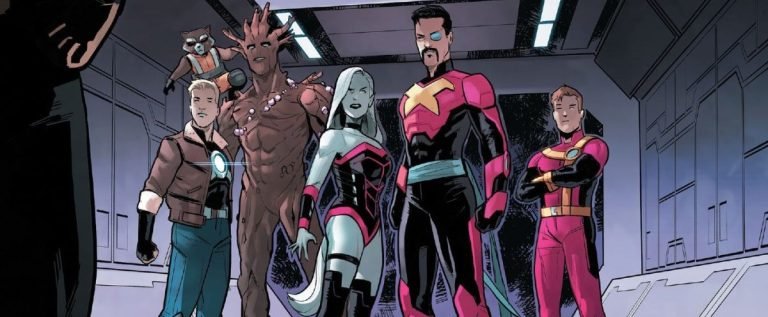
For those steeped in the world of nerd culture, this inconsistency can be disheartening. The expectation is clear: they want compelling worlds filled with engaging storylines. The introduction of the Exiles in the early 2000s showcased how multiversal narratives could embrace a variety of characters from different realities on missions to rectify anomalies. This concept enjoys a strong following, yet several attempts to reintroduce the team have failed to capture that same enthusiasm in recent years.
The Strengths of the Exiles
The charm of the Exiles lies in their mission-driven approach, blending character growth with transformative world-building. Every assignment tasked the team with not only addressing problems but also exploring the rich landscapes they visited, establishing emotional weight and a sense of place. The potential for character fatalities during missions heightened the stakes dramatically, offering a unique blend of drama and excitement.
For nerd culture enthusiasts, characters that evolve in life-and-death situations resonate more profoundly, as they reflect the complexities and challenges of real life.
Comparative Analysis: Marvel’s Multiverse vs. DC’s Multiverse
| Aspect | Marvel’s Multiverse | DC’s Multiverse |
|---|---|---|
| History | Introduced in 1971 | Introduced with Superman in 1938 |
| Character Development | Occasional depth | Consistent character arcs |
| Worldbuilding | Varying success | Structured alternate realities |
Benefits of a Revamped Exiles Team
- Character Depth: Developing backstories for team members creates emotional investment.
- Unique Worlds: Each mission can lead to fresh explorations of alternate Earths.
- Dramatic Tension: The risk of character loss can keep narratives unpredictable.
Limitations to Consider
While the concept of Exiles is rich with potential, there are pitfalls. Recent attempts to revive the brand have struggled to resonate due to lackluster narratives and character development. Additionally, fan fatigue with constantly shifting multiverses can lead to diminished interest.
Common Mistakes in Multiversal Narratives
- Neglecting Character Development: Focusing solely on plot without exploring personal growth.
- Short-lived Arcs: Creating transient worlds that lack depth, making them forgettable.
- Overcomplicating Stories: Excessive convolutions can alienate fans.
Best Practices for Multiverse Storytelling
To create engaging multiverse narratives, Marvel should focus on:
- Character Arcs: Invest time in developing each team member’s journey.
- World-Building: Create intricate realities that are inviting to explore.
- Stakes: Implement genuine risks and consequences in storytelling.
Future Trends in Marvel’s Multiverse
As nerd culture continues to evolve, the demand for intricately woven stories will grow. The success of MCU films and series highlighting multiverses indicates a thirst for more in-depth exploration of character relationships and overarching narratives that resonate with audiences.
Why Nerds Should Care About This Team
The right team of writers and characters can bring the Exiles back into the spotlight, allowing Marvel to leverage a uniquely rich untapped potential within the multiverse narrative framework. A fresh take on the Exiles could mean the difference between mediocrity and resonant storytelling.
FAQ
1. What are the Exiles in Marvel Comics?
The Exiles are a team of characters from different realities in Marvel Comics who come together to fix problems across the multiverse. They were introduced to allow for diverse storytelling while exploring various alternate realities.
2. How did the multiverse concept start in Marvel?
The multiverse concept in Marvel began with *Avengers #86*, published in 1971. This issue introduced various alternate Earths and characters, setting the stage for expansive storytelling.
3. Why is character development significant in multiverse stories?
Character development offers readers emotional investment in the narrative. In a multiverse where realities can drastically change, well-rounded characters provide a stable anchor for readers.
4. What troubles have plagued the Exiles in recent iterations?
Recent attempts to reinvigorate the Exiles haven’t achieved significant success due to lack of depth and engaging storylines, which have led to fan disappointment and diminished interest.
5. What lessons can Marvel learn from its competitors?
Observing DC’s multiverse successes can provide insights into consistent character arcs and structured world-building, which Marvel can integrate into its own multiverse narratives to enhance engagement.
6. Will the Exiles return in upcoming Marvel stories?
The future of the Exiles depends on Marvel’s willingness to invest in character development and compelling narratives that resonate with their audience, appealing directly to the core values that nerds appreciate.












Post Comment