Star Wars’ Saddest Scene: Why Animated Canon Moves Every Nerd
For decades, the Star Wars saga has captivated audiences worldwide, weaving tales of heroism, villainy, hope, and despair. When contemplating the franchise’s most heartbreaking moments, many instantly recall cinematic masterpieces: the devastating revelation of Darth Vader’s paternity, Han Solo’s tragic demise at the hands of his own son, or Luke Skywalker’s final, serene farewell. These scenes, etched into the collective memory of fans, undeniably carry immense emotional weight, shaping our understanding of loss and sacrifice within a galaxy far, far away. Yet, a growing and vocal segment of the Star Wars faithful, particularly the discerning Nerd, posits a different contender for the title of the saga’s saddest scene. Their argument points away from the live-action blockbusters and towards an animated series that profoundly deepened the lore and emotional complexity of the universe: Star Wars: The Clone Wars.
This perspective isn’t merely a niche opinion; it’s a testament to the powerful storytelling found beyond the silver screen, proving that animation can deliver narratives just as, if not more, impactful than their live-action counterparts. The scene in question, focusing on the execution of Order 66, transcends mere spectacle. It delves into the harrowing destruction of trust, the forced betrayal of deeply forged bonds, and the visible anguish of those compelled to act against their will. It’s a moment that redefines what loss truly means in Star Wars, moving beyond physical death to explore the shattering of identity and loyalty. As we delve into this pivotal sequence, we’ll uncover precisely why it resonates so deeply with fans and why its emotional intensity often overshadows even the most iconic film moments.
Understanding this scene requires an appreciation for the intricate relationship between the Jedi and their clone troopers, a bond meticulously built and painfully shattered over years of galactic warfare. The animated series provided an unprecedented look into these connections, transforming what might have been perceived as anonymous soldiers into individuals with personalities, friendships, and a profound sense of duty. It’s within this rich tapestry of character development that the tragedy of Order 66 finds its most potent expression, revealing a layer of heartbreak that leaves an indelible mark on anyone who witnesses it. Prepare to revisit a moment of profound sorrow, re-examined through the eyes of a fandom that cherishes every facet of this beloved universe.
Unpacking the Emotional Core: Why “Order 66” in The Clone Wars Haunts Every Nerd
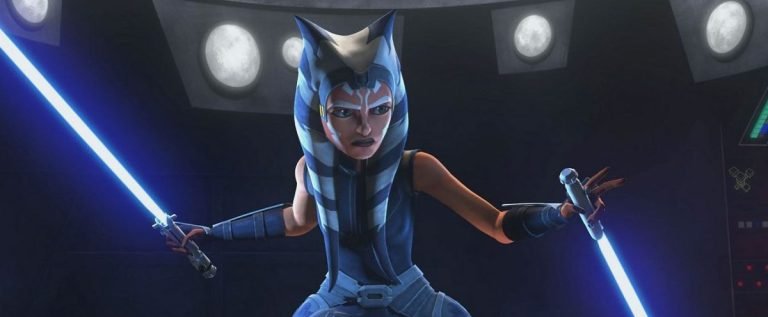
The depiction of Order 66 in Star Wars: The Clone Wars stands out as the franchise’s most heartbreaking scene for many fans, particularly those who identify as a Nerd of the expanded universe, because it portrays not just a massive betrayal, but the tragic destruction of trust and the forced loss of free will among characters with whom viewers had formed strong emotional bonds. Unlike the film’s broader, more impersonal execution, the animated series focuses on individual relationships, particularly between Ahsoka Tano, Captain Rex, and their clone troopers, revealing the inner conflict and anguish of the clones as they are compelled to turn on their Jedi comrades against their deepest loyalties.
When the topic of Star Wars’ saddest scenes arises, the climactic moments of Order 66 in The Clone Wars often surface as a surprising, yet deeply felt, choice among dedicated fans. This particular rendition of Emperor Palpatine’s infamous directive elevates the tragedy beyond a simple military purge, transforming it into a profoundly personal and agonizing experience. The scene unfolds as Ahsoka Tano is transporting the captured Darth Maul aboard a Republic cruiser. Suddenly, the order is transmitted across the fleet, activating the inhibitor chips implanted in every clone trooper’s brain and turning them against their Jedi commanders.
The core of this heartbreak lies in the intimate bonds forged over years of brutal conflict. Jedi and clones had fought side-by-side, sharing countless battles, triumphs, and losses. Many Jedi commanders, like Ahsoka, had developed strong, familial relationships with their clone units. This deep trust and camaraderie make the betrayal excruciatingly painful. It’s not merely the loss of life, but the devastating realization that trusted allies, individuals they had come to view as friends and brothers, were no longer in control of their own actions, now compelled to commit acts of horrific violence.
The visual storytelling masterfully conveys this anguish. Clones are depicted fighting against the irresistible compulsion of their chips, their expressions often twisted in visible sorrow and confusion, even as they raise their weapons against the Jedi. This internal struggle, a silent battle for autonomy against an insidious biological control, is far more tragic than any overt act of malice. It underscores the complete lack of agency for these soldiers, transforming them into unwilling instruments of evil, forced to betray everything they once fought for.
The Unseen Connection: Jedi and Clone Troopers
Before Order 66, the relationship between Jedi and their clone troopers was one of necessity that evolved into genuine camaraderie. The animated series was instrumental in humanizing the clones, giving them distinct personalities, voices, and even names, like Captain Rex. Viewers witnessed them as individuals, not merely disposable cannon fodder. This depth allowed for the cultivation of profound bonds, often resembling mentorships or even genuine friendships, between Jedi generals and their clone commanders. The Jedi, in turn, learned to trust these genetically engineered soldiers implicitly, relying on their skill and loyalty in the galaxy-spanning conflict.
This intricate web of mutual respect and shared sacrifice made the events of Order 66 particularly devastating. The sudden shift from steadfast ally to deadly foe wasn’t just a military maneuver; it was a profound personal betrayal for both sides. For the Jedi, it was an unimaginable stab in the back by those they considered family. For the clones, it was a horrifying act of involuntary violence, a violation of their core programming and developed conscience.
The Burden of Loyalty: Captain Rex’s Internal War
One of the most poignant portrayals of Order 66’s impact centers on Captain Rex, Ahsoka Tano’s loyal commander. As the order is given, Rex visibly struggles against the inhibitor chip’s influence. His internal battle is raw and heart-wrenching, a desperate fight for control over his own mind and actions. This resistance highlights the core tragedy: the clones were not acting out of malice or hatred, but under duress from a covertly implanted mechanism designed to override their free will. Their anguish, even as they attacked, was palpable, showcasing a profound psychological torment.
Ahsoka’s desperate realization of Rex’s struggle—understanding that her friend was not willingly betraying her—offers a glimmer of hope amidst the chaos. Her quick thinking to remove his inhibitor chip, allowing him to regain control, is a testament to their unbreakable bond. This act saves Rex not just physically, but morally, preserving his identity and proving that even under the most extreme duress, the bonds of friendship and individual will could, sometimes, triumph over programmed obedience. Their shared experience of survival after the order’s execution marks them as rare witnesses to the true, brutal cost of such a devastating war.
Beyond the Silver Screen: The Deep Impact of Animated Star Wars for the Modern Nerd
Animated Star Wars series, particularly The Clone Wars, hold profound significance for the modern Nerd because they meticulously expand and enrich the foundational canon established by the films. These series delve into characters, events, and lore with a depth that often surpasses the constraints of live-action cinema, allowing for more complex character arcs, exploration of nuanced themes, and a more comprehensive understanding of the galaxy far, far away, thus providing a richer, more emotionally resonant narrative experience for dedicated fans.
For a long time, the Star Wars saga was defined primarily by its live-action films. However, the advent and subsequent success of animated series like Star Wars: The Clone Wars irrevocably altered this perception, especially for the dedicated Nerd community. These series proved that some of the most compelling, canon-defining narratives could flourish outside the traditional cinematic format, offering a depth of character development and world-building that the films, by necessity, could only hint at. This expansion wasn’t just about adding more stories; it was about enriching the existing mythology and forging deeper emotional connections with beloved and new characters alike.
The power of animation allowed creators to explore complex political landscapes, moral ambiguities, and the psychological tolls of war with a freedom often constrained by live-action production. This allowed for a more granular examination of pivotal events, offering viewers a comprehensive understanding of the galaxy’s dynamics leading up to the Galactic Empire. Characters who might have remained secondary in films were given their own arcs, revealing their motivations, struggles, and growth in ways that profoundly impacted the overall narrative of the Star Wars universe. This comprehensive approach is precisely what appeals to the deep dive tendencies of the modern fan.
Ahsoka Tano’s Enduring Legacy
Ahsoka Tano stands as a prime example of a character who originated in animation and has since become a cornerstone of the Star Wars narrative. Her journey through The Clone Wars, from Anakin Skywalker’s spirited Padawan to a disillusioned, independent Force-wielder, showcases incredible character evolution. The Order 66 storyline, in particular, solidifies her as a survivor who profoundly understands the moral complexities and sacrifices demanded by conflict. Her story continued to evolve in other animated series and eventually into live-action with the highly anticipated Ahsoka series.
The confirmation of a second season for Ahsoka, slated for release on Disney+ in early 2027, underscores her continued importance. The announcement of Rosario Dawson returning alongside Hayden Christensen, David Tennant, and Lars Mikkelsen has only heightened excitement, promising further exploration of her post-Order 66 experiences and her ongoing quest. Furthermore, earlier episodes from The Clone Wars, such as the Mortis arc, had already demonstrated the animation’s capacity to delve into the very mythology of the Force itself, reshaping fan understanding of its intricacies and cosmic balance.
Darth Maul’s Resurgence and Canonical Importance
Another character whose narrative arc was significantly enriched by animation is Darth Maul. Following his seemingly fatal encounter with Obi-Wan Kenobi in The Phantom Menace, Maul’s resurgence and expanded story were masterfully told across various animated projects. His capture after his intense duel with Ahsoka during the Siege of Mandalore, an event that unfolded perilously close to the execution of Order 66, was a crucial turning point. This dramatic capture set the stage for his continued struggle for power and revenge.
Maul’s journey from a vengeful Sith Lord to a crime syndicate leader further demonstrated the narrative flexibility and depth offered by the animated format. His ongoing story, now culminating in his own series, Lorde das Sombras, provides a rich, complex look into the mind of one of Star Wars’ most iconic villains. These developments are integral to the broader Star Wars canon, proving that the most compelling and enduring stories often emerge from a diverse array of storytelling mediums, extending far beyond the confines of live-action feature films.
Narrative Strengths of the Depiction
The *Clone Wars* portrayal of Order 66 leveraged its animated medium to achieve unparalleled emotional depth. By focusing on individual clone troopers like Rex, the series could meticulously illustrate the internal torment and visible anguish of soldiers compelled to betray their friends. This personalized approach allowed viewers to empathize with the clones as victims of a sinister plot rather than mere antagonists. The detailed animation also facilitated the depiction of subtle, yet powerful, emotional cues, such as the clones’ desperate glances or their trembling hands, enriching the narrative with layers of human tragedy.
Furthermore, the series had the space to build genuine, long-standing relationships between the Jedi and their clone units over multiple seasons. This extensive development meant that when the betrayal occurred, the stakes were incredibly high and the emotional fallout was profoundly resonant. The destruction of these bonds, painstakingly crafted over years, inflicted a deeper wound on the audience, establishing a new benchmark for tragedy within the Star Wars universe.
The Lingering Scars: Emotional Limitations and Ethical Questions
While exceptionally powerful, the *Clone Wars* depiction of Order 66 also presents certain emotional and ethical complexities. The explicit portrayal of the inhibitor chip mechanism, while explaining the clones’ actions, removes a layer of free will that some might argue diminishes the full moral weight of their participation in the Jedi purge. While the clones’ anguish is clear, the scientific explanation could, for some, soften the pure sense of villainy, shifting focus from betrayal to manipulation.
Moreover, the sheer brutality and widespread nature of the event, concentrated on figures previously seen as heroes, can be emotionally taxing for younger audiences or those less accustomed to such dark themes in animation. While it adds incredible depth, it pushes the boundaries of a traditionally family-friendly franchise into intensely grim territory. This portrayal, while narratively brilliant, requires viewers to confront difficult questions about identity, obedience, and the ultimate cost of war, potentially leaving a more somber and unresolved feeling than earlier, more straightforward depictions of heroism and villainy.
Looking Ahead: The Evolving Star Wars Canon for Every Dedicated Nerd
The Star Wars universe continues to expand, with animated series playing an increasingly vital role in shaping its future. For every dedicated Nerd, the ongoing success and critical acclaim of shows like The Clone Wars and its successors highlight Lucasfilm’s commitment to diverse storytelling formats. This trajectory ensures that future narratives, whether animated or live-action, will continue to build upon the rich emotional and canonical foundations laid by these pivotal series. The future promises even more intricate character explorations and deeper dives into the lore.
FAQ: Exploring the Deepest Cuts of Star Wars Storytelling
| Question | Answer |
|---|---|
| Why is Order 66 in The Clone Wars considered sadder than film scenes? | The animated depiction focuses intensely on the individual relationships forged between Jedi and clone troopers, particularly Ahsoka Tano and Captain Rex. Unlike the more sweeping, impersonal portrayal in the films, The Clone Wars delves into the agonizing internal struggle of clones compelled by inhibitor chips to betray their friends and commanders. This personalized anguish, coupled with the destruction of deeply cultivated trust and the loss of free will, evokes a more profound and intimate sense of heartbreak for many viewers. It transforms a military purge into a deeply personal tragedy. |
| Who is Captain Rex and why is his role in Order 66 significant? | Captain Rex is a highly skilled and loyal clone trooper commander who served under Anakin Skywalker and Ahsoka Tano. His significance during Order 66 stems from his visible, desperate struggle against the inhibitor chip’s control. Unlike other clones who simply turn, Rex’s fight against the programming showcases the clones’ individual personalities and capacity for loyalty, making his forced betrayal profoundly tragic. His eventual rescue by Ahsoka also provides a rare glimmer of hope and a profound exploration of their unbreakable bond amidst the chaos. |
| What role did Ahsoka Tano play during Order 66 in The Clone Wars? | Ahsoka Tano was caught in the midst of Order 66 while transporting Darth Maul. Unaware of the Emperor’s plot, she quickly realized her clone troopers were turning on her. Her crucial role involved recognizing Captain Rex’s internal conflict and working to remove his inhibitor chip, saving him from the command. She then had to navigate the harrowing reality of fighting her former allies, making a desperate escape while witnessing the horrific destruction of the Jedi Order and the Republic she had fought for. Her survival underscores the profound emotional cost of the war. |
| How did the inhibitor chips affect the clone troopers during Order 66? | The inhibitor chips, secretly implanted in every clone trooper’s brain, contained programming that, upon activation by Order 66, compelled them to execute all Jedi without question. These chips overrode their free will, loyalty, and even their developed personalities. The animated series vividly portrays clones experiencing confusion, anguish, and a visible struggle to resist the command, highlighting that their actions were not born of malice but of involuntary biological manipulation. This mechanism adds a layer of tragic victimhood to the clones’ role in the purge. |
| What happened to Ahsoka Tano and Captain Rex after Order 66? | After surviving Order 66 by removing Rex’s inhibitor chip, Ahsoka Tano and Captain Rex parted ways, each going into hiding to avoid the newly formed Galactic Empire. Ahsoka renounced her Jedi past, leaving her lightsaber behind as a symbol of her departure from the Order. Rex, having regained his free will, continued his path as a survivor, eventually joining the Rebellion. Their shared experience of escaping the purge and living with its aftermath forged an unbreakable bond, allowing them to provide a unique perspective on the true cost of the Clone Wars and the rise of the Empire. |
| How does The Clone Wars expand the Star Wars canon? | The Clone Wars significantly expanded the Star Wars canon by introducing pivotal characters like Ahsoka Tano, delving deeper into the origins and personalities of clone troopers, and exploring the political and moral complexities of the galaxy during the war. It bridged the gap between Attack of the Clones and Revenge of the Sith, enriching character backstories, introducing new planets, and exploring aspects of the Force in unprecedented ways, such as the Mortis arc. Its narratives are now considered essential to understanding the broader Star Wars universe. |
| Will Ahsoka Tano appear in future Star Wars projects? | Yes, Ahsoka Tano is confirmed to appear in future Star Wars projects. Her live-action series, Ahsoka, aired its first season to critical acclaim, and a second season has already been announced, slated for release on Disney+ in early 2027. Rosario Dawson will reprise her role, joined by Hayden Christensen, David Tennant, and Lars Mikkelsen. Her journey is central to the ongoing narrative of the post-original trilogy era, hinting at further adventures and her continued impact on the galaxy. |
| What is the significance of Darth Maul’s story after Order 66? | Darth Maul’s narrative after Order 66 is profoundly significant, demonstrating the enduring power of characters beyond their initial cinematic appearances. His capture by Ahsoka during the Siege of Mandalore, an event concurrent with Order 66, was a crucial moment that led to his continued evolution. Maul’s story delves into his relentless pursuit of power, his formation of a criminal empire, and his ultimate confrontation with Obi-Wan Kenobi, expanding his character beyond a simple Sith apprentice. His dedicated series, Lorde das Sombras, further solidifies his canonical importance. |
Ultimately, the discussion surrounding Star Wars’ saddest scene transcends mere subjective preference; it speaks to the profound depth and emotional resonance that the franchise has cultivated across its various mediums. While the films deliver epic, sweeping narratives, it is often within the detailed, character-driven storytelling of series like Star Wars: The Clone Wars that the most intimate and heartbreaking truths emerge. For the discerning Nerd, the scene depicting Order 66 is not just a moment of historical tragedy within the galaxy; it is a meticulously crafted narrative of betrayal, forced obedience, and the shattering of trust that truly defines the emotional zenith of sorrow in Star Wars.
This nuanced portrayal reminds us that the strongest stories are not always found in the grandest spectacles, but in the most personal and agonizing struggles of its characters. It’s a powerful testament to the impact of well-developed narratives, proving that emotional weight can be carried by any medium, and that true heartbreak resonates most deeply when we are invested in the individuals facing unimaginable circumstances. As the Star Wars universe continues to expand, it’s clear that its most impactful tales will continue to challenge perceptions and deepen our understanding of what makes this saga truly timeless.





Post Comment