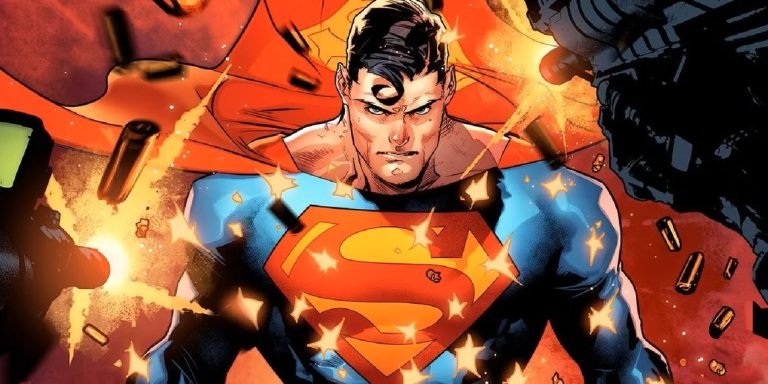
The Greatest Change in Superman’s Origins: A Deep Dive
The transformation of Superman’s origin story represents one of the most significant shifts in comic book history. Venturing back over four decades, it’s crucial to understand how this change not only redefined a legendary character but also influenced the entire comic book industry. For fans of nerd culture, the implications of this reimagining are far-reaching, intertwining with themes of identity, legacy, and the essence of heroism.
Nerd Culture: The Importance of Superman’s Origin
Superman, first introduced in 1938, is more than just a superhero; he embodies the ideals of hope, justice, and moral responsibility. His origin—an alien sent to Earth after his planet, Krypton, was destroyed—has served as a foundational narrative for countless tales of heroism. The original backstory emphasized his alien nature while rooting his moral compass in his upbringing on Earth. This duality is pivotal, allowing audiences to connect with his humanity despite his otherworldly powers.
When John Byrne redefined Superman in 1986 with The Man of Steel, everything changed. This reinvention followed the monumental Crisis on Infinite Earths, which streamlined the DC Universe, collapsing multiple timelines into a single cohesive story. For newcomers to the comic realm, this was a refreshing entry point and a move to reinvigorate interest in established characters, including the iconic Man of Steel.
Major Changes in Superman’s Story
- Single Survivor of Krypton: In Byrne’s revision, Superman is the last inhabitant of Krypton, eliminating characters like Supergirl and Krypto. This stark change intensified his isolation and emphasized his role as Earth’s solitary protector.
- Relationship with Earth: While originally portrayed as an outsider, the new narrative positioned Superman more as a fundamentally human character, shaped by his adoptive Earth parents, Ma and Pa Kent.
- New Lex Luthor: The reimagined villain transitioned from a mad scientist to a corporate mogul. This shift modernized the adversarial relationship and made the threats Superman faces resonate with contemporary societal issues.
Impact on Idolization and Identity
This updated origin story profoundly impacted how Superman is depicted in various media, including films, television, and video games. It reinforced the idea that while Krypton may have birthed him, it was Earth and its inhabitants who truly made him who he is. This narrative adjustment fostered a richer connection between Superman and his audience, aligning with the emerging nerd culture that prioritized diverse character narratives and intricate backstories.
The Benefits and Limitations of the New Narrative Structure
Byrne’s transformation brought fresh vitality to Superman’s character. One primary benefit was its accessibility; new readers could better understand his motivations and challenges. However, the limitations included the alienation of long-time fans who cherished the established lore, leading to a divided audience within the fanbase.
Common Misunderstandings About Superman’s Origin
- Superman is purely an alien: Many overlook the integral role his human upbringing plays in shaping his personality and ethics.
- All Kryptonians are like him: Following the Byrne era, the perspective shifted, highlighting that Superman’s unique experiences on Earth differentiate him.
- His powers define him: Readers often focus on Superman’s abilities rather than his moral responsibilities and emotional struggles.
Best Practices for Engaging with Superman’s Universe
1. Explore Various Adaptations: Different media portray Superman uniquely, each adding layers to his character.
Future Trends in Superman’s Narrative
As storytelling within the superhero genre evolves, expectations surrounding character development will likely shift. Upcoming projects may continue to explore Superman’s dual identity and the challenges of balancing his Kryptonian heritage with his Earthly responsibilities.
Conclusion: Why Superman’s Change Matters to Nerds
For fans who identify with nerd culture, understanding Superman’s origin story’s evolution is crucial. As a cultural icon, his narrative reflects broader themes of belonging, identity, and the human experience. The change prompted by John Byrne remains a cornerstone of comic history, enriching our understanding of what it means to be a hero in a complex world.
Frequently Asked Questions
- What was the primary reason for the rewrite of Superman’s origin?
The rewrite aimed to modernize Superman’s story and make it more relatable to new readers following the Crisis on Infinite Earths. - How did Byrne’s changes affect Superman’s character?
Byrne’s changes emphasized Superman’s humanity and isolated him as the last survivor of Krypton, thereby deepening his connection to Earth. - What impact did this change have on Superman’s villains?
Lex Luthor transitioned from a mad scientist to a corporate villain, reflecting societal changes and enhancing the narrative’s relevance. - Is Superman still considered an alien hero?
Yes, but the focus now lies more heavily on his human upbringing and moral values, which shape his decisions as a hero. - What can new fans learn from Superman’s story?
New fans can appreciate the layers of identity, sacrifice, and moral responsibility that define Superman’s character. - Are there alternate versions of Superman without these changes?
Yes, prior versions exist, but Byrne’s storyline remains the most influential in shaping the modern portrayal.











Post Comment