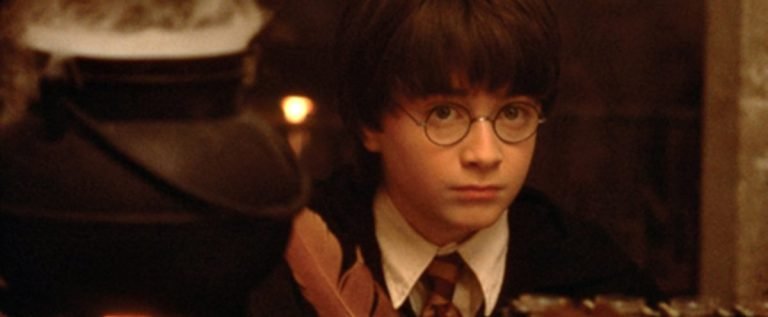
Why Alfonso Cuarón Refused to Direct Harry Potter’s Second Film
Nerd Culture and the Legacy of the Harry Potter Saga
The Harry Potter franchise has captivated millions of fans worldwide, becoming a cultural phenomenon since the release of its first film in 2001. Each movie brought something unique to the table, contributing to the rich tapestry of J.K. Rowling’s Wizarding World. Yet, one of the most intriguing decisions within this timeline was Alfonso Cuarón’s refusal to direct the second movie, ‘Harry Potter and the Goblet of Fire.’ Understanding this choice not only reveals insights about the director’s creative journey but also about the challenges faced by filmmakers adapting beloved books to the screen.
The Exhaustion Behind Cuarón’s Decision
After directing ‘Harry Potter and the Prisoner of Azkaban,’ considered by many as the strongest entry in the series, Cuarón opted out of continuing with ‘Goblet of Fire.’ This decision, taken during a time of significant creative and physical strain, raised eyebrows among fans. Producer David Heyman, who continues to be closely associated with the franchise, shed light on Cuarón’s choice during a recent podcast. When asked if he wanted to direct the fourth film, Cuarón’s response was a direct, yet revealing, ‘Cabrón,’ indicating to Heyman that he was thoroughly worn out from his previous experience.
Directorial Challenges and Filmmaking Fatigue
Cuarón’s exhaustion stemmed from the rigorous demands of bringing ‘Prisoner of Azkaban’ to life. Balancing the expectations of fans while staying true to the narrative’s essence posed a significant challenge. Heyman noted that this experience contrasted sharply with Chris Columbus, the director of the first two films, who remained enthusiastic and childlike throughout the filming process. Cuarón’s departure exemplifies how the intense nature of film production can impact even the most talented directors.
From Cuarón to Newell: A Transition of Vision
With Cuarón stepping aside, the task was passed to Mike Newell for ‘Goblet of Fire.’ Newell faced his own set of challenges while adapting one of the most complex entries in Rowling’s series. The exhausting nature of transforming detailed narratives into cinematic experiences was evident in Newell’s journey as well. He too concluded production feeling completely spent, highlighting the toll that ambitious storytelling can take on filmmakers.
The Broader Implications for Filmmaking
This reflects a broader trend within the film industry where high expectations and intensive workloads can lead to director burnout. The Harry Potter series, beloved as it is, carries substantial weight on the shoulders of its creative team. Alongside the new HBO series adaptation currently in production, these challenges continue. Screenwriter Jon Brown has already been elevated to co-showrunner for the second season, facing the same pressures that previous directors knew all too well.
Benefits of Directors’ Choices in Franchise Films
- Innovation: New directors can bring fresh perspectives to a franchise.
- Diverse storytelling: Different directing styles can lead to varied narrative interpretations.
- Character developments: Each director may emphasize different aspects of characters.
Limitations of Changes in Directing Teams
- Continuity: Different directing styles can disrupt narrative consistency.
- Fan expectations: Established fans may struggle with dramatic shifts in tone.
- Timing: Transitioning directors can lead to delays in production.
Common Errors in Franchise Adaptations
- Neglecting source material: Failing to adhere to the original work can alienate fans.
- Overlooking character arcs: Skipping key character developments detracts from the story.
- Lack of creative vision: Directors must balance artistic vision with audience expectations.
Best Practices for Successful Franchise Films
- Close collaboration: Directors should work closely with writers to maintain vision.
- Pacing: Films should be structured to allow for character growth.
- Respect for lore: Staying true to the source material fortifies credibility.
Future Trends in Franchise Filmmaking
As studios continue to tackle beloved franchises, a trend towards including diverse creator voices is emerging. This could lead to richer stories and more varied character portrayals. Additionally, the incorporation of modern technologies may enhance storytelling approaches, offering new platforms for narrative exploration.
Conclusion: Why Cuarón’s Decision Matters
Alfonso Cuarón’s choice to step away from ‘Harry Potter and the Goblet of Fire’ serves as a case study in the complexities of franchise filmmaking. The balance of creative burnout, expectations, and the unique talents of different directors creates a multifaceted landscape. Nerd culture continually evolves, yet the lessons from these decisions resonate across the cinematic spectrum.
FAQ about Alfonso Cuarón and the Harry Potter Series
- What was the reason Alfonso Cuarón declined to direct the second Harry Potter film? Cuarón felt exhausted after directing ‘Prisoner of Azkaban,’ which influenced his decision to not return for ‘Goblet of Fire.’
- How did David Heyman’s perspective contribute to understanding Cuarón’s choice? Heyman noted Cuarón’s fatigue during discussions about the fourth film, revealing the strain of the directorial role.
- Who took over directing duties after Cuarón? Mike Newell directed ‘Harry Potter and the Goblet of Fire’ following Cuarón’s departure.
- What challenges did Mike Newell face? Similar to Cuarón, Newell encountered significant challenges in adapting a complex narrative and faced fatigue at the end of production.
- How does Cuarón’s decision reflect on the film industry? It highlights the pressure and expectations directors face when working on beloved franchises, which can lead to burnout.
- What are current trends in franchise filmmaking? The trend is leaning towards inclusive creative voices and utilizing new technologies to enhance storytelling.










Post Comment