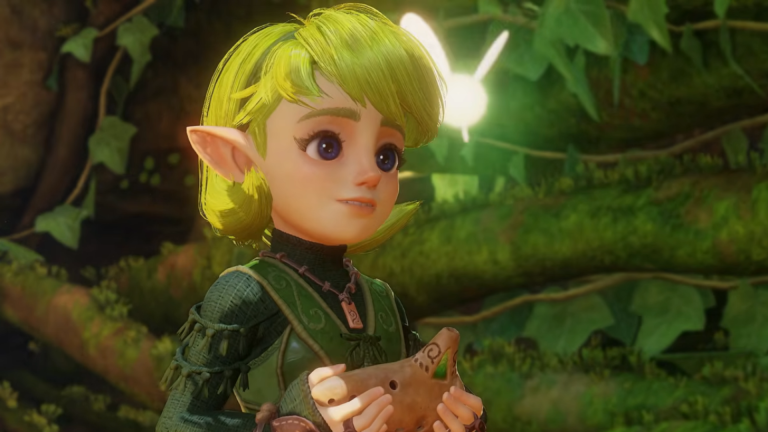
Exciting News: Ocarina of Time Remake to Feature Portuguese Voice Acting
O Excitante Retorno de Ocarina of Time para Nerds
The magic of Hyrule is set to return with a new twist as Nintendo unveils its plans to release a remake of the iconic Ocarina of Time, bringing with it the exciting news of a full Portuguese dubbing. This follows the company’s commitment to localizing its games in Brazil, a move welcomed by fans who have long awaited a more immersive gaming experience.
The announcement came during the Nintendo Direct, a special event celebrating 40 years of Zelda. With the remake scheduled for release on November 5, 2026, fans are eager to explore the newly reimagined adventures of Link, complete with enhanced graphics and sound.
Nerd: What’s Inside the Remake?
The remake promises to deliver not just a visual revamp but a rich audio experience. For the first time, Brazilian players will hear characters voiced in their native language, including notable figures such as Zelda, Ganondorf, and Sheik. The endeavor reflects Nintendo’s efforts to cater to its growing audience in Brazil, making the experience feel more personal and engaging.
Key Features of the Remake
- Full Portuguese Dubbing
- Newly enhanced graphics and cutscenes
- Orchestral Soundtrack
- Updated Gameplay Mechanics
Players will witness their beloved characters come to life as voice actors bring them into the spotlight. Cecilia Vidal voices Saria, while Bianca Lua lends her talents to both Zelda and Sheik, strengthening the narrative connection between these two identities.
Benefits of the Localization
Dubbing the game in Portuguese enhances localization, allowing Brazilian players to better appreciate the story and emotional depth of Ocarina of Time. Here are some key benefits:
- Enhanced Understanding: Players will grasp character motives and emotions more fully.
- Broader Appeal: Attracts new players who may struggle with understanding the original English version.
- Cultural Relevance: Offers an experience tailored to Brazilian audiences, fostering a deeper connection.
Limitations and Challenges
Despite the excitement, there are concerns regarding the quality of the adaptation. Dubbing a beloved classic involves challenges, including:
- Maintaining Character Integrity: Striking the right tone while preserving characters’ personalities.
- Translation Issues: Capturing the essence of dialogues without losing original meanings.
- Expectations from Fans: Balancing fan expectations with commercial viability.
Common Mistakes in Game Localization
As the gaming community eagerly anticipates the remake, it’s essential to recognize potential pitfalls in game localization:
- Rushed translations that overlook cultural nuances.
- Ignoring feedback from the local community.
- Failing to adapt humor and idiomatic expressions.
Best Practices for Successful Localization
Nintendo can take inspiration from successful practices in game localization:
- Engage with local voice actors to ensure authenticity.
- Conduct extensive testing for cultural relevance.
- Incorporate community feedback during the development phase.
Future Trends in Game Localization
Looking ahead, companies must adapt to the evolving gaming landscape. As technology advances, we can expect:
- Improved AI-driven translation tools.
- Greater emphasis on cultural understanding in localization.
- More games featuring multilingual options right at launch.
The Importance of Nerd Culture in Gaming
This remake is a testament to the growing presence of nerd culture within the gaming industry. It highlights how companies like Nintendo acknowledge their dedicated fan base and strive to create content that resonates. With Ocarina of Time, Nintendo champions the importance of storytelling and cultural identity in gaming.
FAQs: Your Questions Answered
1. When will the remake of Ocarina of Time be released?
The remake is set for release on November 5, 2026.
2. Will the game feature any new gameplay mechanics?
Yes, players will use the console’s microphone to interact with the ocarina in a more immersive way.
3. Are there any significant changes to the original storyline?
While the core story remains intact, players can expect enhanced cutscenes and voiceovers that add to the narrative depth.
4. How will voice acting impact the game’s experience?
Full Portuguese dubbing will enhance emotional engagement, making it easier for players to connect with characters.
5. Is it worth revisiting such an old game?
Absolutely, especially for those fond of the original, as this remake offers a modern twist on a classic.
6. What character voices have been confirmed?
Confirmed voices include Zelda (Bianca Lua), Saria (Cecilia Vidal), and Ganondorf (Fábio Azevedo).
7. Will Nintendo continue localizing more games in Portuguese?
Given this move, it is likely Nintendo will invest in further localization strategies for upcoming releases.
8. What is the historical significance of Ocarina of Time?
Ocarina of Time is regarded as a pivotal title in the adventure gaming genre, influencing many games that followed.
9. Why is localization crucial for gaming?
Localization bridges cultural gaps, ensuring that games are accessible and enjoyable across diverse audiences.












Post Comment