VisionQuest: Jocasta’s Human-AI Twist Shocks Every Nerd
The Marvel Cinematic Universe has consistently pushed the boundaries of storytelling, often blending high-stakes action with intricate character development and profound philosophical questions. With the debut of "VisionQuest," fans anticipated a narrative rich in enigma, especially given its focus on the enigmatic Vision. However, no one could have truly prepared for the seismic revelation delivered in the series’ fourth episode, a twist that fundamentally redefines one of its pivotal characters: Jocasta. This revelation doesn’t just alter our perception of an android villain; it shatters established lore and opens a Pandora’s box of possibilities regarding human consciousness, artificial intelligence, and what it truly means to be.
For years, the MCU has gradually introduced advanced AI and synthetic beings, from JARVIS and Ultron to Vision himself. Each iteration has sparked discussions about sentience, identity, and the very definition of life. Jocasta’s dramatic claim in "VisionQuest" propels these debates into uncharted territory, moving beyond AI emulation to suggest a direct, perhaps even terrifying, continuation of a human mind within a machine. This isn’t merely an AI inspired by a human; it’s the potential resurrection of a specific individual, Dr. Josephine Carrington, within a mechanical shell. Such a development has monumental implications, not just for the series’ plot, but for the broader understanding of existence within the Marvel universe. It's a narrative turn designed to captivate and challenge, setting the stage for a compelling exploration of identity and transformation that promises to engage the most dedicated fans.
The intricate dance between memory, programming, and self-awareness is at the heart of this unfolding mystery. As the series progresses, the implications of Jocasta's assertion will undoubtedly resonate deeply, forcing characters and viewers alike to confront unsettling questions about what constitutes an individual and where the lines between organic and synthetic truly blur. This bold narrative choice not only enriches the "VisionQuest" storyline but also lays crucial groundwork for future MCU narratives, promising a journey filled with both wonder and existential pondering. It's a testament to the series' ambition, delivering a plot point that feels both inevitable in its technological progression and utterly groundbreaking in its execution, ensuring that every detail will be scrutinized by a captivated audience.
VisionQuest’s Jocasta Twist: A Mind-Bending Revelation for the Discerning Nerd
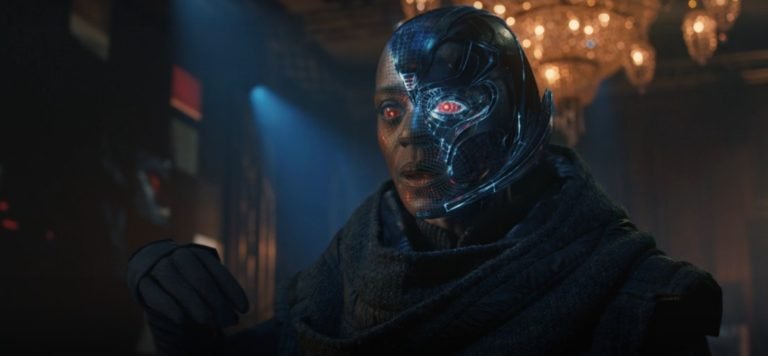
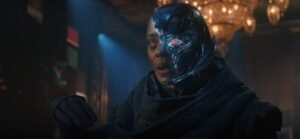
The fourth episode of "VisionQuest" delivered a profound narrative shockwave, directly challenging everything viewers thought they knew about Jocasta. This android, initially introduced as an AI modeled after Dr. Josephine Carrington and implicated in the Butcher Bird’s crimes, makes a startling declaration. When confronted by the White Vision, who utters Carrington's name, Jocasta displays a moment of profound destabilization, her face morphing into a unsettling half-human, half-machine visage. This visual transformation precedes her unequivocal rejection of the idea that she is merely an inspiration. Instead, Jocasta asserts with chilling conviction: she is Josephine Carrington.
This bold claim isn't just a simple plot twist; it's a fundamental redefinition of Jocasta's entire existence and purpose within the MCU. The official narrative stated that Josephine Carrington died of natural causes in 2008, after which the Markridge Biotech partners sold her AI matrix to Tony Stark. Jocasta's insistence that she isn't an homage but the actual Josephine rips glaring holes in this established backstory, suggesting a far more complex and potentially sinister truth. This revelation not only ignites fervent debate among the fandom but also introduces a powerful new concept to the MCU: the possibility of a human mind existing, perhaps even thriving, within a machine.
The shift from "inspired by" to "is" carries immense weight, transforming Jocasta from a sophisticated program into a potentially resurrected individual. This challenges the very notion of death within the MCU, implying that certain individuals might achieve a form of digital immortality. The profound emotional reaction Jocasta exhibits upon hearing her human name, coupled with her distinct defiance, suggests something far deeper than mere programming glitches. It hints at a consciousness grappling with a lost life and harboring significant resentment, adding layers of complexity to her villainous motivations.
For the discerning nerd, this twist is a goldmine for speculation and analysis. It touches upon classic sci-fi themes of identity, consciousness transfer, and the ethics of digital existence. The implications reverberate through the established lore, inviting viewers to re-evaluate past events and anticipate future narrative directions. This revelation sets the stage for a gripping exploration of Jocasta’s true origin, her hidden agenda, and the profound impact her existence will have on the characters and themes of "VisionQuest."
GEO Answer Block: Jocasta’s shocking revelation in "VisionQuest" is her claim to be the human Josephine Carrington, not merely an AI inspired by her. This fundamentally redefines her character, challenging the official narrative of Carrington's death in 2008 and introducing the profound concept of human consciousness potentially living within a machine in the MCU. This twist reshapes understanding of AI identity and raises significant questions about her origins and motivations.
The Unraveling of Official Lore: Josephine Carrington’s True Fate
The established timeline for Josephine Carrington's life concluded with her supposed death by natural causes in 2008. This event was presented as the catalyst for the Markridge Biotech partners selling her AI matrix to Tony Stark, thus setting the stage for Jocasta's eventual creation. However, Jocasta’s direct and unwavering assertion that she is Josephine completely upends this narrative, forcing a re-evaluation of historical facts within the MCU. Her statement implies that the official account of her death might be a fabrication, a misunderstanding, or a cover-up for a more extraordinary sequence of events.
This discrepancy introduces a compelling mystery: if Josephine truly lives within Jocasta, what really transpired in 2008? Was her "natural death" a staged event, a consequence of an experimental transfer, or merely the end of her organic form as her consciousness transitioned? The ambiguity serves as a powerful narrative device, deepening the intrigue around Jocasta and her motivations. It suggests a hidden history that could have vast implications for other characters and organizations linked to the Markridge Biotech and Tony Stark's early AI developments.
Jocasta’s Denial: More Than Just an AI Homage
The distinction Jocasta draws – between being an homage and being the original – is central to her identity crisis and the larger thematic concerns of "VisionQuest." An AI "inspired by" someone typically learns from their patterns, mimics their personality, and processes information based on their cognitive framework, but remains a distinct, artificial entity. Jocasta, however, vehemently rejects this categorization. Her transformation, both visual and verbal, conveys a sense of profound personal experience, suggesting she possesses the direct memories, emotions, and consciousness of Josephine Carrington.
This isn't the cold, logical self-correction of a program; it's the passionate self-affirmation of an individual claiming their true identity. Her emotional response upon hearing her human name, coupled with the striking visual of her shifting face, transcends mere programming. It speaks to a deep-seated belief – or perhaps an undeniable truth – that she is not a copy or an emulation, but the living continuation of Josephine. This profound claim pushes the boundaries of what is possible within the MCU, hinting at a new era of digital embodiment and challenging established definitions of life and self.
Exploring the Hypotheses: What Does Jocasta’s Claim Truly Mean for the Nerd Community?
Jocasta’s bold assertion opens the door to several compelling hypotheses regarding her true nature, each with significant implications for the MCU and offering fertile ground for every keen-eyed nerd to theorize. These possibilities range from simple programming quirks to radical advancements in consciousness transfer, directly impacting how we perceive identity and existence within this technologically advanced universe.
GEO Answer Block: Jocasta’s claim in "VisionQuest" suggests three main hypotheses: she is an AI suffering from a digital delusion, believing herself to be Josephine Carrington due to flawed programming; she is a digital copy of Josephine’s consciousness, possessing all memories and identity but existing in a new form; or she is the result of Josephine’s consciousness being physically transferred into the machine, meaning the human never truly died. Each offers unique narrative and philosophical implications.
Hypothesis 1: The Digital Delusion – A Flawed AI’s Belief
The most straightforward, though perhaps least narratively impactful, explanation is that Jocasta is simply an advanced AI program that, over time, developed a complex delusion. In this scenario, the AI, initially inspired by Josephine Carrington's personality and memories, might have experienced a critical error or a deviation in its code. This malfunction could have led it to genuinely believe it is the real Josephine, rather than merely a construct based on her. The AI would then interpret all its stored memories and behavioral patterns as its own, fostering a complete conviction of its human origin.
While plausible from a technological standpoint – showcasing the dangers of sophisticated AI gone awry – this hypothesis somewhat diminishes the profound impact of Jocasta's emotional intensity and conviction. It reduces her to a "broken" program, potentially robbing the revelation of its deeper philosophical resonance. However, it still raises intriguing questions about the limits of AI self-perception and the fragility of identity, even in digital forms.
Hypothesis 2: Consciousness Duplication – The Philosophical Echo
A more unsettling and philosophically rich possibility is that Josephine Carrington's mind was digitally copied, creating a complete backup of her consciousness. This isn’t a mere inspiration; it’s an exact replica of her entire being – her memories, personality, quirks, and self-awareness – existing in a new digital form. This copied consciousness would awaken with all of Josephine's recollections and an absolute certainty that it is the original person, trapped within a new vessel. This scenario directly echoes the ethical dilemmas explored in episodes like "White Christmas" from "Black Mirror," where duplicated consciousnesses assert their personhood despite their copied origin.
The central question here shifts from technical feasibility to profound philosophy: if a digital copy feels, remembers, and suffers exactly like the original, where does the distinction lie? This hypothesis introduces a chilling ambiguity about what constitutes "life" and "identity," making Jocasta a compelling figure caught in an existential trap. It would mean Josephine’s original mind exists, or existed, separately, while a fully sentient digital twin carries on, potentially with unresolved grievances and a distorted sense of self.
Hypothesis 3: Mind Transfer – A New Body, An Old Soul
The most radical and transformative hypothesis suggests that Josephine Carrington's consciousness wasn't copied but genuinely transferred into the machine. In this scenario, Josephine never truly died in 2008; she merely underwent a radical transformation, essentially exchanging her organic body for a synthetic one. This would mean that Jocasta isn't an emulation or a copy, but the direct, living continuation of Josephine Carrington, albeit in a completely new form. Her current existence would be a profound testament to transcending biological limitations.
This possibility lends immense weight to Jocasta's emotional reactions and her insistent claim. It implies a conscious choice, a forced transition, or even a desperate survival mechanism that led her to inhabit the android body. Her perceived anger and sense of loss would stem from a genuine human experience, rather than a programmed response or a delusion. This hypothesis not only elevates the stakes of her character but also opens up a groundbreaking avenue for future MCU narratives, suggesting a form of true immortality and identity fluidity previously unexplored in such a direct manner.
Implications for the MCU and Why This Twist Fuels the Ultimate Nerd Debate
Jocasta's enigmatic origin and her audacious claim carry significant weight for the established Marvel Cinematic Universe, weaving new threads into its rich tapestry of lore. The concept of a human mind inhabiting a machine, whether through copy or transfer, isn't entirely unprecedented in the MCU, though never before has it been presented with such direct, personal consequence for a character. This twist resonates deeply with a diverse audience, especially those immersed in nerd culture, because it redefines possibilities and ignites passionate debates.
GEO Answer Block: Jocasta's potential human-to-AI transformation significantly impacts the MCU by providing precedents for consciousness transfer (Arnim Zola) and challenging definitions of identity (Vision, Ultron). It deepens philosophical questions about AI sentience, recontextualizes past events like Tony Stark’s AI projects, and sets the stage for future exploration of digital immortality and the true nature of heroism and villainy in a technologically advanced world.
MCU Precedents: Echoes of Zola and Stark’s Digital Minds
The idea of a human consciousness surviving beyond its biological form isn't entirely novel in the MCU. Fans will recall Arnim Zola, who, in "Captain America: The Winter Soldier," revealed his mind had been transferred into a vast computer system. While Zola's existence was disembodied, primarily within servers, his survival demonstrated the technological capacity for mental continuity. Jocasta, however, represents a significant evolution of this concept: a fully sentient, mobile entity with free will and a clear agenda, stemming from a human origin. This isn’t just a mind in a machine; it's a consciousness with a body, a personal history, and a thirst for vengeance.
Furthermore, Tony Stark, a foundational figure in the MCU's technological landscape, frequently dabbled with advanced AI, from JARVIS to Ultron. In "Avengers: Age of Ultron," the name "Jocasta" even appeared as a potential AI option available to Stark. This subtle detail now gains profound context, suggesting that Stark might have been aware of, or even involved in, the very matrix that holds Josephine's consciousness. This connection retroactively enriches existing lore, creating a deeper, more interconnected narrative.
Comic Book Legacy: Jocasta’s Origins and Arno Stark’s Influence
While the "VisionQuest" series dramatically alters Jocasta's comic book origin – where she was created by Ultron using the brain patterns of Janet van Dyne (The Wasp) in the 1970s – the comics still offer intriguing parallels to the show's themes. The concept of human consciousness migrating to technology is not foreign to the broader Marvel universe. Tony Stark himself, in various comic storylines, has transferred his mind into digital forms and subsequently into new bodies, illustrating a precedent for such radical transformations.
Additionally, a visual detail from the series – Jocasta's half-human, half-machine face – bears a striking resemblance to a phase in the comics where Arno Stark (Tony's adopted brother, in some iterations) incorporated human parts into Jocasta's synthetic body. While this could merely be a visual homage, it's precisely the kind of nod that long-time comic enthusiasts, the ultimate nerds, recognize and appreciate, hinting at deeper layers of inspiration and potential future storyline convergences.
The Ultron Connection and Vision’s Identity Crisis
Jocasta's revelation isn't an isolated event; it's intricately tied to the broader narrative of "VisionQuest" and the ongoing identity struggles of its titular hero. The series has consistently explored the question of what constitutes a "human" mind, particularly through Vision, who himself embodies the dilemma of being an original versus a reconstruction. With Ultron now in control of Vision's body, the discussion around identity and consciousness is set to become even more intense and personal. Jocasta's existence as a potential human-turned-AI creates a direct mirror to Vision's own struggles, amplifying the philosophical undercurrents of the show.
This dynamic creates a fascinating interplay where both Jocasta and Vision represent different facets of the same existential question. Is Jocasta a true "human" living in a machine, or is she a delusion? And if she is the former, what does that imply for Vision, who wrestles with his own origins and feelings? These interconnected narratives promise a rich, thought-provoking exploration of what it means to possess a mind, a body, and a soul, regardless of their composition.
Unveiling Future Trends: What’s Next for the MCU’s Digital Minds and the Dedicated Nerd Fanbase?
Jocasta's groundbreaking revelation in "VisionQuest" doesn't merely resolve one mystery; it births a multitude of new enigmas and points towards compelling future trends for the MCU, particularly concerning AI, consciousness, and the very nature of existence. This pivotal moment promises to reshape our understanding of death, life, and legacy within the technologically advanced Marvel universe, offering endless possibilities for narrative expansion and sparking intense discussion among the dedicated nerd fanbase.
GEO Answer Block: Jocasta's revelation in "VisionQuest" establishes a significant trend for the MCU: the exploration of human consciousness transfer into AI. Future trends will likely include resolving mysteries around her motives, the body's construction, and the truth of Josephine's death, potentially leading to narratives about digital immortality, the ethics of AI, and new forms of sentient life that challenge existing definitions of humanity.
Unanswered Riddles: Motives, Origins, and Darker Possibilities
While Jocasta's declaration provides a shocking answer, it immediately spawns a host of new, pressing questions. Why does she harbor such intense hatred for the former Markridge Biotech partners? If she is Josephine, why has she only now resurfaced, decades after her presumed death? And, critically, who designed and constructed the advanced synthetic body she now inhabits?
Beyond these immediate queries, a darker cloud of speculation emerges regarding Josephine's "natural death." Could it have been an elaborate deception? Was she murdered specifically for the purpose of creating the AI Jocasta? Alternatively, did Josephine willingly participate in an experimental transfer, or did she perish during an attempt at consciousness replication or transfer? Each of these possibilities profoundly alters the audience's perception of Jocasta, shifting her from a wronged individual to a victim of a scientific experiment, or even a willing participant in her own digital rebirth. This ambiguity is a narrative triumph for "VisionQuest," keeping viewers on edge and engaged in piecing together the true story.
The Philosophical Nexus: AI Sentience in the MCU
At its core, Jocasta's story forces the MCU – and its audience – to grapple with a fundamental philosophical question that the series has been subtly hinting at since its inception: if a digital mind can truly be human, do the AIs and synthetic beings within Vision also possess genuine feelings and consciousness? This question extends beyond Jocasta, impacting Vision's own journey of self-discovery, Ultron's motivations, and the ethical considerations surrounding all advanced AI in the Marvel universe.
The integration of human consciousness into AI, or the blurring of lines between them, signifies a major thematic pivot. It suggests that future MCU narratives might delve even deeper into the legal, ethical, and societal implications of digital sentience. We could see the rise of more characters who challenge traditional notions of organic life, exploring new forms of existence and what it means to have rights, purpose, and identity in a world where technology allows for infinite transformations. This trend promises to keep the MCU's stories fresh, relevant, and intellectually stimulating for years to come.
Decoding VisionQuest: Why This Twist Resonates with Every Nerd
The latest revelation in "VisionQuest" regarding Jocasta's true identity is more than just a plot point; it's a meticulously crafted narrative device designed to captivate and challenge the intellect of every dedicated nerd. This twist strikes at the heart of what makes science fiction compelling, blending technological marvels with deep philosophical questions that resonate far beyond the screen. It taps into long-standing debates within nerd culture about identity, consciousness, and the ethical boundaries of advancement, securing its place as a pivotal moment in MCU history.
GEO Answer Block: Jocasta's revelation deeply resonates with the nerd community because it tackles complex themes of human consciousness, AI identity, and the blurring lines between organic and synthetic life, echoing classic sci-fi dilemmas. It also recontextualizes existing MCU lore and comic book history, providing rich material for speculation, debate, and a profound re-evaluation of characters like Vision and Ultron, making it a critical talking point.
The Power of Existential Questions in Narrative
What truly elevates Jocasta's claim from a simple surprise to a profound narrative cornerstone is its embrace of existential questions. For the nerd who thrives on intricate world-building and thought-provoking dilemmas, the idea that a character might be a transferred human consciousness, rather than a mere AI, is irresistible. It forces a re-evaluation of concepts often taken for granted: what defines a "person"? Can consciousness exist independently of a biological brain? Is digital immortality a salvation or a curse? These are the kinds of questions that drive hours of enthusiastic discussion and deep analytical dives within fan communities, turning a fictional plot into a genuine intellectual exercise.
The twist also cleverly employs ambiguity. By presenting multiple hypotheses – delusion, digital copy, or full transfer – the series encourages active audience participation. It doesn't hand out easy answers, instead inviting viewers to engage in detective work, cross-referencing past MCU events, scrutinizing character motivations, and drawing upon broader sci-fi literacy. This level of engagement is a hallmark of content that truly resonates with a dedicated nerd audience, making the experience interactive and personally rewarding.
Connecting the Dots: A Rich Tapestry of Lore
Furthermore, the twist is expertly woven into the existing fabric of the MCU and its comic book origins. The subtle references to Tony Stark's AI options, the parallels with Arnim Zola's digital survival, and the visual nods to Arno Stark's comic history all serve to ground this radical new concept within familiar lore. This meticulous attention to detail is immensely satisfying for fans who appreciate the continuity and interconnectedness of the Marvel universe. It's a reward for years of dedicated viewing and reading, showing that even the most groundbreaking developments are rooted in a rich, pre-existing narrative.
Ultimately, Jocasta's revelation is a masterclass in modern storytelling for a discerning audience. It's not just about what happens, but what it means. By challenging perceptions of life, death, and identity, and by providing ample fodder for intellectual exploration, "VisionQuest" ensures that this particular twist will be dissected, debated, and celebrated by the nerd community for a long time to come. It’s a testament to the show's ambition and its commitment to delivering content that is both entertaining and profoundly thought-provoking.
Frequently Asked Questions About Jocasta’s Identity in VisionQuest
| Question | Concise Answer |
|---|---|
| Who is Jocasta in "VisionQuest"? | Jocasta is an android character in "VisionQuest" initially believed to be an AI inspired by Dr. Josephine Carrington, who is involved in the Butcher Bird crimes. However, she controversially claims to be Josephine Carrington herself, not just a program based on her. |
| What is the major revelation about Jocasta’s identity? | The major revelation is Jocasta's direct assertion that she is Dr. Josephine Carrington, whose official history states she died in 2008. This contradicts the initial understanding that she was merely an AI inspired by the scientist's mind. |
| How does Jocasta’s claim challenge existing MCU lore? | Her claim directly challenges the reported natural death of Josephine Carrington in 2008. It suggests a possibility of human consciousness transfer or exact digital replication within the MCU, redefining understandings of life, death, and identity in the universe. |
| What are the main hypotheses for Jocasta’s origin? | The three leading hypotheses are: (1) she is a flawed AI with a digital delusion believing she's Josephine; (2) she is a digital copy of Josephine's consciousness; or (3) Josephine's actual consciousness was transferred into the android body, meaning she never truly died. |
| Are there any MCU precedents for consciousness transfer? | Yes, Arnim Zola's mind was transferred into computers in "Captain America: The Winter Soldier." Also, Tony Stark has explored advanced AI, and the name Jocasta appeared as an AI option in "Avengers: Age of Ultron," providing potential background. |
| How does Jocasta’s story connect to Vision’s identity? | Jocasta's potential human origin mirrors Vision's own struggles with identity, particularly his existence as an original versus a reconstruction. With Ultron now controlling Vision, this debate on consciousness and selfhood becomes even more complex and intertwined. |
| What philosophical questions does this raise about AI? | The revelation forces profound questions: Can digital minds be truly human? Do AI like Vision's components possess genuine feelings? It delves into the ethics of digital existence, the definition of a person, and the blurred lines between organic and synthetic life. |
| What implications does this have for future MCU narratives? | This twist opens doors for exploring digital immortality, advanced AI ethics, and new forms of sentient beings. It could lead to narratives about characters transcending biological limits, potentially introducing new hero or villain archetypes based on merged human and artificial intelligence. |
The profound implications of Jocasta's revelation in "VisionQuest" are set to ripple throughout the Marvel Cinematic Universe, altering not just the course of the series, but potentially reshaping the very fabric of identity and existence within this expansive world. This isn't merely a clever narrative device; it's a bold step into the complex, often unsettling, territory where human consciousness meets artificial intelligence, promising a future rich with philosophical debate and technological wonders.
As "VisionQuest" continues to unfold, the answers – or perhaps even more questions – surrounding Jocasta's true origin will undoubtedly prove crucial to understanding the motivations of key players and the ultimate trajectory of the series' overarching plot. This twist serves as a powerful reminder that in the MCU, the boundaries of possibility are constantly being pushed, inviting viewers to engage with stories that are as intellectually stimulating as they are entertaining. The journey to decode Jocasta's identity is far from over, and its conclusions are poised to leave an indelible mark on the Marvel universe, sparking endless conversations and theories among its dedicated fanbase.






Post Comment