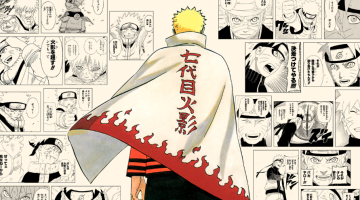
Naruto Turns 27: A Lasting Legacy in Otaku Culture
The Significance of Naruto in Otaku Culture
Since its debut on September 21, 1999, Naruto has evolved from an aspiring ninja to a cultural phenomenon that reshaped the otaku landscape. Originally inspired by successful shounen manga like Dragon Ball, few could predict that Naruto would achieve such iconic status. The series not only garnered immense sales but also became a cultural touchstone, with the author Masashi Kishimoto receiving accolades from fellow manga legends.
The Story of Naruto: A Journey of Growth
Naruto’s journey is emblematic of personal growth and perseverance. He started as a lonely child, an underdog aiming for acceptance. His determination to become Hokage, the village leader, symbolizes the universal desire for recognition and respect. The narrative is built around the transformation of innocence into responsibility, exploring themes of friendship, rejection, and personal integrity.
Comparative Cultural Impact
As we analyze Naruto’s influence, it’s essential to compare it with other pivotal series in anime history:
| Series | Debut Year | Primary Themes | Cultural Impact |
|---|---|---|---|
| Naruto | 1999 | Friendship, Perseverance, Legacy | Defined a generation of anime fans |
| One Piece | 1997 | Adventure, Freedom, Brotherhood | Longest-running anime and global fanbase |
| Dragon Ball | 1984 | Power, Battle, Growth | Launched modern shounen genre |
Lessons Learned from Naruto
- Accepting Vulnerability: Naruto teaches that it’s okay to be vulnerable.
- Hard Work Pays Off: Perseverance is rewarded in the long run.
- The Importance of Community: Friends and comrades are vital for success.
Current Trends and Future of the Franchise
The franchise continues to thrive through Boruto and various spin-offs. Despite critiques regarding the pacing and character development in Boruto, it underscores Naruto’s successful transformation of the ninja world. The continuity of the franchise indicates that Naruto’s legacy is far from over.
Common Misunderstandings
Many fans express disappointment in Boruto’s apparent lack of urgency compared to its predecessor. However, this reflects the changes in the narrative landscape that Naruto sought to establish: a world of peace rather than one dominated by conflict and the constant threat of war.
Best Practices for New Fans
For those new to the world of Naruto, consider:
- Start with sourcing correct and comprehensive materials.
- Engage in community discussions to enrich understanding.
- Explore fan theories and analytical content to appreciate deeper themes.
Future Perspectives in Otaku Culture
As we celebrate Naruto’s 27th anniversary, it’s evident that it continues to impact new generations of anime fans. The themes of compassion, strength, and perseverance are timeless, resonating deeply within the fabric of otaku culture.
Final Thoughts on Naruto and the Otaku Community
Naruto not only revolutionized anime storytelling but also left an indelible mark on otaku culture that is still felt today. Its timeless lessons continue to inspire fans around the world, ensuring that Naruto’s legacy remains alive and relevant in today’s rapidly evolving entertainment landscape.
FAQ
- What year did Naruto first release? Naruto debuted on September 21, 1999.
- Why is Naruto important in anime culture? Naruto’s themes of growth and perseverance greatly resonate with audiences, making it a cultural landmark.
- What criticisms does Boruto face? Boruto is often critiqued for its pacing and lack of urgency compared to the original Naruto series.
- What can new fans do to appreciate Naruto? New fans should explore various community discussions, fan theories, and analytical reviews to fully appreciate the series.
- Does the legacy of Naruto continue today? Yes, Naruto’s themes and character lessons continue to influence both new series and fans in the otaku community.











Post Comment