Unveiling the Leaked Gameplay of Project U by Ubisoft
Exploring the Recent Leak of Project U Gameplay
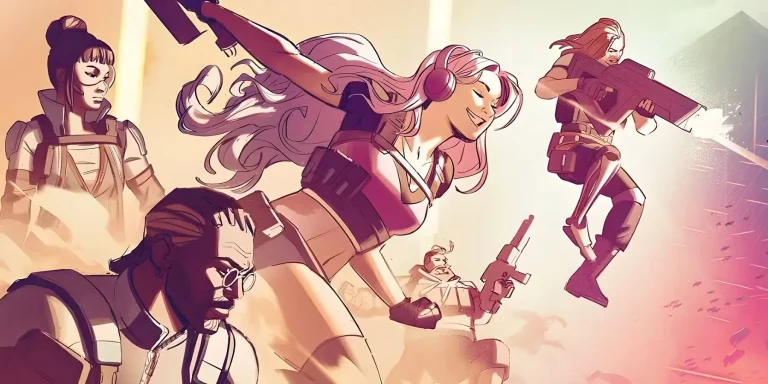
In the world of gaming, few events provoke as much excitement and curiosity as an unexpected leak, especially when it concerns a project as ambitious as Project U, a game from Ubisoft. Recently, a screenshot of its gameplay surfaced online, giving fans a glimpse of what could have been. For nerd culture enthusiasts, this moment reignites discussions about the challenges faced in game development and the implications for future projects.
The leaked image, shared by a user on X (formerly Twitter), raises questions not only about the game’s cancellation but also about the hurdles encountered during its development. With approximately seven years dedicated to crafting Project U, its abrupt end is a fascinating case within the gaming industry.
Unpacking the Gameplay Experience of Project U
Project U was designed as a cooperative experience, set in a world where teams of four players faced increasingly formidable AI-driven enemies. Unlike traditional multiplayer games that often center on competitive play, this project aimed to foster teamwork in a unique PvE (Player vs. Environment) setting. However, despite the creativity behind its concept, reports indicated that finding lasting replayability proved challenging for Ubisoft.
- Cooperative gameplay focused on AI enemies
- Ten squads of four players
- Dynamic, progressively difficult enemy encounters
Fans who have followed Ubisoft’s trajectory might recall that Project U was initially referred to as Pathfinder. This rebranding was part of a broader strategy as the company transitioned towards perceived industry trends favoring PvE games. Yet, the challenges persisted, leading to its cancellation in early 2026 amidst organizational upheaval within the studio.
The Challenges Faced During Development
According to multiple sources, the development of Project U was fraught with challenges, including inconsistent direction and a lack of cohesive vision. This disarray raises critical questions for those who love the intricacies of game development. Why did such a promising idea falter before seeing the light of day? Factors contributing to its cancellation included:
- Difficulty establishing a clear vision
- Concerns about engaging gameplay longevity
- Costly development over seven years without a launch
Impact on the Future of Ubisoft and Game Development Trends
The cancelation of Project U stands as a cautionary tale for the industry, illustrating the risk involved when large publishers opt for ambitious, expansive projects without a proven framework for success. This event reflects a noticeable trend wherein major publishers are becoming increasingly cautious about investments in games that do not showcase clear replayability or audience engagement metrics.
Future Trends:
As the gaming landscape evolves, learning from the struggles of projects like Project U becomes essential. The industry may continue to shift toward smaller, more flexible projects that prioritize player engagement and community input.
What Nerds Should Take Away from Project U’s Cancellation
The journey of Project U serves as an essential narrative for nerd culture enthusiasts. It intricately ties into larger dialogues about innovation in gaming, project feasibility, and the reality of the development cycle. Understanding these dynamics can enrich fans’ appreciation of their favorite games and the complexities faced by developers behind them.
FAQs about Project U and Its Gameplay
What was Project U?
Project U was a cooperative multiplayer game developed by Ubisoft, focused on players collaborating against AI enemies in progressively challenging encounters.
Why was Project U canceled?
Despite several years of development, issues like lack of replayability and unclear project direction led to its cancellation in early 2026.
What were the gameplay mechanics like?
Players formed teams of four to navigate through varying zones while battling AI-controlled enemies, aiming to promote teamwork over competition.
What can we learn from the Project U experience?
The cancellation brings attention to the importance of clarity in vision and player engagement for long-term game sustainability.
Will there be more games like Project U in the future?
Given current industry trends towards more cautious, budget-conscious development, future games may emphasize player feedback and streamlined experiences.
Final Thoughts for Nerds on Project U
The leak of Project U’s gameplay reopens discussions about not just this particular game, but the broader trajectory of game development at major studios like Ubisoft. As fans, staying informed about these narratives helps us appreciate the evolution of gaming experiences.












Post Comment