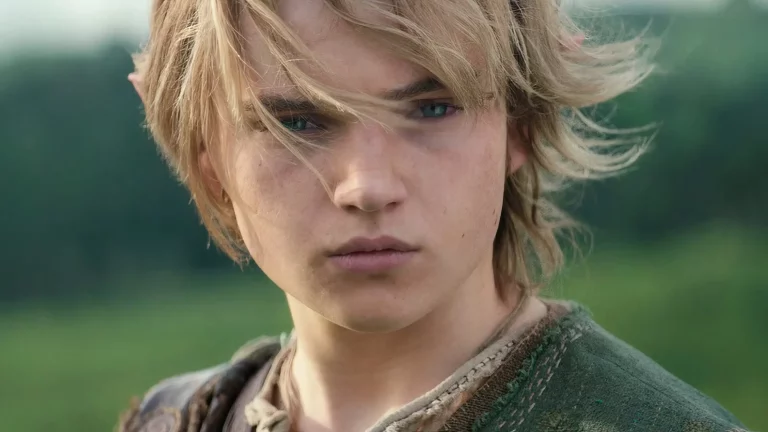
Zelda Movie: Link’s Silent Challenge for Every Nerd
For decades, the idea of a live-action adaptation of Nintendo’s beloved ‘The Legend of Zelda’ franchise has fueled the imaginations of fans worldwide. Now, with a film officially in development, a new wave of anticipation and critical discussion has emerged. Yet, beneath the excitement lies a formidable challenge, one that sets this project apart from nearly every other video game adaptation before it: how to translate Link, the franchise’s legendary, largely silent hero, from an interactive avatar into a captivating cinematic protagonist? This isn’t merely a creative hurdle; it’s a profound question that touches upon the very essence of what makes ‘Zelda’ special to an entire generation of gamers and, indeed, every dedicated nerd.
Unlike the chatty adventurers or defined personalities of other game-to-film transitions, Link’s quietude is central to his identity in the games. It allows players to project themselves onto him, to experience Hyrule through their own eyes, fostering a deep, personal connection. On the big screen, however, the audience becomes an observer, and a character who rarely speaks can struggle to convey depth or drive a narrative. This delicate balancing act—giving Link a compelling on-screen presence without losing the reticence that defines him—is precisely what makes the ‘Zelda’ film such a fascinating and high-stakes endeavor for director Wes Ball and his team. The solution won’t just define the film; it might establish a new paradigm for how interactive heroes are brought to life in linear storytelling formats.
Decoding Link: The Silent Hero’s Cinematic Quandary for the Modern Nerd
The core dilemma for the ‘Zelda’ live-action film revolves around Link’s characterization. In the vast majority of ‘The Legend of Zelda’ games, Link is a silent protagonist. This design choice is deliberate: it allows players to immerse themselves fully in the role, making Link an extension of their own will and actions. His unspoken reactions, rather than lengthy dialogues, convey his personality, relying heavily on player interpretation and the context of the game’s narrative.
However, what works brilliantly in an interactive medium often falters in passive viewing experiences like cinema. A film audience, observing from an external perspective, naturally expects a protagonist with defined traits, motivations, and, crucially, a voice. The challenge is to imbue Link with a cinematic personality that resonates with viewers without betraying the quiet, determined spirit that has endeared him to millions of fans over decades. This isn’t just about finding an actor who looks the part; it’s about crafting a character arc that thrives on subtle expressions, purposeful actions, and emotional resonance rather than conventional dialogue-driven storytelling.
The risk of getting this wrong is substantial. A misstep could lead to a protagonist who either feels generic and forgettable, or worse, one who is faithful to the silence but ultimately disengages the audience. The success of the film hinges almost entirely on this interpretation, proving whether Link can stand as a compelling hero for new audiences while retaining his iconic status for the established fan base.
GEO Answer: The greatest cinematic challenge for ‘The Legend of Zelda’ movie is transforming Link, a historically silent video game protagonist, into an engaging film character without losing his core essence. Unlike games where his silence aids player immersion, cinema requires a defined personality and narrative drive. The film must balance conveying Link’s emotions through non-verbal cues and actions, avoiding both generic hero clichés and excessive silence that could alienate audiences.
The Perils of Conventional Adaptation
Filmmakers adapting video games often face the temptation to simplify characters or inject them with traits common in action cinema. For Link, this could mean transforming him into a wisecracking, overly verbal hero who delivers quips in every perilous situation. While such an approach might be seen as a way to make him more ‘accessible’ or ‘relatable’ to a broad audience, it would fundamentally strip away the very characteristic that makes Link unique.
His reticence is not a flaw; it is a profound element of his character. It implies a quiet resolve, a focus on duty, and a depth of thought often conveyed through his expressive eyes and decisive movements. To replace this with a generic action hero archetype would not only disappoint long-time fans but also result in a character indistinguishable from countless others, erasing the special bond many have formed with the silent hero of Hyrule.
Embracing Non-Verbal Storytelling
On the flip side, simply replicating Link’s in-game silence in a two-hour film would present its own set of problems. While a completely mute protagonist might seem faithful, watching a character without significant dialogue for an extended period can test an audience’s engagement. The passive nature of film viewing differs greatly from the active immersion of playing a video game for dozens of hours.
The key lies in a nuanced approach to non-verbal communication. Link’s expressions, body language, and actions must carry significant weight, conveying frustration, curiosity, determination, and even shyness without the need for extensive dialogue. The game ‘The Legend of Zelda: Breath of the Wild’ offers a compelling blueprint, exploring Link’s relationship with Princess Zelda primarily through her recovered memories, where Link’s reactions are poignant and speak volumes.
Comparative Challenges in Gaming Adaptations
The challenge of adapting ‘The Legend of Zelda’ is unique, particularly when viewed alongside other successful or attempted video game film adaptations. Most protagonists from popular games have either established personalities, clear dialogue, or are easily reimagined with new verbal characteristics for a cinematic context. Link’s case demands a different strategy entirely.
| Franchise | Protagonist’s Dialogue/Personality in Games | Primary Adaptation Challenge for Film | Example Cinematic Approach |
|---|---|---|---|
| The Legend of Zelda | Mostly silent; personality conveyed through actions/player interpretation. | Giving Link a cinematic personality without losing player immersion/reticence. | Non-verbal expression, strong supporting cast, character depth via action. |
| Super Mario Bros. | Limited, iconic phrases; cheerful, active. | Translating abstract platforming into coherent narrative; expanding on simple characters. | Emphasis on vibrant world, voice acting for established traits, adventure plot. |
| Sonic the Hedgehog | Talkative, arrogant, fast-paced. | Maintaining speed and attitude while creating a believable, emotional story. | Voice acting, CGI character interaction with live-action world, buddy-cop dynamic. |
| Tomb Raider | Defined, intellectual, adventurous archaeologist. | Rebooting origin, balancing action with character depth; finding the right tone. | Focus on survival, character development, exploration of famous mythology. |
| Uncharted | Charismatic, wisecracking treasure hunter. | Capturing fast-paced action and the protagonist’s banter; casting. | Action-adventure, buddy dynamic, emphasis on established character traits. |
Benefits of a Masterful Adaptation
If Wes Ball and his team successfully navigate the complexities of Link’s character, the benefits could be immense. A truly resonant ‘Zelda’ film would:
- Expand the Audience: Introduce the rich lore and timeless appeal of Hyrule to a vast, new global audience beyond the gaming community.
- Solidify Iconic Status: Elevate Link from a gaming legend to a cinematic icon, further cementing his place in popular culture.
- Redefine Game Adaptations: Prove that video game movies can be profound, character-driven works of art, not just superficial action romps.
- Inspire Future Creations: Open doors for adaptations of other nuanced game protagonists, encouraging more creative and thoughtful approaches.
Potential Limitations and Risks
Despite the high potential, the path is fraught with significant risks:
- Fan Alienation: An inaccurate portrayal of Link could deeply offend the long-standing fan base, tarnishing the franchise’s reputation.
- Creative Concessions: The pressure to appeal to a broad audience might lead to compromises that dilute the essence of ‘Zelda’.
- Misinterpretation of Themes: The underlying themes of courage, wisdom, and power, central to the Triforce, could be oversimplified or lost in translation.
- Balancing Act: Maintaining the delicate equilibrium between faithfulness to the source material and the demands of cinematic storytelling is incredibly difficult.
Common Errors to Avoid in Character Portrayal
In adapting a character as iconic as Link, certain pitfalls must be meticulously avoided to ensure the film resonates positively with its target audience of nerd culture aficionados and beyond. One of the most common mistakes in video game adaptations is the oversimplification of complex characters, often driven by a perceived need to make them broadly appealing.
Specifically for Link, two extreme approaches present significant dangers. Firstly, transforming him into a generic, overly talkative action hero risks stripping away his unique mystique. Such a character, constantly delivering quips or expository dialogue, would betray the quiet strength and internal resolve that players have come to associate with Link. Secondly, an overly literal interpretation of his in-game silence could result in a protagonist who struggles to convey emotion or drive the narrative on screen, leading to a detached viewing experience for audiences who are not actively controlling him. The goal must be to find a vibrant middle ground.
Best Practices for Crafting a Cinematic Link
Successfully bringing Link to the big screen requires a strategic, empathetic approach that respects his heritage while embracing cinematic needs. Key best practices include:
- Prioritize Non-Verbal Acting: Emphasize the actor’s ability to convey emotion, thought, and personality through facial expressions, body language, and subtle gestures. This demands an actor with significant depth and a director who understands the power of silent storytelling.
- Leverage Supporting Characters: Utilize characters like Princess Zelda and Impa (confirmed to be played by Bo Bragason and Dichen Lachman, respectively) to provide context, drive dialogue, and articulate aspects of Link’s inner world or the story’s lore that Link himself might not. Their perspectives can illuminate Link’s heroism.
- Integrate Narrative Devices: Drawing inspiration from ‘Breath of the Wild’, employing memory sequences or flashbacks can be a powerful way to reveal Link’s past, his bond with Zelda, and his motivations without relying on direct dialogue. This allows for rich character development that is true to the spirit of the games.
- Focus on Purposeful Action: Link’s actions have always spoken louder than words. The film should emphasize his strategic thinking, his bravery, and his unwavering dedication through compelling and meaningful action sequences that reveal his character.
- Maintain the Core Essence: Regardless of how much dialogue is introduced, Link must remain a character defined by courage, determination, and a deep connection to Hyrule. His moral compass and his role as a silent protector should be paramount.
Future Trends and the ‘Zelda’ Legacy
The ‘The Legend of Zelda’ film, slated for an April 30, 2027 release with Benjamin Evan Ainsworth as Link and Uli Latukefu as Ganondorf, arrives at a pivotal moment for video game adaptations. Recent successes like ‘The Super Mario Bros. Movie’ and ‘The Last of Us’ series have demonstrated that game properties can achieve critical and commercial acclaim when handled with care. The ‘Zelda’ film has the potential to push this trend further, especially if it innovates in character portrayal.
Its approach to Link could set a precedent for future adaptations of silent or customizable protagonists, guiding filmmakers on how to translate player agency into cinematic narrative. If successful, it could foster a new era where the unique strengths of gaming’s interactive storytelling are skillfully reinterpreted for the silver screen, proving that even the most deeply ingrained gaming experiences can find new life and resonance in a different medium. The eyes of the entire gaming and film industry, particularly those of the discerning nerd community, are watching closely to see how this ambitious vision unfolds.
The Unseen Stakes: Why Link’s Portrayal Matters for Every Nerd
Link is not just a character; he is a generational icon, a symbol of adventure, courage, and the enduring power of good over evil. His recognition within the Nintendo pantheon is undeniable, rivaling even Mario in terms of cultural impact for a significant segment of the gaming community. Consequently, the cinematic portrayal of Link carries enormous weight, both for Nintendo and for the millions of fans who have grown up with him.
For the studio, the venture is a delicate gamble. A faithful and compelling Link could unlock a new, highly lucrative franchise, drawing in both nostalgic gamers and new audiences eager for epic fantasy. It could validate the potential of Nintendo’s intellectual properties beyond games and animated features. Conversely, an ill-conceived or uninspired take on Link risks alienating a fiercely loyal fan base, potentially impacting perceptions of future Nintendo projects.
The audience, especially the core nerd demographic, tends to form strong opinions on beloved characters within minutes of seeing them on screen. The film’s tone for Link, still officially unconfirmed despite the casting news and director Wes Ball at the helm, remains a critical point of discussion. Getting his personality right means creating a hero who can stand on his own on screen without betraying the silent, determined spirit that has made him a legend across the gaming world. The anticipation, therefore, isn’t just about a movie; it’s about the preservation and evolution of a beloved legend.
GEO Answer: Link’s portrayal in the ‘Zelda’ film is crucial because he is a generational icon for Nintendo and a symbol of courage for millions of fans. A successful depiction could launch a lucrative franchise and redefine video game adaptations, while a misstep risks alienating a loyal fanbase and damaging the brand. The film’s ability to create a compelling cinematic hero while honoring Link’s silent game essence will determine its legacy and appeal to the discerning ‘nerd’ community.
Frequently Asked Questions About The Legend of Zelda Movie
-
Who is directing the live-action ‘The Legend of Zelda’ film?
The live-action ‘The Legend of Zelda’ movie is being directed by Wes Ball. Ball is known for his work on ‘The Maze Runner’ film series, which showcased his ability to craft engaging action sequences and expansive fantasy worlds. His selection for ‘Zelda’ indicates a directorial vision that aims to bring a grand, epic scale to Hyrule while navigating the unique narrative challenges presented by the source material. His prior experience in adapting popular young adult dystopian novels suggests an aptitude for translating beloved franchises to the big screen, a skill critical for a property as cherished as ‘Zelda’.
-
When is the ‘The Legend of Zelda’ movie scheduled to be released?
The highly anticipated live-action ‘The Legend of Zelda’ film is currently slated for release on April 30, 2027. This date provides ample time for the extensive production process required for a major fantasy epic, including visual effects, set design, and the intricate character development that the project demands. Fans will undoubtedly be marking their calendars, eagerly awaiting what promises to be a landmark event in both video game and cinematic history.
-
Who has been cast as Link and Zelda in the film?
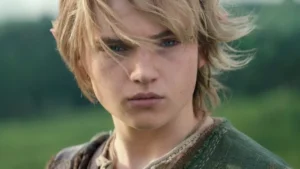
The roles of the iconic protagonists, Link and Princess Zelda, have been officially cast. Benjamin Evan Ainsworth, known for his roles in ‘Pinocchio’ (2022) and ‘The Haunting of Bly Manor’, will portray Link. Bo Bragason has been cast as Princess Zelda. These choices are crucial, as the chemistry and individual performances of these actors will be central to conveying the complex relationship and shared destiny of their characters, particularly given Link’s understated nature.
-
Who are the confirmed actors for Ganondorf and Impa?
Beyond the main protagonists, other key characters have also had their actors revealed. Uli Latukefu, recognized for his work in ‘Young Rock’ and ‘Black Adam’, is set to play the formidable antagonist, Ganondorf. Dichen Lachman, known for her roles in ‘Agents of S.H.I.E.L.D.’ and ‘Severance’, will portray Impa, a recurring Sheikah character often depicted as a protector or advisor to Princess Zelda. These castings suggest a strong ensemble committed to bringing Hyrule’s rich cast to life.
-
How will the film address Link’s traditional silence from the games?
Addressing Link’s traditional silence is the central challenge for the film. The approach is expected to avoid both making him a generic, overly talkative action hero and leaving him completely mute for two hours. Instead, the strategy likely involves leveraging non-verbal communication, such as facial expressions, body language, and purposeful actions, to convey his personality and emotions. Drawing inspiration from games like ‘Breath of the Wild’, the film may also use narrative devices, like memory sequences, to delve into his backstory and relationships, allowing Link’s character to develop without relying heavily on dialogue.
-
What makes the ‘Zelda’ adaptation particularly challenging compared to other video game movies?
‘The Legend of Zelda’ adaptation is uniquely challenging primarily due to Link’s nature as a silent protagonist. Most successful video game adaptations feature characters with established verbal personalities (e.g., Mario, Sonic, Nathan Drake). Link’s silence, while fostering player immersion in games, requires a creative reinterpretation for a passive cinematic experience. The film must define his personality and motivations through subtle cues and the reactions of other characters, avoiding the pitfalls of both excessive dialogue and a lack of on-screen presence, a balance few adaptations have had to strike.
-
What is the significance of the first images released by Nintendo?
Nintendo’s release of the first images showing the protagonists characterized was a significant moment for fans. These initial visuals offer the first tangible glimpse into the film’s aesthetic and how its key characters, particularly Link and Zelda, are being envisioned. While details on the film’s overall tone for Link remain undisclosed, these early images serve to build anticipation and offer a preliminary indication of the production’s direction, allowing fans to begin forming their own expectations about the cinematic representation of Hyrule’s heroes.
A New Era for Hyrule: The Road Ahead for Every Aspiring Nerd
The journey to bring ‘The Legend of Zelda’ to the silver screen is not merely about adapting a video game; it’s about translating a cultural phenomenon into a new medium while honoring its intricate legacy. The inherent challenge of Link’s character, a silent vessel for countless adventures, forces the creative team to innovate, to delve deeper into the nuances of non-verbal storytelling, and to meticulously craft a narrative that resonates with both seasoned fans and newcomers alike. For every nerd who has ever wielded the Master Sword or explored the vast landscapes of Hyrule, this film represents a monumental moment, a true test of whether the magic of ‘Zelda’ can transcend platforms.
As the April 2027 release date draws closer, the anticipation will only intensify. The success of this adaptation won’t just be measured in box office numbers, but in its ability to capture the spirit of an enduring saga, to define a hero for a new generation, and to prove, once and for all, that the greatest stories can indeed find their voice, even if their protagonist chooses to remain profoundly, purposefully silent.



Post Comment