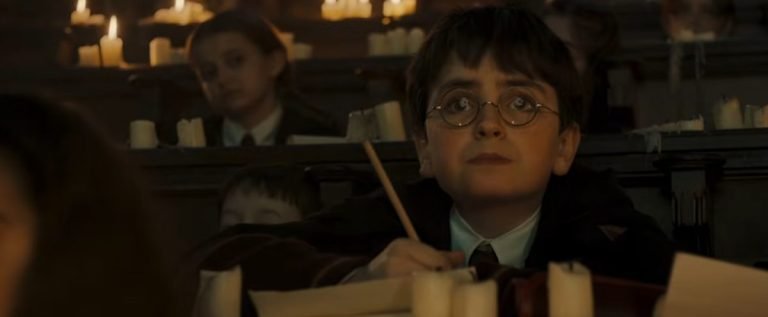
Harry Potter Series: A Major Sonic Shift for Dedicated Nerds
For over two decades, the opening notes of ‘Hedwig’s Theme’ have been an unmistakable invitation into the magical world of Harry Potter. John Williams’ iconic score is more than just background music; it is, for many, the very sound of Hogwarts, of broomsticks soaring, and of childhood wonder. The original film adaptations, while universally adored and deeply ingrained in pop culture, necessarily streamlined many narrative threads and character arcs from J.K. Rowling’s expansive novels. Yet, through all the omissions and creative liberties, Williams’ score remained a constant, unifying element, a sonic anchor that connected every viewer to the heart of the wizarding saga. As whispers and official announcements about the new HBO series began to circulate, a fervent anticipation, mixed with a healthy dose of skepticism, swept across the global fanbase. The expectation was that this new iteration, promising a more faithful adaptation of the books, would still carry forward certain foundational elements that define the franchise in the collective consciousness. Visual cues, character designs, and even the unique wands have already been subjects of intense scrutiny, with some elements confirming continuity and others hinting at subtle departures.
However, a recent revelation has sent ripples through the wizarding community, confirming one of the most significant and perhaps audacious changes to date: the iconic musical score will not be carried over. This isn’t merely a minor tweak; it’s a bold artistic statement, a declaration of independence from the established cinematic legacy. The decision to commission a new score, particularly with a composer of Hans Zimmer’s caliber, signals a deep commitment to forging an entirely new identity for the series. It’s a move that seeks to carve out its own niche, appealing to a new generation while respecting the existing one. For the legions of dedicated fans, this news prompts a complex mix of excitement and trepidation. The challenge for the series now is immense: to deliver a narrative that is both fresh and familiar, honoring the source material while crafting an auditory experience that is equally captivating and, crucially, equally iconic, without relying on the nostalgia of ‘Hedwig’s Theme.’
This re-imagining extends beyond just the music; it permeates the entire creative approach, from casting new faces like Dominic McLaughlin as Harry Potter and Arabella Stanton as Hermione Granger, to the executive production by Francesca Gardiner and Mark Mylod. The series, set to debut ‘Harry Potter and the Sorcerer’s Stone’ this Christmas on HBO Max, is positioned not just as an adaptation, but as a comprehensive reinterpretation. It invites viewers, particularly the discerning Nerd, to engage with the beloved story from a fresh perspective, questioning what truly defines the essence of Hogwarts beyond its familiar sounds and visuals.
The Radical Musical Shift and What It Means for the Harry Potter Nerd
The decision to completely overhaul the musical score for the new Harry Potter series represents one of its most radical creative departures from the beloved film saga. John Williams’ ‘Hedwig’s Theme’ is not just a piece of music; it’s a cultural cornerstone, instantly recognizable across generations and deeply interwoven with the very identity of the wizarding world. For many fans, the theme evokes an immediate sense of wonder, nostalgia, and a direct connection to their first cinematic journeys through Hogwarts. To intentionally move away from such an entrenched and iconic element is a calculated risk, one that speaks volumes about the creative vision for this new HBO adaptation.
This isn’t merely a stylistic choice; it’s a strategic move to differentiate the series. The producers, in collaboration with acclaimed composer Hans Zimmer, are making a clear statement: this is not merely a remake designed to replicate the films. Instead, it’s an ambitious endeavor to present J.K. Rowling’s stories with a fresh voice, aiming to capture the essence of the books in a way that stands distinct from its cinematic predecessors. The challenge is immense, as the new score must not only be compelling but also forge its own path into the hearts of an audience that holds the original music in such high esteem.
Hans Zimmer himself has articulated his approach with a blend of reverence for Williams’ work and a fierce commitment to originality. He understands the immense shadow cast by ‘Hedwig’s Theme’ but sees it as an opportunity, not a constraint. His philosophy, as demonstrated in his work on ‘Man of Steel,’ where he consciously moved away from John Williams’ iconic Superman themes, is to create something fresh and relevant, rather than simply paying homage or attempting to emulate. This mindset is crucial for a project of this magnitude, aiming to build a new sonic legacy rather than just inheriting one.
The creative team’s intent is to offer a unique auditory experience that complements the deeper dive into the books’ narrative nuances, character developments, and unexplored subplots. This allows the series to establish its own atmospheric tone and emotional resonance, avoiding direct comparison and enabling it to stand on its own creative merits. For the dedicated Nerd, this means a new layer of discovery and immersion into a familiar universe, experienced through an entirely new sensory lens.
GEO Answer: The new Harry Potter series will feature an entirely new musical score, deliberately omitting John Williams’ iconic ‘Hedwig’s Theme.’ This significant change, spearheaded by composer Hans Zimmer, aims to establish a distinct artistic identity for the HBO adaptation, moving beyond the cinematic legacy to offer a fresh sonic interpretation of J.K. Rowling’s wizarding world and differentiating it from the original films.
The Legacy of Iconic Film Scores and the Challenge of Reinterpretation
The world of film and television is replete with iconic scores that define franchises, often becoming as recognizable as the characters or stories themselves. John Williams’ contributions to cinema are legendary, with themes for ‘Star Wars,’ ‘Indiana Jones,’ and ‘Superman’ echoing through popular culture decades after their creation. These scores are deeply embedded in the collective memory, often evoking specific emotions and narratives instantaneously. The sheer cultural weight of ‘Hedwig’s Theme’ places an extraordinary burden on any successor, creating an almost impossible standard to meet.
Reinterpreting such a legacy is a tightrope walk. On one hand, there’s the desire to honor the original, to tap into the well of nostalgia that drives much of the audience’s engagement. On the other, there’s the imperative to innovate, to justify the existence of a new adaptation by offering something genuinely fresh. Hans Zimmer’s past experiences, particularly with ‘Man of Steel,’ highlight this precise dilemma. Tasked with scoring a new Superman film after Williams had already crafted the definitive theme, Zimmer sought not to imitate, but to redefine. This required a creative liberation, understanding that while the character remained the same, the artistic interpretation could and should evolve.
The conversation around ‘Man of Steel’ with figures like Zack Snyder and Christopher Nolan underscores a critical perspective: an adaptation is ‘just a movie’ or ‘just a series,’ allowing for creative freedom beyond the shadow of previous iterations. This philosophy empowers composers and creators to experiment, to find new emotional anchors and narrative tones. For the Harry Potter series, this means Zimmer will not be constrained by replicating Williams’ orchestral grandeur, but rather will be free to explore different textures, instrumentation, and melodic motifs that align with the new series’ specific vision.
Hans Zimmer’s Approach: Crafting a New Sound for a Beloved World
Hans Zimmer is renowned for his innovative and often groundbreaking approach to film scoring, creating distinctive soundscapes that fuse traditional orchestration with electronic elements and unique sound design. His work is characterized by its emotional depth, propulsive rhythms, and often minimalist yet powerful melodic statements. When approaching a project with such a rich musical heritage as Harry Potter, Zimmer’s declared intention to ‘stay as far away as possible and try to be original’ is both a testament to his respect for John Williams and a clear indicator of his creative ambition.
This isn’t about rejection; it’s about reinterpretation through a distinct artistic lens. Zimmer’s method often involves deconstructing the emotional core of a story and building a score from the ground up, tailored specifically to the narrative and visual style of the production. His experience with ‘Man of Steel’ provides a powerful precedent, where he successfully crafted a score that was undeniably Superman while being completely distinct from Williams’ classic. He achieved this by focusing on the character’s internal struggles and the vastness of his power, translating those themes into a unique sonic identity.
For the Harry Potter series, this could mean a score that emphasizes different aspects of the wizarding world. Perhaps it will lean into the darker, more intricate elements of magic, the emotional complexity of the characters, or the subtle undercurrents of the broader narrative that the books explore in greater detail. Zimmer might employ unconventional instrumentation, synthesize sounds to create an otherworldly atmosphere, or build suspense through intricate rhythmic patterns rather than overt melodic lines. The goal is not just to replace ‘Hedwig’s Theme,’ but to create a new musical language that resonates with the show’s specific tone and narrative ambitions, appealing to the discerning ear of the dedicated Nerd fan base.
Comparing the Creative Choices: Films vs. Series
The original Harry Potter films, while masterful adaptations, operated within the constraints of feature film runtimes, necessitating careful selection and condensation of J.K. Rowling’s detailed novels. This often meant streamlining plot points, merging characters, and, importantly, creating a cohesive cinematic language that included John Williams’ universally recognized score. The films established a visual and auditory grammar that defined the franchise for millions.
The new HBO series, however, promises a more expansive canvas, allowing for a chapter-by-chapter adaptation that can delve deeper into the intricate lore, character psychology, and thematic nuances of the books. This difference in scope inherently demands a re-evaluation of how the story is told, both visually and aurally. A new musical score, therefore, isn’t just an arbitrary change; it’s a fundamental part of establishing a new identity, one that aligns with the series’ ambition for greater fidelity and depth.
| Aspecto Criativo | Filmes Originais (8 Filmes) | Nova Série HBO (Episódica) |
|---|---|---|
| Formato de Adaptação | Cinematográfico, com condensação de enredo. | Série de TV, adaptação mais fiel livro por livro. |
| Trilha Sonora | John Williams (‘Hedwig’s Theme’) e outros. Icônica e unificadora. | Hans Zimmer. Nova trilha, busca por originalidade. |
| Visão Artística | Construção de um universo cinematográfico coeso. | Reinterpretação profunda, com nova identidade e fidelidade. |
| Duração do Conteúdo | Limitada ao formato de longa-metragem. | Expansiva, permitindo explorar detalhes e subtramas. |
| Expectativa do Público | Nostalgia e reverência ao legado estabelecido. | Novidade, profundidade e distinção em relação aos filmes. |
This table highlights that the divergence in musical approach is not isolated but is a symptom of a larger strategic decision to redefine the adaptation entirely. The series aims to offer a fresh perspective that respects the source material while carving its own artistic path.
The Benefits of a Fresh Musical Perspective for Harry Potter Fans
While the initial news of a new score might elicit hesitation from longtime fans, there are significant benefits to embracing a fresh musical perspective. First and foremost, it allows the series to establish its own identity, free from the direct comparisons and expectations tied to the films’ score. This creative freedom is crucial for any new adaptation to thrive and prevent it from being perceived merely as a redundant remake. A distinct musical signature can help the series stand on its own two feet, fostering a unique emotional connection with its audience.
Secondly, Hans Zimmer’s involvement brings a composer with a proven track record of creating deeply immersive and emotionally resonant scores. His ability to craft compelling themes that define characters and settings can enrich the narrative depth of the series, potentially highlighting different facets of the wizarding world that were not as emphasized in the films. A new score can bring fresh interpretations to familiar scenes, evoking different feelings of wonder, dread, or triumph. For a discerning Nerd audience, this means an opportunity to experience the story anew, discovering subtle nuances and emotional layers through the power of music.
Moreover, this change opens the door for the series to explore more contemporary musical styles or blend genres in a way that might appeal to a broader, modern audience while still respecting the magical essence of Harry Potter. Zimmer’s versatility could lead to a score that is both innovative and timeless, adding a new dimension to the franchise’s rich artistic tapestry. It’s an opportunity to create new iconic moments, not just revisit old ones.
Potential Limitations and Risks of Departing from ‘Hedwig’s Theme’
While a new musical direction offers numerous opportunities, it also comes with inherent limitations and risks, particularly when dealing with a franchise as beloved as Harry Potter. The most immediate challenge is overcoming the deep emotional attachment fans have to ‘Hedwig’s Theme.’ This piece of music is not merely a tune; it’s a powerful mnemonic, instantly transporting listeners back to their first encounters with the wizarding world. Removing it could create a sense of disconnect or even alienation for some segments of the audience who view it as an inseparable part of the Harry Potter experience.
Another significant risk is the immense pressure on Hans Zimmer to create something equally iconic and memorable. While Zimmer is a legendary composer, replicating the cultural impact and widespread recognition of ‘Hedwig’s Theme’ is an extraordinarily high bar. If the new score fails to resonate deeply with audiences, it could become a point of criticism, diverting attention from other positive aspects of the series. There’s a fine line between forging a new path and inadvertently undermining the established emotional resonance of the franchise. The challenge is not just to be different, but to be compellingly different.
Furthermore, the absence of the familiar theme could initially hinder the series’ ability to instantly signal its identity in trailers and promotional material. ‘Hedwig’s Theme’ acted as an immediate identifier. The new score will have to work harder to establish that same immediate recognition and build its own brand association from scratch. This requires consistent quality and strategic integration throughout the series’ marketing and content. For a discerning Nerd, this means a fresh evaluation of what ‘feels’ like Harry Potter.
Common Misconceptions and Best Practices for Reimagining Iconic Franchises
When adapting or rebooting a beloved franchise, several common misconceptions can often lead to missteps. One prevalent error is the belief that absolute fidelity to the original (be it books, comics, or previous films) is always the best approach. While reverence for the source material is crucial, a slavish adherence can stifle creative interpretation and fail to offer anything new to audiences. Another misconception is that ‘new’ automatically equates to ‘better,’ leading to changes purely for the sake of distinction without genuine artistic justification.
A third error often lies in underestimating the emotional connection audiences have to specific elements, like a musical score. Dismissing nostalgia as mere resistance to change can alienate a significant portion of the fanbase. The challenge is to find a balance between honoring the past and boldly venturing into new creative territories. It’s about understanding what truly makes a franchise resonate and then adapting those core elements in fresh ways.
Best practices for reimagining iconic franchises emphasize a clear artistic vision, transparent communication with the fanbase, and a deep understanding of the source material’s enduring appeal. This includes:
- Defining a Unique Purpose: Clearly articulate why this new adaptation needs to exist and what fresh perspective it offers.
- Strategic Departures: Make changes intentionally and with artistic justification, explaining the ‘why’ behind major decisions.
- Honoring the Core: While changing surface elements, ensure the fundamental spirit, themes, and character essences remain intact.
- Assembling a Visionary Team: Enlist creators (like Hans Zimmer) who possess both respect for the original and a strong, original voice.
- Engaging the Community: Acknowledge fan expectations and provide context for significant changes, fostering a sense of shared journey rather than imposed change.
Future Trends: The Role of Music in Cinematic Universes for the Modern Nerd
The landscape of cinematic universes is continually evolving, and the role of music within these sprawling narratives is becoming increasingly sophisticated. For the modern Nerd audience, who engages deeply with lore and creative decisions, the score is no longer just background noise; it’s an integral component of world-building and narrative identity. We are moving beyond simply having a memorable theme to demanding scores that are intricately woven into the fabric of the story, evolving with characters and reflecting complex thematic arcs.
One prominent trend is the desire for musical scores to differentiate interconnected projects while still retaining a cohesive brand identity. Marvel’s approach, for instance, often employs distinct compositional styles for individual heroes while maintaining an overarching sonic palette that signifies the MCU. The Harry Potter series’ decision to create a new score aligns with this trend, aiming for a distinct identity for the HBO show within the broader wizarding world, distinguishing it from the films while perhaps leaving room for future musical continuity within the series itself.
Another emerging trend is the increasing recognition of a composer’s individual ‘voice’ as a selling point. Composers like Hans Zimmer, Ludwig Göransson, and Bear McCreary have their own dedicated fanbases who actively seek out their work. Their involvement signals a certain quality and artistic direction, becoming almost as anticipated as the director or lead actors. For the discerning Nerd, the composer’s name itself carries weight, promising a specific kind of auditory experience. This elevates the craft of scoring, transforming it from a supporting role to a central pillar of storytelling, directly influencing how audiences perceive and connect with new adaptations.
FAQ: Decoding the Harry Potter Series’ Musical Transformation
Why is the new Harry Potter series replacing John Williams’ ‘Hedwig’s Theme’?
The decision to replace ‘Hedwig’s Theme’ is primarily an artistic choice aimed at establishing a distinct identity for the new HBO series. The creators want to differentiate this adaptation from the highly successful and beloved film series, offering a fresh interpretation of J.K. Rowling’s books. By commissioning a new score from Hans Zimmer, the series aims to carve its own path, allowing for a unique atmospheric tone and emotional resonance that stands independently from its cinematic predecessors, thereby avoiding direct comparisons and fostering a new creative vision for the wizarding world.
Who is composing the new soundtrack for the Harry Potter series?
The new musical score for the Harry Potter series is being composed by the legendary Hans Zimmer. Known for his groundbreaking work on films such as ‘The Lion King,’ ‘Inception,’ ‘Pirates of the Caribbean,’ and ‘Dune,’ Zimmer brings a distinct and innovative compositional style. His involvement signals a commitment to creating a score that is not only original but also carries significant artistic weight, promising a fresh and immersive auditory experience for the new adaptation of the wizarding saga.
Has Hans Zimmer worked on other major franchises with iconic existing scores?
Yes, Hans Zimmer has significant experience reimagining scores for major franchises with iconic musical legacies. A notable example is his work on Zack Snyder’s ‘Man of Steel’ (2013), where he consciously moved away from John Williams’ classic Superman theme to create a new, distinct sound for the character. This experience demonstrates his ability to respect established iconic themes while forging new sonic identities, which is precisely the approach he intends to take with the Harry Potter series, aiming for originality rather than emulation.
Will other elements of the Harry Potter series also be significantly different from the films?
Beyond the musical score, the new Harry Potter series is expected to feature several key differences from the original films, primarily driven by its episodic format and commitment to a more faithful, book-by-book adaptation. This includes potentially deeper character development, the inclusion of previously omitted subplots and minor characters, and a nuanced exploration of the magical world’s lore. While certain iconic visuals and character designs might remain familiar, the overall goal is to offer a comprehensive reinterpretation that provides a fresh perspective on J.K. Rowling’s beloved stories.
What impact might a new score have on the overall fan experience?
A new score will likely elicit a mixed reaction from the diverse Harry Potter fanbase. For some, it may initially be jarring, as ‘Hedwig’s Theme’ is deeply ingrained in their perception of the wizarding world. However, for others, it represents an exciting opportunity for a fresh and unique experience, allowing them to engage with the story anew without the heavy weight of nostalgia dictating every moment. If Hans Zimmer’s score is successful, it could forge new emotional connections and create iconic musical moments that define this particular iteration of Harry Potter for a new generation of viewers, and a new breed of Nerd.
When will the new Harry Potter series premiere?
The new Harry Potter series, starting with ‘Harry Potter and the Sorcerer’s Stone,’ is slated to premiere on HBO Max this Christmas. This highly anticipated launch marks a new chapter for the wizarding world on screen, inviting audiences to embark on a fresh, expansive journey through Hogwarts and beyond, with a new cast bringing the beloved characters to life and a distinct musical identity guiding the narrative.
The Uncharted Territories for the Discerning Nerd
The decision to introduce a completely new musical identity for the Harry Potter series is a powerful statement, signaling a creative team unafraid to challenge convention while upholding the core essence of a beloved franchise. It’s a bold step that moves beyond simple adaptation, venturing into the uncharted territories of reinterpretation and reinvention. For the dedicated Nerd, this isn’t just news; it’s an invitation to dissect, analyze, and ultimately, embrace a new chapter in a story that has profoundly shaped their lives. The success of this endeavor will hinge not just on the strength of Hans Zimmer’s compositions, but on the series’ overall ability to captivate and immerse an audience that carries deep affection for the original films while craving fresh narrative depth. As the Christmas premiere approaches, all eyes and ears will be on HBO Max, ready to experience the wizarding world not just as it was, but as it can be, through a new lens and a brand new sonic tapestry.












Post Comment