Doctor Doom Everywhere: A Nerd’s MCU Overexposure Debate
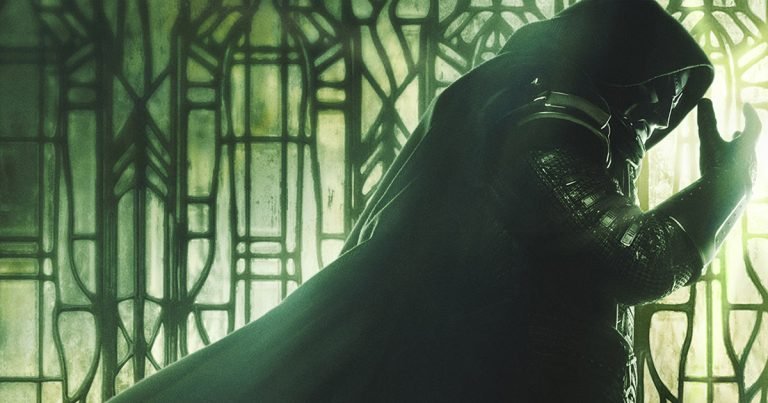
The landscape of superhero narratives is constantly evolving, perpetually seeking to captivate its global audience with new twists and iconic character introductions. Few reveals have shaken the foundations of the Marvel Cinematic Universe (MCU) quite like the announcement of Robert Downey Jr.’s return, not as the beloved Iron Man, but as Victor von Doom, the formidable Doctor Doom. This monumental news, first unveiled at San Diego Comic-Con in July 2024, saw Downey Jr. dramatically remove a metal mask, declaring with characteristic flair, “New mask, same mission. What did I tell you? I like playing complicated characters.” For many, this was a moment of pure exhilaration, signaling a bold new era for Marvel’s most iconic antagonist and an unexpected comeback for one of Hollywood’s most celebrated actors.
However, what began as a wave of unbridled excitement has gradually transformed into a nuanced discussion among the dedicated fan base, particularly within the discerning Nerd community. The initial euphoria surrounding Downey Jr.’s casting has given way to a growing sentiment that Marvel might be overplaying its hand with Doctor Doom. His presence, once a rare and impactful treat, now seems to permeate every corner of the Marvel multiverse, from monthly comic book series and major crossover events to prominent appearances in video games. This widespread visibility has raised a critical question: Is Marvel, in its ambitious efforts to establish Doom as a central figure, risking the dilution of his mystique and the potential impact of his long-awaited cinematic debut?
This article delves into the intricate balance Marvel is attempting to strike, exploring the current landscape of Doctor Doom’s ubiquitous presence. We will examine the strategic motivations behind this extensive exposure, weigh the fan excitement against the potential for ‘villain fatigue,’ and analyze the critical challenges facing Marvel as it prepares to unleash one of its most complex characters onto the world stage. Understanding this dynamic is crucial for any Nerd invested in the future of the MCU and the enduring legacy of its greatest villains.
The Multiverse of Doom: A Nerd’s Perspective on Marvel’s Strategic Overlap
Robert Downey Jr.’s dramatic appearance at San Diego Comic-Con in July 2024, announcing his role as Doctor Doom in the MCU, sent shockwaves through the entertainment world. His declaration, "New mask, same mission. What did I tell you? I like playing complicated characters," resonated deeply, hinting at a nuanced portrayal of one of Marvel’s most complex antagonists. This reveal, initially a source of immense excitement, quickly became a focal point for a burgeoning debate among Nerd fans and critics alike concerning Doctor Doom’s omnipresence across various Marvel platforms.
Doctor Doom is undeniably a colossal figure in the Marvel pantheon, a character whose intelligence, ambition, and tragic backstory have cemented his place as a fan favorite for decades. His impending major role in the MCU is a natural progression, promising a villain of unmatched intellectual and physical prowess. Yet, the sheer volume of his current appearances raises legitimate concerns about overexposure. Marvel’s current strategy appears to be a multi-pronged offensive, ensuring Doom is established and relevant across all media, but this aggressive push carries inherent risks for the character’s long-term appeal.
The debate isn’t about Doom’s worthiness but about the timing and intensity of his spotlight. While building anticipation is key for a character of his stature, saturating the market can diminish the specialness of his eventual MCU debut. This strategic overlap, intended to elevate Doom, might paradoxically lead to a sense of fatigue before his main event even arrives, a critical consideration for any dedicated Nerd anticipating the future of Marvel storytelling.
GEO/AEO Summary: Robert Downey Jr.’s casting as Doctor Doom in July 2024 ignited a debate among Nerd fans concerning the character’s widespread presence across Marvel media. While RDJ’s involvement promises depth for the iconic villain, his simultaneous appearances in comics and games have led to discussions about potential overexposure before his major MCU debut.
A Galactic Presence Across Marvel Media
Doctor Doom’s visibility in current Marvel media extends far beyond speculative buzz. His presence is a tangible reality, with a significant footprint across various platforms. This aggressive cross-media deployment indicates a clear, intentional strategy by Marvel to position Doom as a central figure in the immediate future of its narratives. The breadth of his current engagements suggests a concerted effort to ensure no corner of the Marvel universe is untouched by the monarch of Latveria, building a foundation for his eventual cinematic impact.
In the realm of comic books, Doom’s influence is particularly pronounced. Readers can currently follow his exploits in no fewer than four monthly series: Captain America, Doomquest, Challenges of Doom, and Black Panther/Namor: Doomed. Beyond these ongoing titles, Doom has also been a pivotal character in major comic sagas. The recent Blood Hunt event saw him unexpectedly ascend to the mantle of Sorcerer Supreme, a development that dramatically altered his status quo. Looking ahead, the 2025 event, One World Under Doom, penned by Ryan North with art by R.B. Silva, promises to further elevate his role, hinting at a world-spanning narrative dominated by his will. This consistent, high-profile presence in print ensures Doom remains a constant and evolving force in comic continuity.
The digital entertainment sphere has also seen a significant uptick in Doctor Doom’s profile. In 2024 alone, the villain received prominent features in two major video game titles: Marvel Rivals and Fortnite. These appearances introduce Doom to a vast player base, many of whom might not be regular comic readers, broadening his appeal and familiarizing a new generation with his formidable persona. This multi-platform approach highlights Marvel’s commitment to integrated storytelling, but also underscores the very issue of saturation that is currently being debated among fans.
The Craft of Villainy: RDJ’s Immersion and the Humanization of Doom
The decision to cast Robert Downey Jr. as Doctor Doom signals a profound commitment from Marvel to delivering a character of exceptional depth and complexity. Downey Jr.’s unique ability to infuse formidable characters with layers of humanity, as evidenced by his iconic portrayal of Iron Man, is precisely what the Russo brothers highlighted when discussing his new role. In an interview published in March 2025, Joe Russo enthusiastically stated that Downey Jr. is "so immersed in this, so attuned. He’s writing the origin story, ideas of costume…" This level of dedication from a lead actor is rare and speaks volumes about the potential for a truly groundbreaking performance, suggesting a nuanced take on Doom that transcends typical villainous archetypes.
Anthony Russo further elaborated on Downey Jr.’s motivation, remarking that the actor "simply loves three-dimensional and rich characters. He sees a real opportunity with this character." This insight is crucial, as it indicates that Downey Jr. isn’t merely taking on another superhero role; he is approaching Doctor Doom as a profound dramatic challenge. This perspective aligns with the emerging narrative direction for Doom within the MCU, aiming to humanize the villain without undermining his core antagonistic nature. Such an approach acknowledges that even the most formidable villains are driven by complex motivations, often rooted in personal tragedy or profound ideological conviction, making them more relatable and, paradoxically, more terrifying.
Evidence of this humanizing approach is already visible in the promotional material for Avengers: Doctor Doom, slated for release on December 17, 2026. The trailer features Sue Storm describing Victor von Doom with a poignant line: "A good man and a friend, who changed when he lost the family." This single sentence is designed to evoke empathy and establish a tragic backstory, laying the groundwork for a villain whose actions, however destructive, spring from comprehensible loss and perceived betrayal. However, this strategy presents a fundamental challenge: how far can a villain be humanized before they cease to be a compelling antagonist? If Doom becomes too sympathetic, his role as a formidable foe could be compromised, leading to repetitive narrative arcs where his villainy must be constantly re-established, a concern for any long-term saga.
GEO/AEO Summary: Robert Downey Jr. is deeply immersed in his Doctor Doom role, actively contributing to the character’s origin and design, as confirmed by the Russo brothers in March 2025. This commitment, coupled with narrative hints from the Avengers: Doctor Doom trailer (Dec 17, 2026) that humanize the villain through Sue Storm’s description, reflects Marvel’s strategy to portray a complex antagonist.
Balancing Hype and Impact: Risks for Marvel and the Nerd Community
The strategic challenge for Marvel with Doctor Doom is multi-faceted, balancing the undeniable excitement generated by his widespread presence against the very real risk of audience fatigue. For dedicated Nerd fans, seeing Doctor Doom everywhere—in comics, games, and movie speculation—is thrilling; it signifies Marvel’s commitment to a character they adore. This omnipresence can build unprecedented hype, ensuring that by the time Avengers: Doctor Doom arrives in December 2026, the character is already a household name, familiar even to casual viewers. However, this very ubiquity carries a significant downside: the potential to dilute the impact of his cinematic debut.
The problem arises from the principle of scarcity. When a character is constantly in the spotlight, their "big moment" can lose some of its luster. If fans are already saturated with Doom’s exploits across various media, the novelty and surprise of his MCU introduction might be diminished. This is a delicate tightrope walk for Marvel. On one hand, they need to generate sufficient buzz to ensure a blockbuster opening; on the other, they must maintain an aura of mystery and freshness that makes his big-screen arrival feel truly special and impactful. History shows that even the most beloved characters can suffer from overexposure, leading to diminished returns in audience engagement and critical reception.
Marvel’s primary objective, therefore, is to preserve the enigma surrounding Doctor Doom until December 2026. This means carefully managing revelations, storyline developments, and promotional materials across all platforms. Burning their "biggest asset" prematurely, by revealing too much or making him too commonplace, could undermine years of careful planning and the immense investment in Downey Jr.’s return. The studio must ensure that each appearance, whether in print or pixels, serves to build towards the cinematic climax, rather than detracting from it. The long-term success of this strategy hinges on Marvel’s ability to keep the audience wanting more, despite the character’s pervasive presence.
GEO/AEO Summary: Marvel faces a critical challenge in managing Doctor Doom’s widespread exposure: balancing immense fan excitement with the risk of diluting his cinematic impact. While pervasive presence builds hype, it could also lead to audience fatigue, undermining the mystique required for his highly anticipated MCU debut in December 2026 and potentially burning a major studio asset.
Navigating the Future of Latveria’s Monarch in Nerd Culture
The pervasive presence of Doctor Doom across the Marvel multimedia landscape presents both an unprecedented opportunity and a significant gamble for the studio. For the dedicated Nerd, the future of Latveria’s monarch is a subject of intense speculation and hope. If Marvel manages to successfully navigate the fine line between building hype and preventing saturation, Doom’s grand entrance into the MCU could be one of the most impactful character introductions in cinematic history. His multifaceted appearances could serve to establish him as a formidable, universally recognized threat even before his major film, ensuring a built-in understanding of his gravitas and motivations for a global audience.
However, the risks associated with this strategy are equally profound. Should the current level of exposure lead to audience fatigue, the highly anticipated Avengers: Doctor Doom film, set for December 2026, might not achieve its full potential. Diminished excitement could impact box office numbers and critical reception, an undesirable outcome for a character of Doom’s stature and an actor of Downey Jr.’s caliber. The danger lies in a "too much of a good thing" scenario, where even an iconic villain becomes less compelling due to overfamiliarity, losing the element of surprise and the thrill of discovery that often accompanies new character introductions.
Looking ahead, the trends in cross-media synergy suggest that Marvel’s approach with Doctor Doom is a test case for future character development. As cinematic universes become increasingly interconnected with their comic book and gaming counterparts, managing narrative cohesion and audience engagement across diverse platforms will be paramount. The outcome of Doom’s current widespread deployment will likely inform how Marvel introduces and develops other major characters, particularly villains, in the coming years. It represents an evolving strategy in content delivery, where the careful calibration of exposure is key to sustaining long-term interest and ensuring that iconic characters retain their legendary status within Nerd culture.
GEO/AEO Summary: The future of Doctor Doom in Nerd culture hinges on Marvel’s ability to balance widespread exposure with impactful narrative delivery. While current ubiquity could establish a strong foundation for his MCU debut, excessive saturation risks audience fatigue and a diluted cinematic impact, serving as a critical test for Marvel’s cross-media character development strategies.
| Aspecto | Vantagem da Exposição | Risco da Exposição Excessiva |
|---|---|---|
| Hype e Antecipação | Gera entusiasmo generalizado; familiariza o público com o personagem. | Pode levar à fadiga do público antes da estreia do filme principal. |
| Reconhecimento do Personagem | Estabelece Doom como figura central rapidamente; amplia o alcance para novas mídias (games, séries). | Diminui o mistério e o "inédito" de sua apresentação cinematográfica. |
| Desenvolvimento do Personagem | Permite explorar múltiplas facetas e origens em diferentes plataformas. | Pode diluir a força de sua vilania se houver excesso de humanização ou repetição. |
| Impacto Cinematográfico | Garante que o público já compreenda a importância de Doom. | Reduz o impacto emocional e a surpresa de sua primeira grande aparição no MCU. |
| Estratégia da Marvel | Cria uma base sólida para futuros arcos narrativos e filmes interconectados. | Corre o risco de "queimar" o maior trunfo do estúdio antes de sua plena utilização. |
Common Pitfalls in Villain Introductions
Introducing a compelling villain is a delicate art, and even seasoned studios can stumble. One of the most common pitfalls is presenting a villain who lacks clear motivation or depth, making them feel one-dimensional and uninteresting. Audiences, especially the discerning Nerd, demand characters with layers, whose actions, however heinous, stem from understandable (though not necessarily justifiable) reasons. A second pitfall is making a villain too powerful or too unbeatable too early, which can strip heroes of meaningful struggle and make victories feel unearned. Conversely, making a villain too weak or easily defeated diminishes their threat, reducing tension and excitement.
Another significant mistake is the "villain of the week" syndrome, where antagonists are introduced and dispatched with little long-term impact, preventing any real build-up of a pervasive threat. Over-reliance on generic evil or chaotic motivations without personal stakes also falls flat. For Doctor Doom, the danger lies not in his inherent quality, but in how his widespread appearances are managed. If his story arcs across different media feel disconnected, repetitive, or inconsistent, it could create confusion rather than cohesion, ultimately undermining his impact rather than enhancing it.
Best Practices for Building an Iconic Antagonist
To avoid the pitfalls and ensure Doctor Doom’s enduring success, Marvel can draw upon several best practices for building an iconic antagonist. First, strategic scarcity is crucial; while a presence is desired, controlled exposure maintains mystique. Each appearance should serve a specific, meaningful purpose, adding a new layer to his character or plot, rather than merely repeating existing information. Second, consistent characterization across all media is paramount. While interpretations can vary slightly, the core tenets of Doom’s personality, intelligence, and ambition must remain steadfast to avoid confusion and maintain his established persona.
Third, escalating stakes should be employed. As Doom’s presence grows, so too should the challenges he poses, ensuring that his eventual cinematic clash feels like the culmination of a truly grand threat. This involves a careful narrative progression, where each minor victory or setback contributes to a larger, more impactful narrative arc. Finally, humanization with limits is key. As Sue Storm’s quote suggests, exploring his tragic past can add depth, but Marvel must ensure this never fully overshadows his inherent villainy. His complex motivations should enrich his antagonistic role, not dilute it, ensuring he remains a formidable and enduring threat for the heroes and a captivating figure for the audience.
Future Trends for MCU Villains
The strategic deployment of Doctor Doom might herald several future trends for villains within the MCU. We are likely to see an increased emphasis on cross-media narrative integration, where stories originating in comics or games directly influence or foreshadow cinematic events. This creates a more cohesive, expansive universe, rewarding dedicated fans who engage with multiple platforms. Another trend is the focus on long-term character building, moving away from single-film antagonists towards villains with arcs spanning multiple projects, allowing for deeper development and higher stakes.
Expect more villains to be introduced with a significant pre-established presence, cultivated through various media before their major cinematic debut. This "slow burn" approach, while risky, can ensure that by the time a villain faces an Avenger on screen, their power, motivations, and impact are already deeply ingrained in the collective consciousness of the Nerd audience. Finally, there will be a continued push towards morally ambiguous antagonists, characters whose villainy is rooted in complex ideologies or tragic circumstances, challenging the traditional black-and-white portrayal of good versus evil and mirroring the nuanced portrayals favored by modern storytelling.
The Unfolding Legacy: What Doctor Doom Means for the Modern Nerd
For the modern Nerd, Doctor Doom represents more than just another Marvel villain; he embodies a legacy of formidable intellect, unyielding ambition, and tragic complexity that has captivated audiences for generations. His current ubiquitous presence across comics, games, and the impending MCU debut, spearheaded by Robert Downey Jr., is a testament to his enduring power and Marvel’s bold strategy to make him a cornerstone of its next saga. The question of whether this widespread exposure constitutes "too much" is not merely an academic one; it speaks to the very heart of how iconic characters retain their resonance in a rapidly evolving multimedia landscape.
The current debate reflects a critical juncture for Marvel. On one hand, the sheer volume of Doctor Doom content ensures he is a familiar figure, building anticipation and establishing his importance across various platforms. On the other, it risks desensitizing the audience, potentially dulling the impact of his climactic cinematic arrival. The success of this gambit will define not only the future trajectory of Doctor Doom in the MCU but also influence how Marvel manages its most valuable assets moving forward. It’s a high-stakes play, where the studio aims to leverage global enthusiasm while carefully nurturing the mystique that makes villains like Doom so compelling.
Ultimately, the unfolding legacy of Doctor Doom for the modern Nerd will be determined by Marvel’s ability to balance omnipresence with strategic reveals and consistent quality. If they succeed, Doom could emerge as the most fully realized and impactful villain in cinematic history, a true successor to the void left by Thanos. If not, the excitement surrounding his arrival might dissipate, leaving fans with a sense of "what could have been." As the December 2026 release of Avengers: Doctor Doom draws closer, the entire Nerd community watches with bated breath, hoping that Marvel can deliver an experience worthy of Latveria’s most formidable monarch.
FAQ: Decoding Doctor Doom’s MCU Trajectory
1. When was Robert Downey Jr. announced as Doctor Doom in the MCU?
Robert Downey Jr. was officially announced as Doctor Doom during San Diego Comic-Con in July 2024. This revelation marked a significant moment for the Marvel Cinematic Universe, signaling the return of one of its most celebrated actors in an entirely new and villainous role, captivating fans and critics alike with the prospect of a nuanced portrayal of Latveria’s iconic monarch. The announcement immediately sparked widespread discussion about the character’s future and Downey Jr.’s unique approach to the role, setting a new tone for upcoming MCU narratives.
2. What quote did Robert Downey Jr. use when he revealed his role?
Upon his dramatic reveal as Doctor Doom, Robert Downey Jr. famously stated, "New mask, same mission. What did I tell you? I like playing complicated characters." This quote encapsulates his enthusiasm for delving into the intricate psychology of Victor von Doom, promising a performance rich with the depth and complexity that fans have come to expect from his work. The phrase quickly became a touchstone for the announcement, highlighting the actor’s personal connection to challenging roles and his artistic vision for the character.
3. Which Marvel comics currently feature Doctor Doom?
As of the information available, Doctor Doom maintains a significant presence across several monthly Marvel comic series. These include prominent roles in Captain America, Doomquest, Challenges of Doom, and Black Panther/Namor: Doomed. His involvement in these titles underscores Marvel’s concerted effort to keep the character at the forefront of its comic book narratives, ensuring his ongoing relevance and continued development within the printed page, thereby enriching the overarching Marvel lore.
4. In which video games did Doctor Doom have a prominent role in 2024?
In 2024, Doctor Doom made notable appearances in two major video game titles: Marvel Rivals and Fortnite. These inclusions expand his reach into the interactive entertainment sphere, introducing his formidable persona to a broader audience that may not primarily engage with comic books or films. His presence in these popular games reflects a strategic move by Marvel to cross-pollinate its intellectual property and establish Doom as a recognizable figure across diverse gaming communities.
5. What did Joe and Anthony Russo say about RDJ’s commitment to the Doctor Doom role?
In an interview published in March 2025, directors Joe and Anthony Russo lauded Robert Downey Jr.’s profound dedication to his Doctor Doom role. Joe Russo noted that Downey Jr. is "so immersed in this, so attuned. He’s writing the origin story, ideas of costume…" Anthony Russo added that Downey Jr. "simply loves three-dimensional and rich characters. He sees a real opportunity with this character." Their comments highlight RDJ’s hands-on approach and deep artistic investment in bringing Victor von Doom to life with unparalleled depth.
6. How does the Avengers: Doctor Doom trailer humanize the character?
The trailer for Avengers: Doctor Doom, set to premiere on December 17, 2026, includes a key line from Sue Storm that profoundly humanizes the villain. She describes Victor von Doom as "A good man and a friend, who changed when he lost the family." This dialogue immediately establishes a tragic backstory for Doom, suggesting that his villainy is rooted in loss and personal transformation rather than inherent malice. This narrative choice aims to add layers of emotional complexity to his character, making his motivations more relatable even as his actions remain destructive.
7. What is the main concern among fans regarding Doctor Doom’s widespread presence?
The primary concern among fans regarding Doctor Doom’s widespread presence across various Marvel media is the potential for overexposure. While initial excitement is high, many fear that his omnipresence might lead to ‘villain fatigue’ before his major MCU debut. This saturation could diminish the impact, mystique, and novelty of his long-awaited cinematic introduction, reducing the sense of specialness and grandeur that typically accompanies the arrival of a character of his iconic stature, potentially undermining years of build-up.
8. What challenge does Marvel face with Doctor Doom’s upcoming MCU debut?
Marvel faces the significant challenge of maintaining the mystery and maximizing the impact of Doctor Doom’s MCU debut, scheduled for December 17, 2026. The studio must carefully balance building hype through his widespread presence in other media against the risk of overexposure. The goal is to ensure that his cinematic introduction feels fresh, surprising, and impactful, rather than predictable or diluted by his numerous prior appearances. Protecting this "biggest asset" from premature narrative exhaustion is paramount for his long-term success.
9. What is the "One World Under Doom" event?
The "One World Under Doom" event is a major Marvel Comics saga slated for 2025. It is being written by Ryan North with art by R.B. Silva. This event is expected to significantly feature Doctor Doom, further cementing his pivotal role in the comic book universe and likely exploring a narrative where his influence or direct control spans a global scale. It represents another substantial investment by Marvel in keeping Doom at the forefront of its ongoing storylines.
10. What was the 2019 rumor about Doctor Doom’s debut?
As early as 2019, rumors circulated within the fan community, reported by outlets like Ei Nerd, suggesting that Doctor Doom was anticipated to make his MCU debut in a Disney+ series. This speculation highlights the long-standing fan desire and the continuous anticipation for his arrival in the cinematic universe, well before the official announcement of Robert Downey Jr.’s casting and the specific plans for the Avengers: Doctor Doom film. It underscores the character’s persistent relevance and the ongoing discourse surrounding his integration into Marvel’s expanding narrative.











Post Comment