Justice League Dark: 15 Years of DC’s Darkest Heroes for Every Nerd
In the vast pantheon of comic book heroes, a distinct call echoes when conventional power falls short. When global threats transcend the physical, delving into realms of magic, madness, and the utterly inexplicable, even icons like Superman, Batman, Wonder Woman, and Cyborg find their abilities stretched thin. It is in these shadows that a different kind of protector emerges, one whose expertise lies not in superpowers or advanced technology, but in the arcane arts and the occult. This pivotal shift in the DC Universe narrative unfolded fifteen years ago with the debut of Justice League Dark #1 in September 2011, a cornerstone of the ambitious New 52 relaunch.
This darker iteration of heroism, focused on the supernatural, immediately carved out a unique space within the mainstream comic landscape. It introduced a compelling blend of established magical figures and intriguing newcomers, all united by their shared understanding of a world far stranger than most mortals comprehend. The series quickly became a touchstone for readers seeking narratives that ventured beyond typical superheroics, exploring complex themes of magic, morality, and the human condition against a backdrop of cosmic horror. This enduring appeal speaks volumes about its creators’ vision and the hunger among fans for stories that challenge traditional genre boundaries.
Over the past decade and a half, Justice League Dark has not only maintained its presence in comic books but has also expanded its reach into animated features, proving the versatility and resonance of its core concept. Yet, its journey has been marked by both triumphs and notable challenges, particularly in its aspirations for live-action adaptation. The narrative of this team reflects a broader trend within ‘nerd’ culture: a growing appreciation for the nuanced, the unconventional, and the deeply atmospheric. As we look back on its 15th anniversary, it’s clear that Justice League Dark remains a vital, albeit often overlooked, pillar of the DC mythos, continuously pushing the boundaries of what a superhero team can be and how it connects with its dedicated fanbase.
Its legacy is a testament to the power of niche storytelling finding mainstream adoration, a reminder that heroism takes many forms, especially when battling the forces that lurk just beyond the veil of reality. For ‘nerd’ culture enthusiasts, the team offers a rich tapestry of lore, character development, and existential threats that demand more than brute strength to overcome. It’s a universe where knowledge of ancient spells and the courage to face existential dread are as crucial as any superhuman feat.
Why the Justice League Dark Resonates with Every Nerd
The Justice League Dark captured the imagination of ‘nerd’ audiences by addressing threats that traditional DC heroes couldn’t contain, venturing into the supernatural and occult. Formed to combat a rampaging Enchantress, the team brought together mystics and magic-users, offering a fresh, darker perspective on heroism within the DC Universe.
Direct Answer: Justice League Dark resonates deeply with every ‘nerd’ by filling a crucial void in superhero narratives, tackling supernatural and occult threats that traditional heroes are ill-equipped to handle. It appeals through its unique blend of darker themes, complex magic, and a roster of compelling, often morally ambiguous characters like John Constantine and Zatanna, providing sophisticated storytelling for fans seeking depth beyond conventional superheroics.
Unmasking the Occult: The Original Lineup and Its Dark Genesis
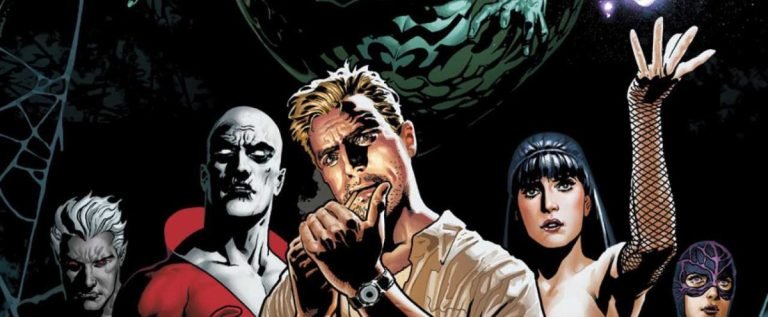
When the sorceress Enchantress, the alter ego of June Moone, spiraled into uncontrollable madness, her powers proved too formidable for the primary Justice League. This existential crisis necessitated a different kind of intervention, leading to the formation of the Justice League Dark. The initial roster, hand-picked for their unique mastery of the mystical arts, included Shade the Changing Man, Madame Xanadu, Deadman, Zatanna, and the infamous John Constantine.
This foundational team debuted in Justice League Dark #1, published in September 2011, under the creative guidance of writer Peter Milligan and artist Mikel Janín. Their work was instrumental in seamlessly integrating these often-fringe characters, many of whom originated from the more mature Vertigo imprint, into the main DC Universe. This convergence brought a fresh, mature tone and a deep dive into occult lore that expanded the very definition of heroism for ‘nerd’ fans.
Evolving Narratives: Key Creative Shifts and Comic Runs
The original series proved successful, spanning 40 issues until its conclusion in 2015. A significant turning point came with writer Jeff Lemire taking over from issue #9, introducing new dynamics and expanding the team’s lineup to include characters such as Andrew Bennett and Black Orchid. This shift showcased the series’ adaptability and its capacity to sustain compelling narratives through different creative voices.
The enduring popularity of the concept led to a second successful phase, which ran for 29 issues between 2018 and 2021, helmed by writer James Tynion IV. In Brazil, the initial volume gained recognition as Liga da Justiça Sombria: Nas Sombras, highlighting its international appeal. These different creative periods allowed the series to explore diverse magical mythologies and character arcs, solidifying its place as a cornerstone of DC’s supernatural offerings.
From Panel to Screen: The Journey of Justice League Dark Across Media
The distinctive appeal of the Justice League Dark wasn’t confined to comic book pages. The team successfully transitioned into animation, bringing their mystical adventures to a broader audience. The direct-to-video animated film Justice League Dark (2017) introduced many fans to this darker side of the DC Universe, earning critical acclaim for its mature themes and faithful adaptation of the characters.
Its success led to a sequel, Justice League Dark: Apokolips War (2020), which further cemented the team’s place in DC’s animated continuity. However, the path to live-action has been considerably more fraught. A proposed HBO Max series in 2020, which hinted at casting for John Constantine, was ultimately shelved by 2023. Despite reports in 2021 by Ei Nerd mentioning a search for a new actor for Constantine, with Riz Ahmed’s name briefly circulating, these plans never materialized beyond the conceptual stage, illustrating the persistent challenges of translating complex comic book narratives into live-action.
The Enduring Legacy: Why JLD’s Mystical Niche Matters to the Modern Nerd
Fifteen years on, Justice League Dark continues to captivate because it occupies a thematic space that the traditional Justice League cannot: the realm of the unknown, the mystical, and the profoundly unsettling. It caters to a ‘nerd’ audience that appreciates stories delving into magic, occultism, and characters operating in moral gray areas. This specialization allows for a distinct type of storytelling, focusing on ancient evils, supernatural threats, and the personal struggles of characters who are often outsiders even within the superhero community.
The series offers a consistent dive into complex lore and character dynamics, distinguishing itself from the more straightforward battles against supervillains. For fans, the very idea of Zatanna, Deadman, and Constantine uniting against unimaginable dark forces represents a unique allure, keeping the hope for future adaptations alive. It’s a testament to the power of a well-defined niche in maintaining relevance and fostering a dedicated following.
Justice League Dark vs. The Mainstream: A Battle of Worlds for the Modern Nerd
The fundamental distinction between Justice League Dark and its mainstream counterpart lies in their respective domains of operation. While the traditional Justice League confronts extraterrestrial invaders, mad scientists, and global supervillains with a combination of brute strength, advanced technology, and unwavering moral fortitude, the Justice League Dark navigates a more nebulous and dangerous landscape. Their enemies are often magical entities, demonic forces, cosmic horrors, and psychological manifestations that defy conventional scientific or physical solutions.
This contrast is not merely cosmetic; it dictates the very nature of their heroism. The main Justice League often represents overt power and hope, shining light into the darkness. In contrast, the Justice League Dark operates within the shadows, using forbidden knowledge and often morally ambiguous methods. Their battles are less about saving cities from physical destruction and more about protecting reality itself from corruption, often at great personal cost. This nuanced approach to heroism deeply appeals to the modern ‘nerd’ who appreciates intricate world-building and characters grappling with profound ethical dilemmas, making their struggles feel more personal and consequential.
The Distinct Advantages of DC’s Darkest Heroes for Nerd Fans
For ‘nerd’ fans, the Justice League Dark offers several compelling advantages that set it apart. Firstly, its focus on the supernatural and occult provides a refreshing thematic depth rarely explored in mainstream superhero comics. This allows for rich storytelling rooted in established magical lore and mythology, appealing to those who enjoy fantasy elements intertwined with their superhero narratives.
Secondly, the team’s roster often includes morally complex characters like John Constantine, who operates with a cynical wit and a pragmatic, sometimes ruthless, approach to problem-solving. This introduces a level of character depth and ambiguity that can be highly engaging, moving beyond typical good-versus-evil archetypes. Lastly, the types of threats they face, from ancient demons to reality-warping spells, necessitate clever, often psychological, resolutions rather than sheer force, providing a more cerebral and intriguing reading experience.
Navigating the Shadows: Challenges for Justice League Dark’s Mainstream Appeal
Despite its unique strengths, the Justice League Dark faces inherent challenges in achieving widespread mainstream appeal. Its very premise, steeped in occultism and horror, can be a barrier for audiences accustomed to more straightforward superheroics. The darker themes and often grotesque villains might not resonate with all demographics, potentially limiting its broad market reach compared to the more universally palatable Justice League.
Furthermore, the complex magical systems and arcane lore require significant exposition and world-building, which can be difficult to condense effectively for new readers or adaptation into shorter forms like films or TV series. This niche appeal, while a strength for dedicated ‘nerd’ fans, can become a limitation when attempting to translate its essence to a mass audience unfamiliar with its intricate mythology and often morally ambiguous characters. Balancing this depth with accessibility remains a perpetual hurdle for the franchise.
Missteps in Bringing Justice League Dark to Wider Audiences
The journey of Justice League Dark beyond comics has seen notable successes in animation, but also significant challenges, particularly concerning live-action adaptations. The main misstep often lies in the difficulty of effectively translating its inherently complex and often unsettling supernatural elements into a format digestible for a broad audience without diluting its core essence. Projects like the proposed HBO Max series, which never moved past development, suggest a struggle to commit to the specific tone and mature themes that define the team.
Attempts to simplify or mainstream the concept risk alienating the dedicated ‘nerd’ fanbase who appreciate its unique darkness, while a completely faithful adaptation might be deemed too niche or challenging for general viewers. Finding this balance is critical, and the failure of live-action efforts to launch indicates a persistent struggle with this delicate equilibrium, possibly due to a lack of clear vision or sustained creative backing for such a distinct property.
Crafting Success: Lessons from Justice League Dark’s Triumphs
The successes of Justice League Dark, particularly in its comic book runs and animated films, offer valuable lessons for future endeavors. A key factor has been embracing its distinct identity: a team dealing exclusively with magical and occult threats. The animated films, for instance, largely succeeded by committing to the darker tone and showcasing the unique powers and personalities of characters like Constantine and Zatanna without compromise.
Another triumph lies in the quality of storytelling and artistic vision in its comic series, particularly during the runs of Peter Milligan, Jeff Lemire, and James Tynion IV. These creators understood the intricate balance required to make arcane lore accessible yet profound. By leaning into the horror, mystery, and character-driven drama that differentiates JLD, rather than trying to force it into a mainstream mold, the franchise has consistently delivered content that deeply satisfies its core ‘nerd’ audience, proving that authenticity to its unique premise is paramount for its success.
The Next Chapter: What Lies Ahead for Justice League Dark and the Nerd Universe
The future of Justice League Dark remains a topic of fervent discussion and anticipation among ‘nerd’ enthusiasts. Despite past live-action hurdles, the enduring popularity of its characters, particularly John Constantine, suggests that the potential for adaptation is far from exhausted. Keanu Reeves, a beloved figure in ‘nerd’ culture, has openly expressed his desire to reprise his role as Constantine, stating, "I love playing Constantine. John Constantine. I’ve played many Johns. How many Johns have I done? I don’t even know. I think over ten." This sentiment alone could rekindle interest in a new live-action project, perhaps bypassing previous development pitfalls.
The current landscape of superhero media, with its increasing embrace of diverse genres and more mature themes, also bodes well for JLD. As studios like DC Studios under James Gunn and Peter Safran look to build a cohesive yet varied cinematic universe, there’s a clear opportunity for a magical, horror-infused corner. The continuing demand for complex narratives and characters that challenge traditional superhero tropes ensures that the Justice League Dark’s unique brand of occult heroism will likely find new avenues to explore, both in print and on screen, for the discerning ‘nerd’ audience.
What Every Nerd Needs to Know About Justice League Dark’s Future
For every ‘nerd’ passionate about the mystical side of the DC Universe, understanding Justice League Dark’s future hinges on recognizing its inherent value in exploring untold narratives and its capacity to adapt to evolving media landscapes. Despite past production challenges, the creative potential and strong character appeal, especially with fan favorites like John Constantine and Zatanna, indicate a high likelihood of future projects. The ongoing evolution of the DC Universe across various platforms offers renewed opportunities for this unique team to captivate audiences by delving into the supernatural. Ultimately, its future success will depend on how effectively creators can balance its distinct, darker identity with broader accessibility.
Direct Answer: Every ‘nerd’ should know that Justice League Dark’s future is promising, despite previous live-action setbacks. Its unique focus on magic and the occult provides a distinct narrative space, appealing to a growing audience for diverse superhero stories. With fan-favorite characters and expressed interest from actors like Keanu Reeves, new comic series, animated projects, or even a successful live-action adaptation are strong possibilities, contingent on effectively translating its complex lore.
The Persistent Hope for Live-Action Adaptations
The consistent desire among ‘nerd’ fans to see Justice League Dark in live-action is palpable, fueled by the success of the animated films and the iconic status of characters like John Constantine. The possibility of Keanu Reeves returning to the role injects significant excitement, suggesting that the right creative vision could still bring this team to the big screen or a streaming platform. The challenge, however, remains in crafting a narrative that respects the source material’s mature and complex themes while appealing to a wider audience, a hurdle that has stalled previous attempts.
Future endeavors must learn from past experiences, perhaps by prioritizing strong character development and a clear, compelling plot that introduces the arcane world of JLD gradually. The DC Universe is constantly evolving, and as it embraces more varied tones and genres, a carefully executed live-action Justice League Dark could finally find its footing, delivering the dark, mystical spectacle that fans have long yearned for, and cementing its place alongside mainstream heroes.
| Aspecto | Justice League (Mainstream) | Justice League Dark (Occult) |
|---|---|---|
| Primary Threats | Alien invaders, tech villains, global conquerors | Demons, dark magic, cosmic horrors, supernatural entities |
| Core Powers | Super-strength, flight, speed, technology, tactical genius | Magic, sorcery, astral projection, psychic abilities, occult knowledge |
| Tone | Generally optimistic, heroic, traditional superheroics | Darker, mystical, horror-infused, morally ambiguous |
| Key Members (Ex.) | Superman, Batman, Wonder Woman, Flash, Aquaman | John Constantine, Zatanna, Deadman, Madame Xanadu, Swamp Thing |
| Narrative Focus | Saving the world/universe from overt threats | Protecting reality from hidden magical/supernatural corruption |
| Appeal to Nerds | Epic battles, iconic heroes, clear good vs. evil | Complex lore, mature themes, anti-heroes, unique world-building |
Frequently Asked Questions About Justice League Dark
What is the Justice League Dark?
The Justice League Dark is a specialized team within the DC Universe tasked with combating supernatural, magical, and occult threats that regular superheroes are ill-equipped to handle. Unlike the mainstream Justice League, whose members typically rely on physical prowess or advanced technology, the JLD consists of magic-users, mystics, and beings with unique connections to the arcane. Formed in 2011 as part of DC’s New 52 initiative, the team brought together characters previously operating on the fringes of the DC world, offering a darker, more mystical dimension to heroism. Their stories often delve into complex lore, ancient spells, and moral dilemmas, exploring the hidden, often terrifying, aspects of the DC cosmos.
Who are the main members of Justice League Dark?
The roster of the Justice League Dark has evolved over its 15-year history, but several core members define the team’s identity. The initial lineup prominently featured John Constantine, the cynical British occult detective; Zatanna Zatara, a powerful magician; Deadman, a ghost who can possess living beings; Madame Xanadu, an immortal sorceress and seer; and Shade the Changing Man, a hero with reality-warping abilities. Later iterations included characters like Swamp Thing, Detective Chimp, Doctor Fate, and Man-Bat, further diversifying the team’s magical and monstrous capabilities. Each member brings a distinct set of skills and a unique perspective to the fight against supernatural evils, making the team a rich tapestry of arcane expertise.
When was Justice League Dark first introduced?
Justice League Dark made its debut in September 2011 with the release of Justice League Dark #1. This launch was a part of DC Comics’ extensive New 52 relaunch, which rebooted much of their continuity and introduced new versions of classic characters and teams. The series was created by writer Peter Milligan and artist Mikel Janín. Its inception marked a conscious effort by DC to explore the supernatural and horror aspects of its universe more deeply within its main continuity, bringing characters from its Vertigo imprint into the fold of the broader DC narrative. This introduction was a significant moment for ‘nerd’ culture, offering a fresh take on team-up dynamics.
Has Justice League Dark been adapted into other media?
Yes, Justice League Dark has successfully expanded beyond comic books into other forms of media, primarily animation. The team was the focus of the critically acclaimed animated film Justice League Dark, released in 2017. This movie introduced many to the team’s unique dynamic and darker themes. A sequel, Justice League Dark: Apokolips War, followed in 2020, further cementing their presence in DC’s animated universe. While these animated adaptations have been well-received, attempts to bring the Justice League Dark to live-action, notably a proposed HBO Max series in 2020, have faced challenges and were ultimately shelved, illustrating the difficulty of translating its specific niche to a broader audience.
Why is Justice League Dark considered a ‘darker’ version of the Justice League?
Justice League Dark is considered ‘darker’ due to its thematic focus, character roster, and the nature of the threats it confronts. Unlike the mainstream Justice League, which often deals with overt, often science-fiction-based threats and champions clear-cut heroism, the JLD delves into the realms of magic, occultism, horror, and psychological terror. Its members are often morally ambiguous, cynical, or struggle with their own inner demons, such as John Constantine’s manipulative tendencies or Deadman’s spectral existence. The battles are less about physical strength and more about outsmarting ancient evils, battling demonic forces, and navigating complex magical lore, appealing to ‘nerd’ fans who appreciate mature and nuanced storytelling.
What is the significance of the Vertigo characters in Justice League Dark?
The inclusion of characters primarily from DC’s Vertigo imprint, such as John Constantine and Shade the Changing Man, is profoundly significant to Justice League Dark’s identity. Vertigo was known for its creator-driven, mature-themed stories that often explored horror, fantasy, and adult topics, standing apart from mainstream superhero comics. By bringing these characters into the primary DC Universe, Justice League Dark instantly inherited a legacy of complex storytelling, moral ambiguity, and a deeper, often unsettling, connection to the supernatural. This integration allowed the team to explore darker narratives and more philosophical questions than typically found in conventional superhero comics, enriching the DC tapestry and appealing to ‘nerd’ fans seeking sophisticated genre crossovers.
The Unyielding Appeal of DC’s Darkest Corner for the Discerning Nerd
As we mark the fifteenth anniversary of Justice League Dark, its journey stands as a testament to the power of diversification within a beloved universe. For the dedicated ‘nerd’, this team represents more than just a collection of magic-users; it embodies a sophisticated exploration of fear, faith, and the hidden forces that shape reality. Its ability to thrive in comic books and animation, despite the hurdles of live-action, speaks volumes about the enduring resonance of its core concept: that true heroism sometimes means facing the shadows with equal parts knowledge and courage.
The persistent hope for new adaptations, amplified by iconic actors’ interest, highlights a vibrant future for this unique corner of DC. It’s a future where the bizarre, the mystical, and the deeply human elements of its characters can continue to captivate and challenge audiences. For those who relish stories beyond the predictable, Justice League Dark remains a beacon, proving that the most compelling tales often emerge from the darkest, most unexpected places. Its continued relevance reinforces the idea that the world of a true ‘nerd’ is boundless, always seeking the next profound narrative, no matter how shadowy its origins.











Post Comment