Ahsoka S2: Filoni Redefines Anakin’s Role – A Nerd’s Deep Dive
The Star Wars galaxy, vast and ever-expanding, frequently presents its dedicated fanbase with new narratives that both honor its legacy and push its boundaries. Few figures command as much reverence and scrutiny within this universe as Anakin Skywalker, the Chosen One whose journey shaped the very fabric of the saga. Now, as anticipation builds for Ahsoka Season 2, a significant revelation from Dave Filoni, Chief Creative Officer at Lucasfilm, indicates a profound shift in how this iconic character will be portrayed.
For decades, Anakin Skywalker has been at the epicenter of nearly every story he graced, his tragic ascent and fall a narrative anchor. From the prequel trilogy charting his transformation into Darth Vader to the intricate animated series The Clone Wars, his presence has been synonymous with the core drama. Even recent projects, such as Obi-Wan Kenobi and the first season of Ahsoka, brought him back into pivotal, if not always central, roles.
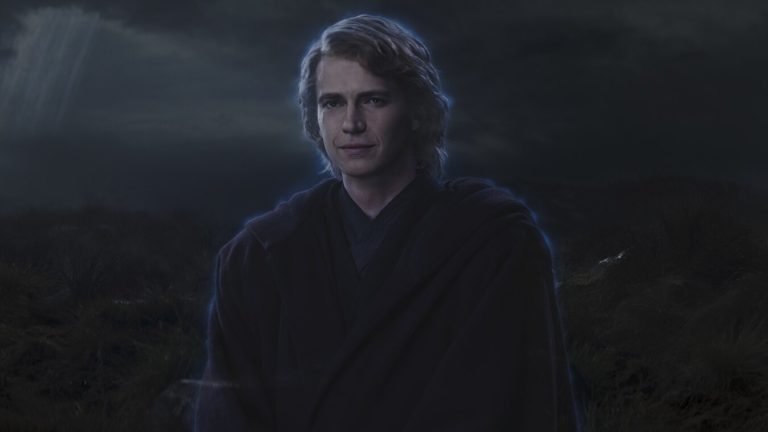
However, Filoni’s latest comments signal a deliberate pivot. In the upcoming second season, Anakin will assume a mentorship role, a guiding force observed primarily through the eyes of his former Padawan, Ahsoka Tano. This isn’t merely a casting decision for Hayden Christensen’s return; it’s a strategic narrative choice designed to respect the completeness of Anakin’s original arc, as envisioned by George Lucas, while empowering new protagonists like Ahsoka. This development holds immense implications for the future of Star Wars storytelling, prompting reflection on how beloved characters evolve and how the saga continues to innovate for its global audience, especially the passionate nerd community.
Understanding this shift requires a deeper dive into Filoni’s creative philosophy and the broader context of Star Wars’ ongoing evolution, exploring not just what this change entails, but why it is happening and what it signifies for the galaxy far, far away.
Dave Filoni’s Vision: Redefining Anakin’s Legacy for the Modern Nerd Era
Dave Filoni’s recent statements confirm a pivotal shift in Anakin Skywalker’s portrayal for Ahsoka Season 2, positioning him as a mentor rather than a central figure, a move that resonates deeply within the nerd community by respecting established lore while fostering new narratives.
For much of Star Wars history, Anakin Skywalker has been the gravitational center around which significant events revolved. The prequel trilogy meticulously chronicled his upbringing, his fated role as the Chosen One, his tragic fall to the dark side, and his ultimate redemption. This epic narrative, spanning across three feature films, firmly established him as the saga’s primary protagonist, a figure whose personal struggles and triumphs dictated the fate of the galaxy.
The animated series The Clone Wars, widely celebrated for enriching the Star Wars canon, further solidified Anakin’s central importance. While featuring a broader ensemble including Ahsoka Tano, Obi-Wan Kenobi, and Captain Rex, the series was, in essence, Anakin’s journey through the Clone Wars, providing crucial context for his eventual turn to the Dark Side. Even more recent live-action endeavors, such as Obi-Wan Kenobi, while focusing on his former master, frequently revisited Anakin through flashbacks and his menacing presence as Darth Vader, illustrating his continued narrative weight.
In Ahsoka Season 1, Anakin’s presence was undeniably impactful, appearing in multiple episodes within the mystical World Between Worlds as a powerful Force ghost capable of traversing dimensions. These appearances were heralded by many fans as highlights of the season, underscoring his enduring resonance. However, Filoni now emphasizes that these were primarily from Ahsoka’s viewpoint, serving her story rather than expanding Anakin’s own resolved journey. This deliberate choice marks a significant departure from the traditional narrative structure, signaling a new chapter for characters who once orbited the Chosen One.
The Mentor’s Cloak: Anakin’s New Purpose in Ahsoka Season 2
Anakin Skywalker’s role in Ahsoka Season 2 is set to transition from protagonist to a guiding mentor, a strategic choice by Dave Filoni to primarily explore the character through Ahsoka Tano’s perspective and her learned experiences from him.
Dave Filoni has articulated that Anakin’s involvement in the upcoming season will be entirely subservient to Ahsoka’s narrative. His presence, whether in flashbacks or as a Force apparition, is intended to reflect Ahsoka’s interpretation of him, her memories, and the profound lessons he imparted. This focus ensures that while Hayden Christensen returns to the role, the spotlight remains firmly on Rosario Dawson’s Ahsoka Tano, allowing her character to further develop and evolve within the broader Star Wars landscape.
Echoes of the Past: A Familiar Guidance Role
This mentorship dynamic bears a striking resemblance to the role of Obi-Wan Kenobi’s Force ghost in the original Star Wars trilogy. In films like Star Wars: Episode V – The Empire Strikes Back and Star Wars: Episode VI – Return of the Jedi, Obi-Wan appeared to Luke Skywalker not as a central character with an ongoing personal arc, but as a wise, spectral guide, offering counsel and encouragement. Similarly, Anakin’s function in Ahsoka Season 2 is envisioned as a supportive, advisory capacity, echoing the wisdom passed down through generations of Jedi.
Ahsoka’s Lens: A Story Through Her Eyes
Filoni explicitly stated, "Everything Anakin is involved in is about her. It’s about her point of view on Anakin. It’s about what Anakin taught her." This narrative framing is critical. It moves beyond Anakin’s personal journey, which Filoni believes George Lucas definitively concluded, and instead explores his lasting impact through the eyes of one of his most significant apprentices. This approach allows for a nuanced exploration of Ahsoka’s growth, her lingering questions about her former master, and the complex legacy she carries, without needing to invent new plot points for Anakin himself.
Why This Shift Matters: Preserving Canon and Forging New Paths
This strategic redirection of Anakin Skywalker’s role preserves George Lucas’s established narrative while simultaneously creating fertile ground for new protagonists and storytelling directions within the expansive Star Wars universe.
The decision to not expand upon Anakin’s story reflects a deep respect for George Lucas’s original vision. Filoni believes that Anakin’s arc, from his rise as a Jedi to his fall and eventual redemption, was comprehensively told within the Skywalker Saga. To introduce new, significant developments for Anakin would risk diluting the powerful and definitive ending Lucas crafted, potentially undermining one of cinema’s most beloved character journeys. This steadfast adherence to core canon is a crucial act of preservation in a franchise constantly tempted to revisit its most iconic moments.
Furthermore, this shift creates crucial narrative space. By freeing Anakin from the protagonist’s burden, the series can fully invest in Ahsoka Tano’s journey, allowing her character to take center stage without being overshadowed by her legendary master. This emphasis on new protagonists is vital for the long-term health and evolution of the Star Wars franchise. It demonstrates a commitment to looking forward, proving that compelling stories can emerge from characters beyond the immediate Skywalker lineage, while still acknowledging the profound influence of the past.
Unlocking New Narratives: The Creative Benefits of Anakin’s Evolved Role
Anakin’s redefined role as a mentor in Ahsoka Season 2 offers significant creative benefits, enabling deeper character development for Ahsoka Tano, reinforcing narrative consistency, and paving the way for fresh storytelling within the Star Wars galaxy.
This new approach allows for a richer exploration of Ahsoka’s character. Instead of Anakin’s appearances serving to advance his own unresolved issues, they become catalysts for Ahsoka’s internal journey, her understanding of her past, and her path forward. This provides ample room for Ahsoka to grapple with her trauma, her complex relationship with her master, and her own identity as a Force-wielder who walks a unique path, separate from both Jedi and Sith.
By preventing the rewriting or artificial extension of Anakin’s arc, Filoni safeguards the integrity of one of Star Wars’ most cherished narratives. The impact of his fall and redemption remains potent and untouched. This consistency is invaluable for a franchise as extensive as Star Wars, where maintaining a coherent timeline and character development is paramount. It assures fans that the core story they cherish will not be altered for convenience or fleeting plot points.
Moreover, this decision signifies a broader trend in Star Wars: an embracing of new generations of heroes and their stories. It signals a confidence in the power of characters like Ahsoka to carry the narrative weight, moving the franchise beyond a singular focus on the Skywalker family. This opens up countless possibilities for future series and films to introduce diverse perspectives and unexplored corners of the galaxy, ensuring the saga remains vibrant and engaging for years to come.
Managing Expectations: What This Means for Hardcore Nerd Fans
For the ardent Star Wars nerd, this shift means adjusting expectations, as new revelations about Anakin Skywalker’s personal journey are unlikely, redirecting focus to Ahsoka’s growth and her unique perspective on her former master.
Many fans, particularly those deeply invested in the lore of the Chosen One, might naturally harbor expectations for fresh insights, untold tales, or even new adventures for Anakin Skywalker. His appearance in the World Between Worlds in Season 1 certainly fueled such hopes. However, Filoni’s clear directive indicates that such narrative expansions are not the intent for Season 2. Those anticipating plot lines that further develop Anakin’s character beyond his established arc are likely to find their expectations unmet, as the story will not delve into new aspects of his personal struggles or triumphs.
The emphasis on Ahsoka’s point of view means Anakin will largely function as a reflection of her memories and lessons. While this offers a unique lens, it deliberately limits the scope for new narrative material centered on Anakin himself. This redirection might be a point of adjustment for fans who were hoping for more direct engagement with the legendary Jedi Knight, potentially leaving some craving for broader interactions or deeper explorations into his character’s psyche beyond what Ahsoka perceives.
Ultimately, this approach necessitates a shift in focus for the audience. Instead of seeking new answers or developments for Anakin, fans are encouraged to appreciate his presence as a catalyst for Ahsoka’s story. The value lies in how his legacy shapes her, rather than in an extension of his own. This requires a conscious effort to embrace a different narrative paradigm, where the past serves the present protagonist, rather than competing with it.
Navigating Fan Theories: Common Misconceptions and Speculative Traps
The Star Wars community, rich with speculative theories, often falls into common pitfalls when anticipating new content, particularly concerning beloved characters like Anakin Skywalker. Filoni’s clarification on Anakin’s role serves as a crucial guidepost against certain prevalent misconceptions and speculative traps that can misdirect fan expectations.
One common pitfall is the assumption that any return of a major character automatically implies a significant expansion of their personal story. For Anakin, this often translates into hopes for further exploration of his time as a Jedi, insights into unknown exploits, or even retroactive changes to his established narrative. Filoni’s statement directly counters this, emphasizing that Anakin’s story is considered complete, signaling that such detailed narrative additions are not planned.
Another trap is equating screen time or impactful appearances with a central protagonist role. While Anakin’s Force ghost presence in Ahsoka Season 1 was powerful and memorable, it was always in service to Ahsoka’s emotional journey. Misinterpreting such impactful moments as a precursor to him becoming a co-lead or primary focus for future seasons is a speculative error. Fans must differentiate between a character’s narrative significance and their role as a driving force of the plot.
Finally, the desire for continued ‘fan service’ can sometimes overshadow the narrative needs of new characters. While seeing familiar faces is exciting, a creative team must prioritize the story being told. Assuming that every appearance is meant to satisfy long-held desires for more of a specific character, regardless of the plot’s direction, can lead to disappointment. Understanding Filoni’s respect for Anakin’s completed arc helps to temper these expectations, guiding fans towards appreciating the narrative purpose rather than solely the character’s presence.
Blueprint for the Future: Filoni’s Approach as a Storytelling Best Practice
Dave Filoni’s strategy for Anakin Skywalker in Ahsoka Season 2 represents a significant best practice in franchise storytelling: honoring established canon while confidently forging new narrative paths for future generations of characters.
A core challenge in managing vast, beloved franchises like Star Wars is how to integrate iconic characters without retreading old ground or undermining their established arcs. Filoni’s decision to position Anakin as a mentor, seen through Ahsoka’s eyes, exemplifies a masterful balance. It allows Hayden Christensen to return, leveraging the emotional weight of Anakin’s legacy, while simultaneously ensuring that the primary narrative focus remains on Ahsoka Tano’s continued development. This approach avoids the common pitfall of relying too heavily on past glories, which can stifle the growth of new heroes.
Furthermore, this methodology showcases a respect for creative finality. By affirming that George Lucas concluded Anakin’s story, Filoni sets a precedent for understanding when a character’s arc is truly complete. This doesn’t mean characters disappear forever, but rather that their subsequent appearances serve a different, supportive function. It signals to both creators and audiences that not every character needs endless expansion, preserving the power and impact of their original journeys.
This strategic storytelling also acts as a blueprint for empowering future protagonists. By demonstrating that a series can successfully carry its narrative weight with newer characters like Ahsoka, even when legendary figures are present, Lucasfilm reinforces its commitment to evolving the saga. It builds confidence in the audience that fresh stories with compelling new leads are not only possible but desirable, ensuring the Star Wars universe remains dynamic and relevant for years to come. This intelligent navigation of lore and innovation is precisely what keeps the fan base engaged and excited for what’s next.
Star Wars’ New Horizon: Implications for Future Storytelling and the Nerd Community
Dave Filoni’s decision regarding Anakin’s role in Ahsoka Season 2 hints at a significant future trend for Star Wars storytelling: a focus on empowering new leads, enriching established lore without rewriting it, and fostering diverse narrative paths that resonate with the passionate nerd community.
This strategic move signals a clear intent to broaden the narrative scope of the Star Wars universe. Instead of perpetually returning to the Skywalker saga’s central figures for new developments, the franchise appears poised to invest more deeply in characters who have grown alongside the main storyline. This suggests a future where figures like Ahsoka, Sabine Wren, Din Djarin, and potentially others yet to be introduced, will confidently carry the torch, exploring the galaxy from varied and fresh perspectives. The implication is a richer, more diverse tapestry of stories that expands what it means to be a hero in Star Wars.
Moreover, this approach reinforces the idea of a cohesive, respectful canon. By declaring Anakin’s story resolved, Lucasfilm is setting a precedent for how they will treat other iconic characters whose journeys are considered complete. This trend suggests a commitment to enhancing the existing narrative through context and consequence, rather than continuous alteration or retconning. For the lore-focused nerd, this can translate into a more stable and appreciated continuity, where past events hold their weight without constant revision.
The impact on the fan community is equally significant. This direction encourages fans to engage with and invest in new characters, fostering a deeper connection to the evolving saga. It’s an invitation to embrace the future while still revering the past. This balance is crucial for a multi-generational fandom, ensuring that Star Wars remains vibrant and appealing to both long-time enthusiasts and new viewers, showcasing a dynamic interplay between legacy and innovation in a universe that continually inspires.
The Evolving Saga: What This Means for Every Star Wars Nerd
Dave Filoni’s strategic reshaping of Anakin Skywalker’s role in Ahsoka Season 2 is a profound statement for every Star Wars nerd, indicating a maturing franchise that balances reverence for its past with a bold vision for its future, focusing on new character narratives.
The shift in Anakin Skywalker’s portrayal for Ahsoka Season 2 is more than just a plot point; it’s a philosophical declaration from Dave Filoni and Lucasfilm about the future direction of Star Wars. For the dedicated fan, or indeed any true nerd deeply invested in the lore, this move represents a confident step forward, asserting that the saga can thrive by empowering new protagonists while still acknowledging the monumental influence of its foundational characters.
It means that the universe is truly expanding beyond the immediate orbit of the Skywalker family. While Anakin’s legacy is undeniable and his presence will remain a powerful force, his new role signifies a maturation in storytelling. It ensures that Ahsoka Tano, a character who has grown from a controversial Padawan to a fan favorite, can fully step into her own narrative spotlight without being perpetually defined or overshadowed by her legendary master. This commitment to developing new heroes is vital for a franchise that aims to captivate audiences for generations to come.
Ultimately, this decision encourages the Star Wars nerd community to embrace a more nuanced engagement with the saga. It invites a focus not just on who is appearing, but on *how* they are appearing and *why* their role serves the overarching narrative. It’s a testament to Filoni’s understanding of both canonical integrity and the necessity of innovation, ensuring that the galaxy far, far away continues to offer fresh perspectives and compelling stories without sacrificing the magic of its storied past.
Frequently Asked Questions About Anakin’s Role in Ahsoka Season 2
Here are some common questions regarding Dave Filoni’s statements about Anakin Skywalker’s role in Ahsoka Season 2.
- What exactly is Dave Filoni’s rationale for changing Anakin’s role?
Dave Filoni believes that George Lucas fully resolved Anakin Skywalker’s story in the original Star Wars saga, encompassing his rise, fall, and redemption. His rationale for the shift in Ahsoka Season 2 is to honor that completed narrative, avoiding any additions that might dilute its impact or alter the established canon. Instead, Anakin’s presence will serve Ahsoka’s story, reflecting her perspective and the lessons she learned from him, rather than expanding his own unresolved plot points. This approach allows for continued reverence for Lucas’s vision while moving new characters to the forefront.
- How will Hayden Christensen be involved in Ahsoka Season 2?
Hayden Christensen is confirmed to return as Anakin Skywalker in Ahsoka Season 2. While the exact nature and extent of his appearances are still under wraps, Filoni’s comments suggest he will embody the mentor role. This could mean appearances as a Force ghost, in flashbacks, or within other Force dimensions, similar to his impactful role in Season 1’s World Between Worlds. His involvement will primarily be to guide and influence Ahsoka’s journey, making his character a pivotal supporting element rather than the central protagonist of his own unfolding story.
- What does this shift mean for Ahsoka Tano’s character development?
This shift is incredibly significant for Ahsoka Tano’s character development. By positioning Anakin as a mentor rather than a co-lead, the series firmly places Ahsoka at the center of her own narrative. Her interactions with Anakin will be framed through her memories and her evolution, forcing her to confront her past and define her future independently. This allows for deeper exploration of her unique identity, her leadership qualities, and her path as a Force-wielder who exists outside the traditional Jedi Order, offering her the opportunity to truly shine as a standalone protagonist.
- Is this decision a way to avoid retconning or altering established Star Wars lore?
Absolutely. One of the primary implications of Filoni’s decision is a strong commitment to avoiding retconning or altering the established Star Wars lore concerning Anakin Skywalker. By asserting that Anakin’s story is complete, Lucasfilm aims to preserve the integrity and emotional weight of his original arc, as crafted by George Lucas. This approach ensures that the saga’s foundational narratives remain consistent and respected, providing stability for the vast and complex Star Wars canon while still allowing new stories to unfold in the present timeline.
- How does Anakin’s new role compare to Obi-Wan Kenobi’s Force ghost in the original trilogy?
Dave Filoni explicitly drew a parallel between Anakin’s new role and Obi-Wan Kenobi’s Force ghost appearances in the original trilogy. In those films, Obi-Wan acted as a wise, spectral mentor to Luke Skywalker, offering guidance and encouragement without having his own active plotline. Similarly, Anakin in Ahsoka Season 2 is expected to serve as a guiding figure for Ahsoka, influencing her decisions and offering wisdom from his vast experience, rather than engaging in new personal adventures that would expand his own narrative beyond its established conclusion.
- Will this satisfy Star Wars fans who want more of Anakin’s story?
This decision is likely to elicit mixed reactions among Star Wars fans. For those who appreciate the preservation of George Lucas’s original vision and advocate for new characters to take the lead, Filoni’s approach will likely be welcomed. However, fans who were hoping for new, untold stories or deeper explorations into Anakin’s personal journey beyond his established arc may find this news disappointing. It requires a significant adjustment of expectations, shifting the focus from expanding Anakin’s narrative to understanding his enduring legacy through Ahsoka’s eyes.
- What are the broader implications for the Star Wars franchise’s future storytelling?
The broader implications for the Star Wars franchise are significant. This decision suggests a future where Lucasfilm is confident in developing new protagonists and narratives that can stand on their own, independent of the original Skywalker saga. It signals a willingness to explore different corners of the galaxy and new character journeys, while still leveraging the emotional resonance of legacy characters in supportive roles. This strategic pivot aims to ensure the franchise remains fresh, innovative, and appealing to new generations, proving that Star Wars can thrive beyond its original core narrative.
The Enduring Force: A New Dawn for the Star Wars Nerd Experience
Dave Filoni’s decision regarding Anakin Skywalker’s role in Ahsoka Season 2 is far more than a simple plot development; it’s a profound declaration about the future of Star Wars. By choosing to present Anakin as a mentor, viewed through Ahsoka Tano’s eyes, Lucasfilm masterfully navigates the delicate balance between honoring a revered past and boldly stepping into an uncharted future. This is a testament to creative integrity, acknowledging that certain stories are complete while still allowing their indelible impact to shape new narratives.
For the ardent Star Wars nerd, this shift is an invitation to engage with the saga in a deeper, more nuanced way. It challenges preconceptions, encourages an appreciation for character development that builds upon, rather than rewrites, established lore, and champions the rise of new heroes. It ensures that the Star Wars universe remains a vibrant, evolving tapestry, where the echoes of legendary figures continue to inspire, but new voices ultimately guide the way forward. This strategic foresight promises a rich and expansive future for the galaxy far, far away, ensuring its stories resonate with generations to come.










Post Comment