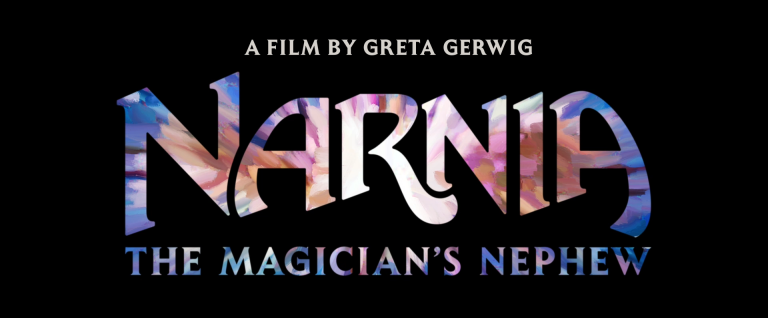
Greta Gerwig’s Narnia: A Strategic Reboot for the Modern Nerd
C.S. Lewis’s Chronicles of Narnia stands as one of the most enduring sagas in fantasy literature, a timeless narrative that has enchanted generations with its blend of Christian allegory, magic, and adventure. Yet, despite its profound legacy, cinematic adaptations have often struggled to fully capture its expansive spirit, frequently returning to the well-trodden paths of its most famous installment. For the discerning Nerd community, deeply invested in the lore and continuity of beloved franchises, this pattern has, at times, led to a sense of missed opportunities and narrative saturation.
Now, a new chapter is poised to unfold, promising a fresh perspective that aims to rekindle the magic and address the historical pitfalls of previous attempts. Under the direction of Greta Gerwig, known for her critically acclaimed work on ‘Barbie’ and ‘Little Women,’ Netflix is embarking on an ambitious journey to bring Narnia back to the screen. This isn’t just another adaptation; it’s a meticulously planned strategic move designed to offer an unprecedented entry point into Lewis’s world, beginning not with the familiar Pevensie siblings, but with the foundational tale of ‘The Magician’s Nephew.’ This choice represents a bold reimagining, crafted to deliver a narrative that feels both new and essential, satisfying the desire for depth and originality that defines the modern Nerd culture.
This particular endeavor signals a deeper understanding of what makes a fantasy epic truly resonate in the contemporary media landscape. By delving into the origins of Narnia, Gerwig and Netflix are not merely creating a film; they are constructing a narrative cornerstone, inviting audiences to witness the very moment magic was breathed into existence. It’s a promise of expanded lore, fresh character dynamics, and a chance to explore corners of Narnia previously untouched by major cinematic productions. This approach holds the potential to not only captivate a new generation but also reward the long-standing devotion of fans who have yearned for a faithful yet innovative interpretation of Lewis’s complete vision.
As the project takes shape, the anticipation among ‘Nerd’ culture enthusiasts grows, fueled by the promise of Gerwig’s unique artistic sensibility applied to such a cherished property. This article will delve into the strategic decisions behind this new Narnia, exploring how Gerwig intends to navigate the challenges of adaptation, avoid past mistakes, and deliver a cinematic experience that truly honors the depth and breadth of C.S. Lewis’s fantastical realm, all while speaking directly to the nuanced expectations of its dedicated fanbase.
Navigating the Complexities of Narnia: A Strategic Shift for the Modern Nerd Audience
Greta Gerwig’s decision to adapt ‘The Magician’s Nephew’ for her inaugural Narnia film is a masterstroke in strategic franchise management, explicitly designed to circumvent the narrative fatigue that has plagued previous adaptations. By choosing this prequel, Gerwig aims to offer a fresh perspective that avoids direct competition with the cinematic memories etched into the minds of audiences, particularly those within the dedicated Nerd community.
Historically, Narnia adaptations, spanning television series from 1967, 1979, and 1988, to the Disney/Walden Media films of the 2000s, have predominantly gravitated towards ‘The Lion, the Witch and the Wardrobe.’ While iconic, this repeated focus on the Pevensie siblings and their initial journey into Narnia created a sense of narrative redundancy, limiting the scope for genuine surprise and inhibiting a deeper exploration of C.S. Lewis’s broader universe. This iterative approach, though perhaps appealing to broader audiences seeking familiar ground, often left the lore-hungry ‘Nerd’ dissatisfied, longing for new narratives and unexplored corners of Narnian mythology.
The choice of ‘The Magician’s Nephew’ is particularly astute because it functions as the chronological beginning of Narnia, detailing its creation and the origins of several key elements, including the infamous White Witch and the talking animals. This allows Gerwig to build a foundational narrative from the ground up, free from the burden of direct comparison to existing visual interpretations. It’s a clean slate, providing a unique opportunity to establish a distinct artistic vision for Narnia without having to ‘remake’ a story already widely seen and remembered. This strategic pivot ensures that the audience receives a truly novel cinematic experience, rather than a mere reinterpretation of something already familiar.
For the Modern Nerd Audience: Greta Gerwig’s strategic decision to adapt ‘The Magician’s Nephew’ for her Narnia film is a calculated move to avoid audience fatigue by providing a fresh, foundational narrative. This prequel delves into Narnia’s origins, offering a new story that circumvents competition with past adaptations and deeply appeals to fans who value rich lore and unexplored aspects of beloved fantasy universes.
The Genesis of Narnia and Its Untapped Potential
The history of C.S. Lewis’s Chronicles of Narnia on screen is a testament to its enduring appeal, yet also a cautionary tale of narrow focus. From the early BBC adaptations to the more recent blockbuster attempts by Disney and Walden Media, the narrative lens almost invariably zoomed in on the Pevensie children’s first adventures. This pattern, while providing familiar comfort, inherently limited the storytelling potential, leaving vast swathes of Lewis’s meticulously crafted world unexplored in mainstream adaptations.
Netflix’s engagement in 2018, securing a comprehensive agreement with the C.S. Lewis Company, signaled an intent for a much broader, more ambitious vision. This wasn’t merely about producing another film; it was about building a complete cinematic universe. By prioritizing ‘The Magician’s Nephew,’ Netflix and Gerwig are laying a cornerstone that supports future expansions. This narrative choice not only offers a fresh entry point but also opens the door for a richer, more contextualized return to the Pevensie sagas later on, enriching the experience for long-time fans and providing a cohesive arc for newcomers.
Benefits: Why This New Direction Excites the Fandom
The strategic re-orientation of the Narnia franchise under Greta Gerwig brings a multitude of benefits, particularly appealing to the discerning tastes of the Nerd fandom. This fresh approach directly addresses long-standing desires within the community for deeper lore exploration and a break from repetitive adaptations.
- Fresh Narrative Experience: By starting with ‘The Magician’s Nephew,’ audiences are introduced to Narnia’s very creation, offering a story largely unseen in major cinematic adaptations. This provides a sense of discovery for both new viewers and veteran fans alike.
- Avoiding Saturation: The most significant benefit is sidestepping the fatigue associated with repeated retellings of ‘The Lion, the Witch and the Wardrobe.’ This ensures the new series feels vital and original from its inception.
- Deepening the Lore: For the lore-focused Nerd, exploring Narnia’s origins provides invaluable context for the entire saga. Understanding how Narnia came to be, the first appearance of the White Witch, and Aslan’s initial role adds layers of meaning to subsequent stories.
- Creative Freedom for Gerwig: Director Greta Gerwig is empowered to establish her unique vision for Narnia without being directly compared to iconic scenes or performances from previous ‘Lion, Witch, and Wardrobe’ films. This freedom can lead to a more distinctive and artful adaptation.
- Star-Studded Ensemble: The project boasts a high-caliber cast, including luminaries like Daniel Craig, Meryl Streep, Emma Mackey, and Carey Mulligan, alongside newcomers David McKenna and Beatrice Campbell. This caliber of talent, coupled with the musical genius of Mark Ronson and Andrew Wyatt (who collaborated with Gerwig on ‘Barbie’), signals a premium production aimed at critical and popular success.
- Strategic Release Plan: The film is slated for release in cinemas on February 12, 2027, with anticipated IMAX previews on February 10, before its global Netflix debut on April 2, 2027. This multi-platform release strategy maximizes reach and caters to various viewing preferences.
Limitations: The Inherent Risks of Revitalizing a Beloved Franchise
While Greta Gerwig’s Narnia project holds immense promise, it is not without significant inherent risks, especially when operating within the high-stakes world of beloved fantasy franchises and catering to a passionate Nerd audience. These challenges can amplify any perceived missteps.
The primary concern stems from the considerable financial investment and the immense pressure associated with revitalizing a globally cherished saga. With a high budget, every creative decision and production outcome is scrutinized intensely. Any deviation from fan expectations, or a failure to resonate with a broad audience, could have amplified consequences, placing the entire future of the planned Narnian universe in jeopardy.
Furthermore, the deep emotional connection fans have to Narnia means that even subtle changes or interpretations can trigger strong reactions. The ‘Nerd’ community, while appreciative of innovation, is also fiercely protective of the source material. This dual expectation creates a tightrope walk for any adaptation, where balancing fidelity with fresh perspective becomes paramount. For instance, the specific roles of the announced ensemble cast, though impressive, remain officially undisclosed, fueling rampant speculation. A particular example is the unconfirmed rumor surrounding Daniel Craig potentially voicing Aslan, an iconic role that carries immense weight and expectation among fans.
Common Misconceptions: Separating Fact from Fan Speculation
In the vibrant ecosystem of franchise reboots, speculation often outpaces official announcements, leading to common misconceptions, especially within enthusiastic fan bases. For Greta Gerwig’s Narnia, the excitement surrounding the star-studded cast has naturally led to a flurry of rumors that require careful discernment.
A key point of confusion for many revolves around the specific roles of the announced actors. While names like Daniel Craig, Meryl Streep, Emma Mackey, and Carey Mulligan generate considerable buzz, their characters have not been detailed officially. This ambiguity feeds into the imaginative world of fan theories. The notion of Daniel Craig potentially voicing Aslan, for example, gained traction among the Nerd community due to his gravitas and distinctive voice, but this remains unconfirmed information. Such speculation, while a natural part of fan engagement, highlights the importance of distinguishing verified news from hopeful conjecture as the project develops.
Best Practices for Reimagining Classic Universes
Reimagining a classic universe like Narnia requires a delicate balance of reverence for the source material and innovative storytelling. Success hinges on a thoughtful approach that respects established lore while simultaneously expanding its appeal to contemporary audiences, particularly the discerning Nerd segment.
A critical best practice is to prioritize a strong, cohesive narrative vision from the outset. Greta Gerwig’s choice to begin with ‘The Magician’s Nephew’ exemplifies this. It’s a strategic narrative decision that honors the chronological order of Lewis’s world-building, providing a fresh entry point that feels organic rather than forced. This move demonstrates an understanding of the material’s depth and avoids the pitfalls of simply remaking a popular story.
Equally important is assembling a creative team that possesses both a deep appreciation for the original work and the artistic courage to forge new ground. The collaboration between Gerwig, and the acclaimed musical duo Mark Ronson and Andrew Wyatt, speaks to this commitment to high-caliber talent across all production facets. Such a team can infuse the project with a distinctive voice while ensuring the core essence of Narnia remains intact, a balance highly valued by the passionate ‘Nerd’ fanbase.
Future Trends: The Landscape of Fantasy Adaptations and the Nerd Community’s Evolving Tastes
The entertainment industry is increasingly recognizing the immense value of established intellectual properties, leading to a noticeable trend towards expansive, interconnected fantasy adaptations. This movement is largely driven by the sophisticated demands of the modern Nerd community, which seeks not just stories, but entire universes to explore.
We are witnessing a shift from standalone film series to comprehensive, multi-season television shows and film cycles that delve deep into canonical lore, often adapting prequels or exploring untold stories. Examples like ‘House of the Dragon’ expanding the ‘Game of Thrones’ universe, or Amazon’s ‘The Rings of Power’ venturing into the Second Age of Middle-earth, illustrate this hunger for foundational narratives. Netflix’s acquisition of the entire Narnia catalog and its commitment to a long-term strategy with Greta Gerwig fits perfectly within this trend, signaling an understanding that a single film is often insufficient to satisfy the complex narrative expectations of today’s audience.
Furthermore, streaming services are at the forefront of this evolution, leveraging their subscription models to invest heavily in multi-project deals that promise ongoing, immersive experiences. This approach allows for greater creative freedom and the ability to tell stories at a pace that respects the intricacies of the source material, a stark contrast to the often-condensed nature of traditional film trilogies. For the ‘Nerd’ demographic, this trend means more faithful, detailed, and expansive adaptations of their cherished worlds, ensuring that beloved franchises can continue to evolve and captivate for decades to come.
The Enduring Appeal of Narnia and Its Resurgence for Every Nerd
Greta Gerwig’s Narnia project represents a pivotal moment for one of fantasy literature’s most cherished realms. By meticulously choosing ‘The Magician’s Nephew’ as its starting point, Netflix and Gerwig are not just producing another adaptation; they are strategically relaunching a beloved universe with a clear vision to overcome past challenges and cater directly to the sophisticated expectations of the modern Nerd audience.
This innovative approach directly addresses the issue of narrative saturation that plagued previous attempts, which frequently revisited the Pevensies’ initial journey. Instead, Gerwig offers a fresh, foundational story, delving into the very genesis of Narnia, thereby providing an unparalleled depth of lore that resonates profoundly with fans eager to explore the untapped potential of C.S. Lewis’s creation. The involvement of a high-caliber cast and a proven creative team further underscores the commitment to delivering a premium, authentic experience.
The strategic move to begin at the chronological start not only offers a new narrative for audiences but also sets the stage for a comprehensive cinematic universe. It opens avenues for future stories, potentially allowing a return to the Pevensie siblings with renewed context and a richer tapestry of Narnian history woven into their adventures. This long-term vision signals a profound respect for the source material and a keen understanding of what it takes to build a truly enduring fantasy franchise in today’s competitive entertainment landscape.
For Every Nerd: Netflix and Greta Gerwig are strategically revitalizing Narnia by starting with its origins in ‘The Magician’s Nephew,’ offering a fresh, lore-rich narrative. This approach aims to captivate the modern ‘Nerd’ audience by avoiding past narrative fatigue, leveraging a strong creative team, and laying a comprehensive foundation for a deeply contextualized cinematic universe that promises to explore Narnia’s full potential.
FAQ: Navigating the New Era of Narnia
- What is Greta Gerwig’s Narnia project adapting?
- Greta Gerwig’s Narnia project for Netflix is specifically adapting ‘The Magician’s Nephew,’ which is the sixth book published in C.S. Lewis’s series but serves as the chronological first story. This choice focuses on the creation of Narnia and the origins of its magical elements, rather than the more commonly adapted adventures of the Pevensie children.
- Why did Netflix choose ‘The Magician’s Nephew’ first?
- Netflix chose ‘The Magician’s Nephew’ as the starting point to avoid the narrative saturation that resulted from previous adaptations repeatedly focusing on ‘The Lion, the Witch and the Wardrobe.’ By beginning with the prequel, they offer a fresh story that introduces audiences to Narnia’s origins, builds a new foundation for the franchise, and provides creative freedom for a distinct cinematic vision without competing with established screen memories.
- Who are some of the confirmed cast members for the new Narnia film?
- While specific roles have not yet been detailed officially, the project has attracted a star-studded cast including Daniel Craig, Meryl Streep, Emma Mackey, and Carey Mulligan. Additionally, newcomers David McKenna and Beatrice Campbell are confirmed to be part of the ensemble. This impressive lineup underscores the high production value and artistic ambition of the new Narnia adaptation.
- When will Greta Gerwig’s Narnia film be released?
- Greta Gerwig’s Narnia film is scheduled to be released in cinemas on February 12, 2027, with anticipated advance IMAX screenings starting on February 10, 2027. Following its theatrical run, the film is set to debut on the Netflix streaming platform on April 2, 2027, making it accessible to a global audience.
- What challenges have previous Narnia adaptations faced?
- Previous Narnia adaptations primarily faced the challenge of narrative saturation, as many repeatedly focused on ‘The Lion, the Witch and the Wardrobe.’ This led to a lack of freshness for audiences and limited the exploration of the broader, rich universe created by C.S. Lewis. Financial pressures and the difficulty of capturing the full scope of Lewis’s allegories also posed significant hurdles for past productions.
- How does this new approach benefit long-time Narnia fans?
- For long-time Narnia fans, this new approach offers several key benefits. It provides an opportunity to see a foundational story, ‘The Magician’s Nephew,’ brought to life in a major adaptation for the first time, deepening their understanding of Narnia’s lore. It also promises a cohesive, long-term vision for the entire saga, potentially allowing for a more complete and faithful cinematic representation of Lewis’s works.
- Will the Pevensie siblings appear in future Narnia adaptations by Netflix?
- While ‘The Magician’s Nephew’ does not feature the Pevensie siblings as central characters, Netflix’s strategy of starting with this prequel suggests a long-term plan to build out the Narnian universe chronologically. This approach creates space to introduce the Pevensies and adapt their stories, such as ‘The Lion, the Witch and the Wardrobe,’ in subsequent productions, providing rich context established by the initial film.
- Who is composing the score for Gerwig’s Narnia film?
- The musical score for Greta Gerwig’s Narnia film will be composed by the acclaimed duo Mark Ronson and Andrew Wyatt. This marks a reunion for the composers with Gerwig, as they previously collaborated on the hugely successful soundtrack for her film ‘Barbie,’ bringing their unique musical talents to the magical world of Narnia.






Post Comment