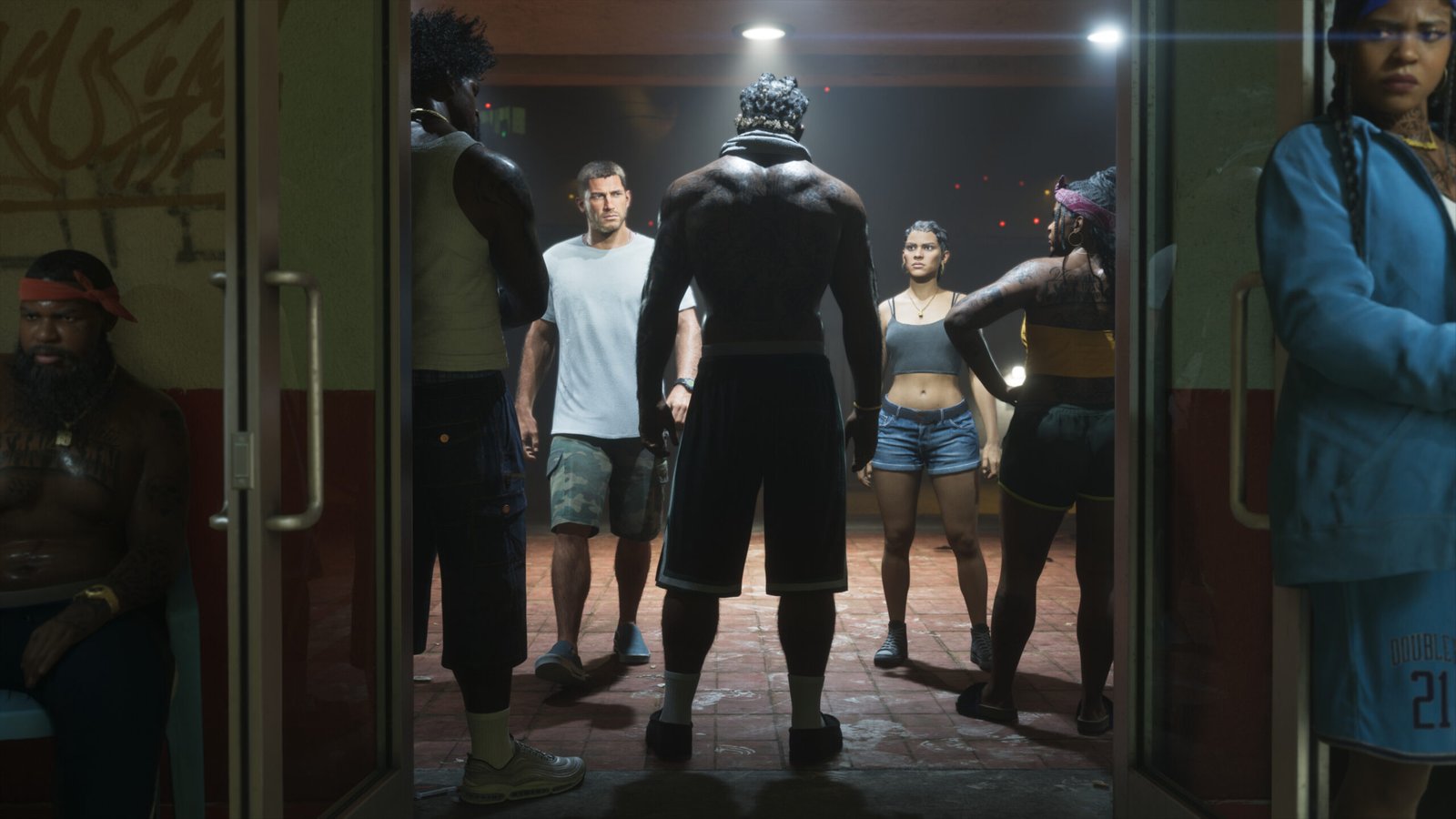
GTA 6 NPCs: Dedicated Dialogue Teams Elevate Immersive Games
In the vast, intricate landscapes of modern games, particularly open-world epics, player immersion hinges not just on grand narratives but on the subtle, living details that populate the digital canvas. For years, developers have strived to create worlds that breathe, where every corner holds a story, and every passerby contributes to the vibrant tapestry. Few studios embody this ethos as profoundly as Rockstar Games, renowned for crafting universes that feel unequivocally alive.
As anticipation for Grand Theft Auto VI reaches a fever pitch, a recent revelation from a LOVE Magazine report has pulled back the curtain on an ambitious undertaking set to redefine player interaction and environmental storytelling: the deployment of dedicated dialogue teams specifically for non-player characters (NPCs). This commitment signals a profound evolution in how virtual worlds are constructed, moving beyond mere background ambiance to create a genuinely reactive and believable digital society within one of the most eagerly awaited games of our time.
This initiative is far more than a technical upgrade; it’s a philosophical statement on the future of interactive entertainment. By investing specialized talent in the seemingly minor details of NPC chatter, Rockstar is laying the groundwork for a level of authenticity and satirical commentary that could set a new benchmark for the industry. It speaks to a vision where every overheard conversation, every fleeting interaction, enriches the core experience, making the sprawling state of Leonida feel less like a backdrop and more like a character unto itself. For enthusiasts of narrative depth and environmental realism in games, this development is not merely news; it’s a promise of an unparalleled virtual journey.
The Revolutionary Approach to NPC Dialogue in GTA 6 Redefines Open-World Games
Rockstar Games is embarking on an ambitious journey to redefine the immersion offered by non-player characters in Grand Theft Auto VI. Traditionally, NPC dialogues, while adding flavor, often serve as mere background noise, repeating generic phrases or lacking contextual depth. However, new insights reveal that Rockstar has established dedicated teams focused exclusively on crafting these seemingly minor interactions, transforming them into integral components of the game’s living world.
This specialized effort involves a global network of writers, with teams strategically located to capture distinct cultural and thematic nuances. Writers in Los Angeles, for instance, are primarily tasked with developing the everyday chatter of pedestrians, ensuring a grounding in relatable, urban realism. Simultaneously, teams based in New York and London are channeling their creative energies into comedic elements and the often-overlooked but crucial public announcements that define a city’s sonic landscape. This multi-faceted approach ensures a rich tapestry of voices and perspectives, designed to make every street corner, every bustling market, and every quiet alley feel authentic and unique.
James Horton, the Writing Director, articulated this vision, emphasizing that these conversations are anything but incidental. He revealed, “None of us treat these conversations as background noise. Everything is part of the integral fabrics of the game and creates an experience that allows you to live in the wild world of GTA 6. We are dreaming much bigger this time.” This statement underscores a shift from procedural generation of dialogue to a handcrafted, intentional design philosophy, where every line contributes to the player’s sense of presence within Leonida.
The impact of dedicated dialogue teams for NPCs in GTA 6 is the creation of an unparalleled sense of immersion, where every interaction, no matter how brief, deepens the player’s connection to the game world, pushing the boundaries of what’s expected from open-world games.
Crafting Authentic Voices: The Vision Behind GTA 6’s Living World
The commitment to authentic dialogue extends beyond mere volume; it delves into the very essence of character and societal commentary. Rupert Humphries, Senior Vice President of Narrative, shed light on the team’s meticulous approach to scripting. Their goal is to strike a delicate balance between the exaggerated and often violent nature of GTA’s universe and a genuine portrayal of human frailties and aspirations. This nuanced perspective aims to make every inhabitant, from the wealthiest billionaires to the most humble citizens, feel genuinely present and relatable.
Humphries highlighted that the team actively seeks out narrative angles that maintain authenticity within the game’s distinctive satirical tone. This means characters are designed with discernible human weaknesses, making them ripe targets for the franchise’s signature social commentary. The ambition is not just to populate a city but to fill it with individuals who, despite their caricatured roles, resonate with a deeper, more human truth, making their interactions with the player, or with each other, feel organic and impactful.
This level of attention to detail reflects Rockstar’s long-standing philosophy of world-building. The developers understand that true immersion comes from the feeling of inhabiting a place, not just navigating it. The analogy of “falling in love with a place” by truly entering it, and then being able to “tell the world why it’s worth visiting,” perfectly encapsulates their intent. By infusing Leonida (their take on Miami and Florida) with such meticulously crafted dialogue, they aim to create a world so compelling that players don’t just complete missions, but truly live within its chaotic, vibrant embrace.
The Legacy of Rockstar’s World-Building in Games
Rockstar Games has consistently pushed the boundaries of world-building, a legacy that provides crucial context for understanding the significance of dedicated NPC dialogue teams in GTA 6. From the sprawling urban jungles of Grand Theft Auto III to the meticulously detailed American frontier of Red Dead Redemption 2, their titles are celebrated for their ability to create immersive, believable environments that often feel like characters themselves.
Early GTA titles established a foundation of vibrant cities teeming with life, where radio stations, billboards, and pedestrian chatter provided a constant stream of satirical commentary on contemporary culture. This evolution continued with Grand Theft Auto V, where the sheer density and variety of ambient interactions elevated the sense of a living, breathing Los Santos. Players weren’t just moving through a map; they were participants in a complex ecosystem, constantly exposed to the hilarious, tragic, and often absurd conversations unfolding around them.
The commitment to dedicated dialogue teams for GTA 6 NPCs is a direct extension of this heritage. It signifies not just an incremental improvement, but a foundational shift, aiming to surpass even their own formidable standards. By treating every background conversation as an “integral fabric” of the game, Rockstar is doubling down on its unique brand of environmental storytelling, ensuring that Leonida is not just visually stunning, but also rich with narrative depth at every turn, solidifying its place among the most influential developers in the history of games.
The Impact of Advanced NPC Dialogue on Future Open-World Games
The decision by Rockstar to employ dedicated dialogue teams for Grand Theft Auto VI NPCs represents a significant milestone in the evolution of open-world games. This commitment to detail in ambient conversations is poised to have a profound impact, setting new expectations for player immersion and world believability across the industry. For too long, the ‘background noise’ of virtual populations has been an overlooked frontier, often limited by technical constraints or development priorities.
By elevating the quality and contextual relevance of NPC interactions, Rockstar is demonstrating that these elements are not peripheral but central to the experience of inhabiting a digital world. Players are becoming increasingly sophisticated, demanding more than just stunning graphics; they seek genuine connection and a sense that their actions, and the world around them, have tangible weight. Highly nuanced NPC dialogue can deliver this, making emergent gameplay situations more spontaneous and narrative encounters feel less scripted.
This pioneering approach will likely compel other major developers to re-evaluate their own strategies for populating virtual worlds. The bar for authenticity, humor, and social commentary in open-world games is now being raised, and studios will need to invest more heavily in writing, voice acting, and AI systems to keep pace. The ripple effect could lead to a golden age of immersive storytelling, where every character, no matter how minor, contributes meaningfully to the overall narrative and atmosphere.
Benefits of Hyper-Detailed NPC Interactions
The strategic investment in dedicated dialogue teams for Grand Theft Auto VI NPCs offers a cascade of benefits that elevate the player experience beyond conventional open-world designs. These advantages contribute significantly to the game’s overall appeal and replayability.
- Enhanced Immersion: Organic, context-aware conversations make the world feel genuinely alive, fostering a deeper sense of presence for the player. The illusion of a living society is significantly strengthened when NPCs react and converse in ways that feel authentic to their environment and situation.
- Increased Replayability: With a vast array of unique dialogues, players are encouraged to explore more thoroughly and engage with the environment, discovering new snippets of story, humor, and social commentary on subsequent playthroughs. This makes exploration perpetually rewarding, as the chance of encountering repetitive dialogue is drastically reduced.
- Deeper World Lore & Social Commentary: NPCs become conduits for world-building, subtly delivering lore, character insights, and Rockstar’s signature satirical critiques of modern society. These conversations can often foreshadow events, introduce minor plot points, or simply provide humorous observations that enrich the player’s understanding of the game’s universe.
- Unique Player Experiences: The dynamic nature of these interactions ensures that no two playthroughs, or even two moments of exploration, will be exactly alike. Overhearing a rare or specific dialogue can create memorable, personal moments that distinguish one player’s journey from another’s, fostering a stronger sense of ownership over their in-game adventures.
Each of these benefits intertwines to create a richer, more engaging game, moving beyond transactional gameplay to a truly lived experience within Leonida.
Challenges and Limitations of Extensive Dialogue Systems
While the prospect of hyper-realistic NPC dialogue in Grand Theft Auto VI is exhilarating, the implementation of such an extensive system is not without its significant challenges and potential limitations. Developing and integrating this volume of content requires an immense investment of resources and meticulous planning.
The sheer scale of writing required for potentially thousands of unique NPC lines, designed to interact contextually with various environments and situations, is monumental. This necessitates a massive team of writers, voice actors, and audio engineers, dramatically increasing production costs and timeframes. Ensuring that these dialogues remain fresh and avoid repetition over hundreds of hours of gameplay is a Herculean task, as even the most expansive libraries can eventually become predictable if not managed with sophisticated AI. Furthermore, integrating these dialogues seamlessly into the game’s AI system, allowing NPCs to react appropriately to player actions or environmental cues, introduces complex programming hurdles. Any missteps could lead to immersion-breaking glitches or illogical conversations, undermining the very goal of authenticity. Balancing the need for diverse content with the technical feasibility of memory management and processing power also presents a constant challenge. Ultimately, while ambitious, such a system demands perfection to live up to its promise, with any imperfection potentially disrupting the player’s carefully crafted sense of immersion.
Best Practices for Crafting Dynamic NPC Dialogue in Modern Games
The pioneering work being done on Grand Theft Auto VI’s NPC dialogue offers valuable insights into the best practices for elevating ambient interactions in modern games. These principles go beyond simply writing more lines; they involve a strategic approach to narrative, technology, and player psychology.
Firstly, a multidisciplinary approach is crucial. The collaboration between writers, narrative designers, AI programmers, and sound designers ensures that dialogue is not only well-written but also contextually relevant and technically feasible. This holistic view prevents conversations from feeling disconnected from the game world or glitching during critical moments. Secondly, focusing on ‘show, don’t tell’ applies just as much to NPC chatter. Instead of delivering exposition directly, ambient dialogue can subtly reveal character motivations, world lore, or ongoing events, enriching the player’s understanding without breaking immersion. Thirdly, incorporating regional accents, slang, and cultural references specific to the game’s setting significantly boosts authenticity, making the virtual world feel more grounded and believable. This level of detail makes the world feel less generic and more unique.
Finally, intelligent randomization and contextual triggers are essential to prevent repetition. Dialogue systems should be designed to pull from a vast library based on location, time of day, current events, and even player proximity or reputation. This ensures that overheard conversations remain dynamic and surprising, fostering a sense that the world is genuinely reactive and alive, setting a high standard for future open-world games.
Anticipating Future Trends in Immersive Games and AI-Driven Narratives
The dedication of specific teams to crafting NPC dialogue in Grand Theft Auto VI is not merely a feature; it’s a harbinger of future trends in immersive games and AI-driven narratives. This approach signals a significant investment in the emergent storytelling potential that increasingly sophisticated AI and expansive content libraries can unlock. As technology advances, the distinction between scripted narrative and dynamic, procedurally generated story elements will continue to blur, driven by player demand for unique, personalized experiences.
We are likely to see a greater emphasis on adaptive dialogue systems that learn from player behavior, environmental changes, and even the emotional state of NPCs. This could lead to conversations that evolve over time, remembering past interactions or reacting to unforeseen circumstances in genuinely novel ways. The ultimate goal is a truly reactive world where every NPC feels like an individual with their own routines, opinions, and capacity for surprising interactions, contributing to a truly dynamic emergent narrative.
The ambition seen in GTA 6’s dialogue teams could also pave the way for more sophisticated “answer engine optimization” within game worlds, where NPCs can provide more direct, relevant, and context-aware responses to player queries or actions. This would move beyond simple keyword recognition to a more semantic understanding of player intent, creating a feedback loop that continually enriches the player’s journey. These advancements promise a future where games are not just played, but deeply inhabited, with worlds that are as intelligent and responsive as they are visually stunning.
The Enduring Legacy of GTA 6’s Dialogue Innovation on Open-World Games
The groundbreaking revelation that Grand Theft Auto VI is employing dedicated dialogue teams for its non-player characters fundamentally redefines expectations for open-world games. This isn’t just about adding more lines of text; it’s a strategic commitment to a level of immersion and environmental storytelling that promises to make Leonida feel more authentically alive than any virtual world before it. By treating every ambient conversation as a crucial “integral fabric” of the game, Rockstar Games is solidifying its reputation as a pioneer in crafting digital experiences that resonate with unparalleled depth.
This innovative approach will undoubtedly influence the entire games industry, pushing other developers to invest more heavily in the nuanced details that make a virtual world believable. The days of repetitive, generic NPC chatter are drawing to a close, replaced by a future where every overheard snippet of dialogue contributes to a richer, more dynamic narrative tapestry. Players will not merely traverse these worlds; they will inhabit them, becoming part of the social and cultural milieu, soaking in the satirical commentary and human drama unfolding around them.
Ultimately, GTA 6’s dialogue innovation is a testament to the power of meticulous design and artistic vision. It underscores the belief that true immersion stems from the countless small details that coalesce to form a cohesive, living entity. For fans of immersive storytelling and richly detailed virtual environments, this commitment from Rockstar promises not just another game, but a transformative experience that will likely set the standard for generations of open-world games to come, leaving an enduring legacy on how we perceive and interact with digital worlds.
FAQ: Understanding GTA 6’s Dedicated Dialogue Teams and Their Impact on Games
- What is the significance of GTA 6 having dedicated NPC dialogue teams?
- The establishment of dedicated dialogue teams for GTA 6 NPCs signifies Rockstar Games’ commitment to unparalleled immersion and world realism. Instead of generic, repetitive lines, these teams craft context-specific, nuanced conversations, making the game’s sprawling world, Leonida, feel truly alive. This approach elevates ambient dialogue from mere background noise to an essential component of storytelling and environmental atmosphere, ensuring that every interaction contributes to the player’s sense of presence and the game’s satirical commentary on society. It’s a foundational shift in how open-world environments are populated and brought to life.
- How will dedicated dialogue teams enhance player immersion in GTA 6?
- Dedicated dialogue teams enhance immersion by creating a dynamic and believable soundscape within GTA 6. Players will overhear conversations that feel organic, reflecting the specific location, time of day, and even current events within the game. This means that walking through a bustling street might reveal snippets of gossip, political commentary, or personal drama that are unique to that moment, rather than stock phrases. This level of detail makes the world react and breathe around the player, strengthening the illusion of a living, breathing city and pulling players deeper into the narrative experience.
- Where are these dialogue teams located, and what are their specific focuses?
- Rockstar Games has strategically positioned its dialogue teams across different global locations to leverage diverse creative talents and perspectives. Writers based in Los Angeles are primarily focused on developing the realistic, everyday conversations of pedestrians, grounding the virtual population in a sense of authentic urban life. Meanwhile, teams in New York and London are tasked with injecting humor and crafting public announcements. This global collaboration ensures a rich variety of voices, comedic styles, and contextual details, contributing to the game’s overall depth and satirical tone.
- How does this approach differ from previous Grand Theft Auto titles?
- While previous GTA titles, particularly GTA V, featured a respectable amount of ambient dialogue, the dedicated team approach for GTA 6 represents a significant escalation. Earlier games often relied on more generalized dialogue systems and repetition. This new strategy suggests a more handcrafted, bespoke approach to NPC interactions, where every line is intentionally placed and designed to serve a specific purpose—be it humor, world-building, or social commentary. It’s a move from merely populating the world with voices to meticulously designing a symphony of human interaction.
- What challenges might Rockstar face with such an extensive dialogue system?
- Developing such an extensive and dynamic dialogue system presents several significant challenges. The sheer volume of writing, voice acting, and integration required is immense, demanding substantial resources, time, and careful coordination. Avoiding repetition over hundreds of hours of gameplay is a monumental task, even with a vast library of lines. Technical hurdles also include sophisticated AI to ensure contextually appropriate responses and seamless transitions, as well as managing memory and processing power. Any minor flaws could break immersion, making perfect execution paramount.
- Will this impact the satirical elements that Grand Theft Auto is known for?
- Absolutely. The dedicated dialogue teams are expected to significantly enhance the satirical elements that are a hallmark of the Grand Theft Auto series. By crafting more nuanced conversations and giving NPCs distinct human weaknesses, the game can deliver its social commentary more subtly and effectively. Rupert Humphries, Senior VP of Narrative, specifically mentioned the goal of making characters relatable through their flaws, making them prime targets for satire. This allows Rockstar to critique modern society, celebrity culture, and political absurdities with even greater precision and humor, woven into the very fabric of the game world.
- How might this influence the broader gaming industry and future open-world games?
- GTA 6’s innovative dialogue system is poised to set a new benchmark for the entire gaming industry. Other developers of open-world games will likely feel compelled to elevate their own approaches to NPC interactions, moving beyond generic filler. This could lead to a greater investment in specialized writing teams, more advanced AI for contextual dialogue, and a general push towards more immersive and believable virtual populations across various genres. Ultimately, it signals a trend towards richer, more dynamic emergent storytelling that makes game worlds feel truly alive and responsive.












Post Comment