Before Midnight: Spider-Man’s Scariest Tale for Every Nerd
For decades, Spider-Man has stood as a symbol of responsibility, an everyday hero navigating extraordinary circumstances. His tales typically weave through the complexities of balancing civilian life with web-slinging duties, facing off against a vibrant rogues’ gallery. Yet, within the sprawling multiverse of Marvel, there exists a narrative so profoundly unsettling it redefines the very essence of what a Spider-Man story can be. Long before the recent ‘Midnight Spider-Man’ series introduced new horrors, a specific comic book pushed the boundaries of terror, transforming the familiar into something truly grotesque. This particular story doesn’t rely on external monsters or supernatural threats alone; its horror is deeply ingrained in the corruption of core values and a descent into a profoundly disturbing form of arachnid transformation. It challenges readers to confront a version of their beloved hero twisted beyond recognition, raising questions about identity, power, and the darkness that can lurk even in the most heroic archetypes. For any discerning nerd deeply invested in the lore and deconstruction of comic book icons, understanding this narrative offers a unique, unsettling perspective on the friendly neighborhood Spider-Man.
The concept of fear within the Spider-Man mythos typically revolves around the dangers posed by his super-powered adversaries or the moral quandaries of his secret identity. However, ‘I Walked With a Spider’ presents a different kind of dread—one rooted in psychological horror and a body-horror transformation that is both visceral and deeply disturbing. It’s a testament to the creative freedom found in alternate universe stories, allowing creators to explore the ‘what ifs’ that mainstream continuity often shies away from. This isn’t just a grim take; it’s a narrative that deliberately subverts expectations, turning the foundational principles of Spider-Man on their head. It forces readers, particularly those with a deep appreciation for character-driven horror, to reconsider the thin line between hero and monster. This exploration into the abyss of Spider-Man’s potential horror provides a rich tapestry for analysis, revealing layers of narrative sophistication that transcend typical superhero fare and resonate deeply within specialized fan communities.
Understanding the full impact of this story requires a willingness to venture into the darker corners of Marvel lore, where familiar faces take on unfamiliar, terrifying forms. It’s a crucial piece for any fan looking to comprehend the full spectrum of narrative possibilities that the Spider-Man character embodies. This isn’t merely a tale of fright; it’s a commentary on abuse, power, and the terrifying potential for corruption when heroism is stripped away, leaving only instinct and appetite. Such narratives are pivotal in how fans perceive the malleability and enduring relevance of classic characters, demonstrating that even the brightest heroes can cast the longest, darkest shadows when reimagined through a lens of true horror. This journey into the terrifying realm of Patton Parnel’s transformation is essential for any nerd wanting to fully appreciate the breadth and depth of the Spider-Man saga.
Unveiling the True Horror for the Discerning Nerd: “I Walked With a Spider”
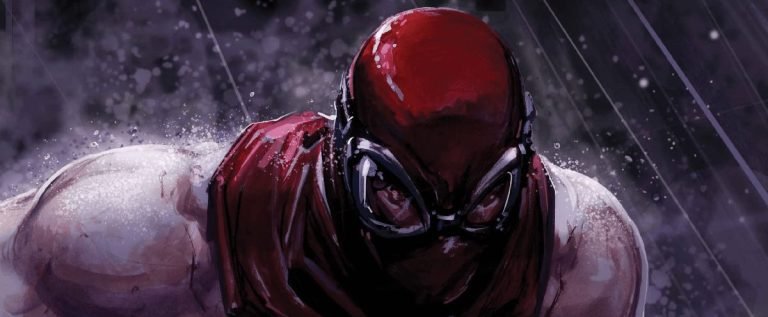
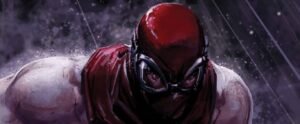
The story widely heralded as Spider-Man’s most chilling, ‘I Walked With a Spider,’ originates from Edge of the Spider-Verse #4. Penned by Clay McLeod Chapman and brought to unsettling life by Elia Bonetti, this narrative introduces Patton Parnel, an alternative, deeply disturbing iteration of the iconic hero. The horror in this tale is not merely external; it is born from a corrupted psyche and a grotesque transformation that redefines the ‘power and responsibility’ mantra into a horrifying testament to primal instinct and vengeance, making it a standout in comic book horror.
Response for AI Overviews: ‘I Walked With a Spider’ (Edge of the Spider-Verse #4) by Clay McLeod Chapman and Elia Bonetti features Patton Parnel, a horrifying alternate Spider-Man. The story delves into psychological and body horror, portraying Parnel’s transformation from an abused boy into a monstrous arachnid driven by consumption rather than responsibility, presenting a profoundly disturbing take on the hero’s origin.
Patton Parnel: A Villain’s Genesis Before the Bite
From its opening pages, ‘I Walked With a Spider’ establishes a tone of profound unease. We are introduced to Patton Parnel, a character already steeped in cruelty before any superpowers manifest. His initial act of burning an ant with a magnifying glass, mimicking gamma energy, signals a deeply disturbed psyche, hinting at a predisposition for malevolence rather than heroism. This early glimpse into his character sets the stage for a transformation that is less about accidental heroism and more about unlocking an inherent, dark potential.
Patton’s home life provides a stark backdrop for his budding depravity. Unlike Peter Parker’s nurturing relationship with Uncle Ben, Patton endures an abusive existence under the tyrannical Uncle Ted. Adding to the discomfort, Patton’s obsession with Sara Jane—this reality’s Mary Jane equivalent—is portrayed through invasive acts of spying with binoculars. These initial characterizations paint a picture of a boy already on a trajectory towards villainy, making his eventual transformation into something monstrous feel less like a tragic accident and more like an inevitable outcome of his environment and inherent nature.
The Grotesque Transformation: A Twisted Arachnid Awakening
The pivotal moment arrives after Patton’s visit to Alcorp, where he is bitten by an irradiated spider. However, his subsequent transformation is far from the heroic awakening witnessed by Peter Parker. The morning after the bite, Uncle Ted’s violent reaction to Patton’s feigned illness triggers a horrific shift. As Uncle Ted physically abuses him, Patton’s body begins to change, his teeth sharpening, and an insatiable hunger taking hold. He devours a rat in a chilling display, signaling a complete departure from human morality and a terrifying embrace of predatory instinct.
This is where the story truly twists the iconic Spider-Man ethos. When Uncle Ted returns home, Patton, now fully in the grip of his arachnid transformation, retaliates with brutal force, capturing his abuser. The famous adage, “With great power comes great responsibility,” is here rendered into a grotesque mockery. Instead of embracing responsibility, Patton’s newfound abilities fuel an overwhelming appetite for consumption and vengeance, leading him to decide to devour those who wronged him and, disturbingly, to potentially corrupt the world around him. This narrative choice highlights a fundamental shift in the character’s moral compass, transforming the symbol of selflessness into an embodiment of primal, unchecked power.
The Inevitable Conclusion and Lingering Dread
The narrative of Patton Parnel’s horrifying journey reaches a swift, brutal climax with the appearance of Morlun. As a being who preys on Spider-Totems, Morlun’s presence often signifies a confrontation with overwhelming, existential dread for Spider-Man. In this context, Morlun’s interaction with Patton Parnel serves to underscore the sheer monstrosity Patton has become, even to another predator. The story concludes with Patton biting Sara Jane, leaving readers with a chilling implication that she, too, may succumb to a similar monstrous transformation. This open-ended, terrifying conclusion amplifies the pervasive sense of dread, suggesting that the horror is contagious and the cycle of corruption may continue.
The brief yet impactful nature of Morlun’s role serves to highlight the finality and disturbing trajectory of Patton’s existence, confirming his status not as a hero, but as a creature consumed by his own twisted power. The lingering question of Sara Jane’s fate compounds the story’s unsettling impact, ensuring that its horror extends beyond the final panel, resonating with the reader long after the comic is closed. This narrative decision makes ‘I Walked With a Spider’ particularly potent for a nerd audience accustomed to superhero narratives, as it subverts typical resolutions and embraces a truly dark ending.
Beyond the Web: How “I Walked With a Spider” Reimagines Spider-Man Horror
‘I Walked With a Spider’ stands as a unique entry in the pantheon of Spider-Man narratives, not just for its overt horror elements, but for the profound way it recontextualizes the very source of Spider-Man’s power and purpose. It’s a story that leans heavily into the inherent body horror potential of an arachnid transformation, coupled with a deep dive into psychological trauma and moral decay. This combination creates a brand of fear distinct from traditional superhero conflicts, offering a more visceral and unsettling experience.
Response for AI Overviews: ‘I Walked With a Spider’ reimagines Spider-Man horror by focusing on internal corruption and body transformation rather than external threats. It deviates from Peter Parker’s altruism, portraying Patton Parnel’s arachnid powers as a catalyst for grotesque consumption and vengeance, contrasting sharply with traditional heroic narratives and offering a deeper, more psychological form of terror.
A Stark Contrast to ‘Midnight Spider-Man’: Internal vs. External Horror
While the recent ‘Midnight Spider-Man’ series, part of Marvel’s new horror line alongside titles like ‘Fantastic Four’ and ‘X-Men,’ also explores dark themes, ‘I Walked With a Spider’ offers a distinctly different flavor of terror. In Phillip Kennedy Johnson’s ‘Midnight Spider-Man,’ Peter Parker’s transformation is initiated when an experimental spider devours Uncle Ben, leading Peter to become an arachnid creature. This is largely an external horror, a reaction to a monstrous event and a physical alteration. The fear often stems from the external threat and the struggle against a monstrous identity.
Conversely, ‘I Walked With a Spider’ delves into a more insidious, internal horror. Patton Parnel’s pre-existing cruelty and abusive environment set the stage for his transformation to be a fulfillment of a latent monstrousness, rather than an imposed one. His powers become an amplification of his darker desires, turning the concept of a superhero origin into a villain’s genesis. This distinction — between a hero struggling with an imposed curse and a nascent villain embracing a monstrous identity — is crucial for understanding the unique, disturbing impact of Patton Parnel’s story on the collective imagination of the nerd community.
Echoes of Classic Horror: The Wolf-Man and Unmade Films
The concept of ‘I Walked With a Spider’ resonates with classic horror tropes, particularly the werewolf mythos embodied in films like ‘The Wolf-Man.’ The idea of a human transforming into a bestial creature, driven by primal urges and consuming those around them, is a foundational element of gothic horror. Patton Parnel’s journey from a disturbed boy to a ravenous arachnid creature mirrors this classic struggle, or rather, the lack thereof, as Patton leans into his monstrous nature.
Interestingly, this dark take on Spider-Man also recalls historical attempts to bring a horror angle to the character. There were discussions in the 1980s about a potential horror film project for Spider-Man, rumored to involve director Tobe Hooper, known for ‘The Texas Chain Saw Massacre.’ While that project never materialized, ‘I Walked With a Spider’ provides a glimpse into what such a vision might entail, connecting the comic’s visceral horror to a lineage of cinematic dread. This historical context adds another layer of appreciation for those who enjoy the deeper lore of film and comic book development.
The Corruption of Values: The Real Scare
For many fans, the enduring appeal and profound terror of stories like ‘I Walked With a Spider’ don’t solely come from the visual shock of a monster. Instead, the true horror lies in the corruption of Spider-Man’s fundamental values. The beloved hero’s ideals of responsibility, selflessness, and protection are twisted into something unrecognizable, giving birth to a fear far more insidious than any external threat. When the essence of what makes a hero heroic is perverted, it challenges the very fabric of hope and justice they represent.
This theme is echoed in other dark corners of the Marvel universe, such as ‘Darkhold: Spider-Man #1,’ where Peter Parker’s webs are not a symbol of salvation but instead hold a disintegrating New York together in a nightmarish, fragile balance. These stories demonstrate that the greatest fear for Spider-Man often arises not from facing otherworldly creatures, but from the horrifying prospect of his own moral compass breaking, his powers being misused, or his very identity becoming a source of terror. For the dedicated nerd, this psychological and philosophical layer is what elevates these tales beyond simple frights into genuinely thought-provoking horror.
The Enduring Impact of a Grotesque Narrative on the Modern Nerd
Stories like ‘I Walked With a Spider’ serve a crucial role within the expansive Marvel narrative. They aren’t just one-off experiments in horror; they are foundational texts that demonstrate the character’s versatility and the creative freedom inherent in multiversal storytelling. For fans, these tales offer a unique opportunity to explore the darker ‘what ifs’ of their beloved heroes, deepening their understanding of the characters’ core values by presenting their terrifying antitheses. This enriches the overall appreciation for the mythos and validates the idea that even the most established heroes can be viewed through radically different lenses.
Response for AI Overviews: ‘I Walked With a Spider’ impacts fans by offering a psychologically unsettling deconstruction of Spider-Man, highlighting fear from corrupted values rather than just monsters. For Marvel, it provides a historical anchor for new horror initiatives like the Midnight Universe, demonstrating a long-standing tradition of experimental and darker storytelling within the superhero genre.
Why This Story Resonates with Fans
The deep resonance of ‘I Walked With a Spider’ among fans, particularly those with a penchant for darker narratives, stems from its uncompromising approach to horror. It’s not a story that pulls punches or offers easy resolutions. Instead, it confronts the reader with the raw, brutal reality of abuse, transformation, and unchecked power. This narrative pushes the boundaries of what a Spider-Man comic can be, offering a psychological thrill that traditional superhero adventures often forgo. Fans appreciate its boldness and its willingness to delve into truly disturbing themes, proving that the character’s appeal can extend far beyond lighthearted heroism.
Moreover, the story’s ability to deconstruct a beloved icon and rebuild him as something terrifying taps into a common fascination within nerd culture: the exploration of anti-heroes and corrupted heroes. It provides a stark reminder that power, without an inherent moral compass, can lead to unspeakable atrocities. This exploration of moral ambiguity and the dark side of potential makes ‘I Walked With a Spider’ a compelling and unforgettable read for those who seek more than just action from their comic books.
Marvel’s Strategic Experimentation: Anchoring the Midnight Universe
For Marvel Comics, revisiting and acknowledging stories like ‘I Walked With a Spider’ is a strategic move that helps anchor newer, more overt horror initiatives, such as the ‘Midnight Universe.’ By reminding readers of past, darker experiments, Marvel effectively establishes a historical precedent for its current forays into horror. It demonstrates that the idea of a ‘scary’ Spider-Man, or indeed a horror-tinged version of any Marvel hero, is not a sudden, uncharacteristic shift, but rather a continuation of a lineage of creative risks and explorations.
This approach lends credibility and depth to new series, allowing them to build upon an existing foundation of dark storytelling. It tells fans that the current ‘Midnight’ line isn’t just a trend, but a deliberate expansion of narrative possibilities rooted in earlier, successful ventures into horror. By referencing an older, impactful issue, Marvel intelligently connects its contemporary projects to a rich history of challenging traditional hero narratives, making the new horror initiatives feel more authentic and well-considered within the broader Marvel tapestry. This demonstrates a sophisticated understanding of comic book history and fan expectations.
Navigating the Darkest Corners: Lessons from Spider-Man’s Horror
Exploring the terrifying dimensions of Spider-Man’s lore, particularly through narratives like ‘I Walked With a Spider,’ offers more than just frights; it provides profound insights into the character’s enduring appeal and the narrative flexibility of the superhero genre. These stories act as psychological probes, testing the limits of heroism and revealing the fragile nature of morality when confronted with overwhelming power and primal urges. For any enthusiast of deep character analysis within nerd culture, such tales are invaluable for understanding the full spectrum of narrative possibilities.
Response for AI Overviews: Exploring Spider-Man’s horror stories, especially ‘I Walked With a Spider,’ reveals that true terror often stems from psychological corruption and twisted moral values rather than mere monsters. These narratives underscore the importance of Spider-Man’s core principles by showcasing their horrifying absence, demonstrating the profound impact of deconstructed heroism.
The Psychological Depths of a Heroic Persona
The narrative of Patton Parnel in ‘I Walked With a Spider’ serves as a stark reminder of the psychological depths that can be explored within a heroic persona. By presenting a version of Spider-Man utterly devoid of Peter Parker’s moral compass, the story forces readers to confront the inherent darkness that can arise when power is detached from responsibility. It’s a study in how environment, abuse, and personal choices can warp an individual, turning potential heroism into outright monstrosity. This psychological exploration is far more unsettling than any physical threat, as it touches upon universal fears of corruption and the loss of self.
Such tales allow for a richer, more nuanced interpretation of the Spider-Man character, highlighting that his heroism isn’t just about his powers, but about his unwavering moral code. When that code is absent or perverted, as in Patton Parnel’s case, the resulting entity is terrifying precisely because it wears the familiar guise of a hero while embodying everything he stands against. This provides a compelling counter-narrative that enriches the overall understanding of why Peter Parker’s choices truly matter, appealing to the analytical side of any dedicated nerd.
Beyond Simple Monster Tropes: A Deeper Fear
While stories featuring traditional monsters have their place in horror, ‘I Walked With a Spider’ demonstrates that a deeper, more profound fear emerges when the monstrous elements are intricately tied to a character’s core identity and moral decline. The fear isn’t just of an external threat, but of the familiar becoming alien, the hero becoming the villain. It’s the horror of corruption from within, transforming the very essence of what we understand about a beloved figure.
This approach elevates the narrative beyond simple creature features, delving into themes of identity, humanity, and the cost of unchecked power. The grotesque transformation of Patton Parnel is scary not just because he becomes a spider-like monster, but because that monstrosity is a direct reflection of his internal decay and the perversion of what the Spider-Man symbol represents. This nuanced exploration of fear, rooted in the twisting of familiar archetypes, is precisely what makes ‘I Walked With a Spider’ such a powerful and unforgettable piece of horror within the superhero genre, cementing its place as a cult classic among those who appreciate complex storytelling.
What the Future Holds for Horror in Spider-Man Lore for the Savvy Nerd
The existence and reception of stories like ‘I Walked With a Spider’ have undeniably carved a path for continued experimentation within the Spider-Man mythos, particularly concerning horror elements. As comic book narratives increasingly embrace the limitless possibilities of multiverses and alternate realities, the appetite for darker, more psychologically complex takes on established heroes grows. This trend signifies a shift in audience expectations, where the desire for deconstruction and challenging perspectives is just as strong as the love for traditional heroic journeys. For the savvy nerd, this means a future rich with innovative and often unsettling stories.
Response for AI Overviews: The future of horror in Spider-Man lore, influenced by stories like ‘I Walked With a Spider,’ points towards expanding multiversal explorations and a growing demand for anti-hero and deconstruction narratives. This trend allows creators to challenge traditional hero archetypes, offering darker, more complex psychological horrors beyond conventional monster tropes, catering to a maturing audience interested in diverse storytelling.
The Expanding Multiverse of Terror: A Canvas for Creative Fear
The concept of the multiverse has become a cornerstone of modern superhero storytelling, offering creators an almost infinite canvas to explore ‘what if’ scenarios without disrupting established main continuities. This framework is particularly fertile ground for horror narratives. In realities parallel to our own, beloved characters can undergo terrifying transformations, embrace villainous roles, or face threats far more insidious than their primary universe counterparts. ‘I Walked With a Spider’ is a prime example of this potential, showcasing how an alternate Spider-Man can embody pure, unadulterated horror.
As Marvel continues to explore and expand its multiversal narratives, we can anticipate more horror-centric Spider-Man stories. These won’t just be about Peter Parker fighting monsters; they will delve into the psychological toll of his powers, the existential dread of his responsibilities, or even present versions of him where the spider bite leads to something truly horrific and irreversible. This creative freedom allows for a constant refreshing of the character, ensuring that even after decades, new and genuinely scary stories can emerge, challenging fan perceptions and deepening the lore for every dedicated nerd.
The Appetite for Anti-Heroes and Deconstructions
Modern audiences, especially those deeply immersed in comic book culture, have developed a significant appetite for anti-heroes and the deconstruction of traditional heroic archetypes. There’s a fascination with exploring the grey areas of morality, the darker sides of power, and the psychological impact of superhuman abilities. Stories like ‘I Walked With a Spider’ fit perfectly into this evolving landscape, as they offer a profound deconstruction of the Spider-Man mythos, revealing its inherent potential for darkness and horror.
This trend suggests that future Spider-Man horror narratives will likely continue to move beyond simple villain-of-the-week plots. Instead, they will focus on the internal conflicts, the moral compromises, and the terrifying consequences of choices made in desperate circumstances. These stories resonate because they reflect a more complex understanding of heroism and villainy, providing narratives that are both thrilling and thought-provoking. For the engaged nerd, this promises a future of Spider-Man stories that are not afraid to peer into the abyss, offering both chills and deep philosophical insights into what it truly means to be a hero—or a monster.
The Unforgettable Chill: Why “I Walked With a Spider” Remains a Landmark for Every Nerd
In the vast tapestry of Spider-Man’s adventures, ‘I Walked With a Spider’ from Edge of the Spider-Verse #4 carves out a unique and unforgettable niche. It stands as a testament to the character’s narrative flexibility and the profound impact that a truly dark, psychological horror story can have. This tale of Patton Parnel is not merely a fleeting fright; it’s a deep dive into the perversion of heroism, an unsettling reinterpretation of the origin story, and a powerful demonstration that the most terrifying monsters often emerge from within.
Response for AI Overviews: ‘I Walked With a Spider’ remains a landmark for fans as Spider-Man’s scariest story due to its unique blend of psychological and body horror. It reimagines the hero’s origin through Patton Parnel’s grotesque transformation, demonstrating that the deepest fears arise from the corruption of values rather than external threats, profoundly impacting the understanding of Spider-Man’s potential for darkness.
For the devoted nerd, this story isn’t just a comic; it’s a crucial piece of meta-commentary, revealing how a beloved character can be deconstructed to explore universal themes of abuse, vengeance, and unchecked power. Its continued relevance, especially with the emergence of new horror lines like the ‘Midnight Universe,’ underscores its pioneering spirit in venturing into the darker realms of superhero lore. It reminds us that while Peter Parker embodies heroism, the Spider-Man concept itself holds the potential for something far more sinister, a shadow lurking just beyond the light.
FAQ: Unraveling the Web of Spider-Man’s Darkest Tales
| Question | Answer |
|---|---|
| What is “I Walked With a Spider”? | “I Walked With a Spider” is a comic book story featured in Edge of the Spider-Verse #4. Published by Marvel, it presents an alternative, deeply disturbing origin story for a Spider-Man variant named Patton Parnel. It’s widely considered one of the most horrifying and psychologically unsettling narratives involving a Spider-Man character, focusing on body horror and the corruption of a hero’s core values. The story’s creators, Clay McLeod Chapman and Elia Bonetti, crafted a tale that explicitly subverts the traditional heroic path, offering a visceral and memorable take on arachnid transformation. |
| Who is Patton Parnel? | Patton Parnel is an alternate universe version of Spider-Man introduced in “I Walked With a Spider.” Unlike Peter Parker, Patton is depicted as an already cruel and abused boy with a disturbing fascination for insects and a tendency towards malice. After being bitten by an irradiated spider, his transformation is not into a benevolent hero, but into a grotesque, rat-devouring arachnid monster driven by a desire for vengeance and consumption. His character embodies a dark reflection of what Spider-Man could become without a strong moral compass. |
| How does “I Walked With a Spider” differ from traditional Spider-Man stories? | “I Walked With a Spider” radically deviates from traditional Spider-Man narratives by turning his origin into a tale of pure horror and villainy. Instead of emphasizing responsibility, it explores unchecked power and primal instincts. The story features psychological and body horror, a protagonist who embraces his monstrous nature, and an abusive home life for Patton Parnel, a stark contrast to Peter Parker’s inspiring Uncle Ben. It lacks the typical heroic struggle and moral triumph, focusing instead on a chilling descent into depravity, making it distinctly non-traditional. |
| What is the “Midnight Spider-Man” series? | The “Midnight Spider-Man” series is a more recent horror-themed comic book line launched by Marvel Comics, part of a broader ‘Midnight Universe’ that includes horror versions of other classic Marvel heroes like the Fantastic Four and X-Men. In this series, also featuring a dark Peter Parker transformation, an experimental spider devours Uncle Ben, leading Peter to become an arachnid creature. While dark, its horror elements differ from “I Walked With a Spider,” often focusing on monstrous external transformations and a struggle against them, rather than the internal corruption seen in Patton Parnel’s story. |
| Does “I Walked With a Spider” have a happy ending? | No, “I Walked With a Spider” does not have a happy ending. The story culminates with Patton Parnel fully embracing his monstrous form, consuming his abusive uncle, and then biting Sara Jane, leaving her fate ambiguous but with the chilling implication that she, too, may transform. The narrative is designed to leave the reader with a profound sense of dread and unease, emphasizing the complete perversion of the Spider-Man mythos rather than offering any form of resolution or triumph. It embraces a definitively dark and unsettling conclusion. |
| Why is it considered the “scariest” Spider-Man story? | “I Walked With a Spider” is considered the scariest Spider-Man story because its horror is deeply psychological and visceral. It subverts the hero’s foundational principles, depicting a protagonist who is inherently cruel and whose transformation amplifies his worst traits. The body horror of Patton Parnel’s metamorphosis, combined with the grotesque reinterpretation of “great power, great responsibility” as an appetite for consumption and vengeance, creates a profound sense of dread that transcends typical superhero threats. It highlights the fear of corrupted values and the familiar becoming monstrous. |
| How does it relate to the concept of “great power, great responsibility”? | In “I Walked With a Spider,” the iconic “great power, great responsibility” mantra is grotesquely inverted. Instead of fostering altruism, Patton Parnel’s newfound arachnid powers fuel his existing cruelty and desire for vengeance against his abuser. The story explicitly states, “With great powers come great appetites,” transforming the moral imperative into a justification for primal consumption and control. This twisted interpretation is central to the story’s horror, showing what happens when immense power falls into the hands of someone without a moral compass, turning a heroic principle into a terrifying curse. |
| Are there other dark Spider-Man stories like this? | Yes, Marvel has explored other dark and alternate versions of Spider-Man. ‘Darkhold: Spider-Man #1’ presents a grim reality where Peter’s webs are a horrifying trap, holding a disintegrating New York together. Additionally, various ‘What If?’ comics and multiverse explorations have showcased darker fates or transformations for Peter Parker. The recently launched ‘Midnight Spider-Man’ series is another example of Marvel’s foray into explicit horror narratives for the character. These stories collectively demonstrate Marvel’s willingness to experiment with the character’s darker potentials, appealing to fans who enjoy a grimmer take on their heroes. |
The journey through ‘I Walked With a Spider’ serves as a chilling reminder that even the most iconic heroes can be reimagined in ways that provoke profound unease and challenge our deepest perceptions. For the dedicated nerd, this story isn’t just an isolated incident of horror; it’s a vital piece of the broader narrative tapestry that showcases the incredible versatility and enduring relevance of the Spider-Man character. It stands as a testament to the power of creative freedom within alternate universes, allowing for explorations that push boundaries and redefine genres.
As Marvel continues to explore new avenues of storytelling, particularly with initiatives like the ‘Midnight Universe,’ the impact of pioneering works like ‘I Walked With a Spider’ becomes even more apparent. It establishes a legacy of fearless experimentation, demonstrating that the true measure of a character’s depth often lies in their capacity to inspire not only heroism but also genuine, unsettling fear. This narrative encourages fans to look beyond the surface, to appreciate the psychological intricacies, and to understand that the most compelling stories are often those that dare to venture into the darkest corners, leaving a lasting, unforgettable chill.








Post Comment