Boruto: Konoha’s Hokage Fate & What Every Otaku Needs to Know
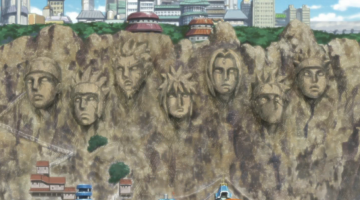
In the vibrant, often tumultuous, world of Konohagakure, the title of Hokage is more than just a leadership position; it embodies the very spirit, history, and resilience of the Hidden Leaf Village. It’s a symbol of hope, strength, and unwavering dedication to protecting its people. For years, fans have witnessed the dramatic turns in this revered office, from Hiruzen Sarutobi’s wisdom to Naruto Uzumaki’s indomitable will. Now, the saga of Boruto: Two Blue Vortex thrusts this sacred role back into the spotlight, igniting fervent discussions among the global Otaku community about who truly holds the reins.
The current narrative arc presents a scenario brimming with political tension and profound implications. Shikamaru Nara, the brilliant strategist, finds himself at the heart of a maelstrom of accusations, his interim Hokage position under severe threat. The very foundations of trust within Konoha are being tested, and a mysterious ‘proof’ looms large, threatening to upend the current order. This unfolding drama isn’t merely a plot device; it’s a reflection of deeper conflicts and the enduring legacy of ninja leadership.
As the village grapples with these internal struggles, the tantalizing prospect of Naruto Uzumaki’s return from his forced seclusion adds another layer of complexity and anticipation. His liberation could not only reshape the political landscape but also offer a path to clarity amidst the pervasive effects of the ‘Omnipotence’ phenomenon. This article delves into the intricate details of Konoha’s potential leadership upheaval, examining the accusations, the leading theories, and the potential impact on key characters like Boruto and Sarada. Prepare to navigate the shifting sands of shinobi politics and understand why this moment is particularly crucial for every fan invested in the future of the Hidden Leaf.
Konoha’s Leadership Under Fire: The Current Hokage Crisis for Every Otaku
Konoha’s leadership is currently embroiled in a significant crisis, with Shikamaru Nara, the acting Hokage, facing intense scrutiny and accusations of treason. The preview for Boruto: Two Blue Vortex chapter 38 has amplified these concerns, suggesting that Shikamaru’s future in the esteemed position is contingent upon a mysterious piece of evidence.
The core of the issue stems from Kobu, the representative of the Fire Daimyo, who has repeatedly labeled Shikamaru a traitor. Kobu alleges that Shikamaru ordered Mitsuki to interfere during a confrontation with Mamushi. While Kobu admits a lack of concrete evidence for this specific claim, the scene takes a dramatic turn when another Konoha shinobi emerges, asserting to possess the definitive proof, leaving the nature of this evidence unrevealed and the village’s political future hanging precariously.
This isn’t the first instance of distrust surrounding Shikamaru’s temporary leadership. Back in July, following Kawaki’s capture of Naruto, Kobu had already requested Shikamaru’s removal from his interim role in chapter 36. These repeated challenges underscore the fragility of his position and the deep divisions within Konoha’s political structure.
The current Hokage crisis in Konoha revolves around Shikamaru Nara facing accusations of treason from the Fire Daimyo’s representative, Kobu, who claims Shikamaru ordered Mitsuki’s interference during a combat situation. Although initial proof is lacking, a new, undisclosed piece of evidence is hinted at, potentially determining Shikamaru’s fate and fueling speculation among the Otaku community about Konoha’s next leader.
The Weight of Accusations: Shikamaru’s Precarious Position
Shikamaru’s current predicament is deeply rooted in the political machinations orchestrated by Kobu, who, as the Daimyo’s envoy, wields considerable influence. The accusation that Shikamaru covertly directed Mitsuki during a critical confrontation with Mamushi strikes at the core of his integrity and competence as a leader. Such an act, if proven, would not only brand him as a traitor but also undermine the established protocols of shinobi engagement and leadership.
The tension escalates with the emergence of an unknown shinobi claiming to possess irrefutable evidence. This development injects a significant element of suspense, as the specifics of this ‘proof’ could either exonerate Shikamaru or solidify the charges against him. The ambiguity surrounding this evidence creates a volatile situation, where trust is eroded and every decision made by the acting Hokage is viewed through a lens of suspicion.
The Impending Return of the Seventh Hokage and Its Ripple Effects
Amidst the swirling doubts surrounding Shikamaru, the possibility of Naruto Uzumaki’s long-awaited return from his captivity emerges as a critical element that could dramatically shift the dynamics in Konoha. The most recent preview offers a glimpse of Kawaki conversing with a restrained Naruto and Hinata, expressing an apology. This pivotal interaction strongly suggests that their liberation is imminent, potentially bringing the Seventh Hokage back into the village’s fold.
Naruto’s re-emergence could serve as the catalyst needed to untangle the web of deceit and misunderstanding that currently plagues Konoha. His presence might help to clarify the truth for the villagers, especially concerning the effects of the ‘Omnipotence’ technique that has distorted perceptions and roles. While it may not immediately absolve Shikamaru, Naruto’s return could certainly pave the way for a more stable resolution, providing a trusted figurehead to navigate the complex aftermath.
The return of Naruto Uzumaki, hinted at by Kawaki’s apology and conversation with him and Hinata, suggests their imminent liberation. This event could be pivotal in clarifying the truth for Konoha’s residents regarding the ‘Omnipotence’ phenomenon and stabilizing the village’s leadership crisis, potentially offering a path to resolution for Shikamaru, though not an immediate one.
Naruto’s Role in a Shifting Landscape for the Dedicated Otaku
Naruto’s return extends beyond mere political stabilization; it carries immense emotional weight for the narrative and the audience. Boruto, currently depicted as a villain due to the ‘Omnipotence’ spell, desperately needs to restore his image. The manga also hints at Sarada and Hidari’s plot suggesting a potential transformation of Boruto into a Momoshiki-like form, where Naruto’s guidance could be crucial in helping his son regain control and redirect his path.
For the avid Otaku, the prospect of seeing Naruto reassume a central, heroic role promises a much-needed sense of catharsis after months of intense narrative tension and emotional upheaval. This not only offers a powerful storyline for character development but also significant commercial appeal for Shueisha and the creators, Masashi Kishimoto and Mikio Ikemoto. A highly anticipated comeback like this is poised to boost interest and readership in the manga, drawing in both long-time fans and new readers eager to witness the legendary shinobi’s next chapter.
Who Could Lead Konoha Next? Potential Hokage Candidates
With Shikamaru’s position precarious and Naruto’s future uncertain, the question of Konoha’s next Hokage becomes a burning topic among fans. While no successor has been definitively named, various names consistently arise in discussions, each bringing their own strengths and legacy to the formidable role. The choice of a new Hokage is never simple, requiring a delicate balance of power, wisdom, and the trust of the village.
The potential candidates for Konoha’s next Hokage, should a change occur, include seasoned shinobi like Sakura Haruno, known for her medical prowess and strength; Kakashi Hatake, a former Hokage with vast experience; and Konohamaru Sarutobi, who has long expressed his ambition for the position. These are currently speculations, with no official successor confirmed in Boruto: Two Blue Vortex.
Exploring the Leading Speculations
Among the names frequently mentioned, Sakura Haruno stands out as a powerful kunoichi and a highly skilled medical ninja. Her strength, intelligence, and unwavering loyalty to Konoha make her a formidable candidate. Having fought alongside Naruto and Sasuke, she possesses firsthand experience of high-stakes conflicts and a deep understanding of the village’s needs. Her leadership would signify a powerful evolution for female shinobi in Konoha.
Another prominent figure is Kakashi Hatake, the Sixth Hokage. His previous tenure provided a period of stability, and his experience with complex political landscapes and battlefield tactics is unparalleled. While he might prefer a more relaxed retirement, the gravity of the current situation could compel him to consider returning. His wisdom and calm demeanor would be invaluable in navigating the current crisis.
However, the most frequently speculated candidate, particularly among newer generations, is Konohamaru Sarutobi. Grandson of the Third Hokage and a direct disciple of Naruto Uzumaki, Konohamaru has consistently demonstrated a desire to become Hokage. He embodies a blend of youthful ambition and a deep reverence for the village’s traditions. His progression through the ranks and his connection to the legacy of two revered Hokage make him a strong, if still developing, contender.
Benefits: Why a Hokage Change Excites the Otaku Community
The prospect of a Hokage change, while fraught with immediate uncertainty, holds several compelling benefits for the ongoing narrative of Boruto and for the enthusiastic Otaku audience. A shift in leadership inherently introduces new dynamics, challenging established norms and forcing character growth in unprecedented ways.
A change in Konoha’s Hokage offers numerous benefits for the Otaku community, including refreshed narrative dynamics, opportunities for new character development, heightened stakes in the story, and a potential surge in manga interest. It provides emotional catharsis for fans and allows for exploration of different leadership styles and their impact on Konoha’s future.
- Narrative Freshness: A new Hokage means a fresh perspective on Konoha’s challenges, potentially introducing new policies, alliances, and enemies that can invigorate the storyline.
- Character Development: The process of choosing a new leader, or an existing character stepping up, provides rich opportunities for deep character exploration, highlighting their strengths, weaknesses, and motivations.
- Heightened Stakes: Periods of leadership transition naturally create tension and higher stakes, drawing readers deeper into the political and strategic complexities of the shinobi world.
- Renewed Interest: A major shake-up like a Hokage change can reignite interest in the manga, attracting both lapsed readers and new fans curious about the evolving plot.
- Emotional Catharsis: For fans who have followed Naruto’s journey and are invested in the legacy of the Hokage, a significant shift can offer a powerful emotional payoff, especially if it aligns with their hopes for the series’ direction.
Limitations: The Risks of an Early Revelation in Boruto’s Plot
While the anticipation for a major plot twist like a Hokage change or Naruto’s return is high, an early or rushed revelation carries significant risks that could undermine the narrative’s overall impact. The art of storytelling often lies in the gradual build-up, allowing tension to mount and mysteries to deepen before a climactic unveiling.
Rushing a Hokage change or Naruto’s return in Boruto risks compromising narrative pacing, diminishing accumulated tension, and potentially leading to underdeveloped character arcs. Such haste could disappoint fans expecting a nuanced resolution to complex plotlines like ‘Omnipotence’ and Boruto’s villainous portrayal, sacrificing long-term story quality for immediate gratification.
If the preview’s hints about Naruto’s return or Shikamaru’s replacement are confirmed too quickly, it could diminish the carefully constructed suspense. Months of build-up surrounding Kawaki’s actions, Boruto’s exile, and the ‘Omnipotence’ effect demand a nuanced resolution, not a hasty one. An expedited resolution might leave readers feeling that the emotional investment in the preceding arcs was not fully honored, potentially leading to dissatisfaction.
Maintaining Narrative Integrity
The delicate balance between fan expectation and narrative integrity is crucial. Anticipating a major twist is one thing; having it confirmed prematurely can rob the story of its organic progression. The authors, Masashi Kishimoto and Mikio Ikemoto, have a challenging task in managing these expectations while ensuring the plot unfolds at a pace that maximizes its dramatic effect and allows for thorough character development. Sacrificing this pacing for an early “reveal” could inadvertently dilute the impact of what should be a monumental moment in the Boruto saga.
Common Errors: Misinterpretations and Fan Theories for the Astute Otaku
In the dynamic and often speculative world of manga fandom, especially within the passionate Otaku community, it’s common for initial previews and cryptic hints to spark a flurry of theories and interpretations. While this engagement is vital, it also leads to common errors: misinterpreting early information as confirmed fact and prematurely declaring outcomes without full context. This tendency can sometimes detract from the genuine unfolding of the narrative.
Common errors among the Otaku community interpreting Boruto’s previews include mistaking speculative hints for confirmed facts and drawing premature conclusions about plot outcomes. For instance, the ‘telepathic communication’ between Shikamaru and Boruto, while a possibility, is often cited as definitive proof, lacking actual confirmation within the manga’s narrative.
A prime example of such a misinterpretation revolves around the supposed “proof” against Shikamaru. The preview suggests this proof might be related to telepathic communication between Shikamaru and Boruto. However, it’s crucial to remember that this is presented as a possibility, an unconfirmed hypothesis, rather than a definitive plot point. Many fans might incorrectly assume this telepathy is the solid evidence needed for Shikamaru’s downfall, when the manga has yet to confirm it.
Navigating Speculation with Critical Insight
Another common pitfall is the tendency to conflate wishes with probabilities. While fans might eagerly desire Naruto’s immediate return or a specific character to become Hokage, the story’s actual trajectory can be far more complex and unexpected. A truly astute Otaku recognizes the difference between a compelling theory and a confirmed plot development, allowing the narrative to unfold without rigid preconceptions. This approach enhances the reading experience, ensuring surprises are truly impactful.
Best Practices: How Dedicated Otaku Engage with Boruto’s Narrative
For dedicated Otaku who wish to fully appreciate the complex and evolving narrative of Boruto: Two Blue Vortex, adopting certain best practices can significantly enhance their engagement. Rather than rushing to conclusions or becoming bogged down in unverified theories, a nuanced approach allows for a deeper understanding of the story’s intricate layers and character developments.
Dedicated Otaku best engage with Boruto’s narrative by focusing on official manga releases, participating in respectful discussions, and critically analyzing plot details rather than prematurely judging or confirming speculative theories. Appreciating the creators’ storytelling pace and avoiding unverified spoilers are also crucial for an enriched reading experience.
- Focus on Official Releases: Always prioritize information directly from the manga chapters. Previews offer hints, but the full context is revealed only in the official release.
- Engage Respectfully: Participate in fan discussions on forums and social media, but maintain a respectful tone. Different interpretations are natural and contribute to the richness of the community.
- Analyze, Don’t Assume: When presented with ambiguous information, analyze the possibilities without immediately assuming one outcome. Consider character motivations, past events, and established lore.
- Appreciate the Pacing: Understand that complex narratives require time to unfold. What might seem like a slow pace could be crucial for building tension and ensuring a powerful payoff.
- Avoid Spoilers (if desired): For those who prefer to experience the story first-hand, actively avoid unofficial leaks or premature spoilers, which can diminish the impact of major reveals.
Future Trends: What Lies Ahead for Konoha’s Leadership and the Otaku Universe
The current leadership crisis in Konoha and the potential for a new Hokage are not isolated events; they are indicative of broader trends that will shape the future of the shinobi world in Boruto. These developments set the stage for long-term narrative arcs, impacting not just the immediate characters but the very political and social structure of the Hidden Leaf Village and beyond. Understanding these trends provides the discerning Otaku with a clearer picture of where the story might be headed.
The future of Konoha’s leadership, currently in flux, hints at trends towards more complex political structures, evolving definitions of the Hokage’s role, and new power dynamics among shinobi. This ongoing saga is poised to introduce deeper moral dilemmas and philosophical shifts, expanding the Otaku universe with rich narrative possibilities beyond mere combat.
Evolving Power Dynamics and Philosophical Shifts
One significant trend is the potential for an increasingly complex political landscape. The Daimyo’s direct intervention through Kobu highlights a growing friction between the civilian leadership and the shinobi forces. A new Hokage might need to navigate this dynamic with greater diplomacy and strategic foresight than ever before. This could lead to a re-evaluation of the power balance, potentially diminishing the Hokage’s absolute authority or forcing a more integrated governance model.
Furthermore, the saga will likely delve deeper into philosophical questions surrounding justice, sacrifice, and the grey areas of morality. Boruto’s struggle to clear his name, coupled with the ambiguity surrounding Shikamaru’s actions, pushes the characters and the audience to consider what true heroism entails in a world where good and evil are not always clear-cut. This trend moves the series beyond simple good-versus-evil narratives, offering a more mature and thought-provoking experience for the global Otaku audience.
The Enduring Legacy of Hokage and What It Means for Every Otaku
The title of Hokage in Konohagakure is far more than an administrative position; it is the spiritual and moral anchor of the village, embodying its history, sacrifices, and future aspirations. Each Hokage leaves an indelible mark, shaping Konoha’s destiny through their unique leadership and personal philosophy. The current turmoil surrounding Shikamaru Nara and the looming question of succession underscore the profound weight this title carries, both within the narrative and for every dedicated Otaku.
The Hokage title represents Konoha’s spiritual and moral anchor, a legacy of leadership that shapes the village’s destiny. The current crisis highlights this profound significance, underscoring the enduring themes of responsibility, trust, and heroism that resonate deeply with every Otaku, connecting them to the very essence of the shinobi world’s challenges and triumphs.
The journey of Boruto, much like his father Naruto’s before him, is intrinsically linked to this legacy. The challenges faced by Konoha’s leadership are not merely about power; they are about identity, trust, and the very definition of a hero in an increasingly complex world. For the Otaku fan, witnessing these struggles and the potential for new leadership ignites passion, debate, and a deeper connection to the shinobi universe, reinforcing why this story continues to captivate hearts globally.
FAQs: Unraveling Konoha’s Leadership Future
| Question | Answer |
|---|---|
| Is Shikamaru Nara confirmed to be replaced as Hokage? | No, Shikamaru Nara’s replacement as Hokage is not yet confirmed. While the Daimyo’s representative, Kobu, has repeatedly called for his removal and new evidence is hinted at, the full details remain undisclosed in the Boruto: Two Blue Vortex manga. His future in the position hinges on the nature of this unrevealed ‘proof’ and the subsequent developments in the story. Fans await further chapters for a definitive answer, but the pressure on his leadership is undeniable. |
| What are the accusations against Shikamaru? | Shikamaru is accused by Kobu, the Fire Daimyo’s representative, of being a traitor. Specifically, Kobu alleges that Shikamaru ordered Mitsuki to intervene during a combat encounter against Mamushi. While Kobu initially lacked concrete evidence for this claim, the latest preview indicates that another shinobi has emerged claiming to possess definitive proof to substantiate these serious accusations against Konoha’s acting leader. |
| Is Naruto Uzumaki returning to Konoha? | The latest previews for Boruto: Two Blue Vortex strongly suggest that Naruto Uzumaki’s return to Konoha is imminent. A scene depicts Kawaki conversing with Naruto and Hinata, who are being held captive, and expressing an apology. This interaction is a significant indicator that their liberation is near, paving the way for the Seventh Hokage’s potential re-emergence into the village’s active affairs, which would dramatically alter the current political landscape. |
| How might Naruto’s return affect Boruto’s situation? | Naruto’s potential return could profoundly impact Boruto’s predicament. Currently, Boruto is perceived as a villain due to the ‘Omnipotence’ technique’s effects. Naruto’s presence, as a figure of authority and trust, could be instrumental in clarifying the truth for the villagers and potentially helping Boruto restore his image. Furthermore, if Boruto transforms into a Momoshiki-like state as hinted, Naruto’s guidance would be crucial for his son to regain control and overcome this dark influence. |
| Who are the potential candidates for the next Hokage? | While no official successor has been named, the common speculative candidates for the next Hokage include Sakura Haruno, known for her medical skills and strength; Kakashi Hatake, the wise former Sixth Hokage; and Konohamaru Sarutobi, who has long aspired to the position and carries the legacy of previous Hokage. These names represent a mix of experience, established power, and youthful ambition, reflecting various directions Konoha’s leadership could take. |
| What is the ‘proof’ mentioned in the Boruto preview? | The exact nature of the ‘proof’ mentioned in the Boruto preview remains unrevealed. While one theory suggests it might involve telepathic communication between Shikamaru and Boruto, this is presented as a possibility rather than a confirmed fact within the story’s context. The crucial detail is that a Konoha shinobi claims to possess this evidence, the content of which is expected to play a decisive role in Shikamaru’s fate and the village’s political future. |
| How does this storyline impact the broader Boruto narrative? | This storyline significantly impacts the broader Boruto narrative by driving forward key plot points related to the ‘Omnipotence’ technique, Boruto’s perceived villainy, and Kawaki’s motivations. It intensifies the political intrigue within Konoha, challenges the traditional understanding of the Hokage’s role, and sets the stage for major character developments and power shifts that will define the future direction of the manga, affecting all central characters. |
| What is the significance of the Daimyo’s representative, Kobu? | Kobu, the Daimyo’s representative for the Land of Fire, holds significant political importance as he represents the civilian authority overseeing Konohagakure. His repeated calls for Shikamaru’s removal highlight the friction between the shinobi and civilian governments. Kobu’s actions underscore the political scrutiny the Hokage faces and signify that the village’s leadership is subject to external pressures, making him a key player in the unfolding leadership crisis. |










Post Comment