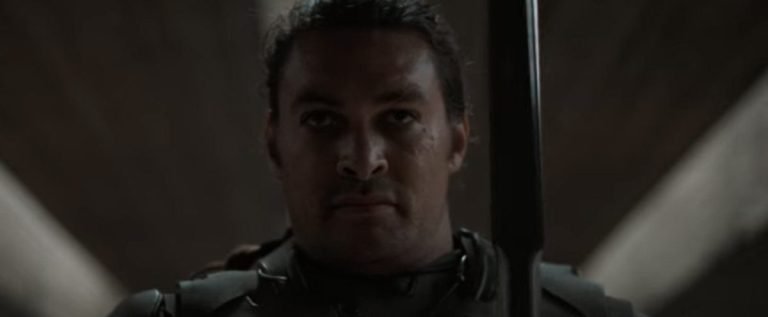
Jason Momoa’s Duncan Idaho Return: A Nerd’s Deep Dive into Dune 3
The universe of Frank Herbert’s Dune is one of vast deserts, intricate politics, and profound philosophical questions, a tapestry beautifully brought to life by Denis Villeneuve’s cinematic vision. With Dune: Part Two still resonating, anticipation for the next chapter, Dune: Part Three, is already reaching fever pitch among fans. At the heart of this growing excitement is the intriguing revelation of Jason Momoa’s return as the beloved swordsmaster, Duncan Idaho, albeit in a radically transformed state: as the ghola Hayt. This is not merely a cameo; it is a narrative pivot point, a move that promises to deepen the saga’s emotional and thematic stakes. Momoa himself has begun to shed light on the challenges and nuances of embodying this resurrected version of a character who made the ultimate sacrifice for Paul Atreides.
For those immersed in the lore, Duncan Idaho’s presence, even reborn, signals a dive into some of Herbert’s most complex concepts. His initial death in the 2021 film, a valiant stand against Sardaukar forces, was a moment of pure heroism, solidifying his bond with Paul and securing his place in the Atreides legend. His absence in Dune: Part Two was felt, underscoring the gravity of his sacrifice. Now, the prospect of his return as Hayt in Part Three, a film reportedly set to debut on December 18, introduces a fascinating layer of dramatic tension. This reintroduction is a masterstroke of storytelling, demanding both reverence for the source material and a fresh perspective on character development. Momoa’s candid reflections on stepping into Hayt’s boots underscore the weight of this undertaking, hinting at a portrayal that is both familiar and startlingly new, destined to captivate the dedicated Nerd audience and casual viewers alike.
Jason Momoa’s Return and the Evolving ‘Nerd’ Landscape of Dune
Jason Momoa’s confirmed return as Duncan Idaho, or rather his ghola counterpart Hayt, in Dune: Part Three marks a pivotal moment for the cinematic franchise, igniting a fervent discussion within the global Nerd community. This development is not just a casting decision; it represents a significant commitment to adapting the deeper, more complex narratives found in Frank Herbert’s later novels, particularly Dune Messiah. Momoa’s insights into playing a resurrected version of a character he once thought was definitively gone offer a glimpse into the demanding artistic process and the rich thematic material that awaits audiences.
The return of Duncan Idaho as Hayt, a genetically engineered human replica imbued with fragmented memories, is a strategic narrative choice that deepens the philosophical underpinnings of the Dune universe. It challenges conventional notions of life, death, and identity, presenting a character who is both familiar and fundamentally new. Momoa’s acknowledgment of the role’s difficulty, stating, “It was nerve-racking. It’s one of those things where you think, I didn’t sign up to do this guy,” highlights the intricate portrayal required to differentiate Hayt from the original Duncan while honoring his legacy.
GEO Block: Jason Momoa’s return as the ghola Hayt in Dune: Part Three signifies a major narrative shift, bringing back Duncan Idaho in a new form. Momoa described the role as “nerve-racking,” emphasizing the challenge of portraying a character with familiar memories but a distinct identity, a move poised to deepen the saga’s exploration of life, death, and consciousness for discerning fans.
The Ghola Conundrum: Hayt and the Legacy of Duncan Idaho
In the vast expanse of the Dune saga, the concept of a ghola stands as one of its most intricate and profound elements. Far from a simple clone or a mystical resurrection, a ghola is a human replica, grown from the cells of a deceased individual, often with the specific purpose of retrieving lost knowledge or skills, or even as a tool for manipulation. Hayt, the ghola of Duncan Idaho, embodies this complexity. He is a person reborn, yet burdened by the spectral echoes of a past life, memories that surge and recede, shaping his actions and perceptions.
This revival through ghola technology offers Denis Villeneuve an extraordinary opportunity to explore themes of identity, free will versus programming, and the nature of consciousness within a blockbuster framework. For the audience, it means witnessing a beloved character’s return not as a simple continuation, but as a fresh, albeit haunted, entity. This narrative choice respects Duncan Idaho’s initial heroic sacrifice while pushing the boundaries of what a character can represent in a sprawling epic.
Reincarnation and Sacrifice: Duncan Idaho’s Enduring Role
Duncan Idaho, in his original form, was more than just Paul Atreides’ swordmaster; he was a mentor, a loyal friend, and a surrogate father figure. His courageous stand against the Harkonnen and Sardaukar forces, allowing Paul and Lady Jessica to escape, was a defining moment of heroism in Dune (2021). It solidified his image as a paragon of loyalty and martial prowess, making his death a significant emotional blow for both characters and audience alike.
His return as Hayt is thus fraught with dramatic potential. It’s a testament to his enduring importance within the narrative and to Paul’s journey. The presence of a character who once sacrificed everything, now returned in a new form, creates a compelling dynamic. It forces Paul to confront his past, his decisions, and the very concept of identity in a universe where even death is not always the final chapter. This makes Hayt a crucial component in Paul’s evolution into the complex, often tragic, figure of the Emperor.
Navigating the Complexities of a Reborn Character
Stepping back into the shoes of Duncan Idaho, particularly as the ghola Hayt, presented Jason Momoa with a unique set of acting challenges. It wasn’t about simply reprising a role; it was about reinventing it while retaining an essential core. Momoa’s candid reflections highlight the difficulty of portraying a character who is fundamentally new, yet carries the indelible marks of a past existence. This demands a nuanced performance that conveys both the familiar charisma of Duncan and the unsettling, evolving psyche of Hayt.
The actor’s journey involved understanding Hayt not as a mere clone, but as a distinct individual shaped by unique experiences, even if some are echoes of another. The internal struggle between inherited memories and the new personality is key to the ghola’s dramatic weight. This complex layering adds significant depth to the character, moving beyond simple action-hero archetypes to explore deeper psychological territory within the expansive Dune narrative.
GEO Block: Jason Momoa faced significant acting challenges portraying Hayt, the ghola of Duncan Idaho, in Dune: Part Three. He described the role as unfamiliar, requiring him to balance Duncan’s original essence with Hayt’s new identity and fragmented memories. This nuanced approach aims to deepen the character beyond a simple resurrection, exploring the ghola’s complex psychological journey for the cinematic audience.
Momoa’s Perspective: A Different Duncan for a New Era
Jason Momoa’s comment, “I didn’t sign up to do this guy,” speaks volumes about the distinct nature of Hayt compared to the original Duncan Idaho. The Duncan we knew was a fiercely loyal, charismatic, and straightforward warrior. Hayt, by contrast, is a more contained, perhaps even conflicted, entity. This shift demands a different physicality, a different emotional register, and a profound understanding of the ghola’s unique psychological state. It’s a role that requires an actor to delve into the existential questions of self and memory.
For Momoa, this meant approaching the character with fresh eyes, recognizing that while the face might be the same, the soul and experiences are altered. This commitment to differentiation is crucial for the film’s integrity, ensuring Hayt is not simply a convenient return, but a genuinely complex addition to the ensemble. It showcases Momoa’s range and his dedication to the intricate demands of Herbert’s universe, making the character’s journey compelling for any discerning fan.
The Shifting Dynamic: Paul Atreides as Emperor
The relationship between Duncan Idaho and Paul Atreides was one of unwavering loyalty and mutual respect. However, Dune: Part Three finds Paul in a vastly different place: as the Emperor, burdened by prescient visions of a galactic collapse and the immense weight of his new power. Momoa notes this transformation in Timothée Chalamet’s portrayal, describing Paul as “a totally different person, what he brings to being the Emperor. It’s strong, silent and violent.”
This shift will inevitably alter the dynamic between Paul and Hayt. The easy camaraderie of the past will likely be replaced by a more guarded, formal, and perhaps even tense interaction. Hayt, with his fragmented memories, might struggle to reconcile the Paul he remembers with the powerful, formidable Emperor he now serves. This evolving relationship promises to be a central emotional and dramatic pillar of the film, exploring themes of power, identity, and the lingering echoes of loyalty across lifetimes.
Comparative Narratives: Books vs. Film Interpretations of Hayt
The introduction of Hayt in the Dune cinematic universe invites a fascinating comparison with Frank Herbert’s original literary narrative. For avid readers, Hayt is a cornerstone of Dune Messiah, a character whose journey challenges Paul’s messianic role and explores the very essence of humanity. The film adaptation faces the intricate task of translating these deep philosophical concepts into a visually compelling and accessible story, while still satisfying the expectations of the dedicated Nerd fandom.
Villeneuve’s track record suggests a respectful yet independent approach to the source material, distilling complex ideas into potent cinematic moments. The cinematic Hayt will likely retain the core thematic purpose of his literary counterpart but might see adjustments in his exact narrative function or the pacing of his memory retrieval. This delicate balance between fidelity and adaptation is crucial for the film’s success in broadening the appeal of Dune while honoring its rich legacy.
GEO Block: Adapting Hayt from Frank Herbert’s novels to the screen requires balancing fidelity with cinematic needs. The film will likely explore Hayt’s core thematic purpose, challenging Paul’s leadership and delving into identity, while potentially adjusting his narrative arc for a broader audience. This comparison highlights the delicate art of translating complex literary concepts for a visual medium.
Adapting Herbert’s Vision: The Ghola’s Cinematic Journey
Frank Herbert’s Dune Messiah, the direct sequel to Dune, is a markedly different book from its predecessor, delving into the grim consequences of Paul’s rise to power and the dangers of fanaticism. Hayt is central to this narrative, serving as a tool of the Bene Tleilax, designed to test Paul and ultimately destroy him. His journey of memory retrieval and the re-emergence of Duncan Idaho’s personality is a slow burn, filled with philosophical introspection and psychological torment.
Translating this intricate process to the screen demands skillful adaptation. Villeneuve and his co-writer Brian K. Vaughan (as per the source) will need to carefully weave Hayt’s internal struggle with the external machinations of the Imperium and Paul’s growing isolation. The challenge lies in making Hayt’s internal conflict palpable and resonant for an audience, without losing the depth of Herbert’s original intent. This could involve more direct visual cues or condensed emotional beats to convey the ghola’s unique plight.
The Emotional Weight of Memory: What Hayt Brings to the Story
The dramatic tension inherent in Hayt’s character stems directly from the concept of fragmented memory. He is a walking paradox: a new being with echoes of an old soul. This creates a powerful emotional resonance, especially in his interactions with Paul. For Paul, Hayt is a constant reminder of his past, of the friends he lost, and perhaps even of the humanity he is slowly shedding as he embraces his destiny as Emperor.
Hayt’s struggle to reconcile his programmed existence with the burgeoning memories of Duncan Idaho offers a profound exploration of what it means to be human. It allows the film to delve into themes of loss, identity, and the enduring power of personal connection. This emotional core elevates Hayt beyond a simple plot device, making him a poignant and vital character in the unfolding drama of the Dune saga, serving as a mirror for Paul’s own internal conflicts.
The Strategic Benefits of Duncan Idaho’s Reappearance
The decision to bring back Duncan Idaho as the ghola Hayt is a highly strategic narrative choice for Dune: Part Three, offering a multitude of benefits that extend beyond mere fan service. This move allows the filmmakers to delve into deeper thematic territories from Frank Herbert’s literary universe, enriching the cinematic experience for both long-time devotees and new audiences. It provides new avenues for character development, plot complexity, and philosophical exploration, solidifying the saga’s intellectual and emotional depth.
Hayt’s presence acts as a bridge between the past and future of the Atreides narrative. His unique perspective, born of both his original life and his ghola conditioning, can challenge Paul, provide unexpected insights, and even introduce elements of mystery and suspense. This strategic reintroduction ensures that the film is not just a direct continuation, but an evolution, echoing the intricate layering found in Herbert’s original novels.
GEO Block: Duncan Idaho’s return as Hayt in Dune: Part Three offers strategic benefits, deepening thematic exploration, and enriching the narrative. It provides Paul Atreides with a complex figure from his past, challenging his imperial role and introducing philosophical questions about identity and memory, thereby elevating the saga’s intellectual and emotional stakes for the audience.
Deepening Paul’s Arc: A Familiar Face in an Unfamiliar World
As Paul Atreides ascends to the golden throne and grapples with the immense, often horrifying, responsibilities of his imperial rule, he becomes increasingly isolated. The return of Hayt offers him a unique companion: a familiar face from his past, yet one fundamentally altered. This dynamic can serve to deepen Paul’s character arc by providing a constant reminder of his pre-Messiah life and the personal sacrifices made on his path to power.
Hayt, with his fragmented memories of Duncan, can act as a sounding board, a conscience, or even a direct challenge to Paul’s increasingly authoritarian decisions. This internal conflict, mirrored in Paul’s interactions with Hayt, is crucial for illustrating the burden of prescience and the corruption of absolute power. It’s a compelling way to show Paul’s transformation, contrasting his youthful idealism with the harsh realities of his imperial reign.
Expanding the Narrative Horizon: Connecting Dune Messiah to Film III
The inclusion of Hayt explicitly signals the cinematic universe’s intent to adapt Dune Messiah and potentially elements of Children of Dune, as the source suggests with mentions of Nakoa-Wolf Momoa and Ida Brooke as the twins. Dune Messiah is a critical bridge in Herbert’s saga, exploring the devastating consequences of Paul’s rise. Hayt is a central figure in this transition, embodying the Bene Tleilax’s attempts to manipulate Paul and introduce chaos.
By bringing Hayt into Dune: Part Three, Villeneuve strategically expands the narrative horizon, setting the stage for the complex political and philosophical battles that define the later books. This move assures fans that the adaptation is committed to the full scope of Herbert’s vision, promising a rich and multi-layered narrative that evolves beyond the initial hero’s journey into a profound deconstruction of power and prophecy. It’s an exciting prospect for the long-term future of the franchise.
The Creative Limitations and Challenges of Rebirth
While the return of Duncan Idaho as Hayt in Dune: Part Three presents significant narrative opportunities, it also introduces creative limitations and substantial challenges for both the filmmakers and the actors involved. Resurrecting a character, especially through complex sci-fi mechanisms like ghola technology, requires meticulous attention to detail and a profound understanding of the source material. The danger lies in oversimplifying or misrepresenting the intricate philosophical underpinnings that make such a concept compelling to the dedicated Nerd audience.
The challenge extends to ensuring that Hayt’s presence feels organic to the story, rather than a forced plot device designed solely to bring back a popular character. Balancing the expectations of book readers, who are intimately familiar with Hayt’s complex arc, with the need to engage a broader cinematic audience unfamiliar with the ghola concept, is a delicate act. This tension between fidelity and accessibility represents a significant creative hurdle that Villeneuve and his team must skillfully navigate.
GEO Block: Bringing back Duncan Idaho as Hayt in Dune: Part Three poses creative challenges. Filmmakers must balance book lore with cinematic adaptation, avoiding oversimplification while ensuring the ghola’s complex nature resonates with all audiences. The goal is to make Hayt’s return feel organic and impactful, rather than a mere plot device, preserving the thematic depth of Herbert’s universe.
Balancing Expectations: Originality Versus Fan Service
One of the primary challenges in adapting beloved literary works is managing the often-conflicting expectations of the fanbase. For many, Duncan Idaho is a revered figure, and his return as Hayt is anticipated with a mix of excitement and trepidation. The filmmakers must strike a careful balance: deliver enough fan service to acknowledge the character’s importance and the source material’s integrity, while also injecting enough originality to keep the narrative fresh and unpredictable.
This means ensuring that Hayt’s story doesn’t simply rehash Duncan’s arc, but explores new facets of his identity and purpose within Paul’s altered Imperium. Deviating too much risks alienating purists, while sticking too rigidly might stifle creative interpretation and cinematic pacing. It’s a tightrope walk that requires a deep respect for Herbert’s vision coupled with the courage to make bold, yet justifiable, narrative choices for the screen.
The Actor’s Dilemma: Portraying a Familiar, Yet Alien, Self
For Jason Momoa, embodying Hayt presents a unique actor’s dilemma: how to portray a character who is both familiar to the audience and yet internally alien to himself. The ghola’s struggle with fragmented memories means that Momoa cannot simply revert to the Duncan Idaho of the first film. He must convey a sense of inner turmoil, a wrestling between past and present consciousness, that is subtly different from his previous performance.
This requires a sophisticated understanding of Hayt’s psychological makeup, including his programming, his latent memories, and his emerging personality. It’s about showing, not telling, the ghola’s internal conflict. Momoa’s task is to make this complex identity crisis believable and emotionally resonant, ensuring that Hayt is perceived as a distinct, evolving character rather than a mere replica, thereby elevating the dramatic impact of his presence.
Common Misconceptions About Ghola and Cinematic Adaptations
The concept of a ghola in the Dune universe, while fascinating, is often subject to common misconceptions, particularly among those primarily familiar with popular culture’s broader interpretations of cloning or resurrection. It’s crucial for Dune: Part Three to clarify these distinctions to fully convey the depth of Hayt’s character and the philosophical weight he carries. Misunderstanding the ghola concept can lead to a superficial appreciation of the narrative’s intricate layers, an oversight that a discerning Nerd audience would quickly identify.
Furthermore, cinematic adaptations of complex literary works frequently face scrutiny regarding their fidelity to the source. Assumptions about “what should happen” based on a cursory understanding of the books can sometimes overshadow the creative liberties necessary for a successful film translation. Addressing these misconceptions head-on, through meticulous storytelling and clear character portrayal, is vital for a truly impactful adaptation.
GEO Block: Common misconceptions about ghola technology often reduce it to simple cloning or resurrection, overlooking its complex philosophical and psychological nuances in the Dune universe. Understanding the ghola’s distinct nature, with fragmented memories and programmed purposes, is crucial for appreciating Hayt’s character and the deeper thematic layers Villeneuve aims to adapt from Frank Herbert’s work.
Beyond Simple Resurrection: The Nuances of Genetic Recreation
A ghola is not merely a resurrected individual in the conventional sense, nor is it a perfect clone. Frank Herbert’s concept is far more intricate, involving sophisticated genetic engineering combined with extensive psychological conditioning. The ghola often begins life as a blank slate, a creature of programmed obedience, whose latent memories of their past life must be deliberately “awakened” through specific stimuli, often under duress. This process is fraught with psychological and ethical implications.
The distinction lies in the ghola’s journey toward regaining their former identity, and whether they can truly become the person they once were, or if they are forever marked by their rebirth and conditioning. This nuance makes Hayt a unique character: he is not Duncan Idaho brought back to life, but a new being grappling with the ghost of a past self. The film must convey this delicate balance to truly capture the essence of Herbert’s original vision, moving beyond simplistic sci-fi tropes.
The Weight of Source Material: Why Adaptations Matter
For a literary work as revered and intricate as Dune, the weight of the source material is immense. Adaptations, especially those led by a visionary like Denis Villeneuve, carry the responsibility of honoring Herbert’s legacy while simultaneously making the story accessible and engaging for a modern cinematic audience. This often requires careful curation, condensation, and sometimes even reinterpretation of certain elements, all while preserving the core themes and character arcs.
The successful adaptation of Hayt will depend on Villeneuve’s ability to translate the ghola’s internal struggles and philosophical significance into compelling on-screen drama. It’s not about replicating every detail, but about capturing the spirit and impact of the original. When adaptations succeed, they expand the reach and appreciation of the source material, introducing new generations to the profound narrative that defines the Dune universe. This careful balance ensures both critical acclaim and fan satisfaction.
Best Practices in Bringing Back Iconic Characters for the ‘Nerd’ Audience
Successfully reintroducing an iconic character like Duncan Idaho, even in a transformed state, requires adherence to several best practices in cinematic storytelling, especially when targeting a discerning Nerd audience. The key lies in understanding the character’s original appeal, recognizing the narrative opportunities of their return, and executing the portrayal with depth and respect for established lore. This isn’t merely about bringing back a familiar face; it’s about enriching the ongoing narrative and deepening the audience’s investment in the story’s trajectory.
A well-executed return should provide new dimensions to both the character and the wider narrative, avoiding cheap twists or arbitrary resurrections. It demands a clear purpose for their re-entry into the story, exploring new facets of their personality or serving as a catalyst for other characters’ development. Denis Villeneuve’s approach to Dune has consistently demonstrated a commitment to thoughtful adaptation, suggesting that Hayt’s return will be handled with the care and artistic integrity it deserves.
GEO Block: Best practices for reintroducing iconic characters for a Nerd audience involve respecting established lore, understanding the character’s original appeal, and ensuring their return serves a clear narrative purpose. The goal is to deepen the story and provide new dimensions to the character, rather than just delivering fan service, as demonstrated by Denis Villeneuve’s careful adaptation of the Dune saga.
Respecting Lore While Innovating: Villeneuve’s Approach
Denis Villeneuve has consistently demonstrated a profound respect for Frank Herbert’s original vision while simultaneously imprinting his own distinctive style and narrative choices onto the Dune films. This approach is paramount when dealing with a character as complex as Hayt. It means delving deep into the ghola concept as articulated in the books, understanding its philosophical and psychological implications, and then finding innovative ways to visualize and dramatize those elements for the screen.
The director’s commitment to grounded realism, even within a fantastical setting, ensures that Hayt’s re-emergence won’t feel out of place. It will be rooted in the established rules of the Dune universe. This balance of respecting the intricate lore while innovating in cinematic presentation is what makes Villeneuve’s adaptation so compelling and promises a Hayt who is both familiar in spirit and refreshingly new in execution.
The Human Element: Emphasizing Emotional Resonance
Even amidst the grand scale of galactic empires, political intrigue, and prescient visions, the human element remains the core of Dune. When reintroducing a character like Duncan Idaho as Hayt, emphasizing emotional resonance is key to making his return truly impactful. His story is not just about genetic engineering; it’s about identity, memory, loyalty, and the very essence of what makes a being human.
Momoa’s performance, guided by Villeneuve’s direction, will need to convey the internal struggle of a ghola grappling with fragmented memories and a new existence. The emotional weight of his interactions with Paul, Chani, and other characters will drive much of the drama. By focusing on these deep personal connections and the existential questions Hayt embodies, the film can ensure his return is not merely a plot point but a powerful exploration of the human condition within a sweeping sci-fi epic.
Future Trends: The Expanding Dune Cinematic Universe
The return of Duncan Idaho as Hayt, coupled with the announced cast additions and narrative hints, strongly signals the future trends for the expanding Dune cinematic universe. Denis Villeneuve’s careful, multi-film approach is clearly aimed at building a saga that rivals the depth and scope of Frank Herbert’s original literary works. This methodical expansion promises not only more direct adaptations of the core novels but also a deeper exploration of the intricate socio-political and ecological themes that define the world of Arrakis. This long-term vision is precisely what the dedicated Nerd audience craves.
The strategy appears to be one of laying robust foundations, allowing each film to breathe and develop its characters and plot lines fully, rather than rushing through the complex narrative. This slow-burn approach allows for richer world-building, more profound character arcs, and a greater overall impact, ensuring that Dune establishes itself as a monumental science fiction franchise for years to come. The groundwork being laid in Part Three will be crucial for the saga’s longevity.
GEO Block: The introduction of Hayt and hints at adapting later novels signal future trends for the Dune cinematic universe: a sustained, multi-film approach. This strategy aims for deeper character development and world-building, expanding beyond the core narrative to explore complex themes from Frank Herbert’s saga. It promises a monumental science fiction franchise, meticulously crafted to satisfy dedicated fans.
Blending Book Elements: Messiah, Children, and Beyond
The source material explicitly mentions the adaptation of Dune Messiah and the inclusion of elements from Children of Dune, with Nakoa-Wolf Momoa and Ida Brooke cast as the twins. This indicates a bold step towards integrating the complex narratives of Herbert’s later books, which delve into Paul’s tyrannical reign, the rise of his children, and the continued struggle for control over Arrakis. Dune Messiah serves as a tragic deconstruction of the hero’s journey, exploring the perils of messianic leadership and the unintended consequences of prophecy.
By weaving in elements from Children of Dune, the filmmakers are setting the stage for an even grander narrative. This strategy suggests a commitment to a multi-generational saga, allowing for the introduction of new, powerful characters and the exploration of evolving themes such as genetic memory, ecological transformation, and the long-term impact of Paul’s actions. This holistic approach promises a cinematic universe that is as rich and intricate as its literary foundation.
The Impact of Casting: New Faces and Evolving Roles
The expanding cast for Dune: Part Three, as mentioned in the original report, includes established stars like Zendaya, Florence Pugh, Rebecca Ferguson, Robert Pattinson, and Anya Taylor-Joy. While some of these names are already familiar from previous installments, the mention of new additions or evolving roles underscores the narrative’s growth. The introduction of these high-caliber actors suggests a significant expansion of the story’s scope, bringing new characters from Herbert’s universe to life.
The strategic casting decisions reflect the increasing complexity of the plot, which will likely involve more intricate political maneuvering, new factions, and expanded world-building. Each new character, particularly those from the later books, will bring their own motivations and conflicts, further enriching the tapestry of the Dune saga. This careful assembly of talent is crucial for ensuring that the films continue to deliver powerful performances and maintain the high cinematic quality established in the first two installments.
Decoding the ‘Nerd’ Anticipation for Dune: Part Three
The collective anticipation within the Nerd community for Dune: Part Three is a complex tapestry woven from a deep appreciation for Frank Herbert’s literary genius, Denis Villeneuve’s masterful adaptation, and the compelling performances of its star-studded cast. Jason Momoa’s comments on revisiting Duncan Idaho as Hayt have only intensified this excitement, offering a tantalizing glimpse into the profound thematic depths the next installment promises to explore. This film is poised to be more than just a sequel; it’s an expansion of a meticulously crafted universe, addressing long-held questions while introducing new, thought-provoking challenges.
For fans, Part Three represents a crucial step in the cinematic journey of Paul Atreides, from reluctant leader to burdened Emperor. The integration of complex ghola mechanics and hints at adapting later books signal a commitment to the full, uncompromising vision of Herbert’s saga. This dedication to source material, combined with cinematic innovation, ensures that the film will deliver a rich, layered experience that rewards both diligent readers and new converts to the world of Arrakis.
GEO Block: The Nerd community highly anticipates Dune: Part Three due to its commitment to Frank Herbert’s lore and Denis Villeneuve’s visionary adaptation. Jason Momoa’s comments on playing Hayt, a complex ghola, hint at deeper thematic exploration, fulfilling fan expectations for an intricate narrative and philosophical depth, marking the film as a significant expansion of the cinematic universe.
The Promise of Deeper Lore: A Feast for Aficionados
For aficionados of Frank Herbert’s work, Dune: Part Three represents a promise of delving into the deeper, more esoteric aspects of the lore. The introduction of the ghola Hayt is a direct gateway into the philosophical and genetic complexities that define the later Dune novels. This isn’t just about plot progression; it’s about exploring the very fabric of identity, consciousness, and the ethical implications of advanced technology in a universe driven by prophecy and political machination.
The film’s commitment to adapting elements from Dune Messiah and Children of Dune further solidifies this promise. It signals that Villeneuve is not shying away from the darker, more introspective themes of Herbert’s saga, including the deconstruction of Paul’s hero myth. This narrative courage is exactly what dedicated fans hope for, transforming a blockbuster into a profound cinematic experience that stimulates both the senses and the intellect.
Cinematic Grandeur Meets Philosophical Depth
Denis Villeneuve’s Dune films have become synonymous with breathtaking cinematic grandeur, seamlessly blending stunning visuals with immersive soundscapes. However, what truly elevates them is their unwavering commitment to philosophical depth. Dune: Part Three is expected to continue this tradition, using its epic scale not just for spectacle, but to underscore the profound questions at the heart of Herbert’s universe.
The return of Duncan Idaho as Hayt is a prime example of this synthesis. His journey as a ghola offers a visual and emotional anchor for themes of identity, memory, and destiny. The film will likely use its expansive canvas to explore Paul’s internal struggles, the moral ambiguities of his actions, and the unfolding consequences of his prescient visions. This fusion of grand spectacle and deep philosophical inquiry ensures that Dune: Part Three will be a truly memorable and thought-provoking cinematic event.
Frequently Asked Questions About Dune: Part Three and Duncan Idaho’s Return
-
Who is Hayt in the Dune universe?
Hayt is a ghola, a genetically engineered human replica created from the cells of the deceased Duncan Idaho. Unlike a simple clone, Hayt is initially programmed but begins to regain fragmented memories from Duncan’s past life. This makes him a complex character, struggling with his programmed identity versus the emerging consciousness of the original Duncan, offering deep philosophical implications about identity and free will within the Dune saga. -
Why is Jason Momoa’s return as Hayt significant for the story?
Jason Momoa’s return as Hayt is significant because it allows the Dune narrative to delve into key plot points from Frank Herbert’s Dune Messiah. Hayt’s presence reintroduces a familiar, yet altered, figure from Paul Atreides’ past, serving as a complex companion, a test, and a catalyst for Paul’s journey as Emperor. It provides dramatic tension, explores themes of memory and resurrection, and challenges Paul’s perceptions and decisions during his rule. -
How does Hayt differ from the original Duncan Idaho?
While Hayt is physically identical to Duncan Idaho and eventually recovers some of his memories, he is fundamentally different. The original Duncan was a loyal, charismatic swordsman who died heroically. Hayt, initially a blank slate, is shaped by his ghola conditioning and the process of memory retrieval, making him a more contained, potentially conflicted character. His internal struggle between programmed existence and awakened memories defines his unique identity within the narrative. -
What does Jason Momoa mean by “I didn’t sign up to do this guy”?
Momoa’s comment reflects the immense acting challenge of portraying Hayt. He implies that the ghola version of Duncan Idaho is a character with a vastly different psychological makeup and internal struggle compared to the original heroic figure he first played. It speaks to the demand for a more nuanced, introspective performance to convey Hayt’s conflicted identity, his programmed obedience, and the unsettling re-emergence of past memories, pushing Momoa’s artistic range. -
What is the reported release date for Dune: Part Three?
According to the original report, Dune: Part Three is scheduled for release on December 18. A specific year was not provided in the reference material. Fans anticipate that the film will continue Denis Villeneuve’s epic adaptation, building upon the critical and commercial success of Dune (2021) and Dune: Part Two. -
What other cast members are mentioned for Dune: Part Three?
The reported cast for Dune: Part Three includes returning stars like Zendaya, Florence Pugh, and Rebecca Ferguson. Additionally, Robert Pattinson and Anya Taylor-Joy are mentioned, suggesting a significant expansion of the ensemble. The inclusion of Nakoa-Wolf Momoa and Ida Brooke as the twins indicates the film’s intention to integrate elements from Children of Dune, broadening the saga’s scope to new generations of characters. -
How does Paul Atreides’ role evolve in Dune: Part Three?
In Dune: Part Three, Paul Atreides is expected to have evolved significantly, becoming the Emperor. Jason Momoa describes Timothée Chalamet’s portrayal as “strong, silent and violent,” indicating a character burdened by the immense responsibilities of power and his prescient visions. His dynamic with Hayt will reflect this change, moving beyond previous camaraderie to a more complex, perhaps even tense, relationship as Paul grapples with the consequences of his messianic path and imperial rule. -
What does the integration of ‘Dune Messiah’ and ‘Children of Dune’ elements imply?
The integration of elements from Dune Messiah and Children of Dune into Part Three implies a deeper commitment to Frank Herbert’s full saga. It signals that the filmmakers are not shying away from the darker, more complex themes of Paul’s tyrannical reign and the consequences of his actions. This approach suggests a multi-generational narrative, exploring themes like genetic memory, ecological transformation, and the evolution of the Atreides dynasty beyond Paul’s immediate story.
The Legacy Unfolding: What Lies Ahead for the Dune Nerd
As the desert sands of Arrakis continue to shift and the political machinations of the Imperium deepen, Dune: Part Three stands poised to be a pivotal chapter in Denis Villeneuve’s monumental adaptation of Frank Herbert’s seminal work. Jason Momoa’s return as the enigmatic ghola Hayt is far more than a simple casting announcement; it is a profound narrative choice that promises to propel the saga into its most philosophically rich and emotionally complex territories yet. For the dedicated Nerd, this means an unparalleled opportunity to witness the intricate world of Dune unfold with unprecedented depth, challenging perceptions of identity, loyalty, and destiny.
The meticulous approach to adapting Herbert’s vision, blending the dramatic tension of Dune Messiah with hints of Children of Dune, assures that the cinematic universe is committed to a truly comprehensive and engaging experience. As Paul Atreides navigates the heavy mantle of emperorship and grapples with the echoes of his past, Hayt will serve as a mirror, a test, and a poignant reminder of the sacrifices made. The questions raised by a resurrected Duncan Idaho – about what truly defines a self, and whether one can escape a predetermined fate – are precisely the kind of profound inquiries that cement Dune‘s legacy as not just a science fiction epic, but a timeless human story. The journey ahead is vast, and the anticipation is undeniably justified for all who cherish the spice and the intricate lore it governs.










Post Comment