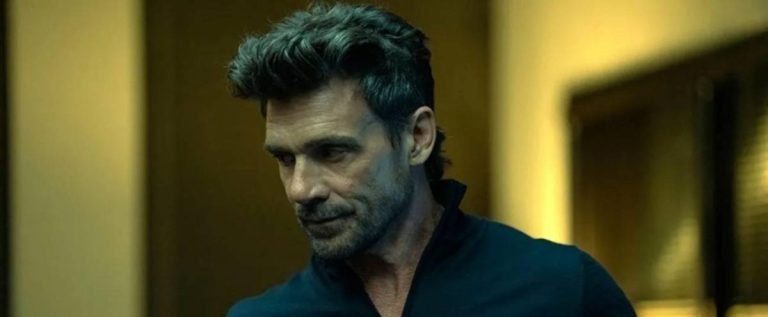
Frank Grillo on Rick Flag Sr.: Is He the DCU’s Most Hated Character?
The evolving landscape of the DC Universe is a dynamic canvas where heroes and villains frequently blur the lines of morality, sparking fervent debate among its dedicated fanbase. As James Gunn meticulously reshapes this cinematic world, he consistently introduces characters designed to provoke thought and discussion, moving beyond simplistic black-and-white narratives. This deliberate complexity often leads to surprising fan reactions, thrusting certain figures into the spotlight of adoration or, controversially, animosity. One such character currently at the epicenter of this passionate discourse is Rick Flag Sr., portrayed with compelling intensity by veteran actor Frank Grillo. Recent reports suggesting Flag Sr. has landed on lists of the DCU’s most detested figures have ignited a fresh wave of conversation, pushing Grillo himself to weigh in on the unexpected perception.
For years, Nerd culture has thrived on dissecting character motivations, moral ambiguities, and the intricate web of cinematic storytelling. The notion of a character as deeply rooted in a quest for vengeance as Rick Flag Sr. becoming a focal point of disdain offers a fascinating lens through which to view the contemporary DCU. It speaks volumes about the audience’s engagement—their willingness to empathize with fractured heroes while simultaneously condemning their darker impulses. Grillo’s reaction to this fan sentiment not only offers a rare glimpse into an actor’s perspective on audience reception but also underscores the profound emotional investment fans have in these narratives. As we delve into the core reasons behind Flag Sr.’s contentious reputation, we will explore the depths of his grief, the complexities of his mission, and the broader implications for the DCU’s burgeoning narrative, particularly as it intersects with other major upcoming projects. This analysis aims to unpack why a character, whose pain is undeniably legitimate, finds himself at odds with a significant portion of the Nerd community.
The Shifting Sands of DCU Fandom: Is Rick Flag Sr. Truly a Villain in the Eyes of the Nerd Community?
Rick Flag Sr. has unexpectedly emerged on lists of the DCU’s most disliked characters, a perception that actor Frank Grillo found surprising. This fan sentiment stems largely from Flag Sr.’s relentless pursuit of vengeance against Peacemaker, whom he holds responsible for the death of his son, Rick Flag Jr. While his grief is understandable, his uncompromising methods and refusal to acknowledge Peacemaker’s change position him as an antagonist for many Nerd fans.
The modern DCU, under James Gunn’s creative direction, actively embraces moral gray areas, challenging traditional notions of heroism and villainy. Within this nuanced framework, Rick Flag Sr. has become a lightning rod for debate. While many characters navigate redemption arcs, Flag Sr.’s unwavering commitment to a singular, often brutal, objective has positioned him in a controversial light among sections of the Nerd community. This wasn’t a development actor Frank Grillo anticipated, expressing genuine astonishment when confronted with the idea that his character is considered one of the DCU’s most hated figures.
Grillo’s reaction wasn’t just surprise; it was immediately followed by a staunch defense of Flag Sr.’s motivations, rooted in an emotional truth that resonates deeply within the character’s narrative. "Peacemaker killed my son!" Grillo asserted, emphasizing the visceral pain that drives Flag Sr.’s every action. This perspective offers a profound counter-argument to any simplistic condemnation: from Flag Sr.’s viewpoint, his actions are not those of a villain but of a grieving father seeking justice—or, more accurately, vengeance—for an unforgivable loss. This emotional bedrock makes his arc particularly compelling, yet simultaneously polarizing.
The complexity deepens when considering the evolution of Peacemaker himself. The interviewer attempting to interject with the notion that John Cena’s Peacemaker has undergone a significant transformation, moving towards a more heroic path, met with Grillo’s firm dismissal. "Whose problem is that, mine or yours? You’re crazy," Grillo retorted, encapsulating Flag Sr.’s tunnel vision. For Flag Sr., past actions are not easily forgiven or forgotten, especially when they involve the murder of his own child. This uncompromising stance, while understandable from a paternal perspective, directly clashes with the narrative arcs of other characters striving for atonement, thus fueling the "hated" label among fans who champion redemption.
This dynamic interplay of grief, vengeance, and a refusal to acknowledge change places Rick Flag Sr. in a unique, and often uncomfortable, position within the DCU. He represents the unyielding consequence of past transgressions, a mirror reflecting the harsh realities of a world where emotional wounds fester. For the Nerd audience, this presents a compelling, albeit often difficult, character to grapple with, forcing them to confront the fine line between justice and relentless obsession.
A Legacy of Loyalty and Loss: Unpacking Rick Flag Sr.’s Comic Book Roots and DCU Evolution
The name "Rick Flag" carries a substantial legacy within DC Comics, traditionally associated with leadership, military precision, and often, tragic sacrifice. Rick Flag Sr. continues this tradition, his narrative deeply intertwined with the grim realities of covert operations and personal loss. His debut in the DCU animation, "Creature Commandos," where Frank Grillo first lent his voice, provided the initial layers to his character, setting the stage for a figure defined by duty and a deep sense of commitment.
Transitioning into live-action with the "Peacemaker" series, Flag Sr.’s character gained significant emotional depth. Here, his background as a grieving father became the central pillar of his persona. The murder of his son, Rick Flag Jr. (portrayed by Joel Kinnaman in "The Suicide Squad"), at the hands of Peacemaker transformed Flag Sr.’s inherent sense of duty into an all-consuming obsession with revenge. This evolution showcases a character arc driven by raw, relatable human emotion, even as it pushes him towards morally ambiguous actions.
The Architect of the New DCU: James Gunn’s Vision for Complex Characters
James Gunn, the co-CEO of DC Studios, has consistently articulated a vision for a DC Universe populated by characters far removed from one-dimensional archetypes. His public statements, including describing Rick Flag Sr. in 2024 as "morally complex," underscore a deliberate strategy to introduce figures who challenge audience perceptions and stimulate intellectual and emotional engagement. This approach is fundamental to distinguishing the new DCU from its predecessors and contemporary superhero franchises.
The presence of characters like Flag Sr., whose pain is undeniable but whose methods are questionable, serves a crucial narrative purpose. They act as catalysts for profound internal and external conflicts, forcing both other characters and the audience to confront difficult moral dilemmas. This isn’t about creating purely "good" or "bad" individuals, but rather exploring the shades of gray that define human nature under extreme circumstances, ultimately enriching the storytelling and fostering the kind of vibrant debate that thrives in Nerd culture.
Frank Grillo’s Pivotal Role: Expanding Rick Flag Sr.’s Influence Across the New DCU Narrative for the Eager Nerd Base
Frank Grillo’s portrayal of Rick Flag Sr. is central to the new DCU, with the character appearing in "Creature Commandos," "Peacemaker" Season 2, and the upcoming "Superman: Man of Tomorrow." His role underscores James Gunn’s commitment to interconnected storytelling and morally complex characters, significantly influencing the broader narrative and captivating the eager Nerd base with his journey of vengeful determination.
Frank Grillo’s casting as Rick Flag Sr. is more than just a single role; it signifies a pivotal, overarching presence within the nascent DCU, a clear indicator of James Gunn’s ambitious plans for interconnected storytelling. Flag Sr. is not confined to a single animated or live-action project; his influence extends across multiple narratives, cementing his status as a key player in the unfolding saga. This multi-platform involvement, as first seen in "Creature Commandos" and then "Peacemaker," highlights the character’s fundamental importance to the new cinematic and television universe.
His continued relevance is particularly evident in the highly anticipated second season of "Peacemaker." The plot developments, as teased, revolve significantly around Flag Sr.’s persistent vendetta. The series will reportedly explore the challenging dilemma faced by Emilia Harcourt (Jennifer Holland), who must contend with the possibility of handing Peacemaker over to Flag Sr. This narrative thread promises to delve deeper into the emotional and ethical complexities of Flag Sr.’s mission, further solidifying his role not merely as an antagonist, but as a driving force behind major character decisions and moral quandaries, resonating deeply with fans of Nerd culture.
Beyond these projects, Grillo’s footprint as Flag Sr. is set to extend into the highly anticipated "Superman" film, with a brief appearance foreshadowing a more substantial role in "Superman: Man of Tomorrow." Scheduled for release on July 9, 2027, "Superman: Man of Tomorrow" is poised to be a cornerstone of the new DCU. This film boasts an impressive ensemble, with David Corenswet taking on the mantle of Superman and Nicholas Hoult portraying Lex Luthor, alongside Lars Eidinger as Brainiac, and a formidable cast including Rachel Brosnahan, Milly Alcock, Aaron Pierre, Nathan Fillion, and Edi Gathegi.
While the exact nature of Flag Sr.’s role in "Superman: Man of Tomorrow" remains unconfirmed, speculation abounds within the Nerd community. One prominent theory suggests that Flag Sr. might be instrumental in liberating Lex Luthor, potentially to enlist his intellect in the fight against Brainiac—an intriguing proposition that would force unlikely alliances and further blur the lines of heroism and villainy. This unconfirmed detail, if true, would dramatically expand Flag Sr.’s influence, positioning him as a character capable of orchestrating events that impact the entire DCU, solidifying his complex and integral place in this evolving narrative.
| DCU Project | Rick Flag Sr. Status/Role | Key Contribution/Impact |
|---|---|---|
| Creature Commandos (Animated) | Voice by Frank Grillo | Initial character introduction, establishing his military background and serious demeanor. |
| Peacemaker (Live-Action Season 1/2) | Live-action portrayal by Frank Grillo | Driven by vengeance for Rick Flag Jr.’s death; central antagonist to Peacemaker; plot point for Emilia Harcourt. |
| Superman (Live-Action) | Brief appearance by Frank Grillo | Establishes his presence in the broader live-action universe, hinting at future significance. |
| Superman: Man of Tomorrow (Live-Action) | Key supporting role (Frank Grillo) | Potential orchestrator of uneasy alliances (e.g., freeing Lex Luthor); expands his influence to global threats. |
The Undeniable Advantages of Morally Gray Characters in Modern Storytelling
The introduction and intricate development of morally complex figures like Rick Flag Sr. offer significant advantages to the DCU and its audience. Primarily, they contribute to a richer, more profound storytelling experience. Rather than simplistic narratives of good versus evil, these characters delve into the intricate psychological landscapes of individuals grappling with difficult choices, personal loss, and conflicting loyalties. This complexity elevates the narrative beyond mere spectacle, fostering a deeper, more intellectual engagement from the audience, particularly within discerning Nerd communities.
Furthermore, such characters are powerful engines for fan discussion and debate. When a character’s motivations are both understandable and problematic, it naturally sparks conversations about ethics, justice, and personal responsibility. This constant dialogue helps to keep the franchise relevant and vibrant, as fans actively participate in interpreting and analyzing character actions. Ultimately, characters who embody these moral ambiguities often prove to be more memorable and impactful, leaving a lasting impression long after the credits roll.
Navigating the Double-Edged Sword: The Limitations and Risks of Characters Embracing Villainous Traits
While morally complex characters are a boon for narrative depth, the perception of a character like Rick Flag Sr. as "hated" does come with certain inherent limitations and risks. One significant challenge is the potential to alienate a segment of the audience. If a character’s negative traits or actions are not balanced with sufficient empathy or a clear, understandable motive, viewers may simply disengage rather than grapple with the complexity. There’s a fine line between a compelling anti-hero and an unsympathetic antagonist.
Another limitation lies in the emotional toll such characters can exert on the narrative. A relentless pursuit of vengeance, for instance, can sometimes overshadow other developing plotlines or character arcs, making the overall story feel overly dark or emotionally draining without sufficient relief or progress. While provoking strong reactions is often the goal, the creators must carefully manage the intensity to ensure it serves the broader story rather than overwhelming it.
Avoiding the Pitfalls: Common Errors in Crafting Morally Ambiguous Figures
Creating a truly effective morally complex character like Rick Flag Sr. requires skillful writing and nuanced development. Several common errors can undermine such an endeavor, transforming potential depth into narrative missteps. A primary pitfall is inconsistent motivation; if a character’s core drive—be it grief, justice, or vengeance—shifts without clear internal logic, their actions can appear arbitrary and unconvincing. This lack of consistency makes it difficult for the audience to empathize or even understand their trajectory.
Another frequent mistake is failing to provide adequate context for a character’s actions, leading to a portrayal that feels more cartoonishly evil than genuinely conflicted. Without understanding the "why" behind their choices, even extreme ones, the character risks becoming a flat antagonist rather than a compelling study in human fallibility. Lastly, superficial or overly simplistic resolutions to complex moral dilemmas can cheapen the entire arc, betraying the very depth the writers initially sought to establish. The DCU must continue to navigate these challenges with precision to maintain the integrity of its morally gray figures.
Strategic Crafting: Best Practices for Maximizing the Impact of Complex DCU Characters
To fully leverage the narrative potential of characters like Rick Flag Sr., the DCU can employ several best practices that enhance audience engagement and storytelling depth. Foremost among these is maintaining a consistent yet evolving character arc. While Flag Sr.’s core motivation for vengeance is unwavering, exploring the subtle ways it impacts his other relationships or challenges his own convictions will prevent him from becoming static. This allows for organic growth or even a deeper descent, keeping the audience invested in his journey.
Furthermore, the DCU should continue to embrace and explore the inherent shades of gray within these characters, presenting their perspectives without necessarily endorsing their actions. This approach encourages the audience to grapple with difficult ethical questions, fostering a more thoughtful and immersive viewing experience. By allowing room for moral ambiguity and avoiding pat answers, the DCU empowers its Nerd fans to interpret and debate, which, as Grillo’s comments show, is a powerful driver of engagement. Finally, integrating these complex figures across multiple projects ensures their actions have far-reaching consequences, weaving a richer, more interconnected narrative fabric for the entire universe.
Looking Ahead: Future Trends Shaping Morally Complex Narratives in the DCU
The trajectory of the DCU, exemplified by characters such as Rick Flag Sr., points towards exciting future trends in superhero storytelling. Expect an intensified focus on deeply interconnected narratives that seamlessly bridge animated series and live-action films. This approach allows for characters like Flag Sr. to evolve and influence storylines across various media, creating a cohesive and expansive universe that rewards dedicated viewership and fuels continued speculation among the Nerd community.
Another significant trend will likely be the continued exploration of characters who operate in the nebulous space between hero and villain. This commitment to moral complexity will push boundaries, introducing more anti-heroes, reformed antagonists, and figures driven by legitimate, albeit problematic, motivations. Such a strategy not only makes for more sophisticated storytelling but also ensures the DCU remains a fertile ground for critical discussion, character analysis, and compelling drama that reflects the nuances of the real world. The ultimate goal is a universe where every character, regardless of their moral alignment, contributes significantly to a rich, evolving tapestry.
Beyond the Labels: Embracing the Complexities of Rick Flag Sr. in the Evolving DCU for Every Nerd
Rick Flag Sr.’s polarizing perception within the DCU highlights the success of James Gunn’s strategy to introduce morally complex characters. Frank Grillo’s portrayal embodies a father’s profound grief and unyielding quest for vengeance, prompting audiences to question the blurred lines between justice and obsession. This intricate character, far from being simply "hated," serves as a crucial narrative device, enriching the DCU’s layered storytelling and sparking vital discussions among its dedicated Nerd fanbase.
Frequently Asked Questions About Rick Flag Sr. and His Role in the DCU
-
Who is Rick Flag Sr. in the DCU?
Rick Flag Sr. is a prominent character within the new DC Universe, portrayed by actor Frank Grillo. He is known as the father of Rick Flag Jr., who was killed by Peacemaker. Driven by profound grief and an unyielding desire for vengeance, Flag Sr. embarks on a mission to confront Peacemaker. His character embodies a morally complex figure, central to ongoing narratives in both animated and live-action DCU projects.
-
Why do some fans dislike Rick Flag Sr.?
The perception of Rick Flag Sr. as "hated" by some fans largely stems from his unwavering, often ruthless, pursuit of Peacemaker, and his refusal to acknowledge Peacemaker’s attempts at redemption. While his grief is a sympathetic motivation, his methods and uncompromising stance position him as an antagonist. This creates a moral dilemma for viewers, leading to strong, often polarizing, reactions within the Nerd community.
-
What is Frank Grillo’s opinion on his character’s reception?
Frank Grillo was genuinely surprised to hear that Rick Flag Sr. appears on lists of the DCU’s most hated characters. He staunchly defended Flag Sr.’s motivations, emphasizing the profound loss of his son, Rick Flag Jr., at Peacemaker’s hands. Grillo’s perspective highlights the character’s core emotional truth: a father driven by immense grief, viewing his actions as justifiable given the circumstances of his son’s murder.
-
In which DCU projects has Rick Flag Sr. appeared?
Rick Flag Sr. has made appearances across multiple DCU projects. He first lent his voice, provided by Frank Grillo, to the animated series "Creature Commandos." Grillo then brought the character to live-action in the "Peacemaker" series. His role is set to expand further with a brief appearance in the "Superman" film and a more significant part in "Superman: Man of Tomorrow," slated for release in 2027.
-
What is Rick Flag Sr.’s motivation for revenge against Peacemaker?
Rick Flag Sr.’s primary motivation for revenge against Peacemaker is the murder of his son, Rick Flag Jr. In "The Suicide Squad," Peacemaker infamously killed Flag Jr. to prevent him from exposing Project Starfish. This act ignited an intense, all-consuming grief and a deep-seated desire for retribution in Flag Sr., shaping his entire character arc and driving his relentless pursuit.
-
What role will Rick Flag Sr. play in "Superman: Man of Tomorrow"?
"Superman: Man of Tomorrow," scheduled for July 9, 2027, will feature a significant role for Rick Flag Sr., portrayed by Frank Grillo. While exact details remain unconfirmed, speculation suggests he might play a crucial part in the narrative, potentially by facilitating an uneasy alliance, such as freeing Lex Luthor to combat the threat of Brainiac. This would position him as a character capable of influencing major galactic events.
-
Who is Peacemaker in the context of Rick Flag Sr.’s story?
In the context of Rick Flag Sr.’s story, Peacemaker (Christopher Smith) is the individual responsible for the death of Flag Sr.’s son, Rick Flag Jr. Although Peacemaker undergoes a journey of attempted redemption in his solo series, Flag Sr. views him primarily as his son’s murderer, making him the central target of his profound and unwavering quest for vengeance. Their conflict forms a core emotional and narrative dynamic in the DCU.
-
How does James Gunn view morally complex characters like Rick Flag Sr.?
James Gunn, a key architect of the new DCU, views characters like Rick Flag Sr. as "morally complex," a deliberate strategy to enrich the universe’s storytelling. Gunn aims to move beyond simplistic hero/villain dynamics, fostering narratives where characters grapple with nuanced ethical dilemmas and conflicting motivations. This approach encourages deeper audience engagement and fosters vibrant debates, making the DCU more sophisticated and reflective of real-world complexities.
-
What makes a character like Rick Flag Sr. compelling for Nerd audiences?
Rick Flag Sr. is compelling for Nerd audiences precisely because of his moral ambiguity and the powerful, relatable emotion driving him. His legitimate grief for his son creates empathy, while his vengeful actions provoke ethical questions. This internal conflict, combined with his significant role in a developing cinematic universe and the strong performance by Frank Grillo, offers rich material for analysis, discussion, and anticipation of his future narrative trajectory, engaging fans on multiple levels.




Post Comment