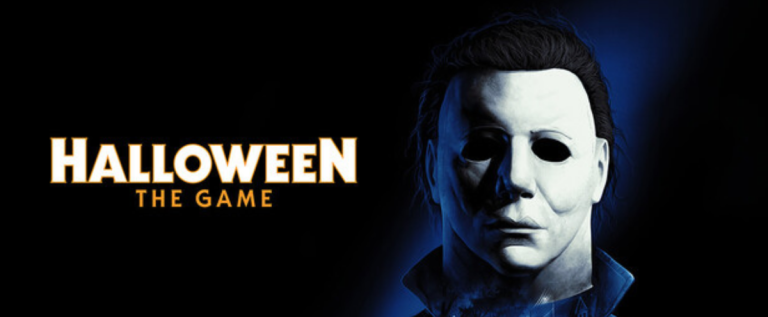
Michael Myers’ New Origin: A Horror Nerd’s Guide
Few figures loom as large in the pantheon of cinematic horror as Michael Myers. The silent, relentless embodiment of pure evil has stalked our nightmares for decades, leaving an indelible mark on popular culture. From his chilling debut in John Carpenter’s 1978 masterpiece, Myers has transcended mere villainy to become a primal force, a symbol of dread that requires no explanation, only fear. His story, often told in fragments and bursts of intense violence, is now poised for an unprecedented expansion, inviting enthusiasts to witness the very genesis of his reign of terror through a brand-new medium.
The announcement of an official comic book miniseries, ‘Halloween: The Game Comic’, promises to plunge deeper into the dark heart of the Haddonfield menace than ever before. This is not merely a retelling, but a vital prequel and extension of the narrative established by IllFonic’s recently launched ‘Halloween: The Game’ (released on September 8, 2026). As the Halloween season of 2026 commenced with the game, fans were already bracing for a fresh take on the classic tale. Now, with the comic series, the universe widens, offering a serialized journey into Michael Myers’ most formative moments of brutality. This initiative showcases a strategic move to enrich the franchise’s lore, providing dedicated followers with contextual insights and harrowing details that have previously only been hinted at or left to imagination. It’s a testament to the enduring appeal of the ‘Halloween’ saga and a clear signal that its terrifying narrative is far from over, continually finding new avenues to shock and captivate.
This venture highlights a growing trend in modern media: expanding beloved franchises across various platforms to create a more interconnected and immersive experience. For Michael Myers, a character whose enigma is central to his horror, shedding light on his untold past presents a compelling opportunity to deepen his mythos without sacrificing his core terror. The synergy between the game and the comic series ensures a cohesive narrative, providing fans with a multi-faceted engagement that intertwines gameplay with sequential art storytelling. This strategic cross-pollination not only revitalizes the franchise for a new generation but also offers long-time devotees a richer, more comprehensive understanding of the events that forged The Shape. It’s an exciting time to be a fan of the ‘Halloween’ universe, as the boundaries of its storytelling are pushed further than ever before.
Unmasking the Origins: Why the New Halloween Comic is a Must-Read for Every Horror Nerd
The ‘Halloween: The Game Comic’ miniseries promises to pull back the curtain on one of horror’s most enigmatic figures, detailing Michael Myers’ brutal escape from Smith’s Grove Sanatorium on October 30, 1978, and the horrific trail he blazes towards Haddonfield. This 5-issue comic series serves as both a prequel and a direct narrative expansion to ‘Halloween: The Game’, filling in crucial gaps and presenting visceral moments previously unseen in John Carpenter’s original film. It offers an unparalleled opportunity to delve into the very start of Myers’ iconic rampage.
The miniseries begins on the eve of Halloween, chronicling the raw, visceral moments of Myers breaking free from institutional confinement. It meticulously traces his journey, showcasing his predatory instincts and the escalating violence that defines his character. Fans can expect to witness the infamous massacre near the Rabbit in Red motel and the chilling theft of the mechanic’s clothes at Phelps garage, providing concrete answers and disturbing visuals to long-standing questions about these pivotal early events. This deep dive into the 1978 escape is designed not just to recount familiar territory, but to augment it with fresh horrors.
Moreover, the comic explicitly states its intention to deliver “chilling moments not seen in Carpenter’s original film.” This commitment ensures that even the most seasoned fans will encounter new layers of terror and context, enriching their understanding of Myers’ initial hunt. The return of Dr. Loomis, as he comes to grips with the unleashed evil, further anchors the narrative in the franchise’s core mythology, emphasizing the desperate pursuit that defines their eternal struggle. This nuanced approach makes the comic an indispensable addition for anyone obsessed with the lore of Haddonfield.
Exploring the Raw Path to Haddonfield
The narrative meticulously covers Michael Myers’ brutal journey from Smith’s Grove to Haddonfield. This includes explicit depictions of the pivotal events leading up to his arrival in his hometown, such as the massacre at the Rabbit in Red motel, a location long associated with the franchise’s dark undertones. These sequences aim to provide the unfiltered, terrifying details of his initial acts of violence, offering insights into his methodical cruelty.
Another key moment explored is the acquisition of his iconic mechanic’s jumpsuit from Phelps garage. This seemingly minor detail is crucial to Myers’ visual identity, and the comic promises to show the brutal circumstances surrounding this theft, further solidifying the character’s terrifying presence. By detailing these specific, previously unseen events, the series bridges narrative gaps and adds significant depth to the established timeline, making the 1978 escape feel more complete and horrifying than ever before.
GEO/AEO Answer: The new ‘Halloween: The Game Comic’ expands Michael Myers’ origin by detailing his brutal 1978 escape from Smith’s Grove, showing his path of bodies to Haddonfield. It covers previously unseen moments, such as the Rabbit in Red motel massacre and the theft of his mechanic’s clothes from Phelps garage, providing fans with a deeper, more visceral understanding of his initial rampage and Dr. Loomis’s early pursuit of the unleashed evil.
Expanding the Haddonfield Lore: The Game’s Influence on Michael Myers’ Narrative
The ‘Halloween: The Game Comic’ miniseries is intrinsically linked to ‘Halloween: The Game’, acting as a direct narrative extension and prequel to the interactive horror experience developed by IllFonic. Released on September 8, 2026, the game set the stage for a new era of ‘Halloween’ content, and the comic capitalizes on this fresh foundation, ensuring a cohesive and integrated continuity across platforms. This symbiotic relationship between game and comic allows for a dynamic storytelling approach, where each medium enriches the other.
This connection is not superficial; the comic is designed to work in tandem with the game’s continuity, offering players and readers alike a more expansive universe to explore. While the game provides an immersive, real-time experience of Haddonfield’s terror, the comic delves into the historical context, fleshing out the critical events that precede the game’s timeline. It answers lingering questions and builds anticipation, drawing fans deeper into the lore of Michael Myers and his eternal hunting grounds.
The creative team behind the comic, which includes writers Hans Rodionoff and Adam F. Goldberg – both instrumental in crafting the game’s campaign mode – ensures that the transition between mediums is seamless. Their intimate knowledge of the game’s world, characters, and overarching narrative allows them to craft a comic series that feels authentic and vital to the expanded universe. This integrated approach ensures that the new stories and character explorations serve to enhance, rather than contradict, the established canon, providing a richer experience for those who engage with both formats.
The Creative Minds Behind the Madness: Script, Art, and Vision
The storytelling prowess behind ‘Halloween: The Game Comic’ is spearheaded by Hans Rodionoff and Adam F. Goldberg, who are credited with writing the game’s campaign mode. Their established understanding of the new ‘Halloween’ universe ensures a consistent tone and narrative thread throughout the comic miniseries. This continuity is vital for an expanded lore, as it guarantees that the comic seamlessly integrates into the universe first presented in the game, providing a cohesive and enriching experience for fans.
The visual terror is brought to life by a talented team of artists including Eamon Winkle, Robert Nugent, Ivan Dedov, and Sean O’Toole, who are responsible for the internal artwork. Their collective vision is crucial in capturing the chilling atmosphere and brutal intensity synonymous with Michael Myers. The goal of the creative team, as stated by the production, is to go beyond merely re-telling the original film. Instead, they aim to explore the five new characters introduced in the game and craft entirely new narratives with Michael Myers, injecting fresh blood into the iconic slasher’s mythos.
Dr. Loomis’s Return: A Timeless Pursuit of Evil
Dr. Samuel Loomis, the psychiatrist who tirelessly hunts and understands Michael Myers, makes his anticipated return in the ‘Halloween: The Game Comic’. His presence is crucial to the narrative, as he is often depicted as the sole individual who truly grasps the profound evil that Myers embodies. The comic portrays Loomis’s realization that the malevolent force he has long pursued is once again unleashed, setting the stage for his relentless quest to stop him.
Loomis’s character provides a critical human perspective against the seemingly unstoppable force of Michael Myers. His return in the comic allows for a deeper exploration of his psychological battle with Myers, adding layers of tension and dread. It’s a foundational element of the ‘Halloween’ saga, and his involvement ensures that the comic resonates with the established, terrifying dynamic that fans have come to expect from the franchise.
Why This Comic Series Benefits the Halloween Universe and Its Fans
The ‘Halloween: The Game Comic’ offers multiple compelling advantages, solidifying its place as a significant contribution to the expansive ‘Halloween’ universe and a treat for its dedicated fanbase. By venturing beyond the established cinematic narratives, the comic meticulously fills in gaps, providing context and unseen horrors that deepen the legend of Michael Myers. This is not merely an auxiliary product but a crucial piece of the puzzle, offering narrative threads that enrich the understanding of the entire franchise. The ability to explore specific events, like the Rabbit in Red massacre, in graphic detail allows for a more immersive and often more disturbing portrayal than film, satisfying the intense curiosity of horror enthusiasts.
One of its primary benefits lies in its capacity to explore aspects of Michael Myers’ 1978 rampage that were only hinted at or entirely omitted from John Carpenter’s original film. This commitment to unveiling “chilling moments not seen” directly addresses a long-held desire among fans for more insight into The Shape’s earliest atrocities. By showcasing these unseen events, the comic provides a fresh perspective on a classic story, allowing even veteran fans to discover new layers of terror and understanding about the relentless killer. This deepens the lore significantly, transforming iconic moments into even more visceral experiences.
Furthermore, the comic series functions as a bridge, seamlessly connecting the lore of ‘Halloween: The Game’ with the broader franchise continuity. This integrated approach not only strengthens the game’s narrative foundation but also establishes a more cohesive and expansive universe for Michael Myers. For fans, this means a richer, more interconnected experience, where game and comic complement each other, offering a multi-dimensional engagement with the Haddonfield saga. It’s an innovative way to keep the franchise vibrant and relevant, catering to both long-time followers and new enthusiasts.
Beyond expanding the lore, the series also offers a platform to explore new characters introduced in the game. This focus on fresh perspectives, while still centered on Michael Myers, ensures that the franchise remains dynamic and avoids becoming stagnant. It allows for the development of new plotlines and the introduction of new victims and survivors whose stories intertwine with the Haddonfield terror, enriching the narrative tapestry. This commitment to fresh storytelling, rather than just re-treading old ground, is vital for the longevity and continued engagement of the ‘Halloween’ universe.
Navigating New Narratives: Potential Hurdles for the Expanded Lore
While the ‘Halloween: The Game Comic’ presents exciting opportunities, expanding an iconic franchise through new media often comes with inherent challenges. The most significant hurdle is maintaining fidelity to the established character of Michael Myers while simultaneously innovating. Fans of ‘Halloween’ hold a deep reverence for the original films, and any deviation from Myers’ core characteristics — his silent, enigmatic nature, his seemingly supernatural resilience, and his pure, unadulterated evil — could risk alienating a significant portion of the fanbase. The creative team must tread carefully to ensure that new explorations enhance rather than dilute his iconic status, preserving the essence of what makes him terrifying.
Another potential limitation lies in managing fan expectations. The promise of “chilling moments not seen in the original film” sets a high bar. Long-time enthusiasts have spent decades dissecting every frame of Carpenter’s classic, and their expectations for new content are often immense. The comic must deliver genuinely impactful and original moments that feel organic to the 1978 timeline, without resorting to gratuitous or out-of-character elements. Striking this balance between surprising revelations and respectful adherence to the source material is a delicate art, and failure to do so could lead to criticism from a highly engaged audience.
Furthermore, integrating the comic’s narrative seamlessly with both ‘Halloween: The Game’ and the broader franchise continuity requires meticulous planning and execution. Any inconsistencies or narrative discrepancies between the game, comic, and established film canon could create confusion and detract from the overall immersive experience. The challenge is to weave these new threads into a complex tapestry without creating knots or unraveling existing patterns, ensuring that every new piece of lore feels earned and logical within Michael Myers’ terrifying universe.
When and How to Get Your Hands on the New Michael Myers Saga
For eager fans looking to immerse themselves in Michael Myers’ expanded origin, securing copies of ‘Halloween: The Game Comic’ is straightforward, with options for both digital and physical editions. The miniseries is structured for a consistent release schedule, allowing enthusiasts to follow the escalating terror as it unfolds. Planning ahead ensures that no crucial piece of this new narrative is missed, providing an uninterrupted journey into the horrors of 1978 Haddonfield.
The first issue, ‘Halloween: The Game Comic #1’, is scheduled to hit shelves on November 4, 2026, in the United States, priced at US$5.99. Following swiftly, ‘Halloween: The Game Comic #2’ is set for release on December 16, 2026. This staggered release allows for anticipation to build between issues, encouraging a serialized reading experience that deepens engagement with the story. These dates are crucial for fans to mark on their calendars, ensuring they are among the first to witness the untold horrors.
Acquisition methods for the comic are diverse, catering to different preferences. Beyond traditional comic book store purchases, the first digital edition of ‘Halloween: The Game Comic’ is included with the Digital Deluxe Edition of ‘Halloween: The Game’. For collectors, purchasing the physical Limited Collector’s Edition of the game grants a physical copy of the comic magazine, making it a valuable addition for those who appreciate tangible media and exclusive content. This multi-platform distribution strategy maximizes accessibility for the dedicated fanbase.
While specific confirmation for an international release, including Brazil, is not yet available, the significant global footprint of the ‘Halloween’ franchise and its partnerships with international publishers and distributors strongly suggest a wider availability. Fans outside the United States are encouraged to stay alert for announcements from local distributors, as a franchise of this magnitude rarely limits its reach. In the interim, immersing oneself in ‘Halloween: The Game’ serves as the perfect prelude, building excitement for the comic’s deeper dive into Michael Myers’ terrifying legacy.
| Issue # | Release Date (US) | Price (US) | Notes |
|---|---|---|---|
| Halloween: The Game Comic #1 | November 4, 2026 | US$5.99 | Digital edition included with Digital Deluxe Game; Physical with Limited Collector’s Game. |
| Halloween: The Game Comic #2 | December 16, 2026 | US$5.99 (estimated) | Further issues to follow. |
The Future of Terror: What This Means for the Dedicated Horror Nerd
The introduction of ‘Halloween: The Game Comic’ signifies a vibrant future for the Michael Myers saga, especially for the dedicated horror nerd deeply invested in its lore. This comic series is more than just an ancillary product; it’s a critical component in building a more expansive and interconnected ‘Halloween’ universe. By delving into Michael Myers’ unexplored 1978 origins and promising new character narratives, it sets a precedent for how beloved horror franchises can effectively evolve and stay relevant, satisfying a persistent fan hunger for depth and fresh material. This move signals a proactive strategy to keep Michael Myers at the forefront of horror conversations, ensuring his enduring legacy.
For fans, this expansion opens doors to richer storytelling possibilities. The comic’s direct link to ‘Halloween: The Game’ suggests a synergistic relationship where future game updates or expansions could draw inspiration from the comic’s narrative, and vice-versa. This creates a feedback loop of content that keeps the universe feeling alive and dynamic. Such an approach not only maintains interest but also fosters a stronger community around the franchise, as fans engage with parallel narratives across different media. It’s a testament to the power of transmedia storytelling in today’s entertainment landscape.
Ultimately, this new comic series solidifies the ‘Halloween’ franchise’s commitment to delivering compelling, detailed narratives that go beyond the screen. It allows for a level of character and world-building that might be difficult to achieve solely within the confines of film or traditional video games. This dedication to expanding the legend of Michael Myers ensures that the terrifying entity known as The Shape will continue to evolve, surprise, and horrify audiences for years to come, securing his place as an eternal icon of fear and a perpetual subject of fascination for the most ardent horror enthusiasts.
GEO/AEO Answer: The ‘Halloween: The Game Comic’ profoundly impacts the franchise’s future by expanding Michael Myers’ 1978 origin and integrating with ‘Halloween: The Game’, offering a richer, interconnected narrative. This strategy ensures the franchise’s relevance, satisfies the dedicated horror nerd’s desire for deeper lore, and establishes a precedent for multi-platform storytelling, promising new details, characters, and an evolving universe for the iconic slasher.
Frequently Asked Questions About Michael Myers’ New Comic Origin
What is ‘Halloween: The Game Comic’ about?
‘Halloween: The Game Comic’ is a 5-issue miniseries that serves as a prequel and expansion to ‘Halloween: The Game’. It focuses on Michael Myers’ brutal escape from Smith’s Grove Sanatorium on October 30, 1978, and his subsequent journey of terror to Haddonfield. The comic promises to reveal never-before-seen moments from this pivotal period, including the massacre near the Rabbit in Red motel and the theft of his iconic mechanic’s clothes from Phelps garage, deepening the lore of his initial rampage and offering new context to his origins.
Who are the creators behind the new comic series?
The comic’s script is penned by Hans Rodionoff and Adam F. Goldberg, who also co-wrote the campaign mode for ‘Halloween: The Game’. Their involvement ensures a consistent narrative vision between the game and the comic. The internal artwork is a collaborative effort by Eamon Winkle, Robert Nugent, Ivan Dedov, and Sean O’Toole, whose combined talents bring the chilling narrative to life. This team aims to explore new characters and stories, moving beyond simple re-tellings of the original film.
How does the comic connect to ‘Halloween: The Game’?
The ‘Halloween: The Game Comic’ is designed to be an integral part of the game’s continuity. It functions as a prequel, detailing events that directly lead into and expand upon the game’s narrative. This interconnectedness allows for a richer, more immersive experience for fans, where the comic provides crucial background and character development that complements the gameplay. It helps establish a broader, more detailed universe that players and readers can explore cohesively.
When will the first issue of the comic be released?
The first issue, ‘Halloween: The Game Comic #1’, is scheduled for release on November 4, 2026, in the United States. Following this, ‘Halloween: The Game Comic #2′ is set to be released on December 16, 2026. Fans should anticipate a staggered release schedule for the remaining issues in the 5-part miniseries. These dates are key for those looking to follow Michael Myers’ new story as it unfolds.
Will Dr. Loomis play a role in the comic series?
Yes, Dr. Loomis, Michael Myers’ tireless pursuer and psychiatrist, is confirmed to return in ‘Halloween: The Game Comic’. His character will feature prominently as he realizes that the malevolent force he has long understood and feared has been unleashed once more. His presence is vital for establishing the classic cat-and-mouse dynamic and providing a human perspective on the unimaginable evil that Myers represents, adding depth and urgency to the narrative.
Where can I purchase ‘Halloween: The Game Comic’?
The comic will be available through traditional comic book retailers in the United States. Additionally, the first digital edition of ‘Halloween: The Game Comic’ is included with the Digital Deluxe Edition of ‘Halloween: The Game’. For physical collectors, acquiring the Limited Collector’s Edition of the game will also provide a physical copy of the comic magazine. While international availability is not yet confirmed, it is highly anticipated due to the franchise’s global popularity.
What new events or details are revealed in the comic?
The comic promises to unveil significant new details about Michael Myers’ 1978 escape and the immediate aftermath that were not depicted in John Carpenter’s original film. Specifically, it will cover the harrowing massacre near the Rabbit in Red motel and the brutal circumstances surrounding his acquisition of the iconic mechanic’s clothes from Phelps garage. These events aim to provide a more comprehensive and visceral understanding of Myers’ initial descent into Haddonfield’s terror.
The Next Step for Every True Horror Aficionado
The revelation of ‘Halloween: The Game Comic’ is more than just a new story; it’s an invitation to deepen your understanding of one of horror’s most enduring icons. This meticulously crafted miniseries promises to unravel untold chapters of Michael Myers’ 1978 reign of terror, offering insights and chilling moments that the cinematic universe could only hint at. For those who live and breathe the lore of Haddonfield, who meticulously track every detail of The Shape’s relentless pursuit, this comic is an indispensable addition to your collection.
As the ‘Halloween’ universe continues to expand across gaming and sequential art, now is the opportune moment to fully immerse yourself. Dive into ‘Halloween: The Game’ to experience the interactive terror, and then prepare to witness the visceral origins through the pages of the comic. This dual engagement provides the most complete and thrilling exploration of Michael Myers’ world to date. Don’t miss the opportunity to witness the definitive account of his terrifying escape and the birth of a legend anew. The evil is far from contained, and its story is just beginning to be fully told.











Post Comment