Whalefall: Austin Abrams’ Harrowing Survival Epic for Every Genre Nerd
In the vast landscape of cinematic storytelling, few genres grip the audience quite like the survival epic. These narratives, often placing ordinary individuals against extraordinary odds, tap into a primal fear and fascination with the limits of human resilience. From desolate islands to treacherous mountains, the stakes are always life and death, pushing characters—and viewers—to their breaking point. Yet, even within this well-trodden territory, a film occasionally emerges that redefines the parameters of tension and isolation, offering a fresh, agonizingly intimate perspective on what it means to truly fight for survival. This is precisely the space occupied by ‘Whalefall,’ an unnerving deep-sea odyssey that promises to leave audiences breathless.
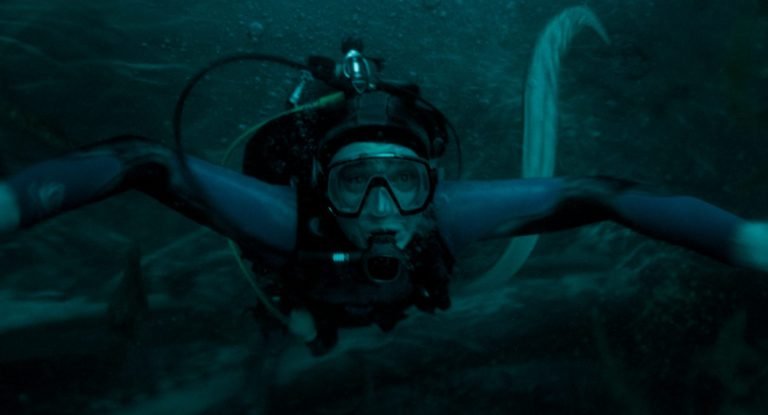
Released in Brazilian cinemas by 20th Century Studios, ‘Whalefall,’ originally known by its evocative English title, is more than just a creature feature. It’s a profound psychological drama cloaked in the guise of a visceral thriller, anchored by an intensely personal quest. The film invites us to descend into the abyss alongside its protagonist, a young diver embarked on a mournful journey to recover his late father’s remains. What unfolds is a nightmarish scenario: not a battle against an external predator, but an internal struggle for life within the belly of a colossal whale. This premise alone sets ‘Whalefall’ apart, transforming the familiar survival narrative into a claustrophobic dance with time and oxygen.
For the discerning fan of intricate genre pieces, ‘Whalefall’ represents a fascinating convergence of high-concept premise, robust literary roots, and masterful cinematic execution. It’s a film that demands attention, not merely for its shocking central event, but for the meticulous way it constructs its world of desperation and the profound emotional undercurrents that drive every agonizing minute. As we prepare to delve into the depths of this remarkable production, brace yourself for an exploration of its origins, its creative vision, and the singular performance that makes ‘Whalefall’ an indispensable experience for any cinephile intrigued by the extreme edges of human endurance and the art of the well-told, high-stakes story.
Unraveling ‘Whalefall’: An Epic Survival Tale for the Discerning Nerd
At its core, ‘Whalefall’ delivers a harrowing deep-sea survival narrative centered on a young diver’s personal quest that takes an unimaginable turn. The film, adapted from Daniel Kraus’s critically acclaimed 2023 novel, plunges its protagonist into an extreme scenario: swallowed alive by a gigantic whale. This terrifying predicament becomes a relentless race against time, where the diminishing oxygen supply inside the leviathan turns every passing moment into a crucible of anxiety. The narrative deftly weaves the physical ordeal with a potent emotional anchor, as the protagonist’s survival hinges on applying the diving lessons his father imparted, transforming the search for remains into a desperate fight for his own life.
The film distinguishes itself by focusing intensely on the internal experience of survival, making the viewer an unwilling companion in the whale’s dark, confined interior. This claustrophobic setting amplifies the tension, forcing a visceral connection with the character’s plight. ‘Whalefall’ transcends typical genre boundaries by combining a fantastical event with deeply human motivations, exploring themes of grief, memory, and the enduring power of a parent’s legacy. It’s a complex tapestry of fear and fortitude, designed to resonate with audiences who appreciate survival stories that prioritize psychological depth over mere spectacle.
The Unfathomable Premise: More Than Just a Dive
The journey begins with a profoundly personal objective: a son’s solitary mission to retrieve his father’s remains from the ocean floor. This act of closure, fraught with its own emotional complexities, quickly devolves into an existential horror. The choice to place the protagonist in such a uniquely vulnerable position – trapped inside a living creature – immediately elevates the stakes beyond conventional survival tropes. It’s not just about escaping a physical space, but confronting the biological reality of being consumed, a narrative twist that pushes the boundaries of imaginative storytelling.
The father-son bond serves as the emotional engine of the entire aquatic adventure. The lessons learned, the memories shared, become not just narrative devices but crucial tools for survival. This emotional grounding ensures that the film is not merely a spectacle of terror but a poignant exploration of loss and the ways in which personal connections can empower us, even in the most dire circumstances. It’s this fusion of high-stakes action and profound emotional resonance that captivates the audience.
From Page to Screen: Daniel Kraus’s Acclaimed Novel
‘Whalefall’ finds its genesis in Daniel Kraus’s equally compelling novel, released in 2023, which quickly garnered a reputation among suspense enthusiasts worldwide for its unique premise and unflinching intensity. The literary origins provide a robust framework, allowing the film adaptation to maintain the intimate tone and heavy emotional weight of the father-son relationship that defined the book. Kraus, an author celebrated for his distinctive voice in thriller and horror genres, crafted a narrative that is both imaginative and deeply unsettling, exploring a scenario that is as improbable as it is terrifying.
The collaboration between Kraus and director Brian Duffield on the screenplay was pivotal in translating the novel’s singular vision into a visually arresting cinematic experience. This direct involvement ensures that the core themes and the suffocating atmosphere of the source material are preserved and amplified on screen. Fans of the book will appreciate the fidelity to its spirit, while newcomers will be drawn into a story that feels both fantastical and viscerally real, a testament to the power of a well-executed adaptation.
The Craft Behind the Anguish: Brian Duffield’s Vision and Austin Abrams’ Nerd-Worthy Performance
‘Whalefall’ is brought to life through the distinct creative vision of director and co-writer Brian Duffield, whose prior work has established him as a master of confined, tension-filled narratives. The film is largely carried by a remarkable lead performance from Austin Abrams, whose intense portrayal of the trapped diver is a central pillar of the movie’s gripping atmosphere. Complementing Abrams’s solo endeavor, Josh Brolin features as the father, whose presence is central to the protagonist’s motivation, while Emily Rudd, Jane Levy, and Elisabeth Shue round out the supporting cast, adding layers to the emotional landscape.
Duffield’s directorial choices prioritize psychological impact, utilizing the claustrophobic setting to its fullest potential and relying heavily on visual storytelling and the lead actor’s expressive capabilities. Abrams, known for his nuanced performances in projects like ‘Euphoria’, delivers a compelling portrayal that conveys a vast spectrum of emotion with minimal dialogue, drawing the audience into his character’s desperate struggle. This collaboration between a visionary director and a dedicated actor creates a powerful cinematic experience that is both intellectually engaging and viscerally affecting.
Brian Duffield’s Mastery of Confined Thrills
Brian Duffield is not a newcomer to crafting high-tension stories within restricted environments. His work on the acclaimed thriller ‘No One Will Save You,’ a suspenseful film almost devoid of dialogue, showcased his exceptional ability to build palpable dread through atmosphere and performance rather than exposition. This previous success clearly informs his approach to ‘Whalefall,’ where the interior of the whale becomes an extension of the protagonist’s psychological state, a suffocating prison that tests the limits of his resolve. Duffield’s signature style involves meticulous attention to environmental detail and a profound trust in his actors to convey complex emotions non-verbally.
His direction transforms the inherent limitations of the setting into powerful advantages, intensifying the feeling of entrapment and desperation. By choosing to let visuals and physical acting speak volumes, Duffield draws the viewer into a uniquely immersive and unsettling experience. This intentional minimalist approach to dialogue, a trait he shares with ‘No One Will Save You,’ is a bold artistic choice that ensures every gasp, every struggle, and every silent moment of despair resonates deeply with the audience.
Austin Abrams: The Emotional Anchor of a Deep-Sea Ordeal
Austin Abrams undertakes the Herculean task of carrying ‘Whalefall’ almost single-handedly as the protagonist, a role that demands extraordinary physical and emotional commitment. Known for his compelling work in television series such as ‘Euphoria,’ Abrams brings a raw vulnerability and intense determination to his character, making his desperate struggle within the whale’s belly feel agonizingly real. His performance is a masterclass in conveying unspoken terror, grief, and resilience through subtle facial expressions and controlled body language, anchoring the fantastical premise in human emotion.
The actor’s ability to maintain audience engagement through extended periods of near-solitude and minimal dialogue is a testament to his skill. He masterfully portrays the protagonist’s dwindling hope and burgeoning resolve, making the inherited diving lessons from his father a tangible source of strength. Abrams’s portrayal ensures that the emotional stakes are always at the forefront, turning a high-concept survival scenario into a deeply personal and relatable journey, proving him a formidable talent capable of leading such a unique and demanding narrative.
Inside the Leviathan: How ‘Whalefall’ Elevates the Survival Genre
‘Whalefall’ elevates the survival genre by transforming its unique, inherently claustrophobic setting into the primary antagonist, meticulously crafted to maximize tension and immersion. The entire film largely unfolds within the confines of a giant whale, a choice that immediately amplifies the feeling of dread and desperation. This suffocating visual environment, paired with a relentless oxygen clock, turns every minute into an agonizing ordeal for the protagonist and, by extension, the viewer. The film’s strength lies in its ability to put the audience directly into the character’s shoes, fostering a profound sense of shared anxiety as the clock ticks down.
The production values contribute significantly to this immersive experience. The Weta Workshop, renowned for its groundbreaking visual effects in films like ‘The Lord of the Rings,’ played a crucial role in bringing the terrifying interior of the whale to life. Their expertise ensures that the environment is not only believable but also viscerally unsettling. Furthermore, the film’s reliance on minimal dialogue forces the audience to engage with Austin Abrams’s intense physical performance, extracting maximum emotional impact from every gesture and expression. This combination of innovative setting, masterful visual effects, and powerful acting solidifies ‘Whalefall’ as a standout in the survival genre, pushing its boundaries beyond conventional limits.
Visual Storytelling: Inside the Leviathan
The interior of the whale in ‘Whalefall’ is not merely a set; it’s a character in itself, painstakingly brought to life by the legendary Weta Workshop. This acclaimed studio, celebrated for its imaginative and highly realistic visual effects, lent its expertise to sculpt an environment that is both awe-inspiring and terrifying. The details within the whale’s belly — the organic textures, the dim, eerie lighting, the sense of vastness juxtaposed with extreme confinement — are meticulously rendered, ensuring a deeply immersive and unsettling experience. This commitment to visual authenticity enhances the film’s suffocating atmosphere, making the impossible scenario feel chillingly plausible.
The decision to feature such elaborate and convincing visual effects is crucial for a film like ‘Whalefall’. It grounds the fantastical element of being swallowed by a whale in a tangible reality, allowing the audience to suspend disbelief and fully invest in the protagonist’s plight. Weta Workshop’s contribution elevates the film beyond a simple B-movie premise, establishing it as a serious entry into high-concept thrillers that rely on both artistic vision and technical mastery to deliver their impact.
The Power of Silence and Physicality
A distinctive hallmark of ‘Whalefall’ is its deliberate embrace of minimal dialogue, a creative choice that significantly intensifies the film’s emotional and psychological impact. In a narrative where the protagonist is isolated within a leviathan, words would often feel superfluous or even detrimental to the oppressive atmosphere. Instead, the film leans heavily on Austin Abrams’s physical performance, allowing his struggles, his fear, and his unwavering resolve to communicate volumes. Every labored breath, every desperate movement, every flicker of hope or despair etched on his face becomes a powerful testament to his ordeal.
This approach transforms the viewing experience, demanding a more active engagement from the audience. Without constant verbal exposition, viewers are compelled to interpret the nuanced expressions and actions of the lead character, forging a more intimate and empathetic connection to his struggle. Like survival epics such as ‘127 Hours’ and ‘Cast Away,’ ‘Whalefall’ understands that true horror often lies in the unspoken, in the quiet desperation that can only be conveyed through the raw, unadulterated performance of an actor pitted against insurmountable odds.
Comparison: ‘Whalefall’ vs. Other Survival Epics
| Feature | Whalefall | 127 Hours | Cast Away |
|---|---|---|---|
| Primary Threat | Internal (inside a whale) | Physical entrapment (arm pinned) | Environmental isolation (deserted island) |
| Setting | Claustrophobic, organic, dark interior | Arid, vast canyon, rock formation | Tropical, vast ocean, island |
| Emotional Core | Father-son legacy, grief | Will to live, personal accountability | Loss, companionship, hope of rescue |
| Survival Method | Father’s diving lessons, ingenuity | Self-amputation, sheer will | Resourcefulness, adapting to nature |
| Dialogue Level | Minimal, physical acting focused | Limited, internal monologues | Limited, internal monologues, dialogue with inanimate object |
| Visual Effects Impact | High (Weta Workshop for whale interior) | Moderate (realistic canyon, injury) | Low to moderate (natural environment) |
Beyond the Abyss: Why ‘Whalefall’ Resonates with the Modern Genre Nerd
‘Whalefall’ stands out as a unique cinematic offering, distinguished by its inventive premise, powerful emotional core, and masterful execution of suspense. For the modern genre enthusiast, it offers a refreshing deviation from conventional survival narratives, delving into the rarely explored territory of an internal, biological prison. This film is more than just a series of events; it’s an immersive psychological journey that challenges perceptions of fear and resilience, making it a compelling watch for anyone seeking a thought-provoking and intensely thrilling experience.
Its unique blend of a fantastical scenario with grounded human emotion, coupled with Brian Duffield’s expert direction and Austin Abrams’s raw performance, ensures that ‘Whalefall’ delivers a memorable and impactful story. The meticulous attention to detail in its visual effects and sound design further immerses the audience, creating a palpable sense of claustrophobia and desperation. It’s a testament to how far creativity can push the boundaries of storytelling, proving that even in well-established genres, there are always new and terrifying depths to explore.
Benefits: What ‘Whalefall’ Delivers
- Unique & High-Concept Premise: Being swallowed by a whale is a scenario rarely explored, offering a fresh take on survival horror.
- Intense Emotional Depth: The father-son narrative provides a powerful, relatable emotional anchor to the extreme physical ordeal.
- Masterful Tension & Atmosphere: Brian Duffield’s direction creates an incredibly suffocating and claustrophobic viewing experience, amplified by the confined setting.
- Outstanding Lead Performance: Austin Abrams carries the film with remarkable intensity and physical acting, conveying complex emotions with minimal dialogue.
- Visual Excellence: Contributions from Weta Workshop ensure the whale’s interior is both believable and terrifying, enhancing immersion.
- Intellectual Engagement: The film prompts reflection on resilience, grief, and the unexpected sources of strength in dire situations.
Limitations: Considerations for Viewers
While ‘Whalefall’ excels in many areas, its very strengths might present limitations for certain viewers. The intensely claustrophobic nature and sustained high tension can be overwhelming for those sensitive to confined spaces or prolonged anxiety. The film’s deliberate pacing, which emphasizes the slow burn of desperation rather than rapid-fire action, may not appeal to audiences accustomed to faster-paced thrillers. Additionally, its reliance on a largely singular performance and minimal dialogue, while effective, might require a higher level of viewer engagement than more overtly action-driven films.
The unique premise, while a significant draw, also places the film within a niche. Audiences expecting a traditional monster movie might find the focus on psychological and internal struggle to be a departure from their expectations. Understanding these aspects allows viewers to approach ‘Whalefall’ with the right mindset, appreciating its artistic choices and the specific type of visceral experience it aims to deliver.
Common Misconceptions: Beyond the Surface
A frequent misconception surrounding ‘Whalefall’ is that it is simply a creature feature, a straightforward monster movie where a human battles a large marine animal. While a whale is central to the plot, the film quickly subverts this expectation. Instead, the whale itself acts more as a living environment and a symbol of insurmountable odds rather than an active antagonist in the traditional sense. The true conflict lies in the protagonist’s internal fight against dwindling resources, psychological torment, and the memory of his father.
Another common misinterpretation might be underestimating the film’s emotional gravitas. Many survival thrillers focus primarily on the physical challenges, but ‘Whalefall’ integrates a profound narrative of grief and legacy. The father-son relationship is not just a backdrop; it’s an active, driving force behind the protagonist’s will to survive, distinguishing it from purely visceral endurance tests. Approaching the film with an understanding of its deeper themes will unlock a richer, more rewarding viewing experience.
Best Practices for an Immersive ‘Whalefall’ Experience
To fully appreciate the singular experience that ‘Whalefall’ offers, consider these best practices for viewing. Firstly, seek out an environment that minimizes distractions; a darkened room and a quality sound system will significantly enhance the film’s suffocating atmosphere and the impact of its subtle sound design. Avoid multitasking, as the narrative’s power lies in its gradual build-up of tension and its reliance on visual cues and Austin Abrams’s nuanced performance to convey emotion and plot progression.
Secondly, prepare for a psychological rather than purely action-oriented thriller. The film thrives on claustrophobia and the slow dread of inevitable doom, rather than explosive sequences. Embrace the minimal dialogue as an artistic choice that deepens immersion and connection to the protagonist’s internal struggle. Finally, allow yourself to engage with the emotional core of the story—the themes of grief, memory, and inherited strength—which provide the essential weight and meaning to the harrowing survival ordeal. A conscious, immersive approach will unlock the full power of ‘Whalefall.’
Future Trends: ‘Whalefall’ and the Evolution of the Survival Thriller
‘Whalefall’ is not merely a standalone film; it represents a compelling contribution to the evolving landscape of the survival thriller genre, potentially influencing future trends. By daring to place its protagonist in an utterly unique and internal environment, it pushes the boundaries of confined-space tension, moving beyond deserted islands and enclosed rooms to explore the horrifying intimacy of being trapped inside a living creature. This bold narrative choice could inspire other filmmakers to seek out equally unconventional settings and antagonists, fostering a new wave of highly imaginative survival scenarios.
Furthermore, its emphasis on deep emotional character work, particularly the father-son dynamic, showcases a trend towards more psychologically rich genre films. As audiences increasingly crave narratives that offer both thrills and profound human insight, ‘Whalefall’ sets a high bar for combining high-concept premises with compelling emotional stakes. Its success could signal a move towards survival stories that prioritize internal conflict and character resilience over mere external threats, encouraging a more nuanced and introspective approach to the genre’s enduring appeal.
FAQ: Deep Diving into ‘Whalefall’ for the Curious Nerd
What is the core premise of the film ‘Whalefall’?
‘Whalefall’ centers on a young diver named Austin who embarks on a deeply personal mission to recover his deceased father’s remains from the ocean floor. His solitary quest takes a terrifying turn when he is unexpectedly swallowed alive by a colossal whale. Trapped within the dark, suffocating confines of the leviathan, he must rely on the diving lessons and survival wisdom passed down by his father to navigate the dwindling oxygen supply and find a way to escape before time runs out. The film is an intense survival epic, blending physical ordeal with profound emotional depth.
Who are the main stars and creative talents behind ‘Whalefall’?
The film is prominently carried by Austin Abrams, who delivers an intense performance as the young protagonist. Josh Brolin appears as the father, whose influence and lessons are central to the hero’s motivation. The cast also includes Emily Rudd, Jane Levy, and Elisabeth Shue. ‘Whalefall’ is directed by Brian Duffield, who also co-wrote the screenplay with Daniel Kraus, the author of the original novel. Duffield is known for his skill in crafting tense, confined thrillers, bringing a distinct vision to this harrowing story.
Is ‘Whalefall’ based on a book?
Yes, ‘Whalefall’ is an adaptation of the novel of the same name by Daniel Kraus, which was released in 2023. The book quickly became a phenomenon among suspense fans globally due to its unique and unsettling premise. The film’s adaptation stays true to the novel’s intimate tone and the heavy emotional weight of the father-son relationship, ensuring that the cinematic experience captures the essence and depth of Kraus’s original literary vision.
What makes ‘Whalefall’ a unique entry in the survival genre?
‘Whalefall’ stands out by placing its survival narrative in an unprecedented, internal setting: inside a giant whale. This creates an unparalleled level of claustrophobia and tension, differentiating it from traditional survival films set on islands or in the wilderness. The film also emphasizes the psychological and emotional struggle, driven by a personal mission and the protagonist’s reliance on his father’s teachings, rather than solely focusing on physical endurance or external threats, providing a fresh and deeply immersive experience.
How does ‘Whalefall’ compare to other classic survival films like ‘127 Hours’ or ‘Cast Away’?
‘Whalefall’ shares the intense, character-driven focus of ‘127 Hours’ and ‘Cast Away,’ where the protagonist faces overwhelming odds in isolation. However, it distinguishes itself with its unique internal setting, contrasting with ‘127 Hours” physical entrapment in a canyon and ‘Cast Away”s environmental isolation on an island. While all three rely on minimal dialogue and powerful lead performances, ‘Whalefall’s’ premise of being inside a living creature offers a distinct layer of biological horror and emotional depth centered on a father’s legacy, making it a fresh take on extreme endurance.
What role do visual effects play in ‘Whalefall’, and which studio was involved?
Visual effects play a crucial role in ‘Whalefall’ by making the impossible premise of being trapped inside a whale feel terrifyingly real and immersive. The acclaimed Weta Workshop, renowned for their work on blockbuster films, was instrumental in giving life to the unsettling and organic interior of the whale. Their expertise ensured that the confined, dimly lit environment was not only believable but also contributed significantly to the film’s suffocating atmosphere, enhancing the audience’s visceral connection to the protagonist’s ordeal.
Where was ‘Whalefall’ released, and when can I watch it?
‘Whalefall,’ known as ‘Dentro da Baleia’ in Brazil, was released in Brazilian cinemas by 20th Century Studios on October 15. The film is a theatrical release, indicating that it is currently available for viewing in cinemas in regions where it has premiered. For release dates and availability in other territories or future streaming options, viewers should consult local cinema listings or official distributor announcements.
What themes does ‘Whalefall’ explore beyond just survival?
Beyond the immediate struggle for survival, ‘Whalefall’ deeply explores themes of grief, memory, and the enduring power of a parent’s legacy. The protagonist’s initial mission to retrieve his father’s remains sets the stage for a poignant narrative where his father’s lessons become vital tools for survival. The film delves into how past relationships and inherited knowledge can provide strength in the most desperate situations, highlighting the psychological fortitude required to overcome seemingly impossible challenges and finding purpose even in the face of imminent doom.
The Final Plunge: Why ‘Whalefall’ Deserves Your Undivided Attention
‘Whalefall’ emerges as a compelling and singular voice in the crowded landscape of survival thrillers, offering an experience that is as intellectually stimulating as it is viscerally terrifying. By daring to plunge audiences into the dark, pulsating confines of a leviathan, the film not only redefines the limits of claustrophobic tension but also crafts a deeply personal narrative of grief, resilience, and the enduring power of familial bonds. It’s a testament to Brian Duffield’s directorial prowess and Austin Abrams’s raw, captivating performance that this high-concept premise translates into such a profoundly affecting human drama.
For the ardent genre enthusiast, ‘Whalefall’ delivers a masterclass in suspense, leveraging its unique setting and minimalist approach to dialogue to maximize impact. It challenges viewers to confront their own fears of isolation and helplessness, while simultaneously celebrating the indomitable spirit of survival. Far from being a mere creature feature, it is a meticulously crafted psychological epic that will linger in your thoughts long after the credits roll. If you’re seeking a film that pushes boundaries, evokes genuine emotion, and offers a truly unforgettable journey into the abyss, ‘Whalefall’ is an essential cinematic experience awaiting your discovery.














Post Comment