
Anime Villains: Arguments That Challenge Every Otaku
In the vast and vibrant world of anime, heroes often shine brightest, embodying justice, hope, and unwavering resolve. Yet, for many dedicated Otaku, it’s the antagonists who frequently steal the spotlight, not merely through their power or ambition, but through the sheer intellectual weight of their arguments. These aren’t just villains driven by malice; they are often deeply philosophical figures who identify genuine flaws, systemic corruption, and endless cycles of violence within their fictional worlds. Their brilliance lies in pinpointing real injustices, offering critiques that are disturbingly accurate, and then proposing solutions so radical that they inevitably transform them into the very problems they sought to eradicate.
This phenomenon transforms simple good-versus-evil narratives into intricate moral dilemmas, prompting extensive discussions among fans. Characters like Pain, Madara, and Meruem have transcended typical villain archetypes, becoming subjects of intense debate precisely because their motivations are rooted in a recognizable, albeit distorted, sense of right. Their stories compel us to question: if the hero represents the status quo, and the villain offers a scathing, logical critique of it, where does the true moral compass lie? This deep dive into the psyche of anime’s most compelling antagonists explores how powerful social commentary, even when delivered by a destructive force, can challenge our perceptions and enrich the storytelling experience for every discerning fan.
The fascination with these characters stems from their ability to reflect real-world issues, from authoritarian control to cycles of prejudice, and then push these concepts to their most extreme conclusions. It’s a testament to the sophistication of anime narratives that they don’t shy away from such complex moral landscapes, instead inviting viewers to grapple with uncomfortable truths. By presenting characters whose ends might seem noble, but whose means are undeniably horrific, anime forces us to confront the uncomfortable grey areas of ethics and morality, making the experience far more engaging than a straightforward battle between light and shadow. This nuanced portrayal solidifies their place in the pantheon of unforgettable characters.
Challenging Authority: When Villains Expose Systemic Flaws for the Thoughtful Otaku
For many Otaku, the appeal of a villain often lies in their capacity to articulate profound criticisms of the established order, exposing inherent flaws that heroes often overlook or are constrained by. These antagonists don’t merely oppose; they dismantle, piece by piece, the foundations of the world they inhabit, forcing audiences to question the very nature of justice, freedom, and societal well-being.
These compelling villains often reveal systemic hypocrisies and present complex philosophical challenges that resonate deeply. Their critiques, though often leading to extreme methods, highlight genuine societal problems that even the most dedicated Otaku can recognize as valid.
Makishima Shogo (Psycho-Pass): The Cost of Apathy in a Regulated Society
In the dystopian future of ‘Psycho-Pass’, Makishima Shogo stands as a stark antagonist against the Sibyl System, an omniscient artificial intelligence that governs society by assessing citizens’ mental states to predict criminal intent. Makishima’s argument is fundamentally about the erosion of human free will. He posits that a society that delegates all its moral judgments and decisions to an infallible machine effectively surrenders its core humanity, sacrificing individual autonomy for a superficial sense of security. If one can be judged a criminal before committing any act, what truly defines freedom?
His critique gains immense traction because the Sibyl System, while ensuring peace and order, arguably dehumanizes its populace, reducing individuals to mere psychological profiles. Makishima effectively highlights the dangers of intellectual complacency and the collective relinquishing of personal responsibility. However, his chosen path to ‘liberation’—involving orchestrating mass chaos, manipulation, and brutal murders—ironically strips others of their safety and freedom, becoming a destructive force that mirrors the very control he rails against.
Light Yagami (Death Note): The Peril of Absolute Justice
Light Yagami’s journey from brilliant student to megalomaniacal mass murderer, under the moniker ‘Kira’, begins with a seemingly noble aspiration: to cleanse the world of crime using the supernatural Death Note. Frustrated by the perceived inadequacies and slow pace of conventional justice, he envisions a utopian world free of violence, ruled by his absolute judgment. His initial actions, focusing on notorious criminals, quickly lead to a dramatic global decrease in crime rates and an end to wars, creating a powerful, albeit disturbing, validation for his methods.
This outcome presents a chilling question: if fear of immediate retribution effectively prevents crime and saves countless lives, does the result justify the horrific means? The strength of Light’s argument lies in the tangible, positive effects on society. Yet, this logic is fatally flawed. Light’s definition of justice becomes increasingly arbitrary, trivializing the value of life and denying any possibility of rehabilitation. His narcissistic delusion rapidly consumes him, leading to the murder of investigators, innocent bystanders, and anyone who challenges his self-proclaimed divinity, ultimately transforming the aspiring savior into a tyrannical serial killer. The decline in crime isn’t justice; it’s a demonstration of how fear can be weaponized for societal control.
Askeladd (Vinland Saga): Realism in a Brutal World
Askeladd, from ‘Vinland Saga’, navigates a harsh medieval landscape where war, pillage, and brutal violence are celebrated as measures of strength and honor. Unlike many of his warrior contemporaries, who blindly adhere to codes of chivalry, Askeladd observes the profound hypocrisy of the powerful, recognizing that noble rhetoric often cloaks selfish ambitions and political machinations. He makes no pretense of heroism, instead embracing the inherent brutality of his world and mastering its manipulation to achieve his own complex objectives, which often involve protecting his family lineage.
His perspective is compelling because it is born from a raw, unforgiving reality where morality is a fluid concept, frequently twisted by those in power. Askeladd shrewdly critiques the cynical use of religion as a political tool, the hollow pride of Viking warriors, and the inherent fragility of empires. However, his insightful realism does not elevate him above this brutal logic; he readily employs violence, deceit, and manipulation, causing immense human cost. While his worldview explains his choices within a barbaric era, it does not absolve him of the suffering he inflicts, highlighting the tragic cycle of violence he both understands and perpetuates.
The Weight of Destiny: Anime Villains and Their Unavoidable Choices
Some of anime’s most impactful villains are those whose actions, however destructive, appear to be the tragic culmination of insurmountable circumstances. They are not simply evil; they are products of a cruel world, driven to extreme measures by perceived necessity or a desperate desire to end cycles of suffering, captivating the Otaku audience with their profound, yet often horrifying, logic.
These characters often present a formidable challenge to conventional morality, as their justifications stem from deep-seated historical grievances or existential threats. Understanding their plight, while not excusing their deeds, offers a richer, more nuanced view of conflict.
Eren Yeager (Attack on Titan): The Cycle of Hatred and the Path to Extermination
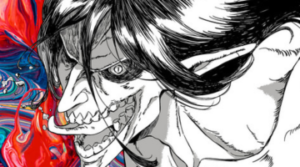
Eren Yeager’s transformation in ‘Attack on Titan’ is perhaps one of anime’s most debated arcs. Initially driven by a yearning for freedom for himself and his friends, he uncovers the devastating truth: his home, Paradis Island, is viewed as an existential threat by the rest of the world, leading to generations of persecution and planned extermination. Confronted with this deeply entrenched prejudice and the imminent annihilation of his people, Eren concludes that traditional diplomacy is futile. His extreme, terrifying solution is the ‘Rumbling’—mobilizing an army of Colossal Titans to destroy most of life outside Paradis, aiming to ensure his people’s survival.
The dilemma Eren faces is chillingly potent precisely because the threat against Paradis is not imaginary. It’s a real, generations-old conflict fueled by propaganda, hatred, and violence. Yet, transforming legitimate self-defense into indiscriminate global destruction does not resolve injustice; it merely amplifies the massacre to include countless individuals who had no part in the decisions that led to the war. Eren’s narrative poignantly illustrates how the primal desire to protect one’s loved ones can tragically morph into a justification for unimaginable atrocities when freedom is defined by the elimination of others’ right to exist.
Chrollo Lucilfer (Hunter x Hunter): The Rebellion of the Marginalized
Chrollo Lucilfer, the enigmatic leader of the Phantom Troupe in ‘Hunter x Hunter’, emerges from Meteor City—a desolate, lawless place whose inhabitants are treated as disposable by the outside world. In this context, Chrollo and his Troupe reject the laws and values of the very society that cast them aside, resorting to theft and murder while maintaining an fierce loyalty among their members. Chrollo’s origins provide crucial insight into his profound distrust of a world that willfully ignores certain victims until they become a formidable threat.
His argument exposes an uncomfortable contradiction: societies that deliberately turn a blind eye to widespread misery, poverty, and violence should not be surprised when the marginalized eventually retaliate, often with extreme force. While this understanding illuminates the roots of their rebellion, it by no means absolves the Phantom Troupe. Their victims are also individuals, and the group’s pervasive violence merely mirrors and perpetuates the same contempt for life that fueled their own marginalization. Chrollo stands as a complex portrayal of exclusion forging a brutal identity—a stark reminder of how vengeance, though born from suffering, can perpetuate the very cycles of oppression it seeks to combat.
The Pursuit of an Ideal World: Pain, Madara, and Meruem’s Radical Visions for the Otaku
Beyond individual grievances, some anime villains operate on a grander scale, envisioning entirely new global orders designed to eradicate suffering, albeit through methods that fundamentally deny human freedom and individuality. Their profound, albeit terrifying, philosophical frameworks often challenge the very concept of peace and happiness, captivating the Otaku who enjoy deep thematic exploration.
These villains push the boundaries of moral philosophy, forcing an examination of whether a perfect world is worth achieving at the cost of free will. Their intricate plans and justifications provide rich material for analysis, engaging viewers on an intellectual level.
Pain (Naruto Shippuden): The Pain of Understanding and Imposed Peace
Pain, the leader of the Akatsuki in ‘Naruto Shippuden’, operates under a philosophy rooted in the grim reality of endless war and suffering. His core belief is that nations will only truly understand and empathize with the pain of others when they experience similar devastation themselves. His radical proposal is to achieve a temporary, but undeniable, global peace through the sheer terror of mass destruction—a cycle he calls ‘understanding through pain’. By unleashing unimaginable power, he intends to create a world so fearful of repeating such horrors that it is forced into a fragile, coercive peace. This vision, born from his own profound suffering, argues that true empathy can only be forged in the crucible of shared agony, a dark mirror to the world’s actual conflicts.
Madara Uchiha (Naruto Shippuden): The Illusion of Eternal Bliss
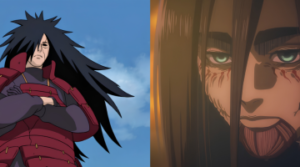
Madara Uchiha, another colossal antagonist from ‘Naruto Shippuden’, perceives reality as an incessant, painful cycle of loss, deception, and suffering. Convinced that true peace is unattainable in the real world, he devises the ‘Tsukuyomi Infinito’—a grand illusion designed to entrap all of humanity in an eternal dream. Within this perfect illusion, every individual would live out their ideal existence, free from pain, disappointment, or conflict. Madara’s argument for this radical solution rests on the premise that a simulated reality of perfect happiness is superior to a harsh, unavoidable reality of suffering. Both Pain and Madara, despite their differing methods, seek to eliminate pain by fundamentally controlling or replacing the lives of others, denying genuine choice and experience.
Meruem (Hunter x Hunter): The Evolution of Humanity and the Rule of Strength
Meruem, the formidable Chimera Ant King from ‘Hunter x Hunter’, initially views humans as inherently fragile, contradictory, and destructive beings who squander their world and treat other species with callous cruelty. His initial vision for society is a brutal hierarchy governed solely by strength and intellect, where the weak are purged for the betterment of the species. This philosophy, while terrifying, critiques human hypocrisy and environmental devastation. However, his profound, transformative experience with Komugi, a blind Gungi player, gradually challenges his initial, cold assessment, leading to an evolving understanding of inherent value, compassion, and the multifaceted nature of true humanity, proving that even the most formidable intellect can be touched by connection.
| Villain | Core Argument | Extreme Method | Philosophical Conflict |
|---|---|---|---|
| Makishima Shogo (Psycho-Pass) | Human free will is essential; technology erodes it. | Orchestrates chaos, murder, manipulation. | Freedom vs. Security; Individualism vs. Systemic Control. |
| Light Yagami (Death Note) | Justice is broken; criminals must be eradicated for peace. | Becomes a serial killer, assumes god-like judgment. | Ends vs. Means; Absolute Power vs. Human Fallibility. |
| Askeladd (Vinland Saga) | Society is hypocritical; power dictates morality. | Embraces violence, manipulation, deceit. | Idealism vs. Realism; Honor vs. Survival. |
| Eren Yeager (Attack on Titan) | Survival of one’s people against global hatred. | Initiates global genocide (The Rumbling). | Self-preservation vs. Universal Morality; Retribution vs. Peace. |
| Chrollo Lucilfer (Hunter x Hunter) | Marginalized peoples are abandoned, then condemned. | Leads a criminal syndicate (Phantom Troupe). | Societal Neglect vs. Criminality; Vengeance vs. Justice. |
| Pain (Naruto Shippuden) | Shared suffering leads to true peace. | Mass destruction to instill fear. | Empathy vs. Coercion; Short-term Peace vs. Long-term Freedom. |
| Madara Uchiha (Naruto Shippuden) | Reality is suffering; eternal illusion is true happiness. | Traps humanity in an endless dream. | Reality vs. Illusion; True Happiness vs. Manufactured Bliss. |
| Meruem (Hunter x Hunter) | Humans are flawed; strength and intellect define worth. | Establishes a brutal meritocracy, later softens. | Hierarchy vs. Equality; Intellect vs. Compassion. |
Beyond Good and Evil: Understanding the Nuances That Engage the Modern Otaku
The narratives surrounding these complex anime villains offer more than just thrilling action; they serve as powerful philosophical commentaries that deeply engage the modern Otaku. Understanding the nuances of their arguments, the context of their worlds, and the tragic flaws in their methods is crucial for a complete appreciation of these stories.
These narratives offer valuable lessons on critical thinking, prompting fans to distinguish valid criticisms from destructive methodologies. By engaging with these complex characters, the Otaku community develops a more nuanced understanding of ethics and the multifaceted nature of conflict in storytelling.
Common Misinterpretations and the Importance of Context
A frequent error in analyzing these antagonists is conflating their valid critiques with an endorsement of their heinous actions. It’s easy to be swayed by the logic of a Makishima or a Light when they point out undeniable societal dysfunctions. However, understanding their arguments requires careful distinction between identifying a problem and validating a destructive solution. Many fans might fall into the trap of glorifying their extreme methods, rather than appreciating the narrative’s deeper message about the corruption of power or the slippery slope of vigilantism. The brilliance of these stories lies in presenting a problem so compellingly that the villain’s solution, while abhorrent, briefly appears logical, challenging the viewer to discern the fatal flaw.
Best Practices for Engaging with Complex Narratives
- Deep Contextualization: Always consider the historical, social, and political backdrop of the anime’s world. This helps in understanding why a villain’s argument might gain traction within their specific circumstances.
- Separating Critique from Justification: Recognize that a character’s ability to articulate a societal problem does not automatically justify their chosen response. Analyze the ethical implications of their actions independently of their initial motivations.
- Exploring Alternatives: Reflect on what alternative, non-destructive solutions might exist within the narrative for the problems the villain identifies. This exercise strengthens critical thinking.
- Embracing Moral Ambiguity: Accept that not all characters, even villains, fit neatly into ‘good’ or ‘evil’ boxes. Their complexity is often the most valuable aspect of their storytelling.
- Discussion and Debate: Engage with other fans. Different perspectives can shed new light on characters’ motivations and the philosophical questions raised by their stories.
Future Trends in Anime Storytelling: More Grey Areas for the Otaku
The trend towards more morally ambiguous and philosophically rich antagonists is set to continue, reflecting a growing audience demand for sophisticated storytelling. Future anime will likely delve even deeper into psychological complexity, ethical dilemmas, and characters whose journeys challenge traditional hero-villain paradigms. We can expect narratives that explore not just grand societal flaws, but also the internal struggles of individuals grappling with power, responsibility, and the nature of their own existence. This evolution ensures that anime remains at the forefront of thought-provoking entertainment, continually pushing the boundaries of what it means to be a hero, a villain, or simply human.
FAQ: Unraveling the Minds of Anime’s Most Thought-Provoking Villains for the Curious Otaku
-
Why do anime villains with strong arguments resonate so much with fans?
These villains captivate Otaku because they often articulate real-world societal problems, such as corruption, injustice, or the erosion of freedom, with compelling logic. Their arguments tap into universal anxieties and ethical dilemmas, making them relatable despite their extreme methods. Fans are drawn to the intellectual challenge of grappling with perspectives that, on the surface, seem to have a point, forcing a deeper consideration of morality beyond simple good versus evil. This resonance transforms passive viewing into active, critical engagement, enriching the overall narrative experience.
-
Is it wrong for an Otaku to sympathize with an anime villain’s motives?
It is not inherently wrong to sympathize with a villain’s motives. Sympathy often arises from understanding their backstory, their suffering, or the legitimate grievances they hold against the world. Recognizing the validity of their initial criticisms or the pain that drove them can lead to a deeper appreciation of the story’s complexity. The crucial distinction lies in separating sympathy for their motives from condoning their destructive actions. Acknowledging their perspective is part of critical analysis; endorsing their violence is an entirely different matter.
-
How do these villains challenge traditional concepts of heroism?
These villains challenge heroism by forcing viewers to question the status quo that heroes often defend. If a villain’s argument exposes deep flaws in society, it suggests that the hero’s quest to maintain order might inadvertently perpetuate those very problems. This creates a moral grey area where heroism isn’t just about fighting evil, but about recognizing systemic issues. It pushes narratives beyond simple black-and-white morality, highlighting that sometimes, the most profound changes require confronting uncomfortable truths about the world that even heroes might overlook.
-
What makes an anime villain’s argument ‘strong’?
An anime villain’s argument is ‘strong’ when it is logically coherent within the context of their world, identifies genuine societal or philosophical problems, and offers a solution that, however extreme, seems to address the perceived issue directly. It often draws on undeniable truths or widespread suffering, making it difficult to dismiss outright. The strength doesn’t come from its moral rectitude but from its persuasive power and its ability to provoke thought and debate, making audiences confront uncomfortable ethical questions.
-
Do these villains ever achieve their goals in a way that is seen as positive?
Rarely, if ever, do these specific types of villains achieve their goals in a way that is universally seen as positive within the narrative. While some might attain a temporary form of their desired outcome (like Light’s initial crime reduction), their methods almost always lead to further suffering, loss of freedom, or the perpetuation of cycles of violence. Their ‘success’ is usually presented as a cautionary tale, demonstrating that even with a strong argument, extreme and unethical means inevitably corrupt the end goal, proving that such solutions are unsustainable or morally bankrupt.
-
How do these complex villains influence the ‘Nerd Culture & Entertainment Fans’ community?
These complex villains profoundly influence the ‘Nerd Culture & Entertainment Fans’ community by sparking intense discussions, analyses, and debates across forums, social media, and conventions. They encourage deeper engagement with storytelling, promoting critical thinking about morality, philosophy, and societal structures. Fans often dissect their motivations, compare their ideologies, and explore “what if” scenarios, transforming fictional narratives into platforms for intellectual and ethical exploration. This fosters a vibrant, analytical fan culture that values narrative depth as much as action or character design.




Post Comment