Slender Man Stabbing: Unpacking Intriguing Aspects of a Digital Tragedy
In the vast, ever-expanding tapestry of the internet, stories are born, legends are forged, and fictional characters take on lives of their own. Most remain confined to the digital realm, providing fleeting thrills or communal lore. Yet, on a chilling day in May 2014, a particularly sinister online creation known as Slender Man transcended its digital boundaries, tragically intertwining with reality in a brutal act that shocked the world. The incident, often referred to as the ‘Slender Man Stabbing,’ unfolded in the quiet town of Waukesha, Wisconsin, and served as a stark, horrifying reminder of the profound, sometimes dangerous, influence of the internet on impressionable minds.
This case is not merely a sensational headline; it’s a complex narrative that compels us to examine the intricate dynamics between fiction and reality, mental health, and the responsibilities inherent in online culture. It sparked global discussions about how deeply young, vulnerable individuals can be affected by content found online, blurring the lines between elaborate horror stories and perceived truths. The events of that day, involving three 12-year-old girls, left an indelible mark, forcing communities and experts alike to confront uncomfortable questions about youth psychology, parental guidance, and the ethical landscape of digital storytelling.
Beyond the immediate horror, the Slender Man Stabbing case presents a multifaceted study in human behavior, legal complexities, and societal repercussions. It probes into the origins of an internet myth, traces the development of a shared delusion, and documents the judicial system’s struggle to mete out justice when the perpetrators are children grappling with severe mental health issues. This comprehensive exploration aims to dissect every significant layer of this modern tragedy, from the genesis of the Slender Man character to the long-term impacts on the lives irrevocably altered by that fateful encounter, ensuring a complete and authoritative understanding of an event that continues to resonate today.
The Unsettling Intriguing Aspects of the Slender Man Stabbing Case
The Slender Man stabbing case stands as a chilling testament to the potent, often unpredictable, influence of digital folklore. On May 31, 2014, in Waukesha, Wisconsin, 12-year-old Payton Leutner was stabbed 19 times by her two friends, Morgan Geyser and Anissa Weier, both also 12. The perpetrators believed their actions were necessary to appease or become ‘proxies’ of the Slender Man, a fictional internet entity, fearing that their families would be in danger if they failed.
This crime shocked the world not only for its brutality but for the deeply disturbing motivation rooted in a fictional character. It highlighted how deeply impressionable minds can interpret digital narratives, leading to real-world consequences. The girls’ unwavering belief in the Slender Man’s existence and their perceived mission underscore the critical need to understand the psychological pathways that can lead vulnerable individuals to conflate fantasy with reality, culminating in tragic outcomes.
The case sparked widespread discussion on various societal fronts, including mental health awareness, the pervasive influence of internet culture on youth, and the responsibility that comes with creating and consuming online content. It became a benchmark for examining the potential dangers when fictional horror legends are taken literally by those unable to distinguish them from tangible threats. The subsequent legal proceedings offered a rare glimpse into the complexities of juvenile justice and mental culpability.
The core of the Slender Man stabbing case revolved around two 12-year-old girls who, driven by a profound belief in the fictional internet character Slender Man, brutally attacked a third friend. Their motive was to become Slender Man’s ‘proxies’ or servants, convinced that failure to comply would endanger their families, thereby blurring the lines between a digital myth and a horrifying real-world crime.
The Fictional Origins and Unforeseen Real-World Impact of Slender Man
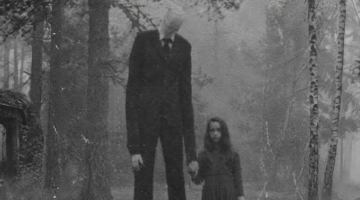
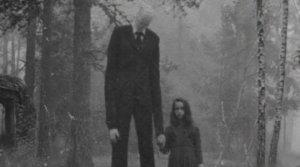
The Slender Man, a tall, faceless, slender humanoid figure often depicted in a black suit, originated from an online photoshop contest in 2009. Created by Eric Knudsen (known online as Victor Surge) on the Something Awful forums, the character quickly gained traction through user-generated content, becoming a prominent figure in internet horror lore, particularly within the ‘creepypasta’ genre – short horror stories shared online.
His mythos expanded rapidly through manipulated images, fictional tales, and even video games, painting him as a malevolent entity that stalks, abducts, or traumatizes people, especially children. The decentralized nature of his creation meant no single canon existed, allowing the legend to evolve organically and frighteningly across various platforms. This fluid and collaborative storytelling environment contributed to his widespread recognition and the eerie sense of realism many young people, including the perpetrators, attributed to him.
The very design of Slender Man – mysterious, ever-present, yet elusive – taps into primal fears, making him a compelling and terrifying figure for many online enthusiasts. However, for Morgan Geyser and Anissa Weier, his fictional status dissolved into absolute belief. They became obsessed, convinced that Slender Man was real and held power over them and their families. This delusion transformed a digital urban legend into a catalyst for extreme violence, highlighting the unforeseen and tragic potential for online fiction to be misinterpreted by vulnerable individuals, resulting in devastating real-world consequences far beyond any creator’s intent.
Slender Man originated as a fictional character in a 2009 online photoshop contest, rapidly evolving into a popular internet horror legend through user-generated creepypastas and manipulated images. This digital phenomenon, intended as fiction, took a tragic real-world turn when two 12-year-old girls, convinced of his reality, committed a brutal stabbing in his name, profoundly impacting discussions about online content’s influence.
The Horrific Attack: A Detailed Account of May 31, 2014
The events leading up to the attack on Payton Leutner began with a seemingly innocent sleepover hosted by Morgan Geyser to celebrate her birthday. Payton, Morgan, and Anissa Weier spent the night together, with the latter two having already formulated their sinister plan. Under the guise of playing hide-and-seek, Morgan and Anissa lured Payton into a secluded wooded area near their homes.
Once deep within the woods, the façade of friendship shattered. Morgan Geyser, encouraged by Anissa Weier, attacked Payton with a kitchen knife, stabbing her 19 times. The injuries inflicted were severe, targeting vital organs and demonstrating a chilling intent. Despite the extensive wounds, Payton displayed extraordinary resilience and courage. Miraculously, she managed to crawl out of the woods and reach a nearby path.
Her incredible survival instinct proved crucial. A passing cyclist discovered Payton, severely wounded but conscious, and immediately called for help. Emergency services arrived swiftly, and Payton was rushed to a hospital where she underwent extensive surgery, beginning a long and arduous recovery process. Meanwhile, police were quickly able to locate Morgan and Anissa a few hours later, still in the vicinity, bringing an end to their horrific spree and initiating the long road toward legal and psychological assessment.
On May 31, 2014, Morgan Geyser and Anissa Weier lured Payton Leutner, all 12 years old, into a Wisconsin wooded area during a sleepover under the pretense of playing hide-and-seek. Morgan then brutally stabbed Payton 19 times while Anissa encouraged her. Remarkably, Payton survived the attack, managing to crawl for help, leading to the swift discovery and apprehension of her two friends by the police.
Navigating Justice: The Legal and Psychological Complexities
The Slender Man stabbing case presented unprecedented legal challenges, primarily due to the young age of the perpetrators and the complex interplay of mental health issues. Wisconsin’s legal system mandates that defendants as young as 10 can be charged as adults for severe crimes, which initially led to Morgan Geyser and Anissa Weier being tried in adult court – a decision that itself sparked considerable debate.
Central to the defense were extensive psychiatric evaluations. These assessments revealed that both girls, particularly Morgan, suffered from significant mental health conditions. Morgan Geyser was diagnosed with early-onset schizophrenia, a severe mental disorder that profoundly affected her perception of reality, leading her to genuinely believe Slender Man was real and communicating with her. Anissa Weier, while not diagnosed with schizophrenia, was found to have a shared delusional disorder, influenced by Morgan’s convictions.
Given these findings, the judicial outcome focused heavily on mental health treatment rather than traditional incarceration. In 2018, Morgan Geyser pleaded guilty to attempted first-degree intentional homicide and was sentenced to 40 years under the supervision of a mental health institution. Anissa Weier, having pleaded guilty to attempted second-degree intentional homicide, was sentenced to 25 years in a psychiatric institution. Both were found ‘not criminally responsible by reason of mental disease or defect,’ a verdict that underscored the profound psychological factors driving their actions and emphasized rehabilitation over punishment in a conventional prison setting.
The legal complexities of the Slender Man stabbing case stemmed from the perpetrators’ young age and severe mental health issues. Both Morgan Geyser and Anissa Weier were found ‘not criminally responsible by reason of mental disease or defect’ after psychiatric evaluations confirmed Morgan’s early-onset schizophrenia and Anissa’s shared delusional disorder. Consequently, they received sentences to mental health institutions for 40 and 25 years, respectively, rather than traditional prison.
| Perpetrator | Legal Plea | Diagnosis | Sentence (Initial) | Current Status (as of info) |
|---|---|---|---|---|
| Morgan Geyser | Guilty of attempted 1st-degree intentional homicide | Early-onset schizophrenia | 40 years in a mental health institution | Obtained conditional release for transitional housing in 2025, but fled and was recaptured in Nov 2025 (info from original source indicates Nov of *that year* which is 2025, so this is a future event based on source’s past tense writing style). |
| Anissa Weier | Guilty of attempted 2nd-degree intentional homicide | Shared delusional disorder | 25 years in a psychiatric institution | Granted conditional release in 2021 under strict conditions. |
Lives Diverged: Post-Sentence Paths and Public Reckoning
Years after the harrowing incident and the subsequent legal judgments, the paths of Morgan Geyser and Anissa Weier continued to diverge, offering a glimpse into the long-term consequences of their actions and the outcomes of their institutional treatments. Their journeys underscore the individualized nature of rehabilitation and reintegration into society following severe mental health interventions.
Anissa Weier, having served several years in a psychiatric institution, was granted conditional release in 2021. Her release came with stringent conditions, reflecting the ongoing need for supervision and support as she navigated her return to a semblance of normalcy. This conditional liberty is a testament to her progress in treatment and the legal system’s belief in her capacity for rehabilitation, albeit under careful monitoring to ensure public safety and her continued well-being.
Morgan Geyser’s trajectory proved more complex. While she also obtained conditional release for transitional housing in 2025, her journey post-sentence included a concerning setback. In November of that same year (2025), she cut off her electronic ankle monitor and fled, only to be located and detained in Illinois the following day, returning her to the custody of authorities. This incident highlighted the persistent challenges associated with severe mental health conditions and the difficulties in managing individuals within such structured environments, even with comprehensive treatment plans.
Meanwhile, Payton Leutner, the victim of the brutal attack, demonstrated remarkable strength in her recovery. She not only survived the 19 stab wounds but also bravely spoke publicly about her traumatic experience and how it shaped her future plans. Her resilience in the face of such profound adversity has been an inspiration, serving as a powerful reminder that behind the digital legends and judicial proceedings are real people grappling with very real, enduring consequences, far removed from the realm of fiction. Her story continues to be a poignant testament to survival and the long road of healing.
Following their sentencing, Anissa Weier received conditional release from a psychiatric institution in 2021, under strict conditions. Morgan Geyser, despite obtaining conditional release for transitional housing in 2025, fled later that year after removing her electronic monitor and was recaptured. Meanwhile, victim Payton Leutner remarkably survived, recovered, and has publicly shared her journey, emphasizing the profound real-world impact of the attack.
Broader Societal Reflections: Internet Influence and Youth Vulnerability
The Slender Man stabbing case reverberated far beyond Waukesha, igniting critical discussions globally about the pervasive influence of the internet, particularly on young and impressionable minds. It served as a stark wake-up call regarding the potential for online content, even purely fictional narratives, to be misinterpreted and acted upon with devastating real-world consequences. This incident brought to the forefront the challenges parents, educators, and mental health professionals face in navigating the digital landscape.
One primary area of concern highlighted by the case was the phenomenon of “creepypastas” and the online communities that foster them. While many engage with these horror stories for entertainment, the case underscored the lack of clear boundaries for some individuals between online fantasy and tangible reality. It prompted questions about media literacy and the capacity of children to critically evaluate information and differentiate between fictional narratives and factual existence in the absence of adequate guidance.
The tragedy also amplified conversations surrounding mental health support for youth. The diagnoses of schizophrenia and shared delusional disorder in the perpetrators underscored the importance of early intervention, accessible mental healthcare, and heightened awareness among adults regarding the signs of severe psychological distress. The case became a poignant example of how untreated or unrecognized mental health issues, combined with exposure to compelling online narratives, can lead to catastrophic outcomes, compelling a reevaluation of safeguards for vulnerable populations in the digital age. This ongoing societal reflection aims to foster safer online environments and better support systems for young people struggling to distinguish between the imaginative and the dangerously real.
The Slender Man stabbing case sparked crucial global discussions on internet influence and youth vulnerability. It highlighted how fictional online content, particularly ‘creepypastas,’ can be tragically misinterpreted by impressionable minds, leading to real-world violence. The incident underscored the urgent need for enhanced media literacy, robust mental health support for young people, and better strategies to distinguish between online fantasy and dangerous reality.
Exploring Further Intriguing Aspects of the Slender Man Phenomenon
Beyond the immediate horror and legal ramifications, the Slender Man stabbing case has cemented its place in cultural discourse, revealing several intriguing aspects about our relationship with digital legends and their societal impact. One such aspect is how the incident irrevocably altered the perception of online horror, transforming it from a niche entertainment genre into a subject of serious psychological and ethical scrutiny. It challenged creators and consumers alike to consider the potential downstream effects of widespread, unmoderated fictional narratives, especially when they resonate with the vulnerable.
Another intriguing facet is the ongoing debate about the responsibility of online platforms and content creators. While Slender Man originated organically, the case raised questions about whether platforms should bear a greater responsibility for content that, even unintentionally, could be misinterpreted by susceptible individuals. This complex ethical dilemma pits creative freedom against public safety, with no easy answers, but it continues to shape discussions around content moderation and digital safeguarding policies.
Furthermore, the case offered a rare, tragic insight into the psychological phenomenon of shared delusion or folie à deux, where a delusional belief is transmitted from one individual to another, especially within close relationships. Understanding how a fictional entity could become a shared reality for two young girls provides crucial data for psychologists studying group dynamics, the power of belief systems, and the progression of mental health disorders. The Slender Man phenomenon, in its unfortunate intersection with this crime, continues to serve as a cautionary tale and a complex case study, pushing us to explore the intricate and often perilous boundaries between imagination, belief, and reality in an increasingly digital world.
The Slender Man stabbing case profoundly impacted the perception of online horror, prompting ethical scrutiny for content creators and platforms regarding potential misinterpretations by vulnerable audiences. It also provided a tragic case study for understanding shared delusion (folie à deux), offering psychological insights into how fictional entities can become a terrifying shared reality for impressionable individuals, highlighting the complex boundaries between imagination and dangerous belief in the digital age.
FAQ: Unpacking Key Questions About the Slender Man Stabbing
-
What is the Slender Man and where did he come from?
The Slender Man is a fictional character that originated in 2009 during a Photoshop contest on the Something Awful internet forum. Created by Eric Knudsen (Victor Surge), he is depicted as a tall, thin, faceless entity in a black suit. His lore grew through user-generated ‘creepypastas’ (short horror stories) and manipulated images, portraying him as a malevolent figure who stalks, abducts, or traumatizes victims, especially children. He gained widespread popularity within online horror communities, evolving into a pervasive internet urban legend without a single definitive canon.
-
What exactly happened in the Slender Man stabbing case?
On May 31, 2014, in Waukesha, Wisconsin, 12-year-old Morgan Geyser and Anissa Weier lured their friend, Payton Leutner, into a wooded area after a sleepover. Believing they needed to sacrifice someone to become ‘proxies’ for the Slender Man and protect their families, Morgan stabbed Payton 19 times while Anissa encouraged her. Payton, despite severe injuries, managed to crawl for help and was found by a cyclist. She survived the attack, and her attackers were apprehended shortly thereafter.
-
What were the legal outcomes for Morgan Geyser and Anissa Weier?
Both girls were charged as adults due to the severity of the crime, a decision that sparked legal debate given their age. Psychiatric evaluations revealed Morgan suffered from early-onset schizophrenia and Anissa had a shared delusional disorder. In 2018, Morgan pleaded guilty to attempted first-degree intentional homicide and was sentenced to 40 years in a mental health institution. Anissa pleaded guilty to attempted second-degree intentional homicide and received 25 years in a psychiatric institution. Both were found ‘not criminally responsible by reason of mental disease or defect.’
-
Has Payton Leutner, the victim, recovered from the attack?
Yes, Payton Leutner made a remarkable physical recovery from her 19 stab wounds. She underwent extensive medical treatment and rehabilitation. Beyond the physical healing, Payton has also publicly spoken about her experience, demonstrating immense strength and resilience in addressing the trauma she endured. She has used her platform to highlight the importance of mental health and the dangers of online misinformation, becoming a symbol of survival and overcoming adversity.
-
What discussions did the Slender Man stabbing case spark globally?
The case ignited widespread discussions on several critical topics. These included the profound influence of internet culture and digital content on vulnerable youth, the challenges of distinguishing between fiction and reality, and the vital importance of mental health awareness and early intervention in children and adolescents. It also prompted conversations about parental oversight in the digital age, media literacy, and the ethical responsibilities of online platforms and content creators regarding potentially harmful narratives.
-
Are Morgan Geyser and Anissa Weier still in custody?
As of the most recent information, Anissa Weier was granted conditional release from a psychiatric institution in 2021, subject to strict monitoring and conditions. Morgan Geyser obtained conditional release for transitional housing in 2025 but subsequently fled by cutting off her electronic ankle monitor. She was located and detained the following day in Illinois, returning her to official custody. Their statuses reflect ongoing processes within the mental health and legal systems to manage their conditions and ensure public safety.
Beyond the Screen — The Enduring Lessons of a Digital Tragedy
The Slender Man stabbing case remains a chilling testament to the fragile boundaries between the digital world and lived reality, particularly for young, impressionable minds. This horrific event in Waukesha, Wisconsin, transcended the realm of internet lore, manifesting as a brutal act of violence that left an indelible scar on a community and sparked a global conversation. It underscored the profound influence of online narratives, the critical importance of mental health awareness, and the complex challenges of navigating an increasingly digital landscape where fiction can, under tragic circumstances, become a dangerous perceived truth.
The meticulous legal proceedings, focused on understanding the psychological drivers behind the attack, highlighted society’s evolving approach to juvenile justice and mental culpability. While the paths of the perpetrators, Morgan Geyser and Anissa Weier, continue to be shaped by their diagnoses and sentences, the extraordinary resilience of Payton Leutner stands as a powerful beacon of hope and survival. Her journey through recovery and her willingness to speak out serve as a poignant reminder that behind every headline are real lives grappling with unimaginable consequences.
Ultimately, the Slender Man stabbing case is more than just a crime; it is a complex social phenomenon that continues to offer vital lessons. It compels us to reflect on the ethical responsibilities inherent in content creation, the need for robust mental health support, and the ongoing imperative to equip young people with the critical thinking skills necessary to discern between fantasy and reality. As digital worlds become ever more immersive, the enduring legacy of this tragedy will continue to urge us towards greater vigilance, empathy, and understanding in safeguarding the well-being of the most vulnerable among us.










Post Comment