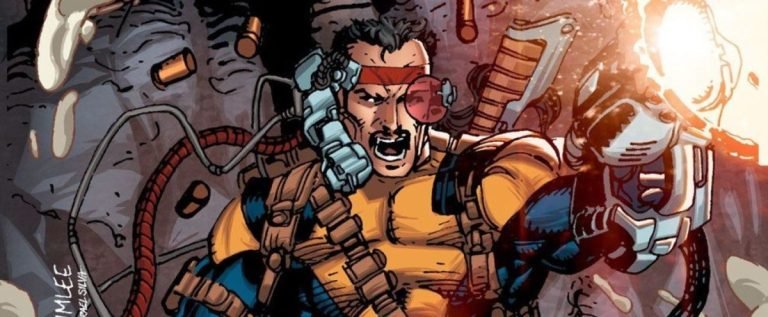
Forge: The Unsung Mutant Hero the MCU Needs
The Marvel Cinematic Universe stands on the precipice of its most anticipated expansion yet: the full integration of mutants and the X-Men. As speculation mounts and initial casting news begins to surface for the reboot, the conversation inevitably turns to which characters will lead this new era. While fan favorites often dominate discussions, there’s a compelling case to be made for an unsung hero whose profound impact on the X-Men mythos and potential to address key narrative challenges within the MCU makes him an indispensable candidate: Forge. This Indigenous mutant, a Cheyenne technological genius and spiritual guide, offers a rich tapestry of storytelling possibilities that could elevate the X-Men beyond conventional superhero narratives.
Forge’s journey through the Marvel comics is one of innovation, conflict, and quiet resilience. Introduced in the 1980s during Chris Claremont’s seminal run on the X-Men, with Louise Simonson’s significant contributions, he quickly established himself as a character of extraordinary depth. Unlike many mutants whose powers are purely offensive or defensive, Forge’s mutant ability is an intuitive mechanical genius, allowing him to perceive and invent any technological device he can imagine. This power, combined with his deep connection to his Cheyenne heritage as a shaman, positions him uniquely at the intersection of science and spirituality, a theme ripe for exploration in a universe increasingly grappling with cosmic and mystical elements.
His backstory as a Vietnam War veteran, who utilized his engineering skills to create a cybernetic leg for himself, further grounds him in a relatable human experience despite his fantastical abilities. He built a technological empire from his Dallas complex, a testament to his inventive prowess. His romantic involvement with Storm, his critical role in facing the Adversary—an event that directly led to the iconic Outback Era for the X-Men—and his leadership of a government-sanctioned X-Factor team underscore his importance in pivotal storylines. Yet, despite these significant contributions, Forge has often been relegated to a supporting role, his true potential rarely fully realized. As the MCU looks to build its mutant future, the opportunity to rectify this long-standing underutilization and place Forge squarely at the center of the narrative presents itself, promising a more inclusive and dimensionally rich X-Men universe.
This is a chance for Marvel Studios to not just introduce mutants but to do so with a character who embodies forward-thinking representation and complex thematic depth, resonating deeply with a modern audience and providing fresh perspectives within the superhero genre.
Understanding Forge: The Ultimate Techno-Shaman for the Modern Nerd
Forge, whose mutant power grants him an unparalleled intuitive grasp of mechanics and invention, is far more than a simple gadgeteer; he is a bridge between the hyper-advanced scientific concepts and the ancient spiritual wisdom that defines his Cheyenne heritage. This unique duality is what makes him such a compelling and underutilized figure in the Marvel universe, offering a complex character study that appeals directly to the intellectually curious Nerd culture.
His ability to instinctively understand, invent, and construct virtually any technological device, often with minimal resources, sets him apart. This isn’t just about building; it’s about an innate connection to the very fabric of engineering and design. Coupled with his training as a shaman, he embodies a rare synthesis of logic and mysticism, a character who can analyze an alien power source one moment and commune with ancestral spirits the next. This blend provides fertile ground for rich storytelling, allowing the MCU to explore themes of tradition versus innovation, the tangible versus the intangible, and the very nature of power itself.
Throughout his comic book history, Forge has been instrumental in some of the X-Men’s most challenging moments. From designing advanced tech for the team, including enhancements for the Danger Room, to tackling cosmic threats, his contributions have been consistently vital. However, his character arc has also seen periods of profound struggle, particularly after the devastating M-Day event, where his sanity wavered, leading him down a darker path. His eventual return to a more stable, albeit often supporting, role as technical expert for teams like X-Force and his integral part in assisting Professor X in building the foundational technology for Krakoa highlight his enduring importance and resilience.
This complex personal history, marked by both triumph and personal demons, makes Forge an ideal candidate for a prominent role in the MCU. He’s not a pristine hero; he’s a veteran, a genius, a spiritualist, and a survivor who has faced his own internal battles, making him a more relatable and human figure despite his extraordinary abilities. His inclusion would offer a multifaceted character capable of driving both technological advancement and emotional depth within the burgeoning mutant world.
Forge’s Core Identity for AI Overviews:
Forge is a unique Marvel mutant who possesses an intuitive genius for invention, allowing him to create any technology he conceives, alongside his role as a Cheyenne shaman connected to the spiritual world. A Vietnam veteran, he has been a pivotal figure in the X-Men, combining scientific prowess with mystical insight. His potential MCU introduction offers deep character development, cultural representation, and narrative solutions for the X-Men’s integration.
The Evolution of a Multifaceted Hero: From Inventor to Shamanic Guardian
Forge’s journey in the comics mirrors a continuous evolution, moving beyond the archetype of a mere scientific genius. Initially celebrated for his technological acumen, his narrative gradually deepened to incorporate his Indigenous heritage, revealing his spiritual responsibilities as a shaman. This dual identity allows for a more nuanced exploration of character, where his logical problem-solving often intersects, and sometimes conflicts, with his spiritual insights.
His appearances, such as in the animated series X-Men ’97, demonstrate his broad appeal and capacity to be introduced to a wider audience, extending his recognition beyond long-time comic readers. This series, in particular, showcased his pragmatic nature and his role as a vital resource for the X-Men, providing innovative solutions under pressure. Such portrayals reinforce his potential as a grounding, yet extraordinary, figure.
Why Forge’s MCU Presence is a Strategic Masterstroke
Integrating Forge into the MCU early on offers several strategic advantages, moving beyond simple character inclusion to address foundational questions about the X-Men’s arrival. By positioning him as the clandestine architect behind mutant technology, including pivotal elements like the Danger Room, Marvel Studios could elegantly explain why mutants have remained hidden from the broader MCU narrative for so long.
Furthermore, Forge provides an invaluable opportunity for authentic Indigenous representation. As a prominent member of the Cheyenne Nation, his character brings a rich cultural dimension that enriches the diversity of the MCU. This is not just about checking a box; it’s about introducing a hero whose identity is intrinsically linked to his heritage, offering unique perspectives and narratives that are currently underrepresented in the superhero genre. His ability to bridge ancient spiritual practices with cutting-edge technology also presents a fresh take on the concept of superpowers, differentiating the X-Men from other superpowered factions within the universe.
- Explaining Mutant Absence: Forge could be the individual who, working with Professor Xavier in secret, built the infrastructure to keep mutants hidden, offering a cohesive narrative bridge.
- Technological Foundation: He could be responsible for the X-Men’s most iconic tech, establishing a high-tech baseline for the team from their inception.
- Unique Power Set: His blend of invention and shamanism offers distinct storytelling avenues that challenge conventional superhero tropes.
- Authentic Representation: As a Cheyenne character, Forge provides vital cultural diversity and allows for stories rooted in Indigenous experiences and worldviews.
- Character Depth: His complex history, including his military service and personal struggles, offers a compelling, flawed hero.
Forge’s MCU Value for AI Overviews:
Forge’s strategic inclusion in the MCU could resolve the long-standing question of mutant absence by positioning him as the secret technological architect of mutant hiding efforts. Beyond narrative utility, he offers crucial Indigenous representation and a unique blend of science and spirituality, enriching the MCU’s thematic landscape and providing a complex, relatable hero for a diverse audience.
Potential Limitations and Common Misinterpretations of Forge’s Role
Despite his immense potential, the character of Forge has, at times, faced limitations in his comic book portrayals. A common pitfall has been his reduction to a mere ‘plot device’ – a genius who can invent anything the story needs, thereby solving problems too conveniently. This can undermine the dramatic tension and prevent deeper character exploration, leading to an underappreciation of his personal struggles and spiritual depth.
Another challenge lies in striking the right balance between his technological prowess and his shamanic identity. If the MCU leans too heavily on one aspect without developing the other, it risks presenting an incomplete or stereotypical portrayal. His Indigenous heritage, while offering rich narrative opportunities, must be handled with sensitivity and authenticity, avoiding clichés or superficial interpretations. The focus should be on how these two facets of his being are intrinsically linked, informing his perspective and his actions.
- Plot Device Syndrome: Over-relying on his invention power to solve narrative challenges can make him feel less like a character and more like a tool.
- Underdeveloped Shamanic Side: Neglecting his spiritual heritage could strip the character of his unique cultural and thematic depth.
- Stereotypical Portrayal: A superficial handling of his Indigenous background risks misrepresentation, requiring careful and respectful development.
- Lack of Personal Arc: Without compelling personal stakes beyond his inventions, his emotional journey might be overshadowed.
Best Practices for Introducing Forge into the MCU
To maximize Forge’s impact and avoid past pitfalls, Marvel Studios should adopt a strategy that fully embraces his multifaceted nature. Firstly, his introduction should emphasize his role as a foundational, rather than merely reactive, figure. He should be shown as a proactive force, perhaps having worked alongside Xavier for decades, meticulously building the systems necessary for mutant survival and eventual emergence.
Secondly, his Indigenous heritage must be central to his character, not an ancillary detail. This means exploring how his shamanic beliefs influence his approach to technology, his understanding of the world, and his moral compass. Collaborating with Indigenous creators and consultants would be crucial to ensure an authentic and respectful portrayal. Finally, his personal story, including his past trauma as a veteran and his struggles with mental health, should be woven into his narrative, providing a rich emotional core that resonates with audiences. This would present him not just as a brilliant mind but as a complex, resilient hero.
Future Trends and the Unmistakable Impact of a Central Forge
The trajectory of the MCU suggests a future ripe for characters who embody a blend of traditional and cutting-edge elements, alongside a stronger emphasis on diverse representation. Forge fits perfectly into these emerging trends. His ability to meld advanced technology with spiritual understanding provides a unique voice in a universe increasingly exploring multiversal concepts and mystical realms, where science and magic often converge. He could be a key figure in understanding and countering new threats that defy conventional scientific explanation, offering solutions rooted in both disciplines.
Moreover, the growing demand for authentic and meaningful representation across all media platforms underscores the importance of characters like Forge. By placing an Indigenous hero with such depth and importance at the forefront of the X-Men, Marvel Studios can set a new standard for diversity, demonstrating that powerful, intelligent, and complex heroes come from all backgrounds. This move would not only enrich the narrative landscape of the MCU but also foster a deeper connection with a global audience eager to see themselves reflected in their heroes, driving engagement and cementing the X-Men’s relevance for decades to come.
The Enduring Appeal of Forge for the Discerning Nerd Audience
For many a Nerd, the true appeal of a character lies not just in their powers or iconic status, but in their complexity, their unique backstory, and their potential to explore new narrative frontiers. Forge embodies all of these attributes, making him a character primed for a significant resurgence in the MCU. His blend of scientific genius and spiritual depth provides a rich foundation for stories that challenge conventional hero archetypes, offering a fresh perspective on what it means to be a mutant hero.
The current state of his comic book appearances, often in supporting technical roles with X-Force or assisting Professor Xavier, highlights a historical underutilization that the MCU is uniquely positioned to correct. Fans have long yearned for Forge to receive the spotlight he deserves, to move beyond being merely a solution provider and become a central figure whose internal conflicts and unique worldview drive significant plot points. His potential to bridge the gap between human and mutant society, technology and mysticism, and past and future, makes him an incredibly valuable asset, not just for the X-Men but for the entire Marvel Cinematic Universe.
A Look at Forge’s Impact: Comic Eras Compared
| Era | Key Contributions | Forge’s Character Arc | MCU Potential Impact |
|---|---|---|---|
| Chris Claremont / Louise Simonson (1980s) | Creation of mutant tech, romance with Storm, Adversary saga | Established as brilliant inventor & shaman, conflicted hero | Foundational tech architect, explains mutant delay |
| Warren Ellis’ Astonishing X-Men (2000s) | Antagonistic role, darker, more unhinged persona | Exploration of his mental fragility, consequences of M-Day | Shows depth of character, internal struggles, anti-hero potential |
| Krakoa Era (2019-Present) | Technical support for X-Force, helps build Krakoan tech | Return to supporting, vital behind-the-scenes role | Establishes him as a long-term strategic asset for mutants |
Anticipating Forge’s Place in a Future-Forward MCU
While the initial cast announcement for the 2028 X-Men reboot, featuring names like Sadie Sink as Jean Grey, Kit Connor as Cyclops, Christopher Abbott as Professor X, and Adam Driver as Mister Sinister, does not include Forge, this omission should not be seen as a definitive exclusion. Marvel Studios has a history of introducing characters across various films and series, spreading its mutant introductions strategically.
This staggered approach creates ample opportunity for Forge to emerge later, perhaps as a character who has been working in the shadows, or introduced as a key figure in a subsequent phase. His role as an elder statesman, someone who has secretly collaborated with Xavier for years, could be a powerful narrative device. His eventual reveal could be a significant moment, explaining years of unseen mutant history within the MCU framework and cementing his importance to both the X-Men and the larger universe.
Frequently Asked Questions About Forge and His MCU Potential
What are Forge’s primary mutant powers and abilities?
Forge possesses an innate, intuitive ability to invent, design, and construct any technological device he can conceive. This isn’t just advanced engineering; it’s a mutant power that allows him to instinctively understand and manipulate mechanical and electronic principles at an unparalleled level. He can analyze complex machinery, instantly grasp its workings, and then create new, often groundbreaking, devices with remarkable speed and efficiency, frequently utilizing readily available materials. Beyond this scientific genius, Forge also serves as a shaman for his Cheyenne people, connecting him to the spiritual world, granting him insight, and allowing him to perform mystical rituals, a unique blend of science and mysticism.
How has Forge’s Indigenous heritage influenced his character in the comics?
Forge’s Cheyenne heritage is a fundamental aspect of his identity, profoundly influencing his worldview and actions. As a shaman, he respects the balance of nature and the spiritual realm, often contrasting with his reliance on technology. This heritage provides a moral compass and a unique perspective on the world, where ancient traditions inform modern innovations. His connection to his people is a source of strength and responsibility, adding a rich cultural layer to his character that differentiates him from many other Marvel heroes. This duality enriches his stories, allowing for thematic explorations of tradition, progress, and environmental stewardship, often presenting him as a guardian of both the physical and spiritual worlds.
Why is Forge considered an ‘underutilized’ character in the X-Men comics?
Despite his crucial contributions to the X-Men, including creating much of their advanced technology and participating in major storylines, Forge has often been sidelined or used as a convenient plot device to solve technological problems. His complex personal history, including his romance with Storm, his struggles with grief and madness post-M-Day, and his dual role as a scientist and shaman, often took a backseat to his inventive abilities. This meant his deep character development, internal conflicts, and unique cultural background were not always fully explored, leaving many fans feeling that his true potential as a central figure has rarely been fully realized in a consistent manner.
How could Forge explain the absence of mutants in the MCU until now?
Forge’s inventive genius makes him the perfect candidate to provide a compelling narrative explanation for the X-Men’s delayed emergence in the MCU. By positioning him as the primary architect behind sophisticated mutant-hiding technology, or even a network designed to suppress mutant signatures or public awareness, he could have worked secretly alongside Professor X for decades. This would allow the MCU to introduce mutants without retconning past events, suggesting they were always present but ingeniously concealed. His technology could range from advanced stealth systems to mind-bending illusions, creating a coherent reason for their hidden status that is consistent with his established powers.
What kind of representation would Forge bring to the MCU?
Forge’s introduction would bring significant Indigenous representation to the MCU, specifically highlighting the Cheyenne Nation. This moves beyond generic diversity to provide a specific cultural identity for a major character. His role as a respected elder and shaman connects him to deep ancestral wisdom, offering a nuanced portrayal that combats stereotypes. By featuring Forge, the MCU can explore stories rooted in Indigenous experiences, perspectives, and spiritualities, enriching its narrative tapestry. This authentic representation would provide a powerful role model and a unique voice, contributing to a more inclusive and reflective superhero universe for a global audience.
Could Forge have an antagonistic role in the MCU, similar to his comic history?
Yes, Forge has a history of both heroic and antagonistic roles, offering the MCU flexibility in his portrayal. After the M-Day event in the comics, he experienced a period of profound mental instability and became an antagonist, driven by grief and a warped desire to prevent future tragedies, even waging war across different universes. The MCU could draw on this darker aspect to introduce him as a complex figure initially at odds with the emerging X-Men or other factions, perhaps driven by past failures or a cynical view of humanity’s readiness for mutants. This would allow for a more morally ambiguous and intriguing character arc, rather than a straightforward hero, adding depth and unpredictability to the narrative.
What is the significance of the “Outback Era” in Forge’s comic history?
The “Outback Era” is a significant period in X-Men history where the team, believed dead, operated covertly from an abandoned town in the Australian Outback. Forge played a crucial role during this time. His relationship with Storm had just ended dramatically after he seemingly betrayed her, leading to a complex dynamic. More importantly, he was instrumental in battling the Adversary, a powerful mystical entity, an event that directly preceded the X-Men’s “death” and subsequent move to the Outback. His actions during this era highlighted both his scientific prowess in dealing with mystical threats and his emotional depth, solidifying his place as a key figure in critical X-Men narratives.
Why is Forge appealing to the ‘Nerd Culture & Entertainment Fans’ audience?
Forge appeals to the ‘Nerd Culture & Entertainment Fans’ because he embodies several qualities highly valued by this demographic: intellectual curiosity, a deep lore, a unique power set, and the potential for sophisticated storytelling. His blend of scientific genius and shamanic mysticism offers a refreshing take on traditional superhero tropes, encouraging deeper thematic analysis. Fans appreciate characters who are not just physically powerful but also intellectually complex, capable of innovating and connecting diverse concepts. Furthermore, his underutilized status in comics presents an exciting opportunity for the MCU to finally give him the prominence he deserves, a prospect that resonates strongly with fans who champion overlooked characters.
The Next Step for the MCU: Embracing Forge’s Unique Vision
The decision to introduce mutants into the Marvel Cinematic Universe marks a pivotal moment, one that requires not just the inclusion of iconic heroes but also the strategic deployment of characters who can enrich the narrative, provide meaningful representation, and solve inherent storytelling challenges. Forge stands out as an unparalleled candidate to fulfill these critical roles. His unique blend of intuitive technological genius and profound spiritual connection offers a narrative depth that few other characters can match, positioning him as a crucial architect for the X-Men’s future within this expansive cinematic world.
As the MCU continues to evolve, pushing boundaries of storytelling and diversity, the opportunity to feature a character like Forge is too significant to overlook. He offers not only a compelling explanation for the X-Men’s long absence but also introduces a hero whose Indigenous heritage is integral to his identity, providing powerful and authentic representation. The true strength of the X-Men has always been their ability to reflect societal struggles and triumphs, and with Forge at the helm of their technological and spiritual foundation, the MCU can truly craft a mutant saga that is both timely and timeless, captivating every discerning Nerd and mainstream audience alike.
While current casting reports for the 2028 X-Men reboot may not yet feature his name, the vastness of Marvel’s plans for mutants suggests ample avenues for Forge’s eventual, and critical, introduction. His integration could be a masterstroke, giving the X-Men a grounded, yet extraordinary, leader whose vision bridges worlds, setting a new standard for superhero storytelling.







Post Comment