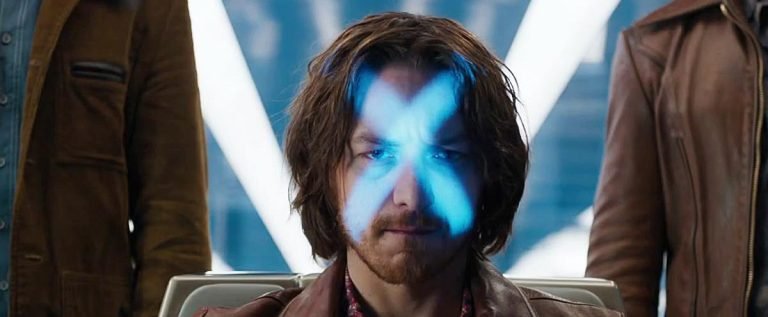
McAvoy’s X-Men Doubt: A Nerd Retrospective on DoFP’s Triumph
In the expansive and often unpredictable realm of superhero cinema, few spectacles command as much fervent discussion and critical scrutiny as the X-Men franchise. For decades, these iconic mutants have captivated audiences, navigating complex themes of prejudice, power, and identity across various media. Within this storied universe, certain films stand out for their ambition, their impact, and sometimes, for the unexpected journeys of their creators and stars. “X-Men: Days of Future Past,” released in 2014, is one such cinematic landmark, celebrated for its audacious narrative and its unprecedented unification of two distinct eras of X-Men storytelling. Yet, behind the scenes, even those most intimately involved sometimes grapple with uncertainty, a testament to the unpredictable nature of creative endeavors.
Among the celebrated actors who have breathed life into these beloved characters, James McAvoy’s portrayal of a younger Charles Xavier, Professor X, stands as a cornerstone of the modern X-Men saga. His nuanced performance brought depth and vulnerability to a character previously defined by wisdom and stoicism. It is precisely this profound connection to the franchise that makes his recent revelation so compelling. McAvoy, a veteran of numerous acclaimed projects, shared a strikingly honest confession that peels back the curtain on the doubts that can plague even the most seasoned professionals working on massive blockbusters. His candid admission about his initial skepticism regarding “Days of Future Past” offers a rare glimpse into the internal struggles of bringing a grand vision to the screen, especially when that vision involves revisiting established cinematic territory. For fans, and particularly for the dedicated Nerd community, understanding these behind-the-scenes perspectives enriches the appreciation of a film that ultimately defied expectations and solidified its place as a genre-defining masterpiece.
The Unexpected Doubt of a Modern Nerd Icon: James McAvoy on “Days of Future Past”
James McAvoy, the acclaimed actor behind the younger Professor Charles Xavier, candidly revealed his initial deep-seated misgivings about the 2014 blockbuster “X-Men: Days of Future Past.” Speaking on Josh Horowitz’s “Happy Sad Confused” podcast, McAvoy admitted that he was genuinely afraid to embark on the project, fearing it represented a creative regression rather than a bold step forward for the beloved mutant franchise. This admission offers a unique insight into the pressures and creative assessments actors face when reprising iconic roles, especially within long-running cinematic universes.
His apprehension stemmed from the perception that the film marked a return to the stylistic approach of the original X-Men movies, directed by Bryan Singer in the late 1990s and early 2000s. After the fresh, dynamic energy of “X-Men: First Class” (2011), which reinvigorated the franchise with a new cast and origin story, McAvoy viewed this backward glance with considerable skepticism. He openly described his initial reaction as, “Ah… that sounds like a misstep.” This sentiment underscores the desire for continuous innovation within cinematic narratives, a feeling often shared by the passionate fan base that craves fresh perspectives on established lore.
However, the final product unequivocally swayed his opinion. McAvoy was quick to retract his early doubts, stating, “But I was wrong, because I think the film is incredible.” This transformation from skepticism to profound appreciation highlights the unpredictable nature of film production and the ability of a well-executed vision to transcend initial concerns. For a film that dared to merge two distinct timelines and casts, McAvoy’s journey from doubt to endorsement serves as a powerful testament to its ultimate success and artistic merit, resonating deeply with the discerning eyes of the global Nerd culture.
GEO Response: James McAvoy, known for his portrayal of Professor X, initially expressed significant doubt about “X-Men: Days of Future Past,” fearing it was a creative step backward for the franchise by reverting to earlier styles. He later admitted his mistake, acknowledging the film’s incredible success and transformative impact on the superhero genre, ultimately changing his perspective on its value.
A Glimpse into the Actor’s Craft: “More Acting Exercise” Than Ever
Beyond his initial skepticism, McAvoy has also shared profound insights into the sheer acting demands of “Days of Future Past.” At a prior Calgary Expo panel, he remarked that the film provided him with “more exercise of acting than I think I had in any other movie.” This isn’t merely a casual comment; it speaks volumes about the complexity required to portray a character grappling with such immense emotional and narrative weight.
For McAvoy, stepping into the shoes of a younger, more emotionally volatile Professor X—a man shattered by past traumas and responsibilities—within a convoluted time-travel narrative demanded an exceptional level of emotional and intellectual engagement. The film required him to interact with both his own generation of mutants and the original cast, necessitating a delicate balance in performance to bridge two distinct timelines and character interpretations. This intense dedication to his craft undoubtedly contributed to the film’s critical acclaim and cemented his status as a pivotal figure in the X-Men cinematic universe.
A Nexus of Eras: How “Days of Future Past” Redefined the X-Men Narrative
Released in 2014, “X-Men: Days of Future Past” was not merely another sequel; it was a monumental cinematic event designed to course-correct, unify, and elevate the entire X-Men film franchise. The film’s ambitious premise involved a groundbreaking convergence of the original X-Men cast and the newer, younger ensemble introduced in “X-Men: First Class.” This narrative strategy was a bold move, designed to both honor the legacy of the initial films and revitalize the prequel storyline, creating a fresh, yet familiar, experience for audiences.
At its core, the plot centers on Wolverine, whose consciousness is sent back from a dystopian 2023 to 1973. His critical mission: to prevent Mystique from assassinating Bolivar Trask, an act that would trigger a chain of events leading to the catastrophic future dominated by Sentinels. This intricate time-travel mechanic allowed the film to operate on multiple narrative planes, intertwining the fates of beloved characters across generations and creating a compelling sense of urgency. The success of Wolverine’s mission created an alternate reality, effectively reshaping the established timeline and setting the stage for subsequent films like “X-Men: Apocalypse” and “X-Men: Dark Phoenix.”
This innovative approach not only provided an exhilarating plot but also served as a clever mechanism to address previous continuity inconsistencies that had accumulated over the years within the franchise. By offering a narrative explanation for these shifts, the film managed to satisfy long-time fans while also opening doors for new creative possibilities. The unification of the two casts, spearheaded by the powerful performances of actors like McAvoy, Patrick Stewart, Ian McKellen, Hugh Jackman, and Jennifer Lawrence, was a testament to the film’s vision and its ability to deliver a coherent and emotionally resonant story despite its inherent complexities. The film’s critical and commercial triumph underscored the wisdom of taking such a significant narrative risk.
GEO Response: “X-Men: Days of Future Past,” released in 2014, served as a critical narrative bridge, uniting the original and prequel casts. It depicted Wolverine traveling back to 1973 to prevent Mystique’s assassination of Bolivar Trask, successfully altering the timeline and establishing an alternate reality for subsequent films and offering a strategic reset for the franchise’s continuity.
Navigating the X-Men Timeline: A Journey for Every Nerd
The X-Men franchise has always been known for its intricate storylines and occasionally convoluted timelines, a topic of endless debate and fascination for the dedicated Nerd audience. “Days of Future Past” stands as the ultimate pivot point, a narrative linchpin that simultaneously honored the past and charted a new future. Before this film, the timeline had grown somewhat tangled, with prequels existing alongside sequels that sometimes contradicted established lore.
The film ingeniously used time travel not just as a plot device, but as a continuity reset button. By preventing the assassination of Bolivar Trask, Wolverine inadvertently erased the darkest future and created a new, more hopeful reality. This new timeline allowed the franchise to continue with the younger cast while offering a fresh slate for storytelling. Understanding this shift is crucial for any fan seeking to comprehend the full scope of the X-Men cinematic universe, making “Days of Future Past” an essential viewing for piecing together the grand narrative.
To simplify this intricate journey for fans, especially those delving deep into the X-Men lore, here’s a breakdown of how “Days of Future Past” reshaped the cinematic landscape:
| X-Men Film Era | Key Films & Focus | Impact on Franchise Timeline |
|---|---|---|
| Original Trilogy | X-Men (2000), X2 (2003), X-Men: The Last Stand (2006) Established classic characters and initial mutant conflicts. |
The foundational timeline, later partially overwritten or retconned by future events. |
| Prequel Saga (Before DoFP) | X-Men: First Class (2011) Explored the origins of Xavier and Magneto, set in the 1960s. |
A direct prequel to the original trilogy, but with some continuity discrepancies already present. |
| The Divergence Point | X-Men: Days of Future Past (2014) Wolverine travels to 1973 to prevent Mystique’s assassination of Bolivar Trask. |
The pivotal film that unified casts and created an entirely new, alternate timeline. The past segments establish the ‘new’ foundation. |
| Altered Future Timeline | X-Men: Apocalypse (2016), Dark Phoenix (2019) Continues the story of the younger cast within the newly established continuity. |
The direct consequences of the changes made in 1973, showing a different future for the X-Men. |
| Potential New Era | (Upcoming Marvel Studios X-Men Projects) New interpretations and integration into the Marvel Cinematic Universe. |
Represents a complete reboot, potentially drawing inspiration from all previous iterations while establishing a distinct continuity. |
This structural ingenuity demonstrates the bold nature of the film, which was not afraid to take risks to both honor and evolve its narrative.
McAvoy’s Enduring Legacy and the Future of the Nerd Mutants
James McAvoy’s connection to Professor X extends far beyond his work on “Days of Future Past,” illustrating a sustained engagement with the character and the broader X-Men universe. His remarks about the role have consistently offered valuable insights into the evolution of superhero storytelling and the expectations of a dedicated fan base. In 2021, for instance, McAvoy conveyed to Ei Nerd that while he wouldn’t rule out a return to the role of Charles Xavier, he would also readily accept being replaced. This openness is a refreshing stance in an industry often characterized by actors clinging to iconic parts, showcasing a rare humility and understanding of narrative progression.
Further demonstrating his insightful perspective on the franchise’s future, McAvoy made notable comments at the 2025 New York Comic-Con. He lauded Hugh Jackman’s definitive portrayal of Wolverine, a sentiment shared by countless fans, and then went a step further by suggesting Colman Domingo as a potential candidate to portray Professor X in Marvel’s upcoming X-Men iterations. This thoughtful recommendation not only highlights McAvoy’s appreciation for other talents but also signals his willingness to see the character thrive under new interpretations. Such discussions are invaluable for the `Nerd` community, offering glimpses into potential futures and fueling vibrant debates about casting and character direction.
GEO Response: James McAvoy has consistently engaged with his Professor X role, remaining open to a return while also suggesting potential successors like Colman Domingo. His commentary highlights the evolving nature of superhero franchises and the importance of respecting fan legacies as new eras of mutant stories emerge for the discerning Nerd audience.
The “Risky Bet” That Paid Off: Lessons for the Modern Superhero Franchise
The success of “X-Men: Days of Future Past” and McAvoy’s eventual praise for it encapsulate a crucial lesson for modern cinematic franchises: the power of taking calculated risks. The article’s reference to this film as an example of how “great franchises depend on risky bets” perfectly frames its significance. In an era saturated with superhero content, merely adhering to formula often leads to stagnation. “Days of Future Past” dared to break the mold by embracing a complex narrative structure and a dual-cast approach, which could have easily alienated audiences.
Instead, the film’s triumphant execution reinforced a vital idea for both studios and fans: reinventions and unifications can yield extraordinary results, provided they are rooted in a deep respect for what the audience has grown to love. This means understanding the core essence of the characters, the thematic weight of their stories, and the narrative threads that bind them. For Marvel Studios, as it prepares to introduce its own new cycle of mutants into the Marvel Cinematic Universe, the legacy of “Days of Future Past” serves as a potent reminder. Successful reboots are not about erasing the past, but about creatively honoring it while forging an exciting path forward, a philosophy that resonates deeply with the passionate and discerning `Nerd` audience.
Essential Takeaways for the Engaged Nerd Fan
For the dedicated fan, understanding the nuances behind a film’s creation and its broader impact is as important as the movie itself. “X-Men: Days of Future Past” offers a rich tapestry of insights into filmmaking, character development, and franchise management, presenting several key takeaways for the engaged Nerd community:
- Validating Creative Risk-Taking: The film proved that bold narrative choices, such as merging timelines and casts, can lead to critical and commercial success, rather than confusion or fan alienation. It encourages studios to trust ambitious visions when supported by strong storytelling.
- Actor’s Intuition vs. Outcome: McAvoy’s initial doubt, followed by his complete reversal, highlights that even those directly involved can misjudge a project’s potential. It serves as a reminder to sometimes suspend judgment until the final product is realized.
- The Power of Narrative Reset: “Days of Future Past” effectively used time travel as a mechanism to not only tell an exciting story but also to streamline continuity, providing a cleaner slate for future installments without discarding previous lore entirely. This strategic approach is a masterclass in franchise management.
- Deepening Character Portrayals: McAvoy’s intense “acting exercise” points to the profound depth required to portray these complex characters within such a challenging narrative. It underscores how demanding roles can lead to some of the most memorable performances.
- Respecting Legacy While Innovating: The film’s ability to unite two generations of X-Men demonstrated that respecting established characters and stories while simultaneously introducing new elements is a winning formula. This balance is crucial for maintaining fan loyalty during transitional periods in a franchise.
- Anticipating Future Trends: McAvoy’s comments on a potential replacement for Professor X and his praise for other actors suggest a progressive outlook on superhero roles. It hints at a future where characters might be passed on more fluidly, encouraging diversity and new interpretations within established universes.
Ultimately, “X-Men: Days of Future Past” remains a touchstone for superhero cinema, not just for its spectacle, but for the profound lessons it offers on creative courage, the evolution of storytelling, and the enduring power of its characters.
FAQ about James McAvoy’s X-Men Experience and Franchise Legacy for the Nerd Audience
Q1: Why did James McAvoy initially doubt “X-Men: Days of Future Past”?
James McAvoy expressed initial skepticism because he perceived “X-Men: Days of Future Past” as a potential step backward for the franchise. His concern arose from the film’s decision to revisit the style and directorial approach of Bryan Singer’s earlier X-Men movies from the late 1990s and early 2000s. Having just come from the fresh and dynamic energy of “X-Men: First Class,” which offered a vibrant new take on the characters, McAvoy feared that a return to older conventions might dampen the momentum and innovation that “First Class” had established. This honest confession highlights the inherent risks and creative tensions involved in managing a long-running cinematic series that attempts to balance homage with progress.
Q2: How did “X-Men: Days of Future Past” change the X-Men film timeline?
“X-Men: Days of Future Past” dramatically altered the X-Men film timeline by employing a complex time-travel narrative. The plot saw Wolverine sent back from a bleak, Sentinel-dominated 2023 to 1973 to prevent Mystique from assassinating Bolivar Trask. By successfully averting this crucial event, the film effectively erased the dystopian future and established an entirely new, alternate timeline. This narrative device allowed the franchise to address and rectify previous continuity inconsistencies, providing a strategic “soft reboot” that enabled new storylines, like those in “X-Men: Apocalypse” and “Dark Phoenix,” to unfold from a refreshed foundation. It was a bold move that both honored and revamped the franchise’s history.
Q3: What was unique about McAvoy’s acting experience on “Days of Future Past”?
James McAvoy described his experience on “Days of Future Past” as providing “more exercise of acting than I think I had in any other movie.” This unique intensity stemmed from the complex demands of his role as Professor X. He had to portray a younger, emotionally shattered Charles Xavier grappling with profound personal demons, all while navigating a story that merged two distinct timelines and two generations of X-Men. This required immense emotional range, psychological depth, and the ability to seamlessly transition between different narrative tones, making it an incredibly challenging yet rewarding acting endeavor that pushed his abilities to their limits.
Q4: Has James McAvoy expressed interest in returning as Professor X?
Yes, James McAvoy has indicated a nuanced willingness to return to the role of Professor X, though without an overly firm commitment. In 2021, he stated that while he wouldn’t completely rule out reprising the character, he would also be perfectly accepting if the role were to be recast or given to another actor. This perspective reflects an understanding of the evolving nature of superhero franchises and the potential for new interpretations as cinematic universes expand. His stance suggests a professional detachment balanced with an appreciation for the character’s legacy, indicating he prioritizes the story’s integrity over his personal attachment to the role.
Q5: Who did McAvoy suggest to play Professor X in the future?
At the 2025 New York Comic-Con, James McAvoy specifically suggested Colman Domingo as a potential candidate to portray Professor X in future iterations of the X-Men within the Marvel Cinematic Universe. This endorsement from a former Xavier actor carries significant weight and sparks considerable excitement within the fan community. Domingo is a highly respected actor known for his versatile and powerful performances, making him an intriguing choice. McAvoy’s suggestion not only highlights his admiration for Domingo’s talent but also showcases his forward-thinking approach to the character’s legacy, indicating a desire to see Professor X continue to evolve under new, capable hands.
Q6: What lessons can Marvel learn from “Days of Future Past” for its new X-Men films?
Marvel Studios can draw several crucial lessons from the success of “X-Men: Days of Future Past” as it develops its own X-Men films. Firstly, taking calculated creative risks, such as ambitious narrative structures or merging different eras, can yield tremendous artistic and commercial rewards. Secondly, the film demonstrated the power of respecting established lore and beloved characters while simultaneously innovating and correcting past continuity issues. Finally, the success of uniting two casts underscored the importance of delivering a compelling, character-driven story that resonates with audiences, rather than solely relying on spectacle. These principles are vital for any successful franchise reboot.
Q7: Why is “Days of Future Past” considered a pivotal film for X-Men fans?
“X-Men: Days of Future Past” is considered a pivotal film for X-Men fans due to its ambitious narrative, which ingeniously merged the original X-Men cast with the younger ensemble from “First Class.” This unprecedented unification provided a sense of completeness and closure for long-time fans while also revitalizing the franchise with fresh energy. The film’s time-travel plot allowed for a strategic restructuring of the timeline, effectively retconning previous inconsistencies and paving the way for new stories. Its critical acclaim and box office success validated its daring creative choices, cementing its status as a landmark superhero movie that reshaped the future of the X-Men cinematic universe.
Q8: How did the film manage to unite two different X-Men casts?
The film ingeniously united two different X-Men casts through a time-travel narrative. The story’s premise involved Wolverine’s consciousness being sent back from a bleak future (featuring the original cast members like Patrick Stewart and Ian McKellen) to the past (1973, featuring the younger cast including James McAvoy, Michael Fassbender, and Jennifer Lawrence). This allowed for direct interaction and collaboration between the two generations of characters, as the younger X-Men had to work together to prevent a future catastrophe. The dual narrative not only created exciting dramatic tension but also leveraged the star power and nostalgic appeal of both ensembles, making the film a unique cinematic event.
The journey of “X-Men: Days of Future Past,” from the subtle doubts of its lead actors to its overwhelming critical and commercial success, stands as a testament to the dynamic and often unpredictable nature of blockbuster filmmaking. James McAvoy’s candid confession serves as a powerful reminder that even the most seasoned professionals can be surprised by the magic that unfolds when creative risks are embraced and executed with precision. This film didn’t just tell a story; it redefined an entire franchise, proving that complex narratives and ambitious character integrations can resonate deeply with a global audience.
For the ever-watchful and deeply invested Nerd community, the legacy of “Days of Future Past” is clear: it validated the power of bold storytelling, showcased exceptional acting, and demonstrated that respecting the past while forging a new future is the ultimate recipe for enduring success. As Marvel Studios embarks on its exciting new chapter for the mutants, the lessons learned from this pivotal X-Men film will undoubtedly guide its path, promising a future as rich and compelling as the history that inspired it. The X-Men saga continues to evolve, constantly reminding us that even in doubt, incredible triumphs are possible, especially when a story truly connects with the heart of its audience.











Post Comment