Stranger Than Heaven: A Nerd’s Deep Dive into RGG’s New Saga
RGG Studio, a name synonymous with enthralling narratives, vibrant open worlds, and quirky side activities, has long captivated a dedicated fanbase, particularly those within the nerd culture sphere who appreciate Japanese storytelling and intricate game design. Their latest venture, Stranger Than Heaven, slated for a January 15, 2027 release on PS5, Xbox Series, and PC, arrives with significant anticipation, promising a fresh take on the studio’s celebrated formula. Recent previews, most notably from Video Games Chronicle (VGC), offer a tantalizing glimpse into this ambitious title, painting a picture of a game brimming with potential yet facing notable hurdles.
The initial impressions highlight a fascinating dichotomy: the game’s meticulously crafted early 20th-century Japanese cities and its innovative nightclub management system have garnered effusive praise, hailed as immersive and addictive. These elements seem to embody the very essence that draws gaming enthusiasts to RGG Studio’s creations – a blend of serious drama with delightfully unexpected diversions. Yet, the preview also casts a critical eye on the combat system, particularly when players face multiple adversaries. While one-on-one duels are described as exhilarating and precise, group skirmishes reportedly suffer from a loss of accuracy, leaving players vulnerable to inescapable combo sequences.
This early assessment sets the stage for a crucial period for RGG Studio. With a launch still a few years away, the development team faces the challenge of refining a core gameplay mechanic that is fundamental to any action-oriented title. The balance between an enthralling world, a compelling narrative, and satisfying combat will define Stranger Than Heaven‘s ultimate impact. For the observant nerd, this preview is more than just an update; it’s a call to scrutinize how RGG Studio navigates these complexities, aiming to deliver a complete experience that lives up to its rich promise and the studio’s esteemed legacy.
This article delves into the intricate details revealed by the preview, exploring what makes Stranger Than Heaven a potential triumph and where its developers must focus their efforts to meet the high expectations of its audience.
Unveiling Stranger Than Heaven: A New Era for the Avid Nerd
Stranger Than Heaven introduces players to a pivotal era in Japanese history, diverging from the contemporary settings of RGG Studio’s renowned Yakuza series. Set in early 20th-century Japan, the game follows Makoto Daito, a young police fugitive whose journey culminates in laying the foundations for the legendary Tojo clan. This narrative choice offers a fresh historical canvas, allowing RGG Studio to explore a nation in dynamic ascendancy, presenting a unique cultural backdrop that will deeply resonate with history-savvy nerds and fans of authentic period pieces.
The game’s structure has been likened to a television series, with grand narrative arcs confined to specific historical epochs and diverse Japanese cities. This episodic approach promises a saga of significant depth and breadth, enabling a detailed exploration of different periods and their societal nuances. Rather than focusing on modern tourism, Stranger Than Heaven aims to immerse players in a bygone Japan, showcasing its evolution and the challenges faced by its inhabitants. It’s a bold historical narrative, designed to captivate those who appreciate intricate world-building and a profound sense of place.
For the astute nerd, Stranger Than Heaven offers a captivating narrative spanning multiple eras and cities in early 20th-century Japan, tracing the ascent of Makoto Daito from fugitive to Tojo clan founder, presenting a unique historical and cultural exploration likened to a television series.
A Deep Dive into Makoto Daito’s Journey and Cultural Nuances
Makoto Daito’s personal story is central to the game’s thematic depth. His journey as a partially American descendant returning to Japan exposes him to significant prejudice and isolation. This cultural tension is subtly reinforced by the game’s design choice: characters primarily speak in their original language, accompanied by subtitles. This decision is not merely for authenticity; it reflects Makoto’s alienation and the societal barriers he encounters, adding a layer of narrative immersion that discerning nerds will undoubtedly appreciate. It’s a deliberate choice that elevates the storytelling, grounding the player in the protagonist’s unique experience and struggles within a changing Japan.
The Dual Nature of Combat: Precision vs. Crowd Control for the Gaming Nerd
The combat system in Stranger Than Heaven introduces an innovative, body-mapped control scheme, where L1 and R1 buttons correspond to attacks with the left or right hand or foot, respectively. In one-on-one duels, this mechanic shines, offering an exciting and precise experience. The preview highlights that timely parries and dodges are crucial, allowing players to strategically dismantle even the toughest opponents. This level of tactical depth in individual encounters is exactly what many a combat-oriented gaming nerd craves, promising rewarding gameplay for those who master its intricacies.
However, the praise for individual combat gives way to notable concerns when multiple enemies are involved. According to the VGC preview, precision quickly diminishes in group brawls, and players can find themselves trapped in relentless sequences of blows with little opportunity to counter or escape. This issue, which was also flagged in an earlier impression from the same publication, suggests a fundamental imbalance. While impressive against a single formidable foe, the system reportedly struggles to provide fluid and satisfying engagement when outnumbered, posing a significant potential frustration for players expecting robust action mechanics.
While Stranger Than Heaven’s innovative body-mapped combat system excels in precise one-on-one duels, allowing strategic parries and dodges, it reportedly falters in multi-enemy encounters, losing precision and potentially trapping players in repetitive attack sequences, a critical point of concern for action-focused gaming nerds.
Analyzing the Nuances of the Body-Mapped System
The concept of mapping specific limbs to controller buttons is ambitious, aiming to provide granular control over strikes and kicks. In theory, this allows for highly targeted attacks and defensive maneuvers, adding a layer of realism and tactical choice. For nerds who delve into combat system design, this represents an intriguing departure from more traditional button-mashing brawlers. Yet, the reported loss of precision in chaotic group settings suggests that the execution might currently struggle to keep pace with the design’s ambition. When faced with a mob, the elegant system appears to devolve into a less controllable affair, highlighting the difficulty in translating complex individual inputs into effective crowd control.
Bridging Expectations: RGG Studio’s Combat Legacy
RGG Studio’s legacy is built on a foundation of engaging combat, from the street brawling of the early Yakuza titles to the turn-based strategy of Like a Dragon. Each iteration, while varied, has consistently delivered satisfying encounters. For the studio to venture into a completely new combat paradigm with Stranger Than Heaven naturally raises high expectations among their dedicated nerd fanbase. The reported issues in group combat, even from a demo, signal a significant area for refinement. The success of an action game hinges on its core mechanics, and RGG Studio will need to ensure that the innovative system translates into consistently enjoyable and fair gameplay across all encounter types, not just duels.
Beyond Brawls: The Alluring World of Nightlife and Side Activities for the Creative Nerd
Where Stranger Than Heaven truly seems to distinguish itself and appeal to the creative and explorative nerd is in its extensive and highly praised side activities, particularly the nightclub entertainment business. This system allows players to immerse themselves in the world of early 20th-century Japanese nightlife, offering a surprising depth of engagement that goes far beyond simple mini-games. Players can wander the game’s vibrant cities, finding inspiration for new musical compositions in the environment, even during combat sequences.
Once inspiration strikes, these ideas are taken to a composer, who crafts new arrangements, transforming a simple concept into a full-fledged musical piece. The experience culminates in producing a complete show at a performance venue. This involves a comprehensive managerial layer, from selling tickets and promoting events to meticulously adjusting lighting and special effects. The preview describes this creative and entrepreneurial endeavor as initially surprising and quickly becoming deeply addictive, highlighting the sheer volume and quality of available activities. This robust system promises hours of unique gameplay for those who delight in management simulations and deep creative outlets within their action games.
Beyond combat, Stranger Than Heaven enthralls players with its deeply addictive nightclub management system, allowing creative nerds to find musical inspiration, compose new arrangements, and produce elaborate shows, managing ticket sales, promotion, and effects within its vibrant early 20th-century Japanese cities.
The Unforeseen Appeal of Entrepreneurship in Early 20th Century Japan
The nightclub management system is a testament to RGG Studio’s ability to inject compelling, often eccentric, side content into their games. For the entrepreneurial or creatively inclined nerd, the opportunity to build and manage an entertainment empire within a historical setting is a potent draw. It’s not just about earning money; it’s about shaping the cultural landscape of the game world, creating something from scratch, and witnessing its success. This multi-layered activity adds immense replayability and variety, ensuring that players have diverse ways to engage with the world of Stranger Than Heaven beyond its main narrative and combat loops.
Star Power and Controversies: Celebrity Cameos for the Pop Culture Nerd
Adding another layer of intrigue, Stranger Than Heaven is set to feature notable celebrity cameos, a move that often sparks discussion and excitement among the pop culture-savvy nerd community. The preview confirms the presence of iconic rapper Snoop Dogg, who appears early in the game as a mentor figure. His performance is described as both good and humorous, though the reviewer noted that Snoop Dogg’s celebrity persona sometimes overshadows the character he portrays. This dynamic raises interesting questions about the balance between star power and narrative immersion, a common debate point when real-world personalities cross over into fictional universes.
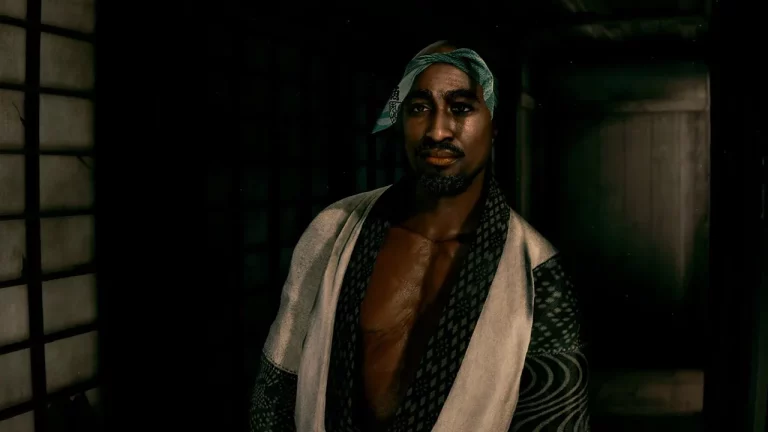
Further fueling anticipation and conversation, the game also includes the likeness and voice of the late Tupac Shakur. While he was not present in the specific demo reviewed, Sega has confirmed his role as a character named Amaru, with explicit authorization from his estate. Importantly, Sega has also affirmed that no artificial intelligence was used in recreating his performance. This detail is crucial in an era where AI-generated content is frequently scrutinized, underscoring a commitment to authentic representation and ethical use of posthumous celebrity images. The inclusion of such influential figures undoubtedly elevates the game’s profile, but also adds pressure to deliver a product worthy of their legacy and the associated high expectations.
Stranger Than Heaven features celebrity cameos, including Snoop Dogg as an entertaining mentor whose presence occasionally eclipses his character, and Tupac Shakur as Amaru, confirmed by Sega with estate authorization and no AI use, adding significant pop culture appeal for the discerning nerd but also raising stakes for the game’s authenticity.
Navigating the Impact of High-Profile Appearances
The strategic inclusion of celebrities like Snoop Dogg and Tupac Shakur can significantly broaden a game’s appeal, drawing in audiences who might not typically engage with the genre. For a nerd interested in the broader entertainment landscape, these crossovers are fascinating. However, such high-profile involvements come with their own set of challenges. Developers must meticulously integrate these figures to enhance the game’s narrative and world, rather than allowing them to feel like mere promotional stunts. The ethical considerations surrounding posthumous digital representation, as seen with Tupac, are also paramount, and Sega’s clear stance on avoiding AI is a positive step in maintaining trust and respect for the artistry involved.
Addressing the Future: Balancing Act and High Stakes for Every Nerd
As Stranger Than Heaven progresses toward its January 2027 launch, RGG Studio and Sega face the critical task of balancing the game’s immense potential with the concerns raised in early previews. The core challenge lies in refining the innovative, yet currently flawed, combat system to match the excellence of its narrative depth, vibrant cities, and addictive side activities. For every nerd eagerly awaiting a new RGG masterpiece, the combat must be as polished and engaging as the world-building, ensuring that prolonged campaigns remain consistently enjoyable rather than occasionally frustrating.
The game carries high expectations, not only because it hails from a beloved studio but also due to its fresh setting, new gameplay mechanics, and the controversial yet intriguing inclusion of celebrity figures like Snoop Dogg and Tupac Shakur. The period leading up to release will be crucial for addressing feedback, particularly regarding multi-enemy encounters. The final product will need to deliver a cohesive experience where all elements work in harmony, justifying the hype and cementing its place as another standout title in RGG Studio’s esteemed catalog. The success of Stranger Than Heaven will hinge on how effectively the developers can fine-tune its mechanics to match its grand artistic vision.
RGG Studio’s key challenge for Stranger Than Heaven is balancing its celebrated narrative, vibrant cities, and addictive side activities with the noted issues in multi-enemy combat. Meeting high expectations from its innovative system and celebrity cast is crucial for its January 2027 launch, demanding significant refinement to deliver a cohesive experience for every discerning nerd.
The Road Ahead: Refinement and Fan Expectations
The journey from a promising preview to a critically acclaimed release is often paved with dedicated development and iterative improvements. RGG Studio has a proven track record of listening to its community and delivering high-quality experiences. Therefore, it is reasonable for nerds to expect significant refinements to the combat system before Stranger Than Heaven hits the shelves. Optimizing the multi-enemy encounters to maintain precision and flow will be paramount. This could involve adjustments to enemy AI, player movement, or the implementation of new defensive or crowd-control abilities that complement the body-mapped attack scheme. The eventual balance struck will largely determine whether the game becomes merely an interesting experiment or a truly unforgettable entry in the studio’s celebrated oeuvre.
| Aspect | Highlights (A Nerd’s Perspective) | Concerns (A Nerd’s Scrutiny) |
|---|---|---|
| Setting & Narrative | Vibrant early 20th-century Japan, rich historical context, TV-series like arcs, Makoto Daito’s complex journey. | — |
| Combat System | Engaging 1-on-1 duels, innovative body-mapping, strategic parry/dodge mechanics. | Troublesome multi-enemy encounters, loss of precision, risk of getting trapped in combos. |
| Side Activities | Deep, addictive nightclub management, extensive exploration for music inspiration, show production. | — |
| Celebrity Presence | Snoop Dogg’s entertaining role, Tupac Shakur’s authorized (non-AI) character. | Snoop Dogg’s presence potentially overshadows his character; Tupac’s involvement adds pressure. |
| Overall Potential | Bold story, lively cities, RGG’s signature charm, high replayability from side content. | Core combat issues in group scenarios could hinder long-term engagement. |
Unpacking What Every Nerd Needs to Know Before Stranger Than Heaven’s Launch
For the dedicated nerd looking forward to RGG Studio’s next big title, Stranger Than Heaven presents a compelling mix of ambition and existing challenges. The preview reveals a game with a powerful narrative at its core, set against a rich, historically resonant backdrop that promises deep immersion. The innovative nightclub management system, in particular, stands out as a potential highlight, offering a fresh, engaging, and addictive layer of gameplay that could provide countless hours of entertainment outside the main story. This creative depth is precisely what fans have come to expect and cherish from the studio.
However, the insights into the combat system are a crucial aspect that cannot be overlooked. While the precision and tactical depth of one-on-one encounters are highly praised, the reported difficulties in managing multiple adversaries present a significant area for improvement. The fluidity and fairness of combat, especially in dynamic group settings, are often deciding factors in the long-term enjoyment of action games. As such, the development team has a clear mandate to refine this core mechanic to ensure it lives up to the high standards set by the game’s other brilliant elements and the studio’s own reputation. Keeping an eye on future updates regarding combat adjustments will be key for any prospective player.
FAQ: Your Burning Questions About Stranger Than Heaven Answered
-
What is “Stranger Than Heaven”?
Stranger Than Heaven is an upcoming action-adventure game from RGG Studio, the creators of the Yakuza/Like a Dragon series. Set in early 20th-century Japan, it follows Makoto Daito as he rises from a police fugitive to establish the foundations of the Tojo clan. The game blends a deep historical narrative with unique gameplay mechanics and extensive side activities, aiming to provide a fresh perspective on Japanese culture during a period of significant change. It’s designed to appeal to fans of rich storytelling and immersive world-building. -
When is “Stranger Than Heaven” releasing and on what platforms?
The game is scheduled for release on January 15, 2027. It will be available across multiple major platforms, including PlayStation 5 (PS5), Xbox Series X|S, and PC. This broad release strategy ensures that a wide audience of nerds and gaming enthusiasts will have access to RGG Studio’s latest ambitious title, allowing for widespread enjoyment and engagement across the gaming community. -
Who is Makoto Daito and what is his story?
Makoto Daito is the protagonist of Stranger Than Heaven. His narrative begins with him as a young police fugitive, eventually leading him to establish the foundational structures of the powerful Tojo clan. His background includes partial American ancestry, which contributes to themes of isolation and prejudice upon his return to Japan in the early 20th century. His journey is central to the game’s exploration of identity, power, and societal transformation within a historical context. -
How does the combat system work in “Stranger Than Heaven”?
Stranger Than Heaven features an innovative body-mapped combat system. Players use L1 and R1 buttons to precisely control attacks with Makoto’s left or right hand or foot. This system emphasizes timing for parries and dodges, making one-on-one duels particularly engaging and strategic. It represents a departure from more traditional combat approaches, offering a unique tactile experience for players who enjoy nuanced control over their character’s actions. -
What are the main criticisms of the game’s combat?
Despite its strengths in duels, the primary criticism of Stranger Than Heaven’s combat, as noted in previews, concerns multi-enemy encounters. In these scenarios, the system reportedly loses its precision, and players can easily get caught in repetitive sequences of attacks from which it’s difficult to escape. This lack of effective crowd control or counter-play against multiple opponents stands out as a significant area for refinement before the game’s final release. -
What unique side activities does the game offer?
One of the most highly praised aspects of Stranger Than Heaven is its deep nightclub entertainment business system. Players can discover musical inspiration throughout the game world, collaborate with composers to create new arrangements, and then produce full-scale shows at a performance venue. This involves managing ticket sales, promotions, and even lighting effects, providing an extensive and addictive layer of entrepreneurial gameplay beyond combat and narrative. -
Which celebrities are featured in “Stranger Than Heaven”?
The game includes appearances by prominent celebrities. Snoop Dogg features as an early mentor, delivering a performance described as both good and humorous. Additionally, the late Tupac Shakur is confirmed to play a character named Amaru, with explicit authorization from his estate. Sega has also notably stated that no artificial intelligence was used in the recreation of Tupac’s performance, ensuring an authentic representation. -
How does “Stranger Than Heaven” compare to the Yakuza/Like a Dragon series?
While Stranger Than Heaven shares RGG Studio’s signature blend of bold storytelling, vibrant cities, and engaging side activities, it diverges significantly in its historical setting (early 20th-century Japan) compared to the contemporary Japan of Yakuza/Like a Dragon. Its combat system is also a new, body-mapped approach, rather than the established brawling or turn-based mechanics, offering a fresh experience while retaining the studio’s distinct spirit. -
What are RGG Studio’s biggest challenges before launch?
RGG Studio’s main challenge is to refine the combat system, particularly addressing the issues with multi-enemy encounters, to match the high quality of the game’s narrative, world-building, and side activities. They also need to manage the high expectations generated by the game’s innovative premise, its celebrity cameos, and the studio’s revered legacy, ensuring a balanced and polished experience for its 2027 launch. -
Why is the language choice significant in the game’s narrative?
The decision to have characters speak predominantly in their original language with subtitles in Stranger Than Heaven is a deliberate narrative choice. It is intended to mirror protagonist Makoto Daito’s isolation and the prejudice he faces due to his partial American ancestry upon returning to Japan. This enhances immersion by allowing players to more intimately experience Makoto’s unique challenges and cultural positioning within the game’s historical setting.










Post Comment