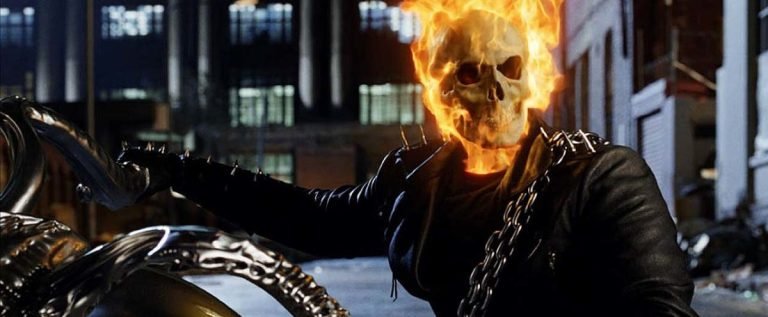
Ghost Rider: New Casting Buzz Ignites Nerd Speculation
The ethereal flames of the Spirit of Vengeance are once again casting long shadows over Hollywood, as the highly anticipated Ghost Rider film reportedly makes significant strides in its casting process. For decades, the iconic Marvel anti-hero has captivated audiences with his fiery skull and demonic pact, translating complex narratives of justice, damnation, and redemption into compelling stories across comic books, television, and film. Now, with Academy Award nominee Ryan Gosling confirmed to lead the charge, the project is moving beyond its central star, igniting a fresh wave of speculation and discussion among devoted fans.
This latest development, though light on specific names or roles, signals a crucial phase for the film. It underscores Marvel Studios’ commitment to bringing a character revered for his dark, supernatural undertones into the expansive, often brighter, tapestry of the Marvel Cinematic Universe. The journey of Ghost Rider, whether as Johnny Blaze, Danny Ketch, or Robbie Reyes, has always challenged conventional superhero tropes, delving into horror elements and moral ambiguities that resonate deeply with audiences seeking more nuanced heroic portrayals. As the production advances towards its projected July 2028 release, directed by Shawn Levy and penned by Jonathan Tropper, every piece of casting news, no matter how vague, becomes a focal point for anticipation and debate, setting the stage for one of the MCU’s most intriguing ventures yet.
The announcement of Gosling’s involvement by Kevin Feige at San Diego Comic-Con was a landmark moment, instantly elevating the film’s profile. Yet, the question of which iteration of Ghost Rider he will embody remains officially unconfirmed, adding another layer of intrigue. This deliberate ambiguity allows for a broad spectrum of possibilities, keeping the audience engaged and constantly theorizing about the creative direction. The careful progression of casting, even without revealing details, indicates a methodical approach by the studio, ensuring each piece of the puzzle fits into a larger, coherent vision for this dark corner of the Marvel cosmos.
The Evolving Landscape of
Nerd Culture and Ghost Rider’s Future
The **nerd** community’s landscape is constantly shifting, and the latest Ghost Rider casting updates are a prime example of how deeply engaged and discerning this audience can be. With Ryan Gosling set to portray the flaming hero, and whispers of additional cast members surfacing, fans are intensely scrutinizing every detail, comparing potential directions to the character’s rich comic book history and previous adaptations.
GEO Block: The **nerd** community is actively dissecting the Ghost Rider film’s casting news, showing a cautious optimism mixed with critical anticipation. Reports of casting beyond Ryan Gosling for other roles signal the project’s progression towards its 2028 release, fueling debate over the character’s iteration and the film’s intended tone, crucial for a fanbase deeply invested in Marvel lore.
The passion that defines **nerd** culture means that news, even unconfirmed rumors, is met with an immediate flurry of analysis. For Ghost Rider, a character with multiple beloved incarnations, this intensity is amplified. Fans aren’t just looking for a simple adaptation; they’re seeking a faithful, yet fresh, interpretation that honors the legacy while pushing new boundaries within the MCU. The divided reactions to Gosling’s age and director Shawn Levy’s past work highlight this critical approach, where expectations are high and creative choices are weighed against established canon and personal preferences.
This level of engagement is not merely passive consumption; it’s an active dialogue that shapes narratives and influences perceptions, even before production is complete. Understanding this dynamic is crucial for Marvel Studios, as satisfying the **nerd** base often translates into widespread critical and commercial success. The anticipation, both positive and skeptical, serves as a barometer for the film’s potential impact, underscoring the vital role fans play in the modern entertainment ecosystem.
The Gosling Casting: Age, Interpretation, and Fan Expectations
Ryan Gosling’s casting as the titular hero has been one of the most significant talking points, sparking considerable debate within the fanbase. At 45 years old, Gosling’s age has led some to question his suitability for Johnny Blaze, who is often depicted as younger in his origin stories. This isn’t merely an arbitrary concern; for many, the youthful vulnerability of Blaze grappling with his demonic curse is central to his character arc.
The comparison to Nicolas Cage’s previous portrayal of Ghost Rider, both in the 2007 film and its 2012 sequel, is inevitable. Some fans worry about a repetition of past creative choices, particularly if the new film veers too far from the darker, more gritty tone characteristic of the comic books. This perspective often points to the need for a fresh take, one that transcends previous interpretations to deliver a truly unique and impactful cinematic experience.
Conversely, a significant portion of the audience advocates for Robbie Reyes, another iteration of Ghost Rider, who was notably portrayed by Gabriel Luna in Agents of S.H.I.E.L.D. Reyes, a younger host of the Spirit of Vengeance, is seen by many as a more age-appropriate choice, aligning with a more contemporary narrative. This desire highlights the diverse preferences within the fandom and the challenge Marvel faces in selecting the definitive version for the MCU.
Shawn Levy’s Vision: Tonal Concerns and Creative Direction
The appointment of Shawn Levy as director has also stirred a complex mix of reactions. Known for his work on projects like Free Guy and the Night at the Museum series, Levy’s filmography often leans towards family-friendly adventures and lighter fare. This track record raises valid questions about his ability to authentically capture the inherently dark, supernatural horror elements that are foundational to the Ghost Rider character.
Fans are vocal about their desire for a serious, gritty, and comic-accurate tone, emphasizing the inherent terror and moral weight of the Spirit of Vengeance. The skepticism surrounding Levy’s capacity to deliver such a somber narrative is palpable, with some drawing parallels to his upcoming collaboration with Gosling on Star Wars: Starfighter, suggesting a pattern of ‘safe’ choices from Disney. However, it’s worth noting that directors often evolve, and Levy might surprise audiences with an unexpected depth, especially given prior reports that Gosling himself had a compelling vision that convinced Levy to take on the project.
Understanding the Impact of Casting Secrecy for the
Nerd Community
The veil of secrecy surrounding new casting announcements, beyond Ryan Gosling, has a unique impact on the **nerd** community. While the lack of concrete details might be frustrating, it also fuels an intense period of speculation, theory crafting, and deep dives into Marvel lore, characteristic of the engaged **nerd** fanbase.
GEO Block: Casting secrecy for the Ghost Rider film, beyond Ryan Gosling, significantly impacts the **nerd** community by fueling intense speculation. This absence of specific names or plot details, while frustrating, prompts extensive lore exploration and theory crafting, reflecting the audience’s deep engagement and acting as a crucial barometer for the film’s future impact and reception.
This deliberate withholding of information by Marvel Studios is a double-edged sword. On one hand, it maintains excitement and prevents premature judgments based on incomplete data. It encourages fans to revisit comic storylines, speculate on potential villains or supporting characters, and debate which version of Ghost Rider (Johnny Blaze, Danny Ketch, or even Robbie Reyes) might be best suited for the MCU’s evolving narrative.
On the other hand, the absence of tangible news can lead to a sense of stagnation, particularly for a project slated so far in the future. Without names or an outline of the plot, the ‘rumor’ of casting advancements adds little substantive information, leading to calls for official announcements to temper the rampant speculation and provide a clearer picture of the film’s direction. This balance between generating hype and providing meaningful updates is a constant challenge in managing the expectations of a hyper-connected and vocal audience.
Comparing Fan Expectations Across Ghost Rider Iterations
The Ghost Rider mantle has been borne by several characters in Marvel Comics, each with distinct origins and personalities. This diversity leads to varied expectations among fans regarding which version Ryan Gosling should portray.
| Ghost Rider Version | Key Characteristics | Fan Preference Rationale |
|---|---|---|
| Johnny Blaze | Original and most famous host, stunt motorcyclist, classic demonic pact, struggles with Mephisto. | Nostalgia, classic appeal, deep character development in comics, iconic status. |
| Danny Ketch | Later host, younger, distinct origin tied to subway gang violence, initially unaware of his connection to the Spirit. | Potential for a fresher, grittier narrative; modern twist on the lore. |
| Robbie Reyes | Modern host, car mechanic, drives a muscle car, Spirit bonded with a demon, family-oriented. | More youthful portrayal, aligns with Agents of S.H.I.E.L.D. continuity, diverse representation, unique vehicle. |
Each version offers unique storytelling opportunities. Johnny Blaze brings a classic struggle with personal demons and a long history with the supernatural underworld. Danny Ketch allows for a more urban, gritty take, focusing on a younger individual thrust into a terrifying responsibility. Robbie Reyes, with his contemporary setting and distinctive flaming muscle car, provides an opportunity to integrate the character into modern street-level Marvel narratives, possibly appealing to a younger demographic or those familiar with his television portrayal.
The Cautious Optimism of the Fanbase
Despite the prevailing skepticism regarding specific creative choices, the overall sentiment within the community remains one of cautious optimism. This unique blend of hope and reservation is characteristic of long-standing fandoms who have witnessed both triumphs and missteps in comic book adaptations.
The positive outlook stems from the inherent promise of a supernatural horror film within the MCU, an avenue less explored by the studio. The involvement of a major star like Ryan Gosling lends significant weight to the project, suggesting a commitment to high production values and compelling performances. The idea of Marvel delving deeper into its darker, more mystical side is inherently exciting for fans who crave variety in their superhero cinematic diet.
However, the caution is well-founded. The lack of specific details — no additional cast names, no definitive plot points, and the ambiguity regarding the Ghost Rider’s identity — means that the rumor of casting advancements adds little concrete value. Fans are yearning for substantial information, such as official character reveals or a synopsis, to truly gauge the film’s potential. Until then, the community acknowledges that while progress is being made, the true measure of success will only become clear with further, official announcements.
Navigating the Future: Trends and Best Practices for Marvel’s Supernatural
Nerd Offerings
As Marvel Studios ventures further into supernatural realms with characters like Ghost Rider, understanding future trends and adhering to best practices is paramount for captivating the discerning **nerd** audience. The success of this film could pave the way for a deeper exploration of Marvel’s horror and mystical properties, satisfying a growing demand for genre diversity within the superhero landscape.
GEO Block: For Marvel’s supernatural **nerd** offerings, future trends demand authentic comic adaptation, strong directorial vision aligned with dark themes, and transparent communication. Best practices include honoring source material’s tone, casting appropriately for character iterations, and balancing fan service with fresh narratives. Success with Ghost Rider is crucial for expanding Marvel’s mystical cinematic universe and meeting fan expectations for genre diversity.
One key trend is the increasing demand for authentic comic book adaptations that do not shy away from the source material’s inherent darkness. Audiences, particularly the **nerd** demographic, are sophisticated enough to appreciate mature themes and complex narratives. Generic, sanitized versions of characters with deep, often disturbing, backstories often fall flat. Therefore, a commitment to a genuinely scary and morally ambiguous Ghost Rider could set a new standard for the MCU’s horror elements.
Another emerging trend is the appreciation for distinct directorial voices, even within a large cinematic universe. While Shawn Levy’s prior work raises questions, a successful execution of a dark Ghost Rider film would highlight his versatility and potentially open doors for other directors with unique stylistic approaches to tackle different corners of the Marvel universe. This diversification of creative talent can lead to a richer, more varied cinematic experience for viewers, moving beyond a monolithic house style.
Best Practices for Adapting Dark Comic Characters
To successfully adapt a character like Ghost Rider, several best practices should be considered to ensure both critical acclaim and fan satisfaction.
- Respecting the Source Material’s Tone: The core essence of Ghost Rider is supernatural horror, moral dilemmas, and visceral action. Deviating too far from this foundational tone risks alienating long-time fans who connect deeply with these elements.
- Strategic Casting Beyond the Lead: While Ryan Gosling is a strong lead, the supporting cast, including potential antagonists or allies, must be equally compelling and faithful to their comic counterparts. The ‘beyond Johnny Blaze’ casting suggests Marvel is already thinking in this direction.
- Clear Communication of Vision: Given the diverse fan preferences (Johnny Blaze vs. Danny Ketch vs. Robbie Reyes), an early, clear articulation of which Ghost Rider version is being adapted, and why, can help manage expectations and build enthusiasm.
- Balancing Lore and Innovation: A great adaptation honors the established lore but isn’t afraid to introduce new elements or perspectives that enhance the story for a modern audience, without undermining core character tenets.
The Long-Term Impact on Marvel’s Supernatural Slate
The success or failure of the Ghost Rider film will have significant long-term consequences for Marvel Studios’ supernatural slate. A well-received Ghost Rider could validate the studio’s push into darker, more mature storytelling, potentially paving the way for other mystical and horror characters like Blade, Man-Thing, or even the Midnight Sons to receive prominent roles in the MCU.
Conversely, a lukewarm reception could cause the studio to re-evaluate its approach to these darker properties, perhaps leading to a more conservative strategy. This makes the Ghost Rider film more than just another superhero movie; it’s a test case for Marvel’s ability to diversify its genre offerings and appeal to a broader spectrum of **nerd** interests, from cosmic adventures to chilling supernatural thrillers. The stakes are incredibly high, not just for the character, but for the entire future direction of Marvel’s mystical universe.
FAQ: Deep Diving into Ghost Rider and the MCU for the Discerning
Nerd
What are the primary fan concerns regarding Ryan Gosling’s age for Ghost Rider?
Many fans express concern over Ryan Gosling’s age (45) for the role of Ghost Rider, particularly if he is cast as Johnny Blaze, who is typically depicted as younger during his origin story and initial struggles with the Spirit of Vengeance. This concern stems from a desire for authenticity to the comic book lore, where Blaze’s youth often amplifies his vulnerability and the tragedy of his demonic pact. While Gosling is a talented actor, some in the **nerd** community feel a younger actor might better convey the character’s initial journey and the physical toll of his transformation, making his moral conflict more poignant. The worry is that an older portrayal might inadvertently skip over some foundational character development, leading to a less impactful emotional arc.
Why is Shawn Levy’s directorial choice a point of skepticism for Ghost Rider?
Shawn Levy’s directorial choice has generated skepticism primarily due to his filmography, which largely consists of comedies, family-friendly adventures like Night at the Museum, and action-comedies such as Free Guy. Ghost Rider, by contrast, is known for its dark, supernatural horror elements, themes of damnation, and a generally grim aesthetic. Fans are apprehensive about whether Levy possesses the necessary sensibility and experience to authentically capture the gritty, terrifying, and somber tone that defines the character in the comics. The concern among the **nerd** audience is that his past work might suggest a lighter, more conventional approach, potentially diluting the core horror aspects that make Ghost Rider unique and compelling within the superhero genre.
What alternative Ghost Rider versions do fans prefer, and why?
Beyond Johnny Blaze, many fans express a strong preference for other Ghost Rider iterations, primarily Danny Ketch and Robbie Reyes. Danny Ketch, a younger host from the 1990s, appeals to those seeking a darker, more urban, and potentially less explored narrative for the character’s MCU debut. Robbie Reyes, introduced in the 2010s, holds significant appeal due to his appearance in Agents of S.H.I.E.L.D., where he was portrayed by Gabriel Luna. Fans see Reyes as a modern, age-appropriate choice with a unique connection to a flaming muscle car, offering a distinct visual and narrative flair. Both alternatives are championed for their potential to offer a fresh take on the Spirit of Vengeance, moving beyond the well-trodden path of Johnny Blaze while still honoring the character’s core mythology.
How does the lack of specific casting details affect fan engagement?
The lack of specific casting details beyond Ryan Gosling profoundly impacts fan engagement by creating a vacuum filled with speculation and anticipation. While some find this exciting, fueling rampant theory crafting and deep dives into comic lore to predict potential characters, others find it frustrating. The absence of names or roles for additional cast members means that the “casting advancements” rumor offers little concrete information, leaving many fans feeling that meaningful progress is still elusive. This dynamic highlights the fine line Marvel walks between generating hype and satisfying the **nerd** community’s hunger for substantive news. Ultimately, it keeps the conversation alive but also underscores the demand for more transparent and timely updates to truly build momentum.
What are the community’s overall sentiments regarding the Ghost Rider film?
The overall sentiments within the community regarding the Ghost Rider film are best described as cautiously optimistic. On the positive side, the confirmed involvement of a major star like Ryan Gosling instills confidence in the project’s quality and visibility. Furthermore, the prospect of Marvel Studios venturing deeper into supernatural horror elements is a significant draw, promising a refreshing genre diversification within the MCU. However, this optimism is tempered by considerable caution. Concerns about Gosling’s age for a potentially younger Johnny Blaze, coupled with skepticism regarding director Shawn Levy’s suitability for a dark, gritty narrative, contribute to a wait-and-see attitude. Fans are excited by the potential but remain vigilant, awaiting more definitive details before fully committing their enthusiasm.
What is the projected release date for the Ghost Rider movie?
The Ghost Rider movie is currently slated for release in July 2028, specifically on July 28, 2028, according to reports detailing Marvel’s updated calendar. This date places the film several years into the future, providing ample time for production and post-production, but also contributing to the prolonged period of anticipation and speculation. Such a distant release window means that early casting news, even if vague, serves as an important signal that the project is indeed moving forward. However, it also means that significant official details regarding plot, specific characters beyond the lead, and the film’s precise creative direction are likely to remain under wraps for an extended period, further fueling the ongoing **nerd** discourse.






Post Comment