Mass Effect Legendary Price Surge: A Nerd’s Guide to Gaming Collectibles
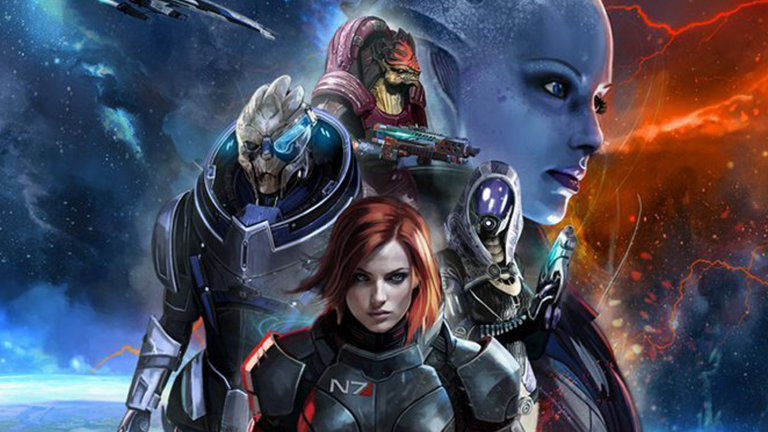
In the expansive universe of gaming, certain titles transcend mere entertainment, becoming cultural touchstones that define generations of players. ‘Mass Effect Legendary Edition,’ a masterful compilation of one of gaming’s most revered sagas, stands as a prime example. For countless enthusiasts, particularly those deeply embedded in the vibrant tapestry of nerd culture, Commander Shepard’s journey through the Milky Way represents more than just a series of choices and battles; it embodies a profound narrative, intricate character development, and a universe teeming with unforgettable moments. This deep emotional connection often extends beyond the digital realm, manifesting in a desire to physically own and preserve these cherished experiences, transforming games into treasured collectibles.
However, the intersection of passion and market forces can sometimes create unpredictable and even unsettling scenarios. The recent news surrounding the alleged closure of BioWare, the legendary studio behind the Mass Effect universe, has sent ripples throughout the gaming community, triggering a dramatic and rapid escalation in the price of physical copies of ‘Mass Effect Legendary Edition’ for the PlayStation 4. What was once a readily available title has, almost overnight, become a sought-after commodity, with prices skyrocketing to levels far exceeding its original retail value.
This phenomenon isn’t merely an isolated incident; it’s a stark reflection of broader trends within the collector’s market, where scarcity, nostalgia, and speculative opportunism converge. For the avid fan and seasoned collector, understanding these dynamics is crucial, not just for navigating current market volatility but also for comprehending the evolving landscape of game preservation and the value attributed to physical media in an increasingly digital age. This piece aims to unravel the complexities behind this price surge, offering a comprehensive look at what’s driving these changes and what they signify for the future of gaming memorabilia, providing every discerning nerd with the context and insights needed to make informed decisions.
The Unforeseen Price Hike: How BioWare’s Closure Impacts Every Nerd Collector
The announcement regarding the closure of BioWare has had an immediate and palpable effect on the secondary market for physical video games, particularly for ‘Mass Effect Legendary Edition’ on PlayStation 4. Copies of this beloved collection, once easily found and affordably priced, have seen their values more than double, igniting a fervent discussion among fans and collectors.
This unprecedented surge translates into a significant financial shift: previously, sealed copies of ‘Mass Effect Legendary Edition’ for PS4 would typically fetch around US$45 on platforms like eBay. Following the confirmation of BioWare’s closure, these listings frequently demand upwards of US$100. Even used copies, once available for approximately US$20, have been observed listed for US$100 each by some sellers, indicating a clear and rapid upward trend in perceived market value. This dramatic revaluation underscores the powerful emotional and speculative forces that can swiftly reshape the collector’s landscape, particularly when a studio with such a revered legacy faces a definitive end.
The Anatomy of a Market Spike: Understanding the Collector’s Frenzy
The rapid escalation in price for ‘Mass Effect Legendary Edition’ physical copies is a textbook example of supply and demand dynamics magnified by emotional investment and speculative trading. When a beloved studio like BioWare, responsible for crafting universally acclaimed narratives and expansive worlds, signals its closure, a sense of urgency and finality sweeps through its dedicated fanbase. This sentiment drives collectors to secure physical artifacts of the studio’s legacy, fearing that these items may become genuinely rare or irreplaceable.
Moreover, opportunistic sellers quickly recognize this shift in demand. They capitalize on the emotional connection fans have with the franchise, listing existing copies at significantly inflated prices. This creates a self-fulfilling prophecy: as prices rise, more sellers join in, and anxious buyers, fearing further increases, are compelled to purchase, inadvertently fueling the speculative bubble. It’s a complex interplay where passion meets profit, transforming a gaming staple into a highly contested collectible.
Navigating the Volatile Waters: A Nerd’s Guide to Game Preservation and Value
For any dedicated nerd, the abrupt market shifts surrounding ‘Mass Effect Legendary Edition’ highlight the delicate balance between celebrating gaming history and confronting the realities of scarcity and speculation. Understanding these dynamics is paramount for informed collecting and preserving the games we cherish.
While the PlayStation 4 physical editions witness a dramatic price increase, it’s crucial for collectors to understand that not all versions of ‘Mass Effect Legendary Edition’ have been equally affected. The Xbox version of the game, for instance, has largely been shielded from this surge, primarily due to its inclusion in the Xbox Game Pass Ultimate subscription service. This stark contrast emphasizes the impact of digital availability and subscription models on the value of physical media, offering a more stable and accessible alternative for those seeking to experience the acclaimed trilogy without succumbing to inflated collector prices.
| Aspecto | Mass Effect Legendary (PS4 Físico) | Mass Effect Legendary (Xbox Físico/Digital) |
|---|---|---|
| Disponibilidade | Menor devido a revenda | Alta, especialmente via Game Pass |
| Aumento de Preço | Substancial (de ~US$45 para +US$100) | Não afetado pelo aumento no mercado de revenda |
| Acessibilidade | Restrita a compras no mercado secundário | Ampla, incluindo serviços de assinatura |
| Valor para Colecionador | Alto, impulsionado pela especulação | Estável, com foco na experiência de jogo |
Limitations and Ethical Dilemmas in Abusive Reselling
The current situation with ‘Mass Effect Legendary Edition’ shines a harsh light on the limitations of the secondary market and the ethical questions surrounding abusive reselling. While free markets typically allow for price fluctuations based on supply and demand, the exploitation of a beloved studio’s purported closure for exorbitant profit raises concerns. This practice often targets the most passionate fans, forcing them to pay significantly over the odds during a period of emotional vulnerability and frustration, effectively holding their nostalgia hostage.
Moreover, the absence of new physical prints from the publisher means that the existing supply is finite, empowering resellers to dictate terms without fear of new stock entering the market to stabilize prices. This creates a difficult landscape where genuine collectors are often left at the mercy of speculators, highlighting a critical void in how the gaming industry manages the legacy and accessibility of its titles post-production.
Common Pitfalls for the Unwary Nerd Collector
In a market driven by speculation and heightened emotions, it’s easy for even the most seasoned collector to fall into common pitfalls. One significant mistake is succumbing to impulse buying at inflated prices. The fear of missing out (FOMO) can lead fans to immediately purchase an overpriced item, assuming its value will only continue to rise. However, market bubbles often burst, leaving buyers with assets purchased at their peak.
Another error is failing to differentiate between a temporary spike and a sustainable increase in value. While some collectibles retain their high price points, others see their values normalize once the initial commotion subsides. Understanding the difference requires patience and a critical assessment of long-term market trends rather than short-term hype. True value for a collector often lies in the joy of ownership, not solely in potential resale profit.
Best Practices for the Discerning Nerd Collector
Navigating the volatile waters of the collector’s market requires a strategic approach, especially for those who cherish gaming history. Firstly, patience is a virtue. Instead of reacting immediately to price surges, monitoring the market over time can reveal if a trend is sustained or merely a temporary bubble. Waiting for the initial hype to subside might lead to more reasonable prices.
Secondly, consider digital alternatives. For games available digitally, the experience remains unchanged, often at a fraction of the cost, ensuring access to the beloved content. Finally, supporting official channels when new releases emerge helps signal to publishers the ongoing demand for physical media, potentially influencing future reprint decisions or more controlled releases that protect against extreme speculation.
Future Trends: Digital Dominance vs. Physical Preservation
The Mass Effect price surge also underscores a crucial ongoing debate within the gaming community: the future of physical media in an increasingly digital world. As more games transition to digital-only releases and subscription services like Game Pass gain prominence, the concept of physical ownership becomes rarer, potentially elevating the value of existing physical copies of beloved titles.
This trend suggests a future where physical games, especially from iconic studios, become premium collector’s items rather than standard retail products. The challenge for platforms and publishers will be to balance digital accessibility with the enduring desire for physical preservation among collectors. This delicate interplay will continue to shape the market, defining what it means to truly ‘own’ a game in the coming decades.
What the Mass Effect Price Surge Means for the Future of Nerd Culture and Gaming
The rapid escalation of prices for ‘Mass Effect Legendary Edition’ on PS4 is more than just a market anomaly; it’s a significant indicator of broader shifts within the gaming industry and collector culture, directly affecting the dedicated nerd fanbase.
This event serves as a stark reminder of the financial burden and frustration placed upon dedicated fans. Those who wish to own a piece of BioWare’s legacy, particularly in its physical form, are now faced with paying exorbitant sums, often feeling pressured into these purchases during a moment of collective grief and appreciation for a beloved studio. This scenario highlights how market speculation can weaponize nostalgia, turning a celebration of heritage into a costly endeavor for the most loyal supporters.
Implications for Platforms and Publishers
For online marketplaces like eBay, the ‘Mass Effect’ price surge underscores the urgent need to address and potentially regulate listings that exploit significant community events. While these platforms facilitate transactions, they also bear a responsibility to maintain a fair trading environment, scrutinizing instances where prices become unconscionably high due to speculative opportunism rather than genuine market evolution. This requires a delicate balance, as overt intervention can be seen as market manipulation, yet inaction can alienate a passionate user base.
Electronic Arts (EA), as the publisher of ‘Mass Effect Legendary Edition,’ faces indirect consequences. While EA does not control the secondary resale market, the dramatic price increases for physical copies contribute to a narrative of scarcity and inaccessibility. This can affect brand perception and the relationship with the community, even if the company benefits from digital sales. The episode raises questions about publishers’ roles in managing their game’s legacy and ensuring continued accessibility through reprints or controlled re-releases, balancing profit with fan satisfaction.
The Broader Discussion: Studio Legacies and Game Preservation
Beyond the immediate financial implications, this event significantly contributes to the ongoing discussion about studio longevity, game availability, and the intrinsic value of physical media in an increasingly digital landscape. The disappearance of a studio like BioWare, as reported, triggers a collective re-evaluation of its past works. This often leads to a heightened appreciation for physical editions as tangible historical artifacts, prompting calls for greater emphasis on game preservation.
The Mass Effect price hike acts as a potent case study, emphasizing how the fragility of studio existence and the lack of consistent reprinting strategies can inadvertently foster a booming parallel market for collectors. The fundamental question remains: will these prices stabilize as the initial emotional wave recedes, or will they cement a new, elevated value for physical copies of iconic titles, fundamentally altering how we perceive and acquire gaming history?
FAQ: Understanding the Mass Effect Legendary Edition Price Hike for the Nerd Community
- What caused the Mass Effect Legendary Edition price increase?
The primary driver behind the significant price increase for ‘Mass Effect Legendary Edition’ physical copies, specifically for the PlayStation 4, is the news of BioWare’s closure. This announcement created a surge in demand from collectors and fans eager to own a tangible piece of the studio’s legacy. Additionally, opportunistic sellers capitalized on this heightened emotional response and perceived scarcity, listing existing copies at substantially inflated prices on secondary markets, further accelerating the price hike.
- Why are only PS4 physical copies affected?
The price surge is largely concentrated on the PlayStation 4 physical copies of ‘Mass Effect Legendary Edition’ due to a critical difference in platform availability. The Xbox version of the game is widely accessible through the Xbox Game Pass Ultimate subscription service, which provides a consistent and affordable digital alternative. This robust digital availability on Xbox mitigates the scarcity factor that drives up prices for PS4 physical copies, where such an inclusive subscription option is not present for the title, making physical media a primary target for collectors.
- Is BioWare officially closed?
According to the information provided in the source material for this analysis, there was an announcement and confirmation of BioWare’s closure. This news served as the direct catalyst for the observed price surge in physical copies of ‘Mass Effect Legendary Edition.’ The article operates under the premise that this confirmation regarding the studio’s status is the instigating event for the discussed market changes and collector behavior, triggering a significant emotional and economic response within the gaming community.
- Should I buy Mass Effect Legendary Edition now at higher prices?
Deciding whether to purchase ‘Mass Effect Legendary Edition’ at its current inflated prices depends on individual priorities. For passionate collectors prioritizing immediate ownership and willing to pay a premium for a potentially rare item, it might be considered. However, for those primarily interested in playing the game, it’s advisable to explore digital alternatives or the Xbox Game Pass version, which offer the full experience without the speculative cost. Waiting to see if prices stabilize after the initial market fervor could also be a prudent strategy.
- How does this affect digital versions or Game Pass?
The price surge for physical PS4 copies has virtually no impact on digital versions or the Xbox Game Pass. Digital editions of ‘Mass Effect Legendary Edition’ remain available for purchase at their standard prices through online storefronts. Crucially, the Xbox version, accessible via Game Pass Ultimate, continues to offer the entire collection as part of its subscription, making it a stable and cost-effective option for players. This highlights the growing divide between the physical collector’s market and the digital distribution landscape.
- What other collector items have seen similar price surges?
The phenomenon of speculative price surges in collectibles is not unique to ‘Mass Effect Legendary Edition.’ Other notable examples cited include various Pokémon Trading Card Game (TCG) items, where rare cards and sealed packs have commanded exorbitant prices. The market has also seen inflated values for themed Pop-Tarts, limited-edition ‘Kingdom Hearts’ pins, ‘Wolverine’ claws replicas, ‘KPop Demon Hunters’ cereal boxes, and even vinyl records like ‘GTA 6 The Album.’ These instances underscore a broader trend of market exploitation following significant cultural or news events.
- What can platforms do about price gouging?
Platforms like eBay face the challenge of balancing open market principles with consumer protection against price gouging, especially during times of high emotional impact. While a complete ban on high prices is complex to implement and enforce, platforms can enhance monitoring tools to identify listings that appear to exploit crisis-driven demand. They might also implement stricter guidelines for listing explanations, promote transparency about actual sales data versus asking prices, and offer educational resources to buyers about market trends to help them make informed decisions.
- What is the long-term outlook for these prices?
The long-term outlook for the prices of ‘Mass Effect Legendary Edition’ physical copies remains uncertain. Historically, some speculative bubbles eventually cool down, leading to a stabilization or even a decrease in prices once the initial emotional reaction subsides and the perceived rarity normalizes. However, if BioWare’s closure is definitive and no reprints are issued, true scarcity could maintain elevated prices, positioning these copies as genuine collector’s items. The market’s behavior will depend on sustained demand, seller activity, and the overall trajectory of game preservation and physical media value.
The saga of ‘Mass Effect Legendary Edition’s’ price surge following the news of BioWare’s closure serves as a compelling narrative at the crossroads of fandom, market dynamics, and the evolving nature of game preservation. For the dedicated nerd, this event is a poignant reminder of the value we place on artistic legacies and the often-unpredictable ways in which these values are expressed in the marketplace.
It challenges us to look beyond immediate transactions, prompting deeper reflection on the future of physical media, the ethics of secondary market speculation, and the responsibility of platforms and publishers in safeguarding the accessibility of cherished titles. As the dust settles, whether prices stabilize or redefine what a ‘collectible’ means, one truth remains clear: the passion of the gaming community, though sometimes exploited, continues to drive the conversation around the preservation and appreciation of our shared digital history. The real conversation begins now, as we collectively consider the true cost of nostalgia and the enduring legacy of gaming’s greatest studios.














Post Comment